
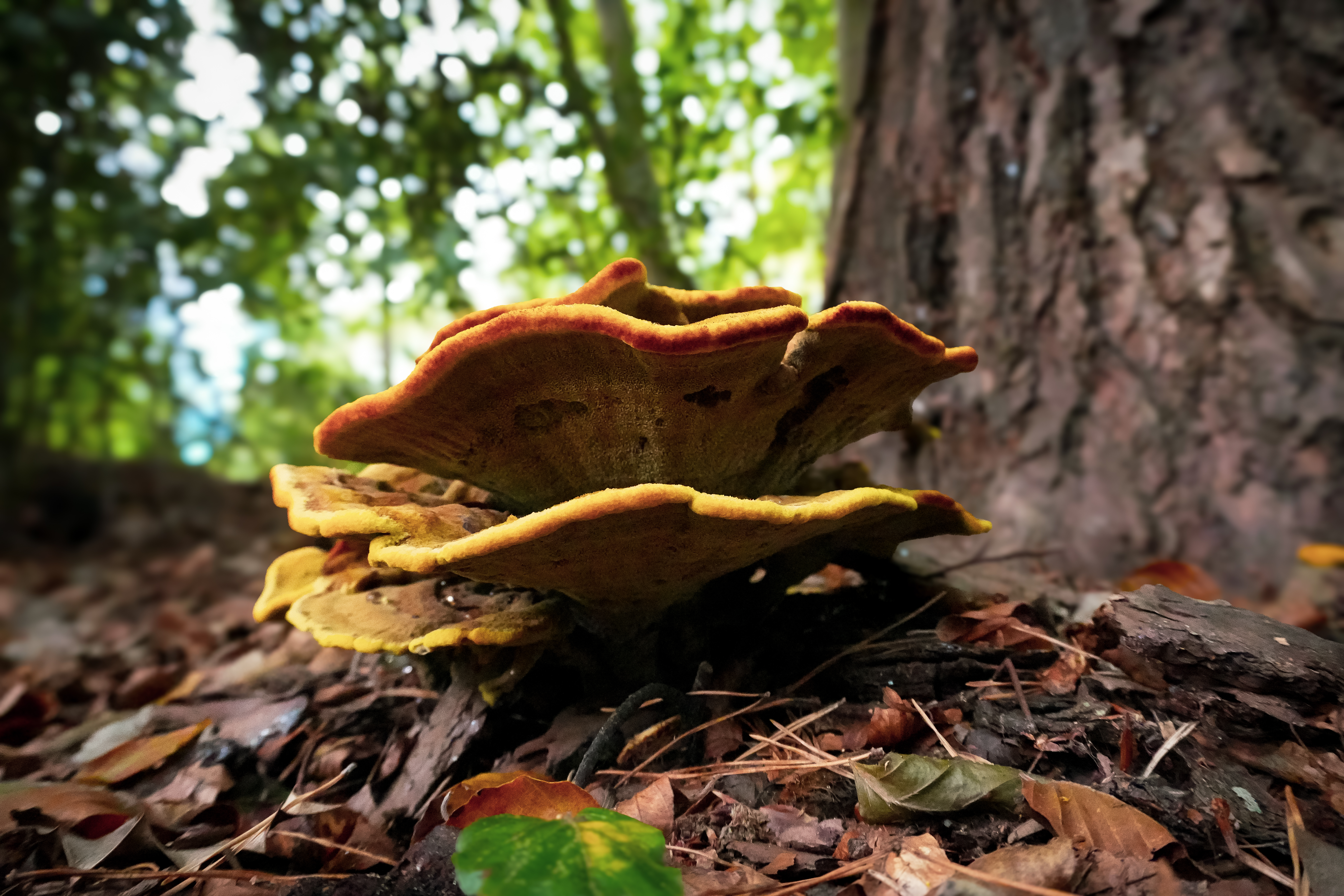
Fungi
Explore the Fungi, lichens and mosses I have encountered and documented over the years. Species are arranged into taxonomic groups, with photographs, dates and locations.
Fungi form one of the most diverse kingdoms of life, with an estimated 2.5 million species worldwide, more than 90% of which may still be unknown to science (Royal Botanic Gardens, Kew, 2023). Unlike plants, fungi are heterotrophs: they release enzymes into their surroundings to break down organic material before absorbing the resulting nutrients. In many species, microscopic threads called hyphae combine to form an extensive network known as the mycelium, while the mushrooms, brackets and other structures we see above ground are often only the reproductive fruiting bodies of a much larger organism (Kew, 2023). Ecologically, fungi function as decomposers, mutualists and pathogens, breaking down dead material, forming important relationships with plants and influencing nutrient availability. Through these processes, fungi play fundamental roles in nutrient cycling, plant growth, carbon storage and the functioning of terrestrial ecosystems (Peay et al., 2016; Rillig, 2026).
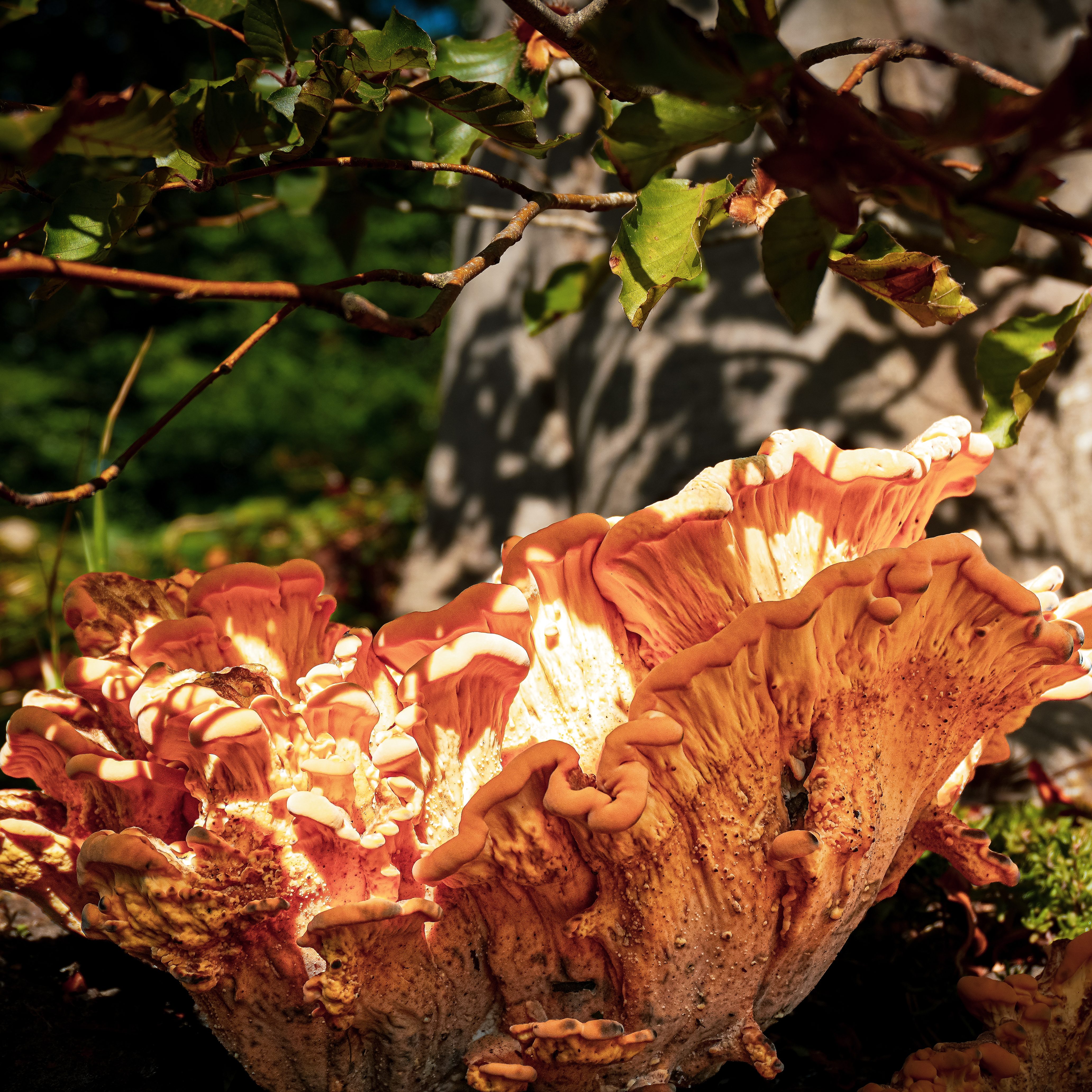
Chicken of the Woods — Laetiporus sulphureus
Bourley, Sept 2026
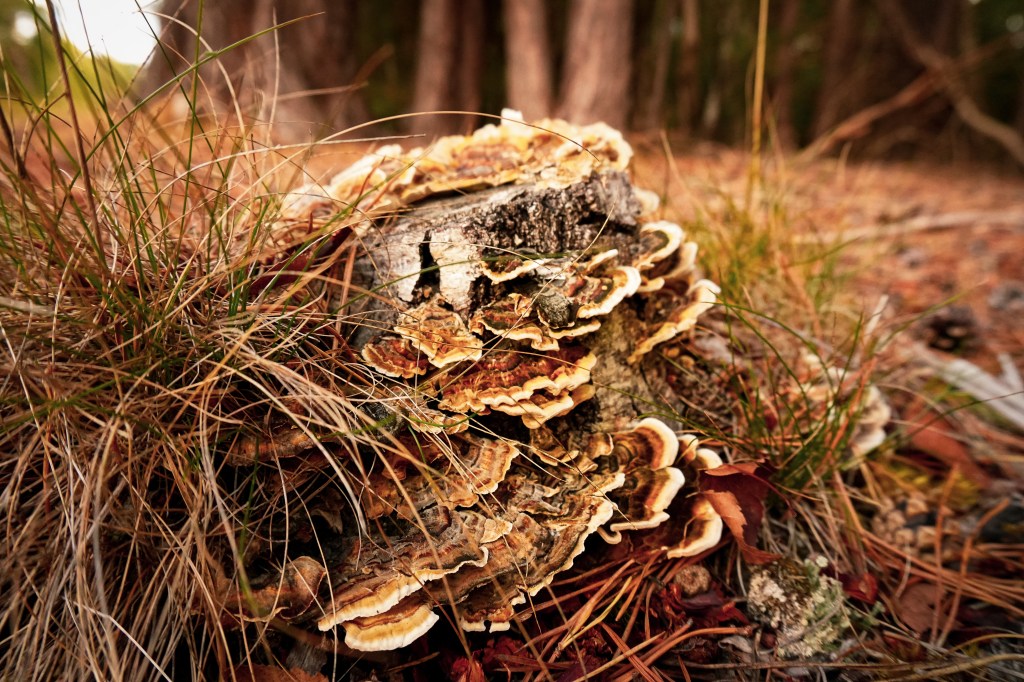
Turkeytail — Trametes versicolor
Bourley Woods, Sept 2026
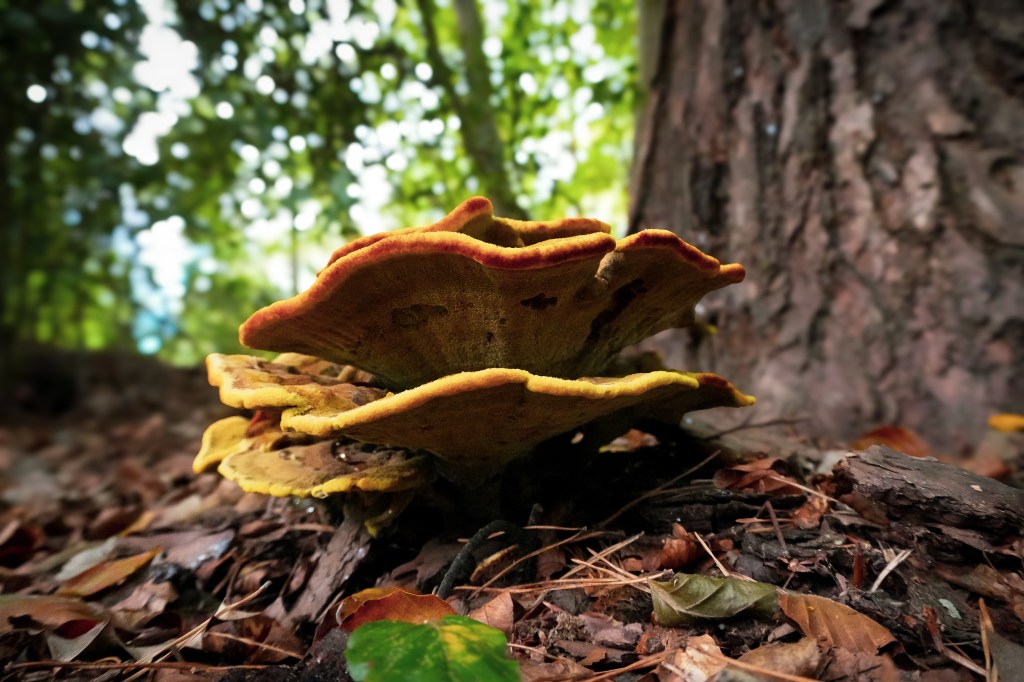
Dyer’s Mazegill — Phaeolus schweinitzii
Bourley Woods, Sept 2026
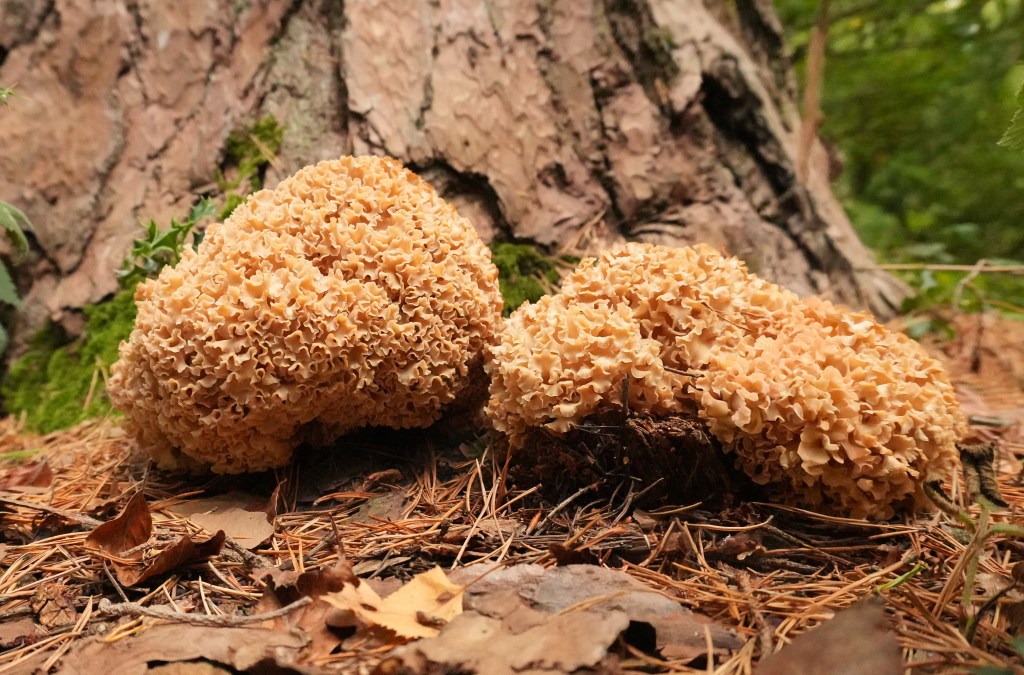
Cauliflower Fungus — Sparassis crispa
Bourley Woods, Sept 2026
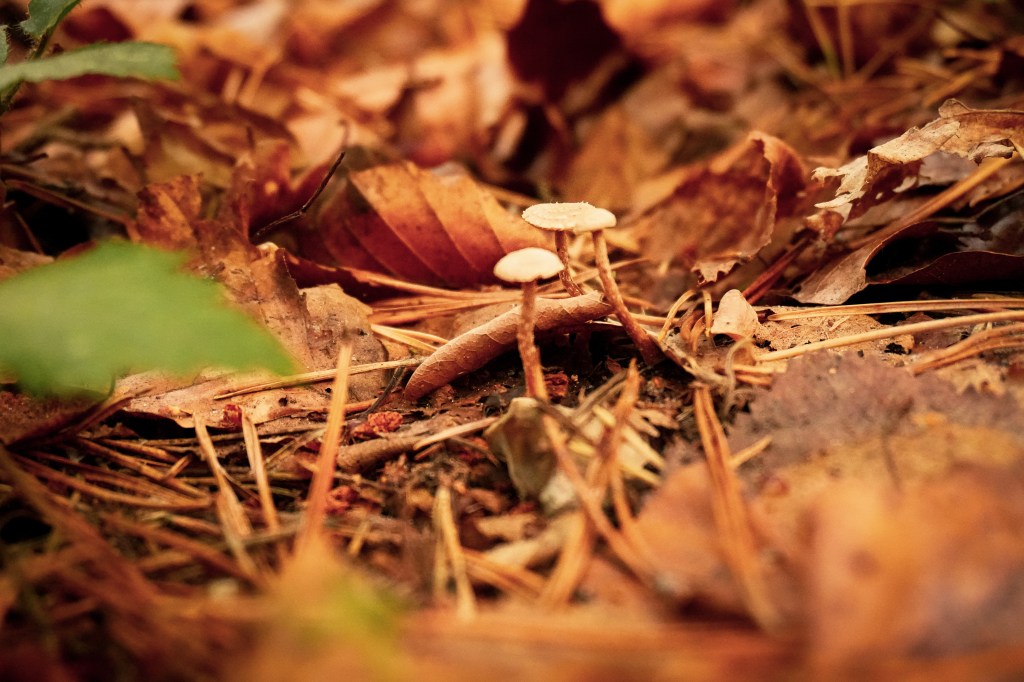
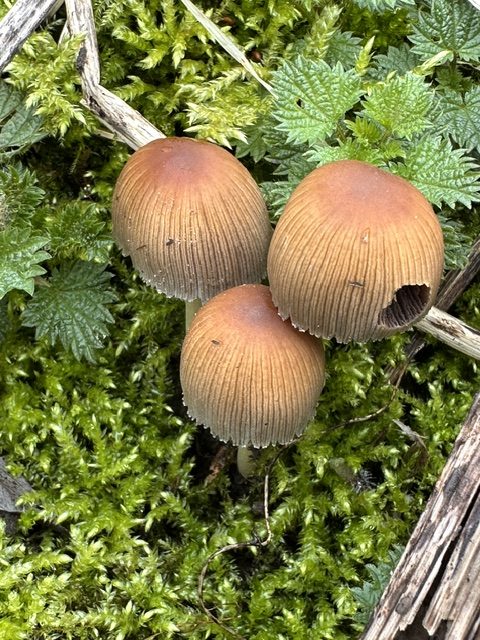
bonnet fungi (Mycena species)
Bourley Woods, Sept 2026
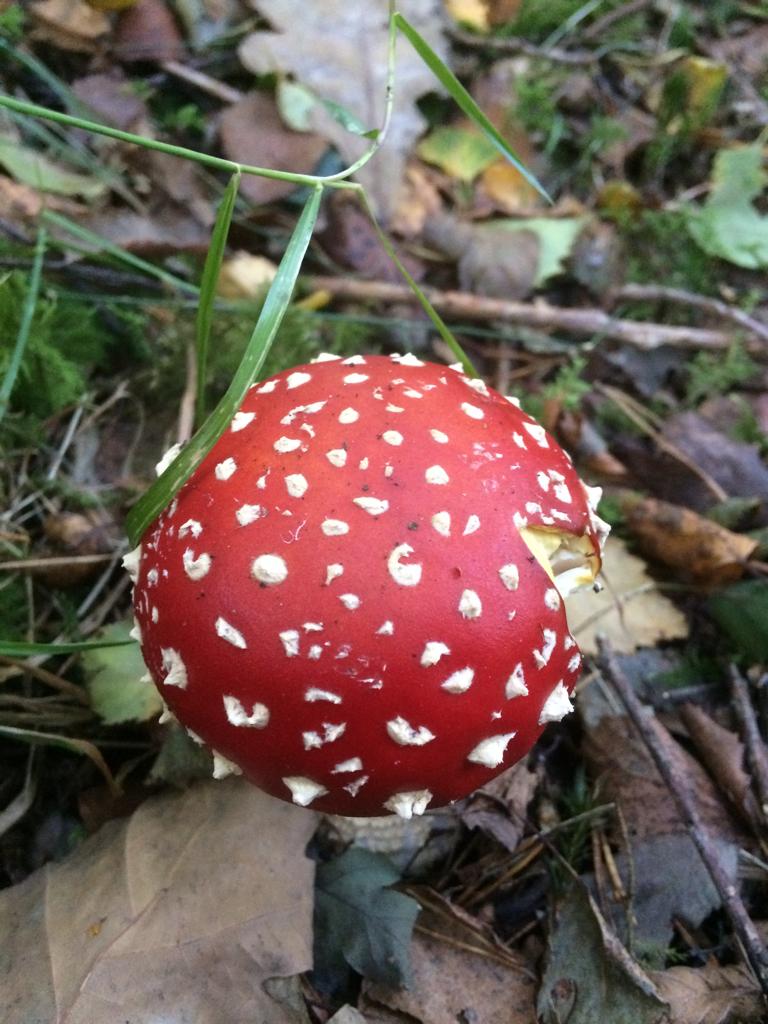
Flygaric
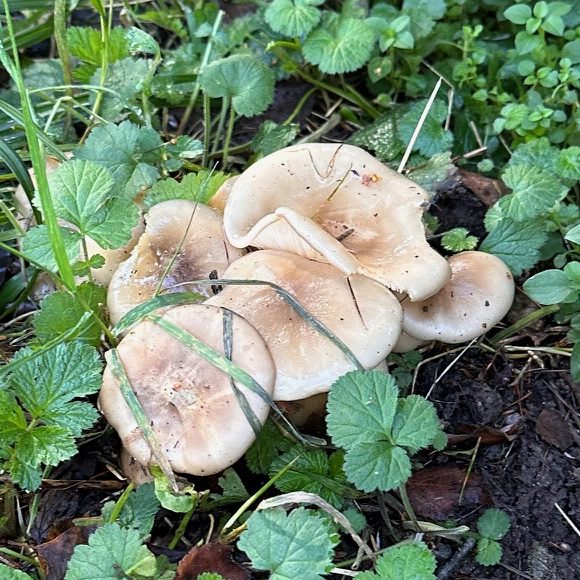
Clouded agaric (aka Clouded funnel)
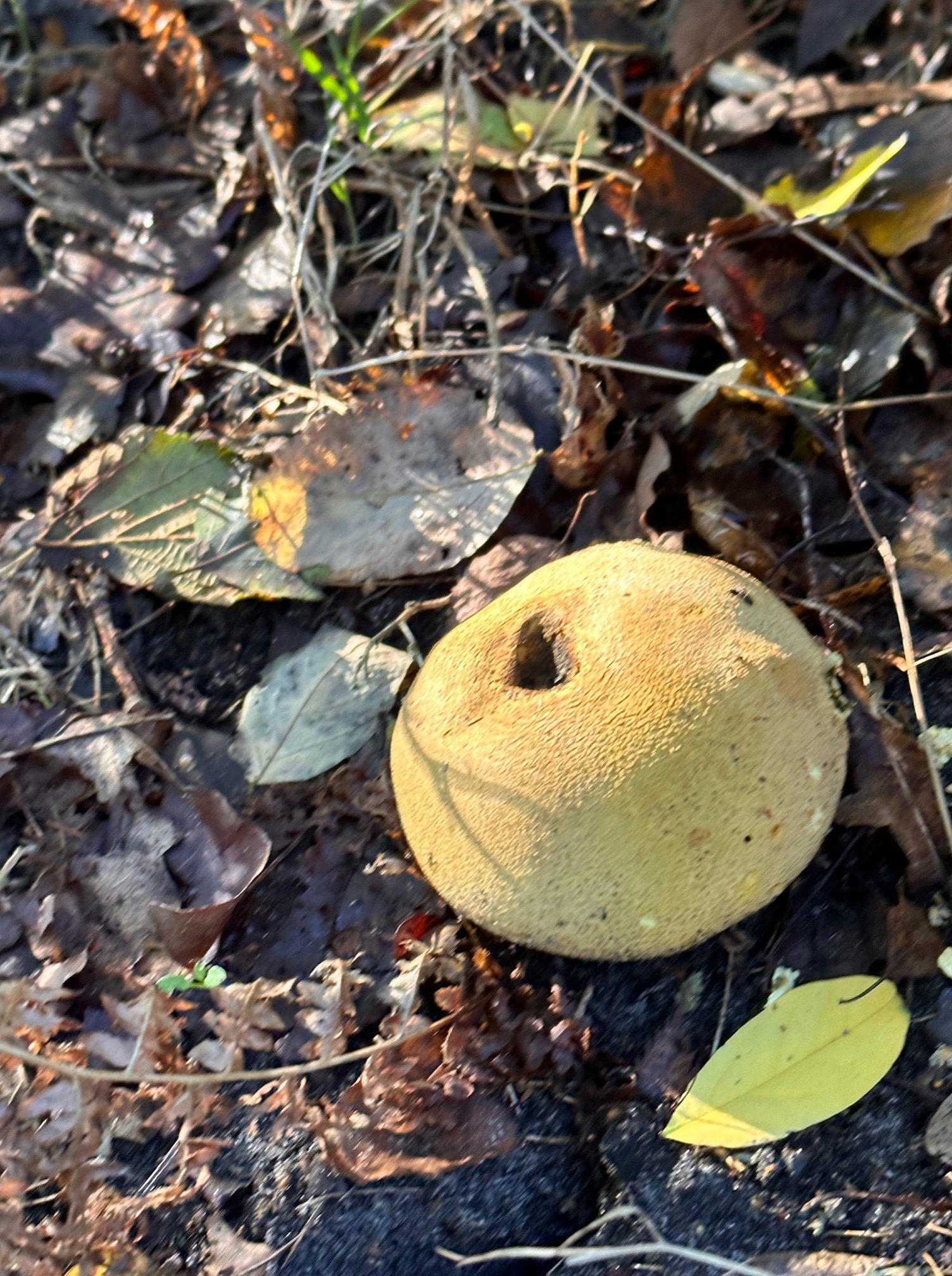
Common puffball
Rufous-naped Lark
Corypha africana
Serengeti, Dec 2024
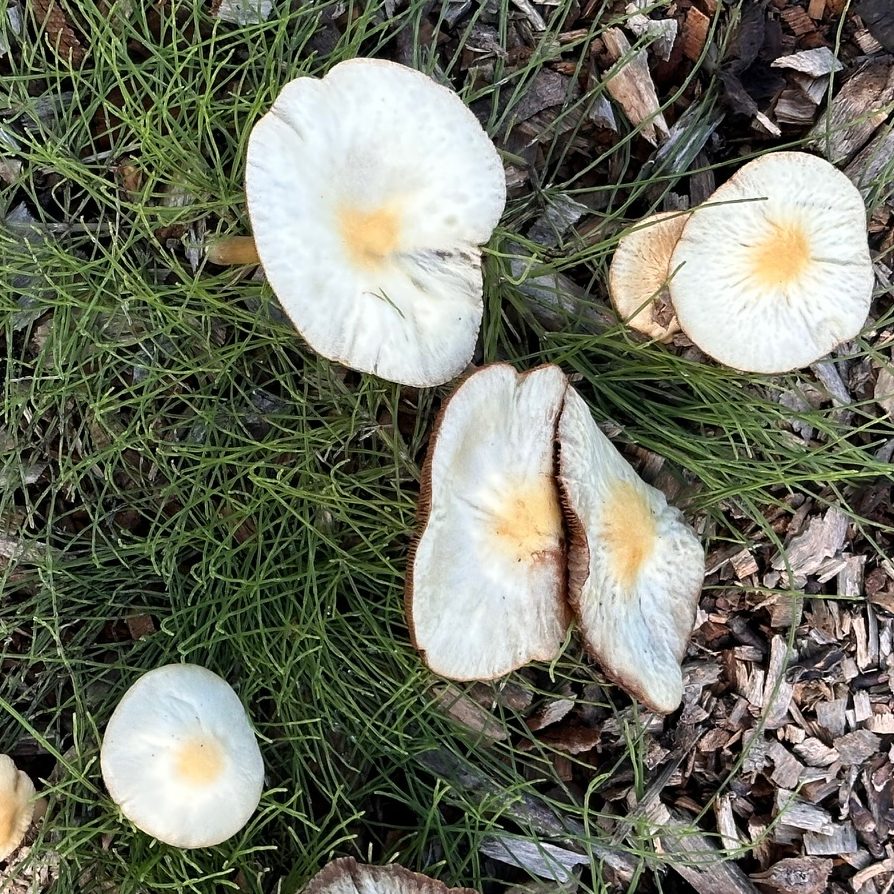
Yellow Fieldcap
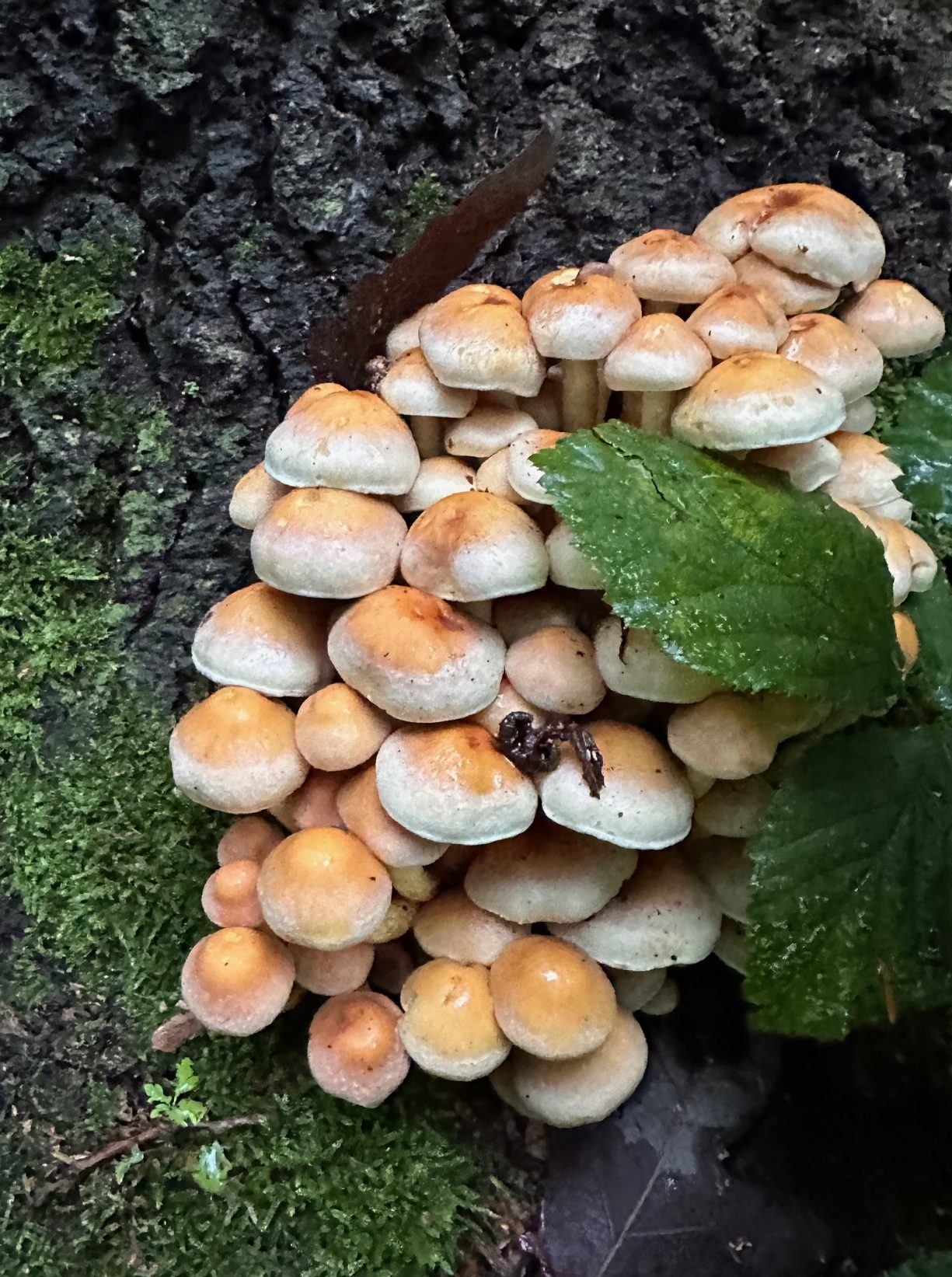
Sheathed woodtuft
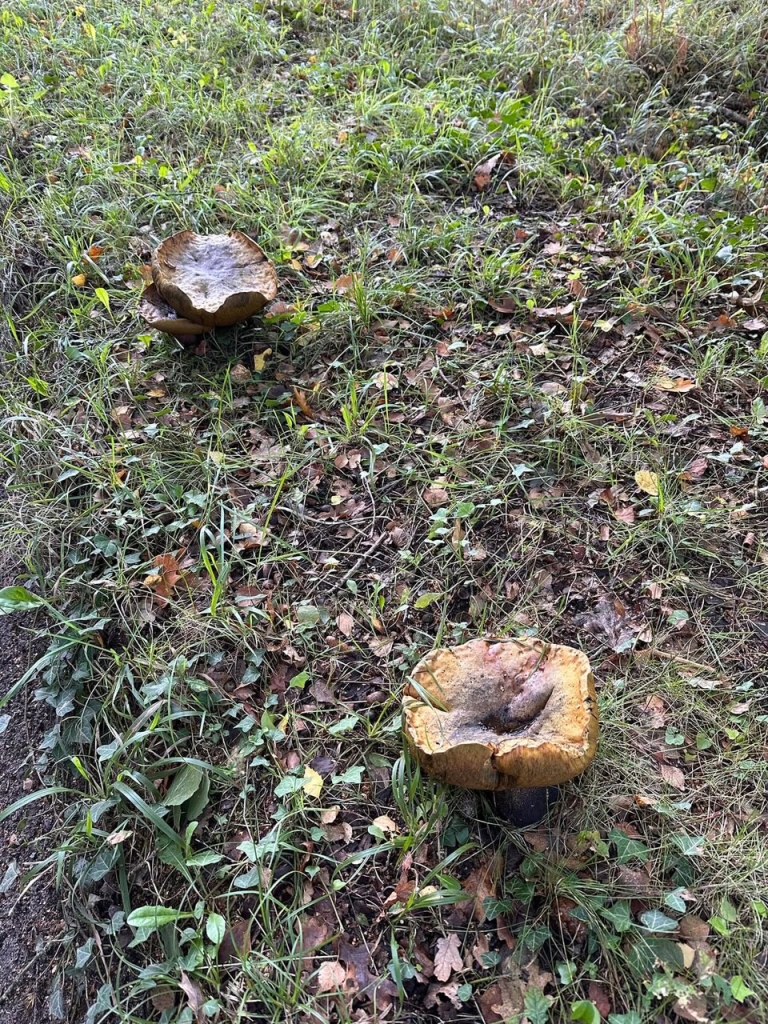
Penny Bun
Silverbird
Empidornis semipartitus
Serengeti, Dec 2024
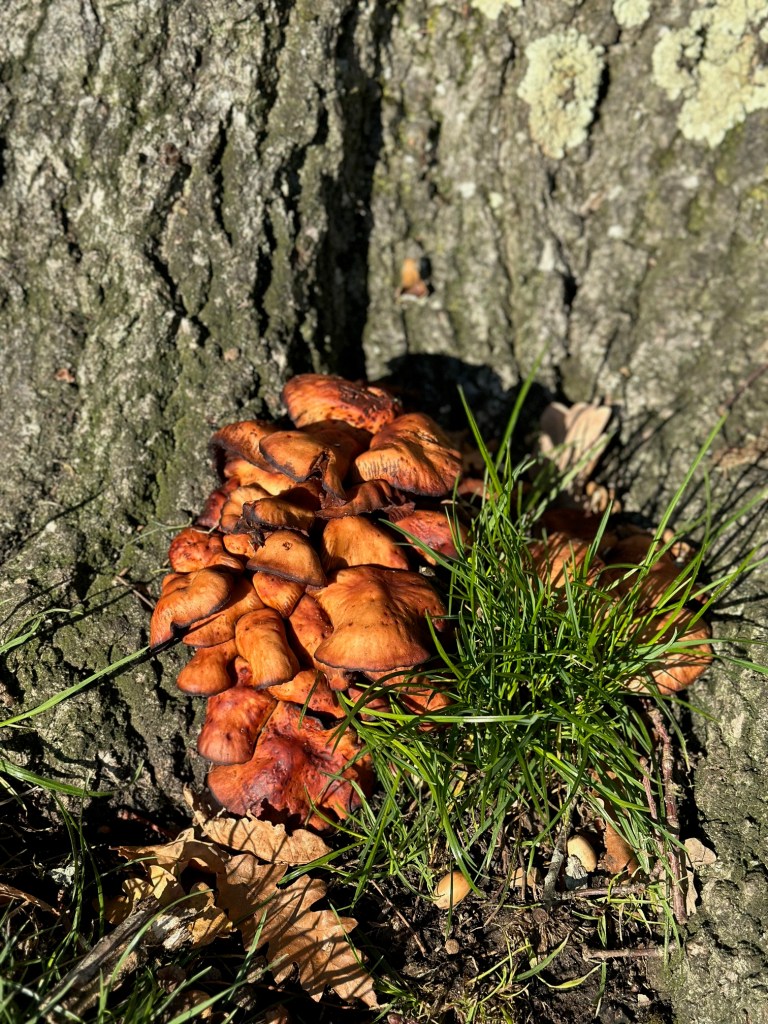
Honey fungus (Armillaria species)
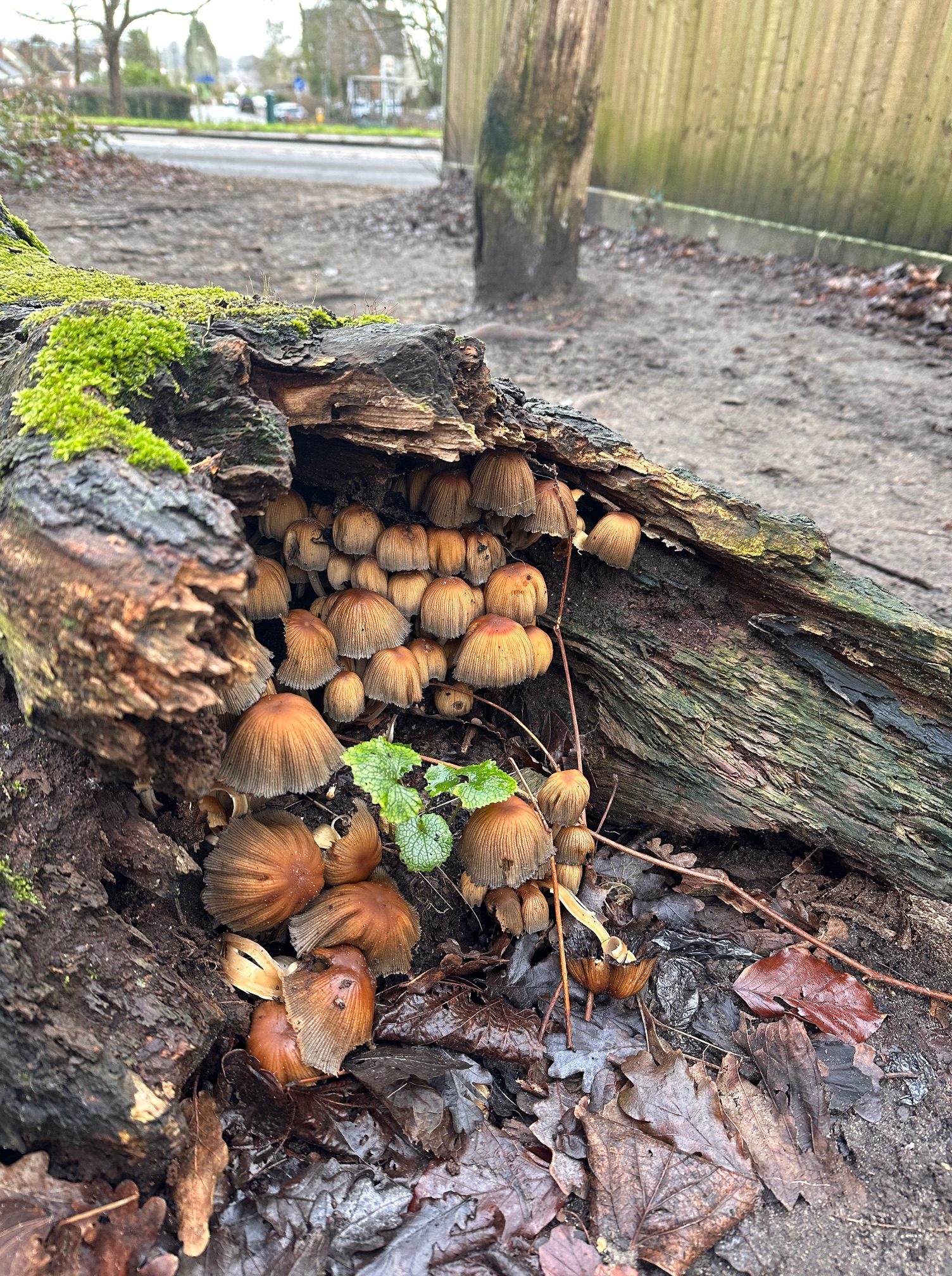
Glistening inkcap
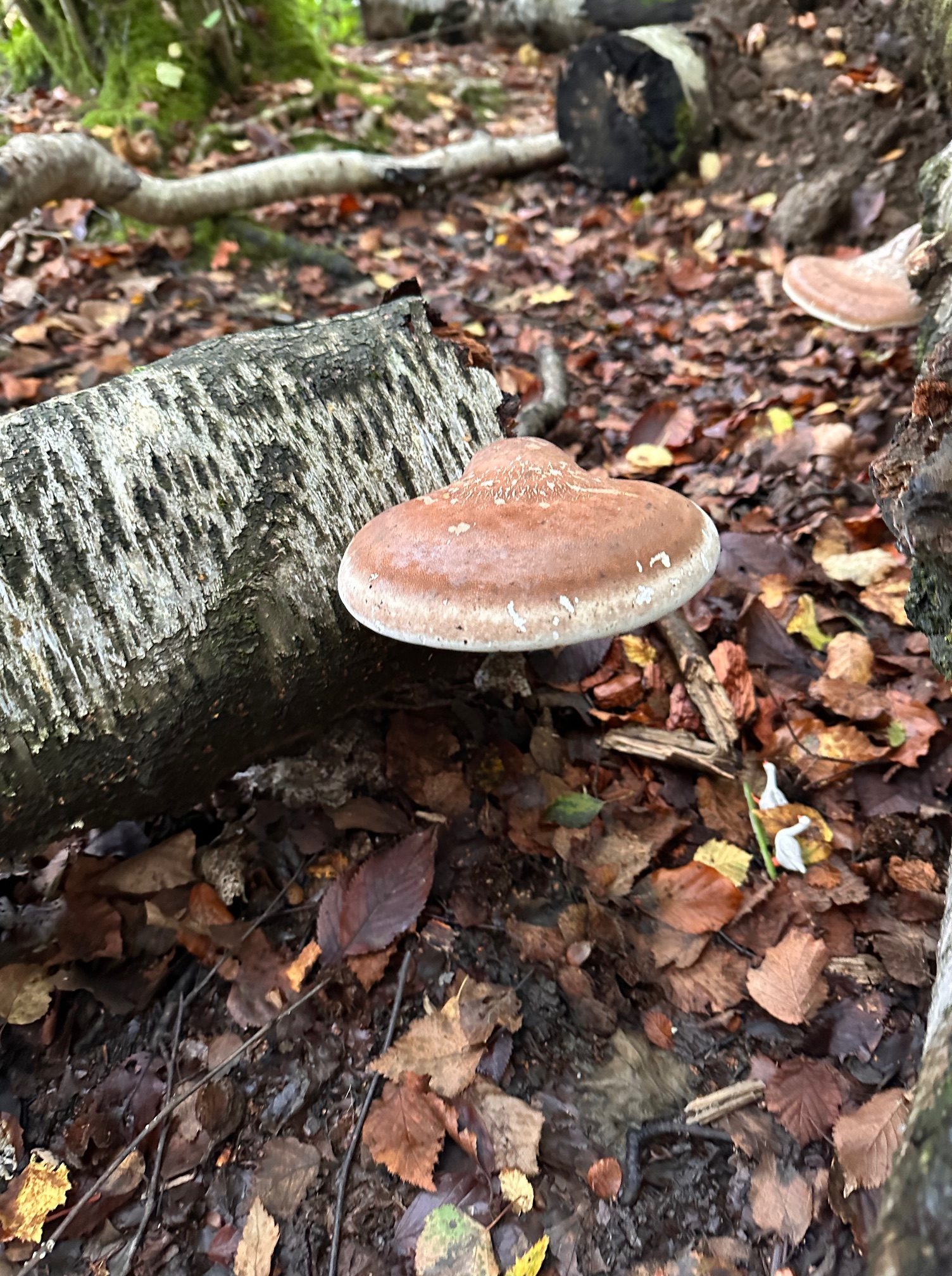
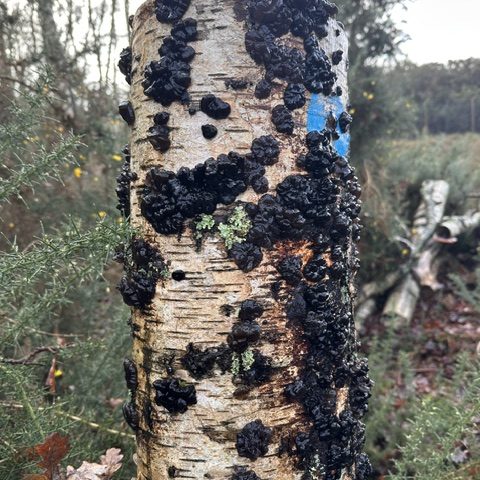
Birch polypore
Reed bunting (J)
Emberiza schoeniclus
Elstead Common, Aug 2026
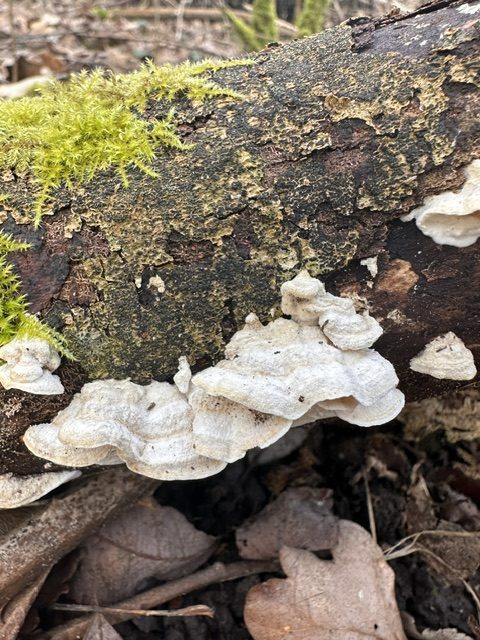
Downy Bracket (Trametes pubescens).
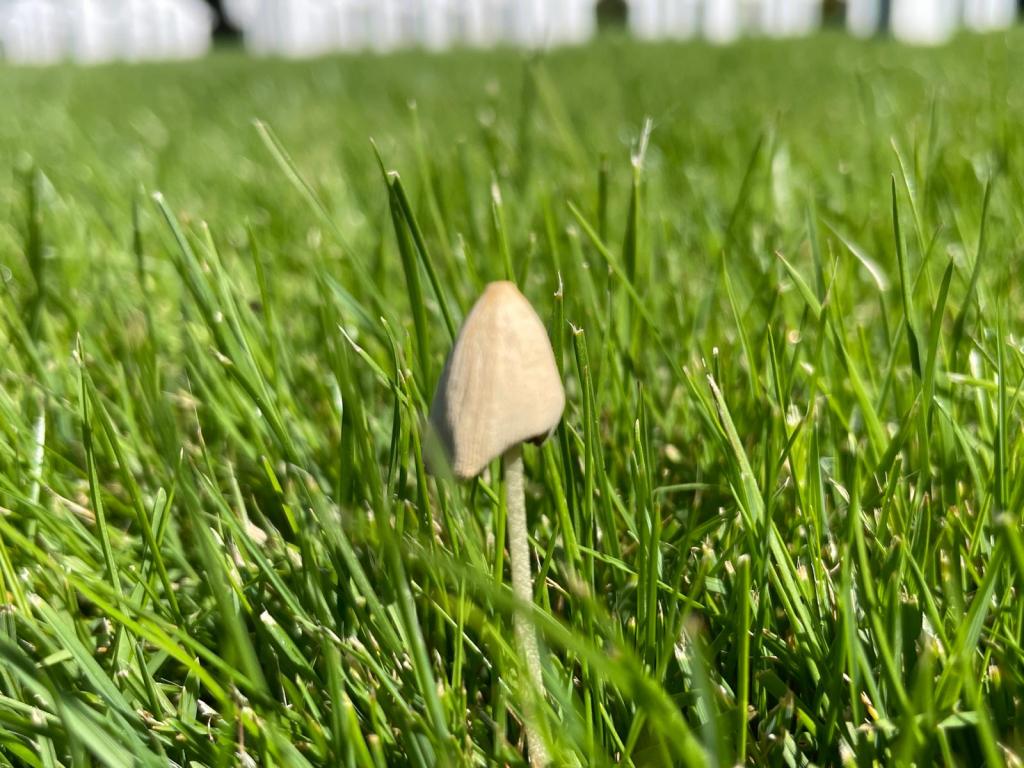
Milky Conecap (Conocybe apala)
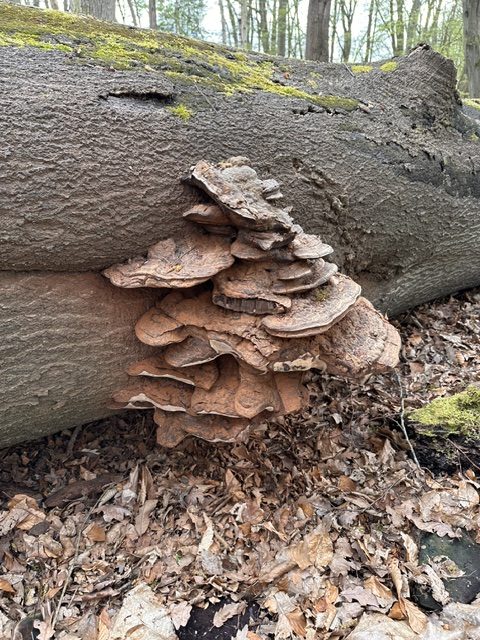
Giant Polypore — Meripilus giganteus
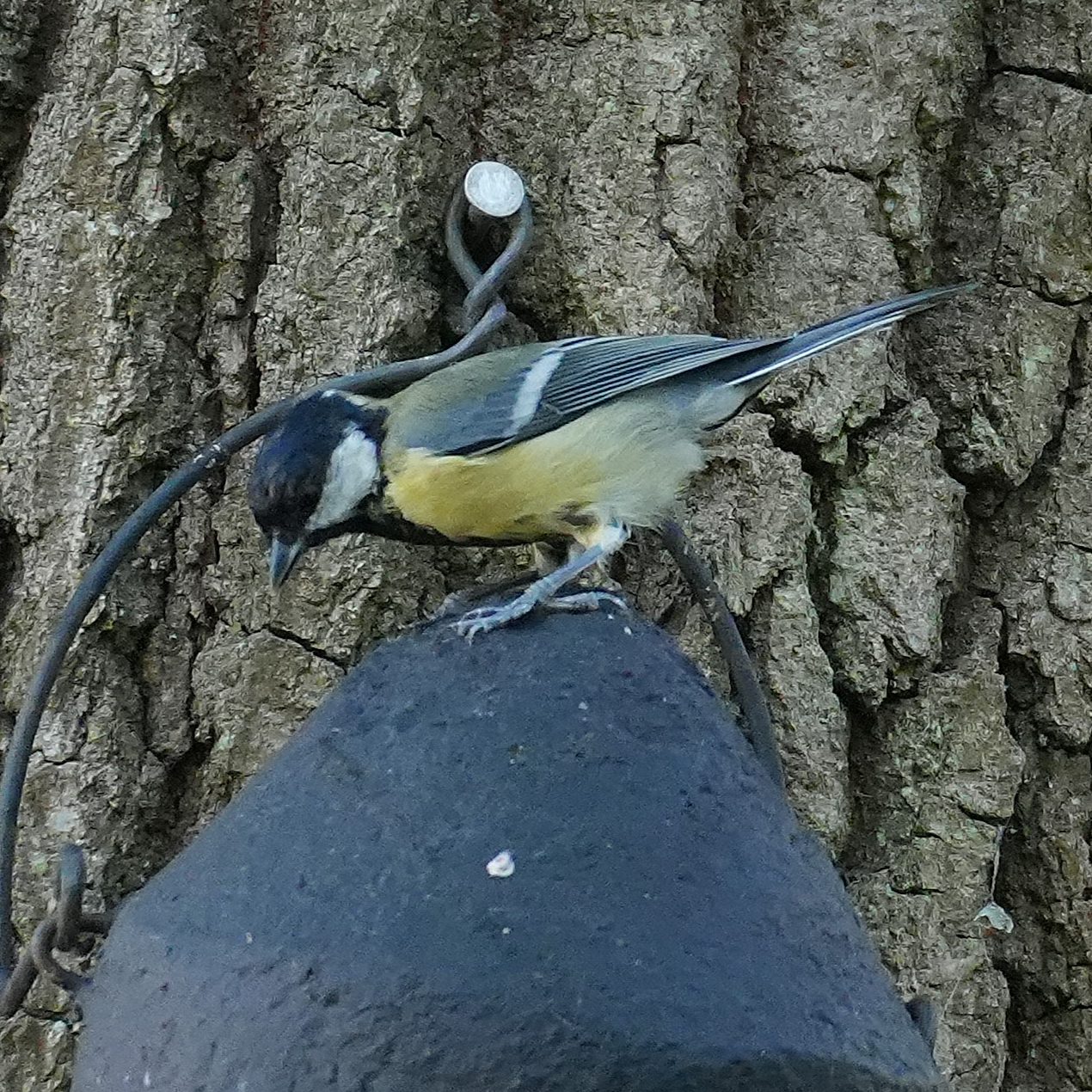
Great Tit
Parus major
Tice’s Meadow, Aug 2026
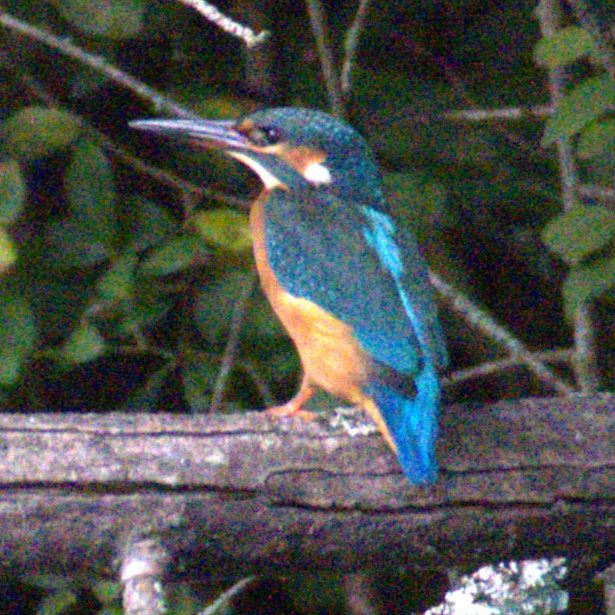
Common Kingfisher
Alcedo atthis
Basingstoke Canal, Aldershot, Sept 2026
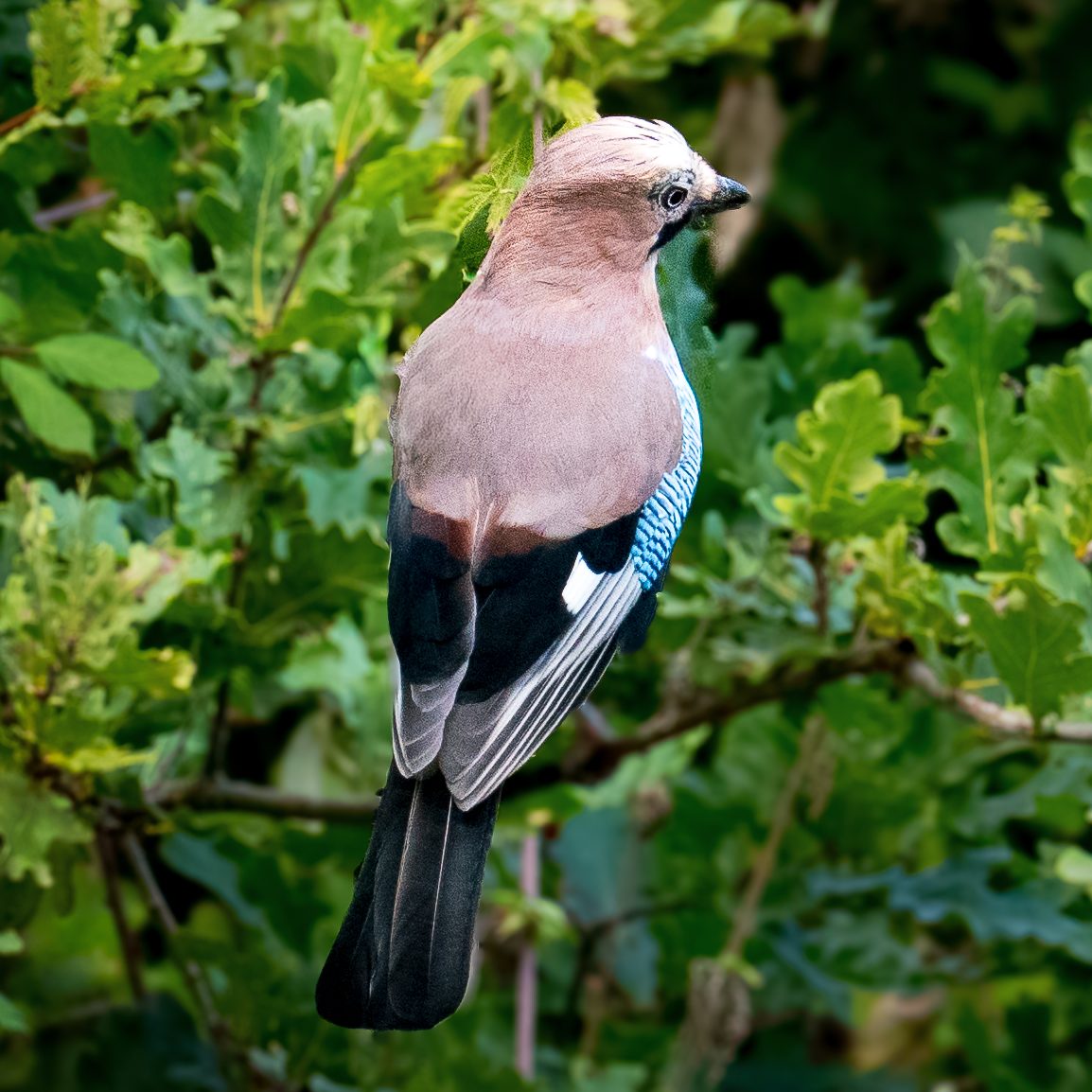
Jay
Garrulus glandarius
Tices meadow, Sept 2026
Lichens are remarkable biological partnerships rather than single organisms, formed through a stable association between a fungus and one or more photosynthetic partners, usually green algae or cyanobacteria (British Lichen Society, 2026). The fungus forms most of the visible body, known as the thallus, while the photosynthetic partner supplies carbon-rich compounds produced through photosynthesis. Some cyanobacteria can also fix atmospheric nitrogen, adding an important nutrient source to the association. Around 20,000 lichen species have been described worldwide, occupying habitats ranging from tree bark and exposed rock to some of the planet’s most extreme environments (Kew, 2020). Ecologically, lichens contribute to rock weathering, soil formation and nutrient cycling, while providing food and microhabitats for other organisms. Because many species respond strongly to atmospheric conditions, lichens are also widely used as bioindicators of air quality and environmental change.
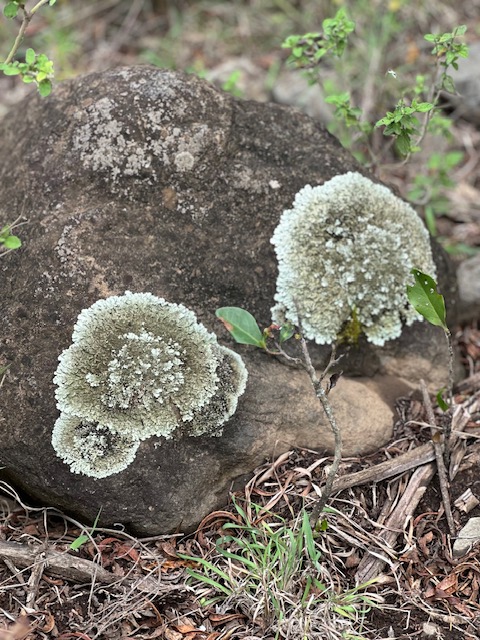
Foliose rock lichen — probably Parmelia
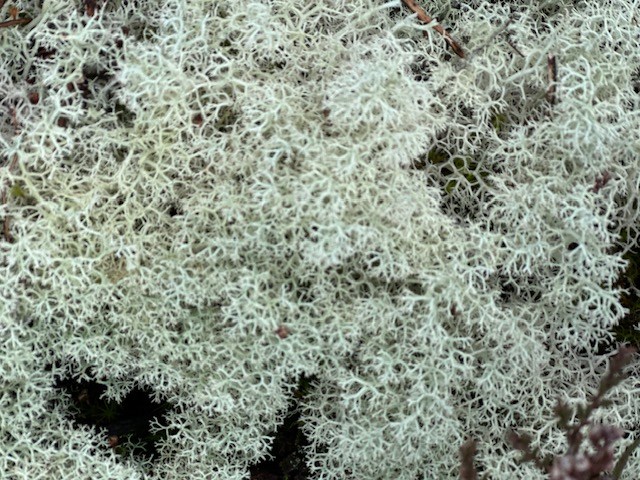
Reindeer lichen — likely Cladonia portentosa
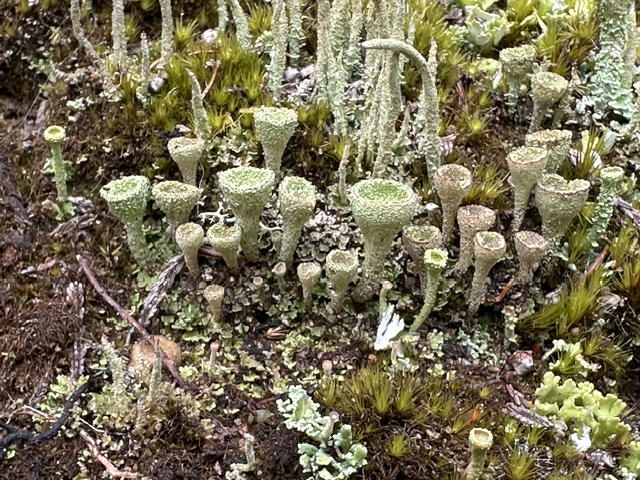
Pixie-cup lichen — Cladonia sp.
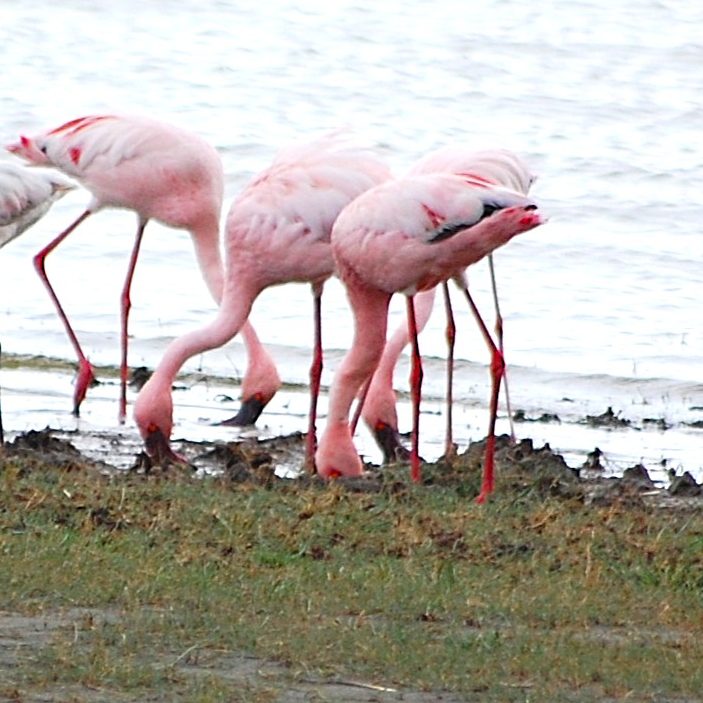
Lesser flamingo
Phoeniconaias minor
(near-threatened)
Ngorogoro crater, Dec 2024
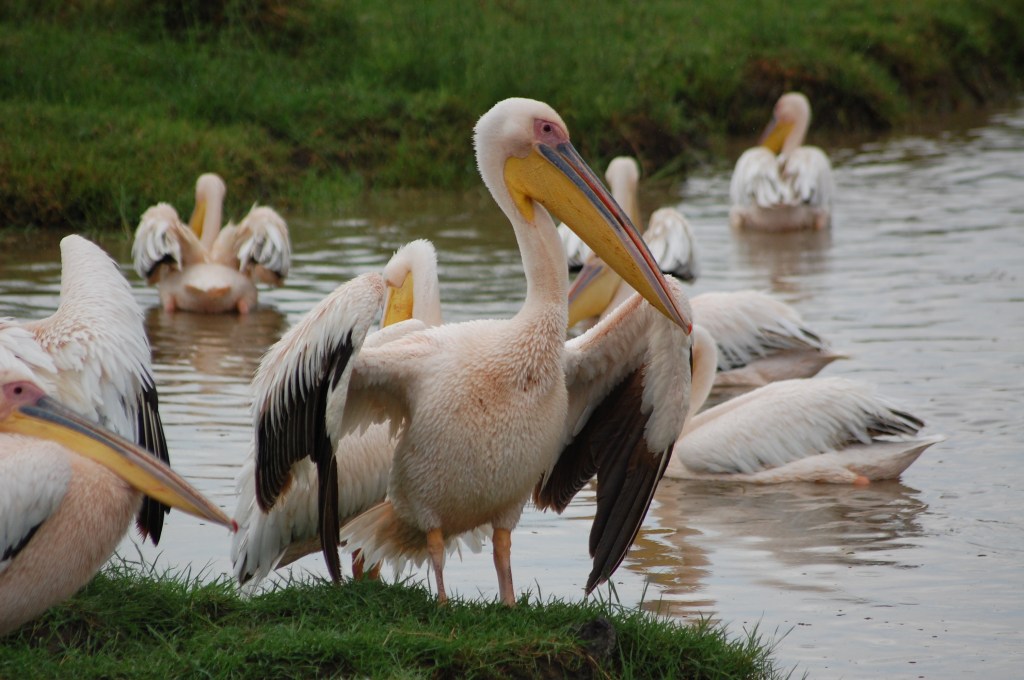
Great White Pelican
Pelecanus onocrotalus
Ngorogoro crater, Dec 2024
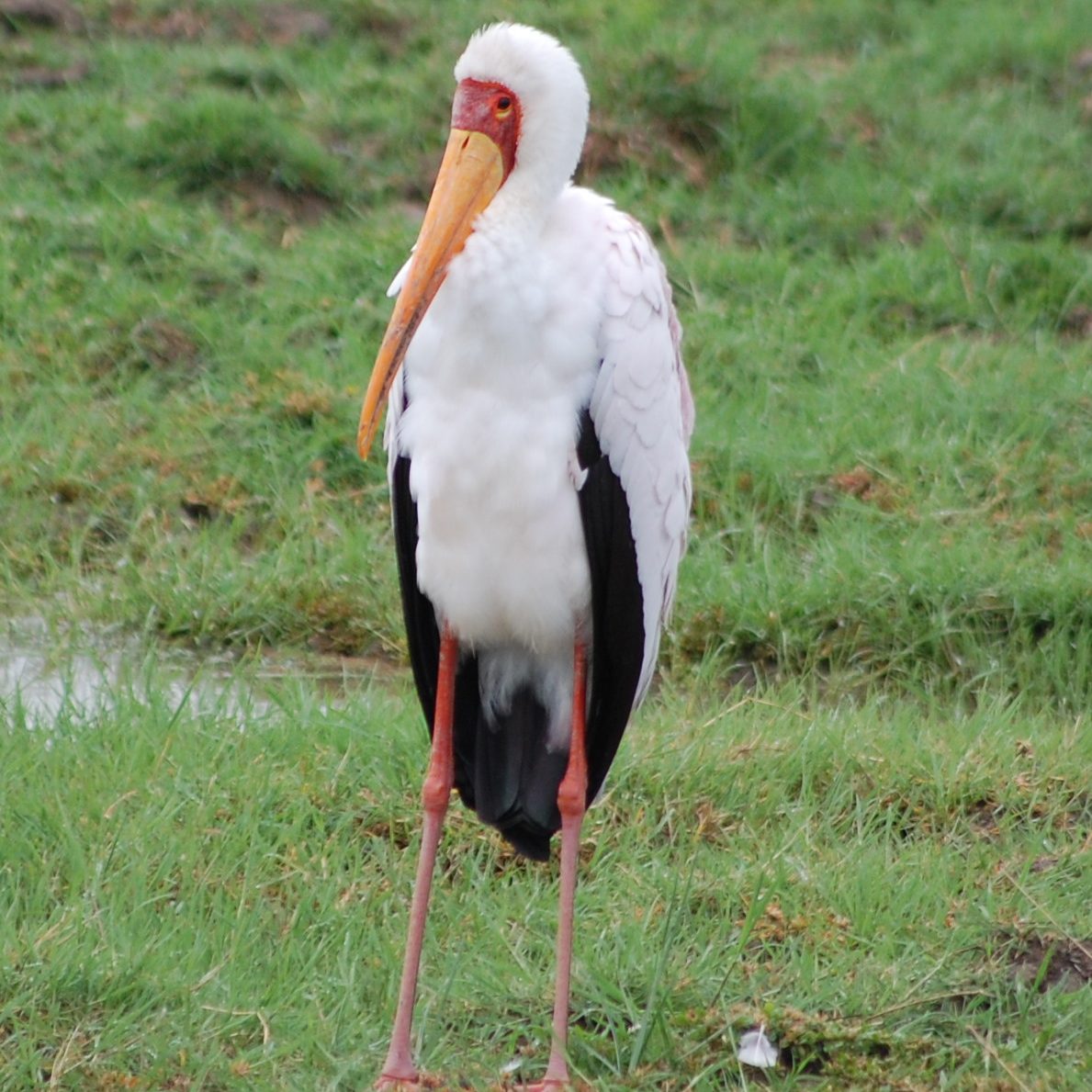
Yellow-billed Stork
Mycteria ibis
Ngorogoro crater, Dec 2024
Mosses are small non-vascular plants belonging to the bryophytes, an ancient group that also includes liverworts and hornworts. Unlike flowering plants, mosses reproduce by spores rather than seeds and lack true roots, instead using fine structures called rhizoids primarily to anchor themselves to soil, rock, bark and other surfaces (Kew, 2020; British Bryological Society, 2021). More than 700 species of moss occur in the UK, ranging from delicate woodland species to dense cushions capable of surviving remarkably exposed conditions (RHS, 2026). Their highly absorbent structure enables mosses to retain considerable amounts of water, helping to maintain humidity, regulate moisture and create microhabitats for numerous small organisms. Mosses can also colonise bare substrates and contribute to the gradual development of soils and new ecosystems, making these easily overlooked plants an important component of woodland, wetland and other terrestrial habitats.
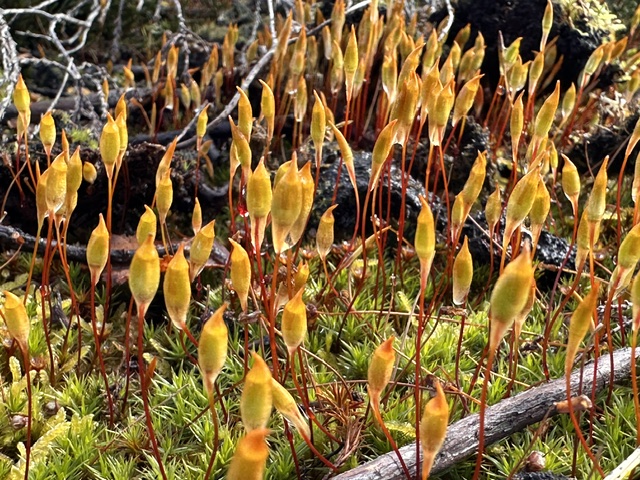
Moss with sporophytes
Goshawk
Central Serengeti, Dec 2024
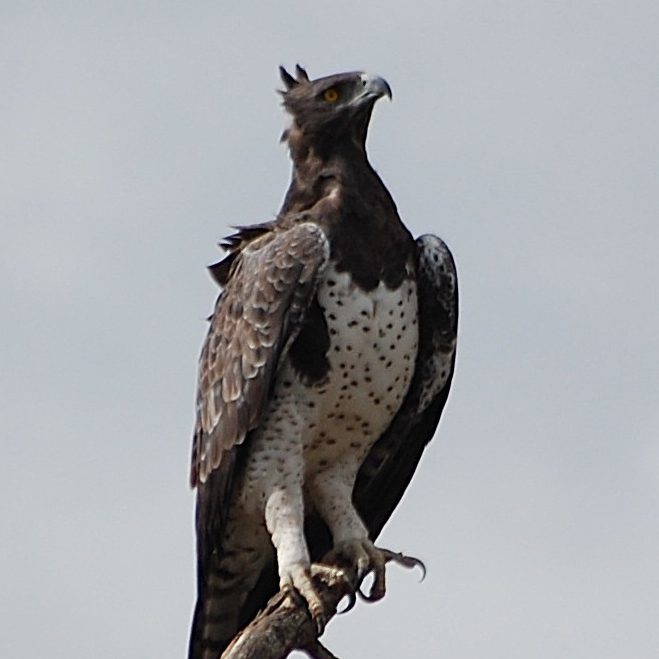
Martial Eagle
Polemaetus bellicosus
Central Serengeti, Dec 2024
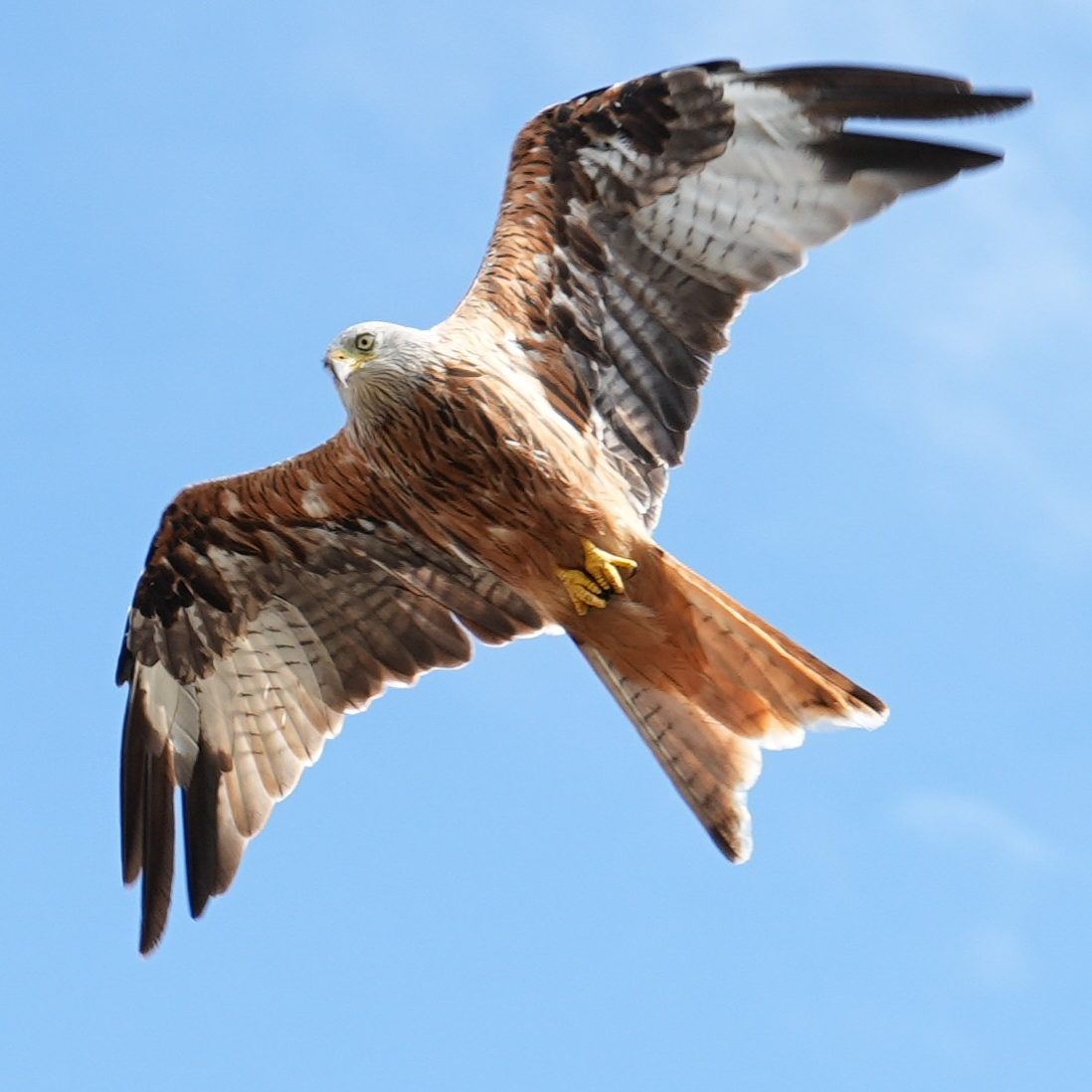
Red kite (J)
Milvus milvus
Gillian Avenue, Aldershot, Jul 2026
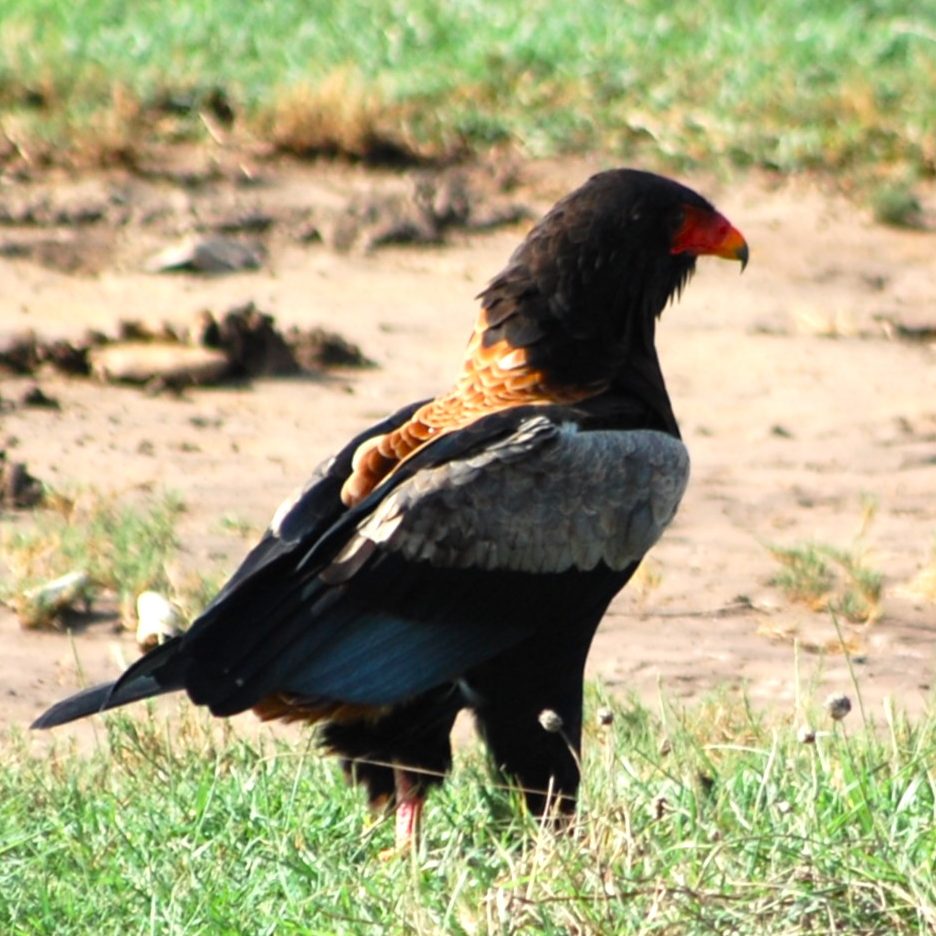
Bateleur
Terathopius ecaudatus
Central Serengeti, Dec 2024
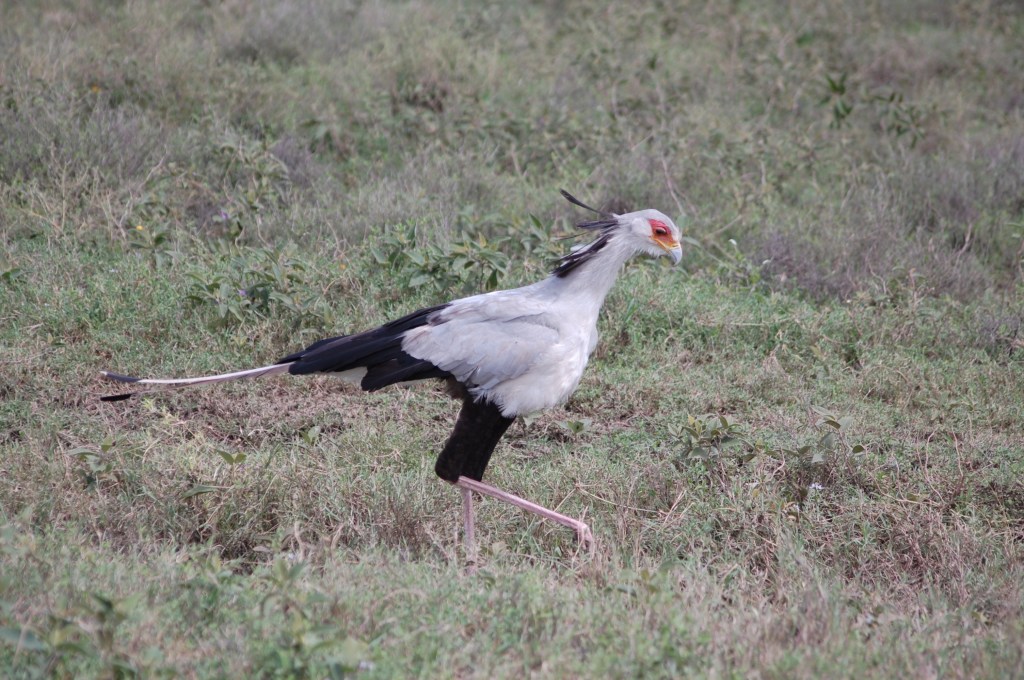
Secretary Bird
Sagittarius serpentarius
Central Serengeti, Dec 2024
 Badger Ecology