
Invertebrates
Explore the invertebrates I have encountered and documented over the years. Species are arranged into taxonomic groups, with photographs, dates and locations.
The “scaly-winged” order — the name literally comes from the scales: both pairs of wings are covered in thousands of tiny overlapping scales that produce the colour patterns (Perveen & Khan, 2017; Robinson, 2009). Butterflies and moths share the same basic plan — coiled proboscis for sipping liquids, complete metamorphosis through egg, caterpillar and pupa (Robinson, 2009) — and are told apart mainly by habit: butterfly antennae are clubbed at the tip and they rest with wings folded vertically, while moths usually have thread-like or feathery antennae and hold their wings rooflike over the body (Robinson, 2009). Note that “butterfly” and “moth” are informal divisions of one order, not separate families.
Butterflies (Adult and lava)
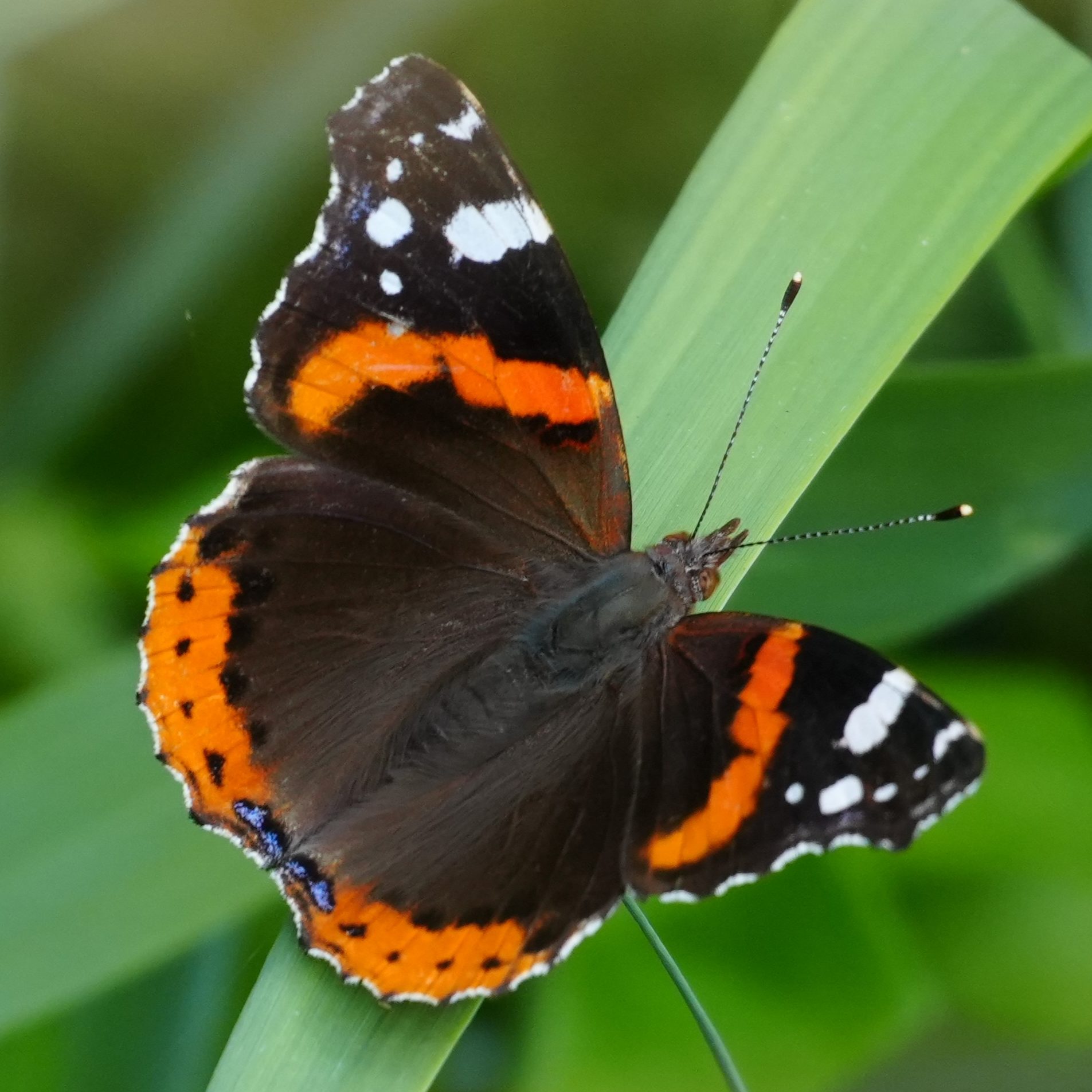
Red Admiral
Vanessa atalanta
Church Crookham, 2016
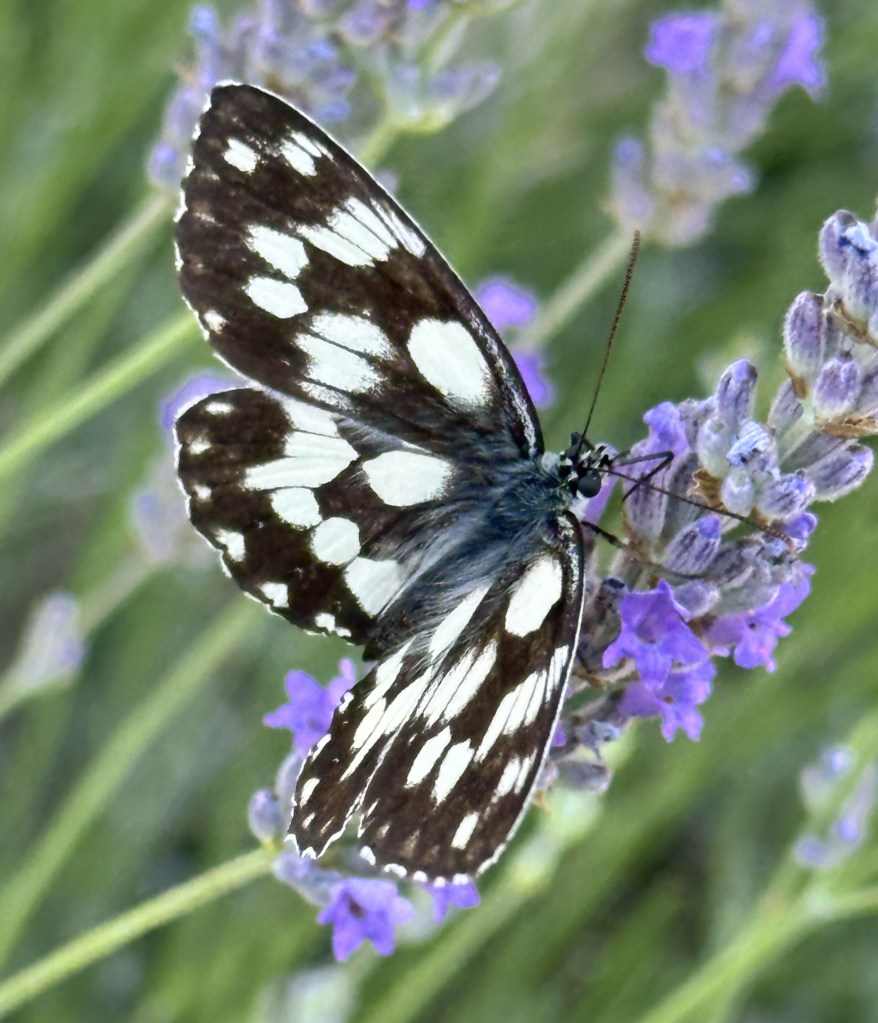
Marbled white
Melanargia galathea
Krka Valley, Croatia: Jun 2026
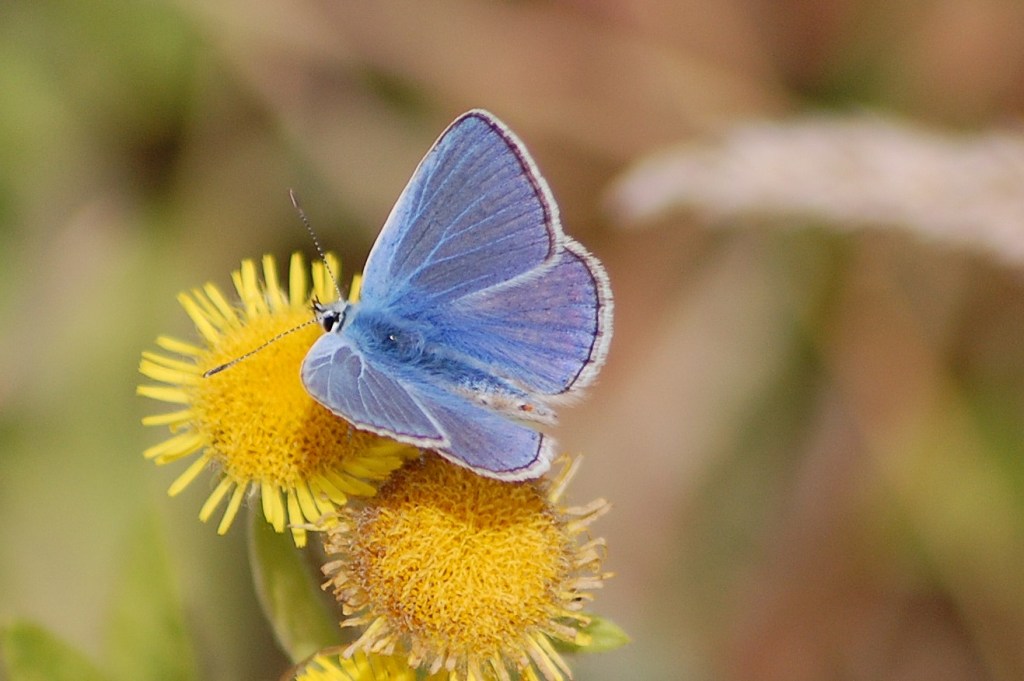
Common Blue (M)
Polyomatus icarus
Runfold, Jul 2026
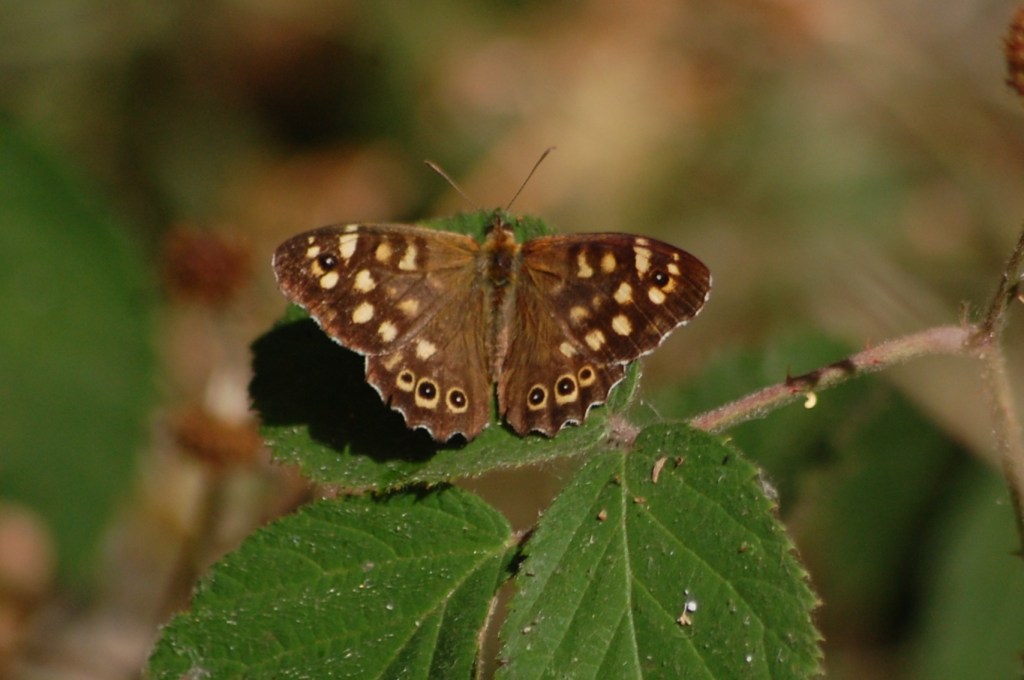
Speckled wood
Pararge aegeria
Tice’s Meadow, Jun 2026
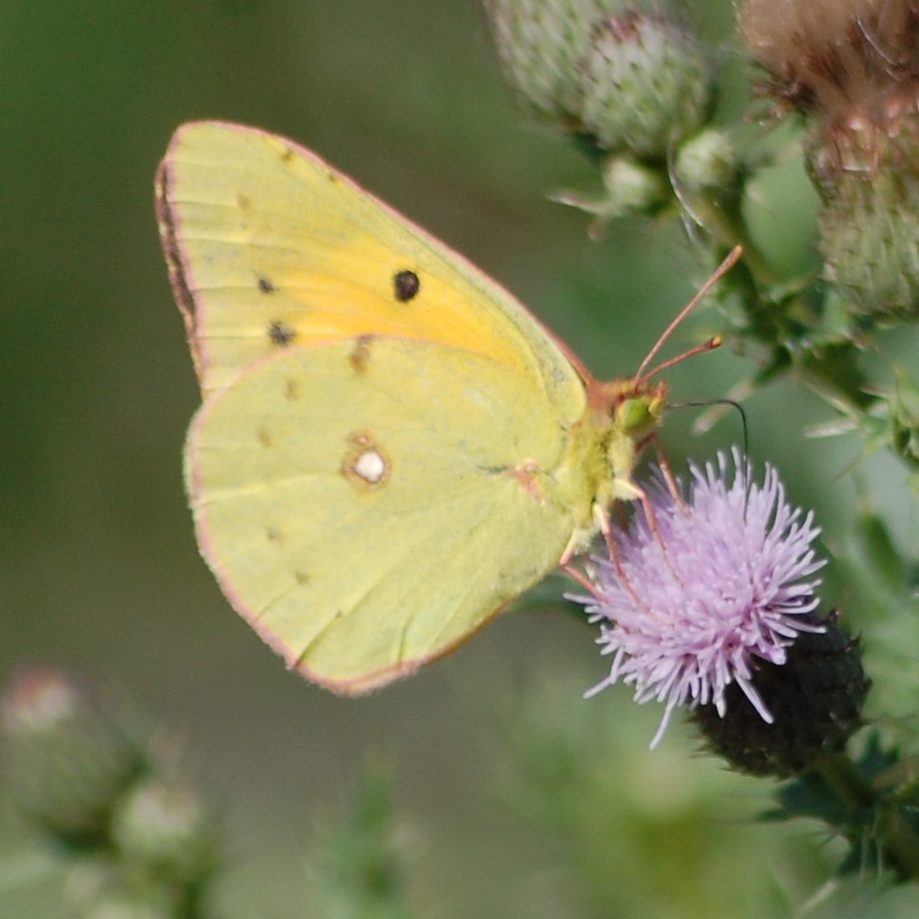
Clouded Yellow
Genus Golias
Tice’s Meadow: July 2026
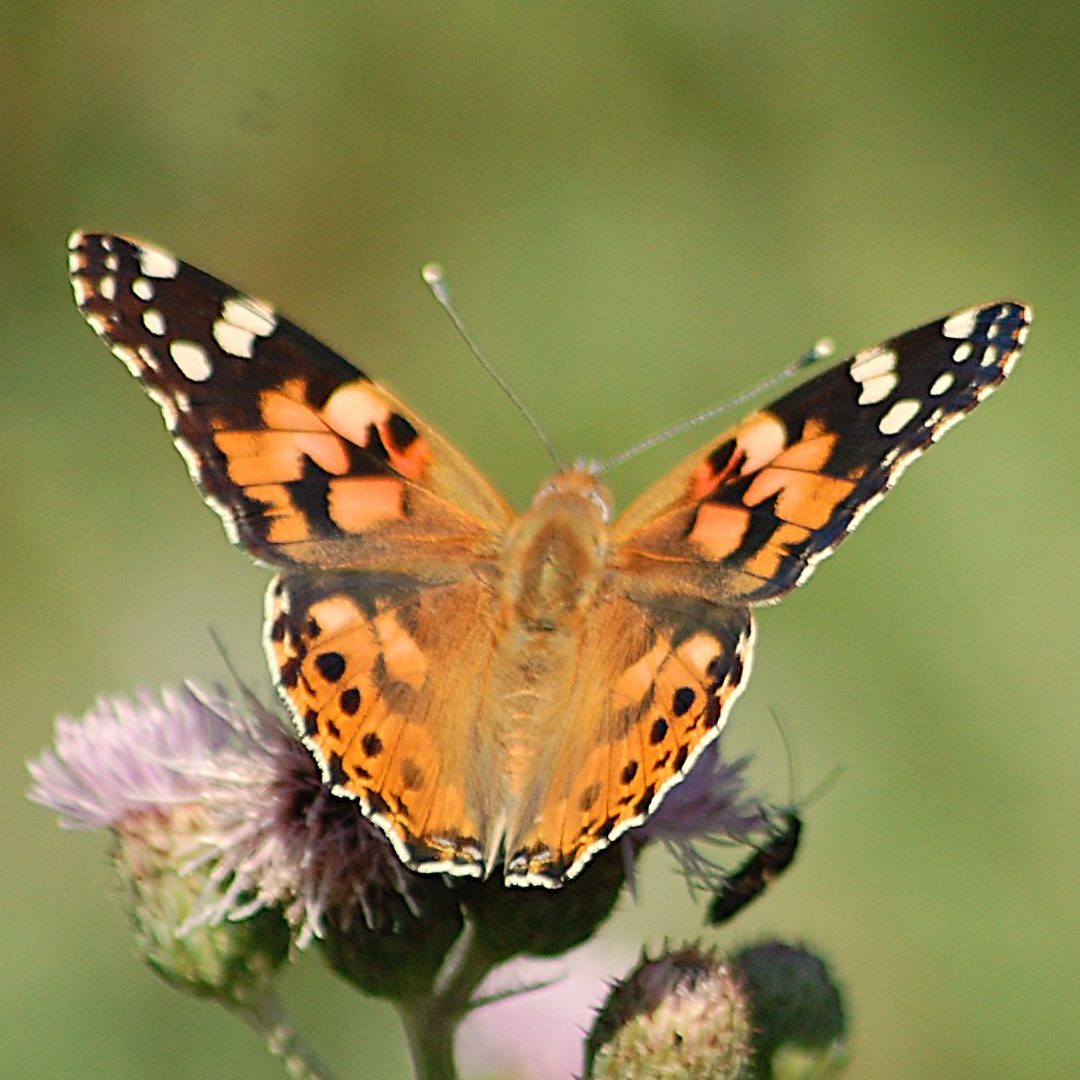
Painted Lady
Vanessa cardui
UK, Tice’s Meadow: July 2026
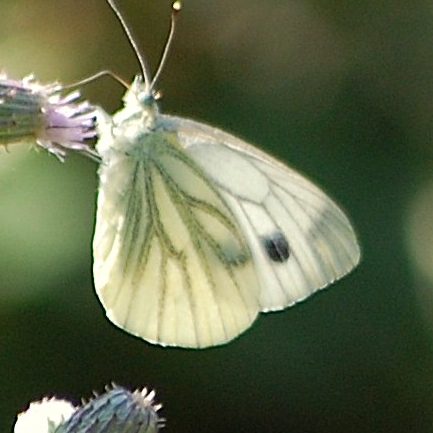
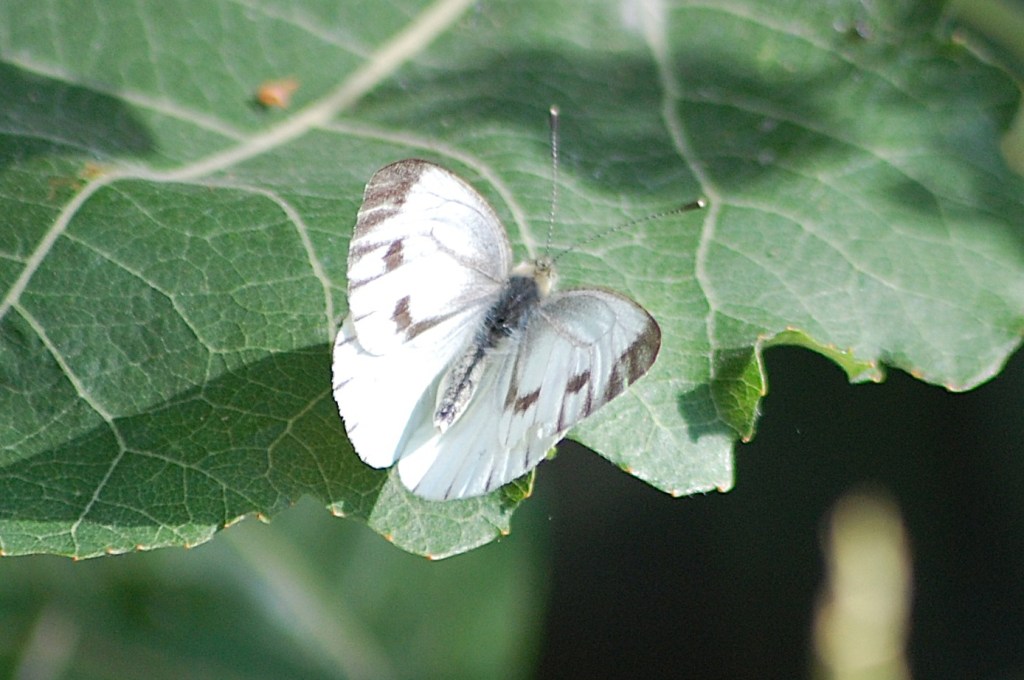
Green-veined White
Pieris napi
Tice’s Meadow: July 2026
Small White
Pieris rapae
Tice’s Meadow: July 2026
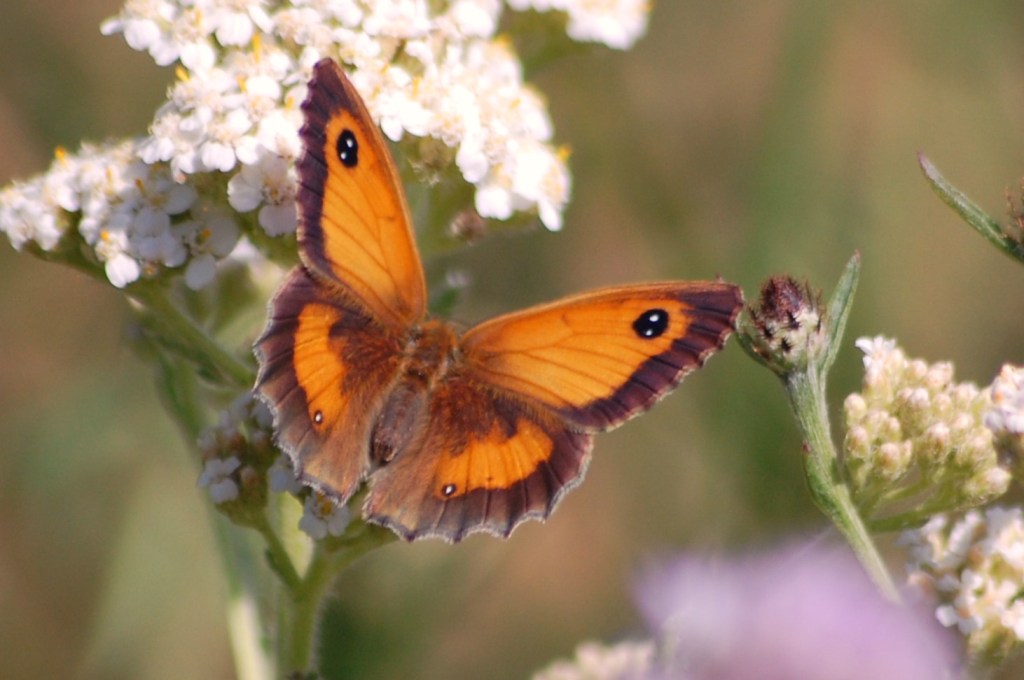
Gate Keeper
Pyronia tithonus
Tice’s Meadow, Jun 2026
Tice’s Meadow, Jun 2026
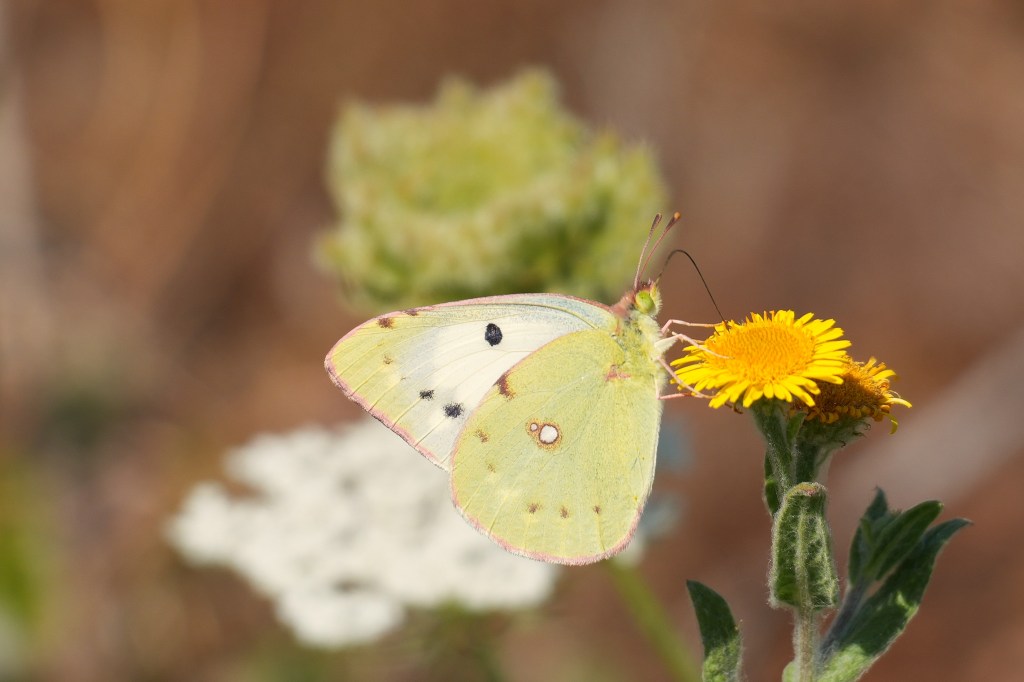
Clouded Yellow (Helice)
Genus Golias
Tice’s Meadow: July 2026
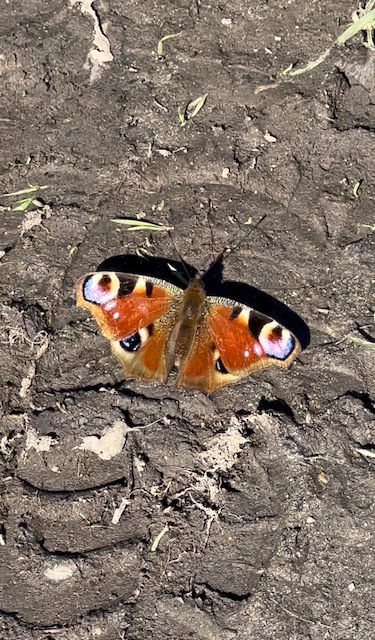
Peacock
Aglais io
Tice’s Meadow, Apr 2026
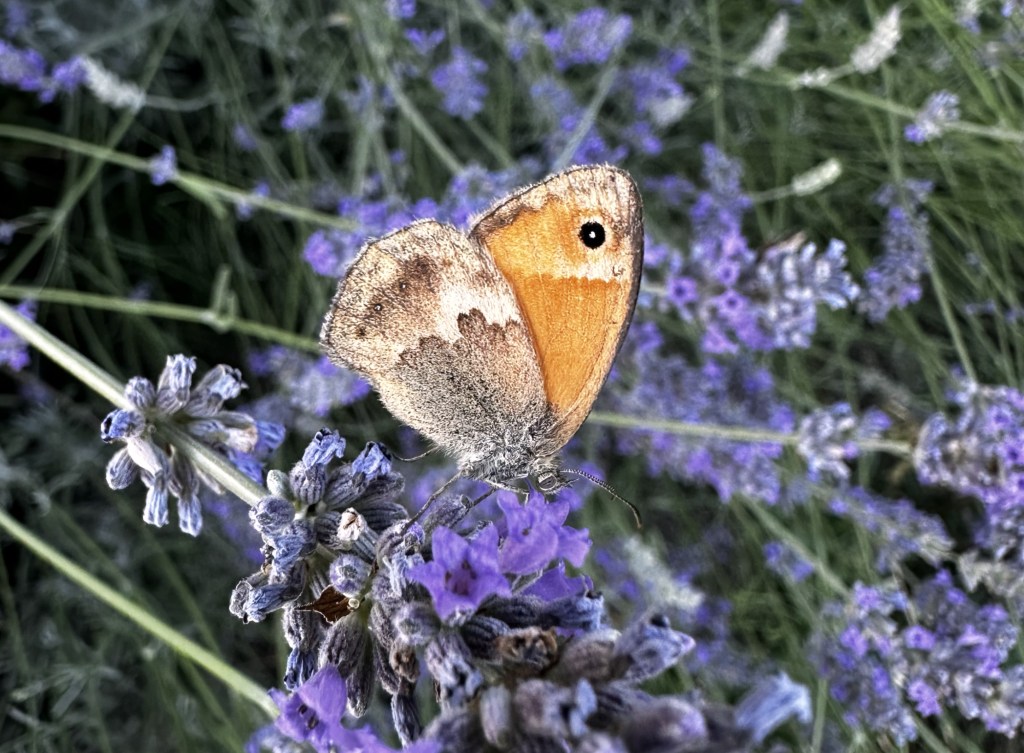
Small heath
Coenonympha pamphilus
Krka Valley, Croatia: Jun 2026
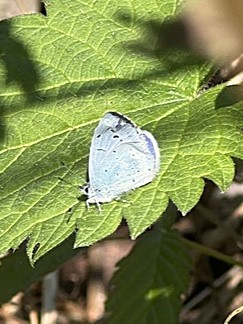
Holly Blue
Celastrina argiolus
Tice’s Meadow, Apr 2026
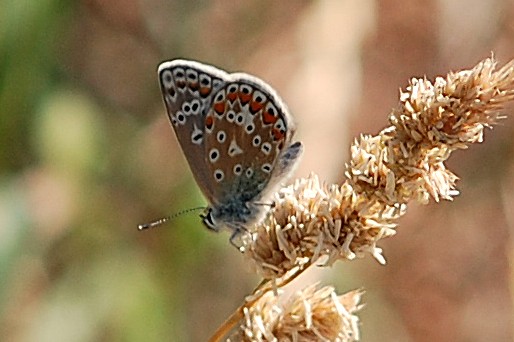
Brown Argus
Aricia agestis
Krka Valley, Coratia, June 2026
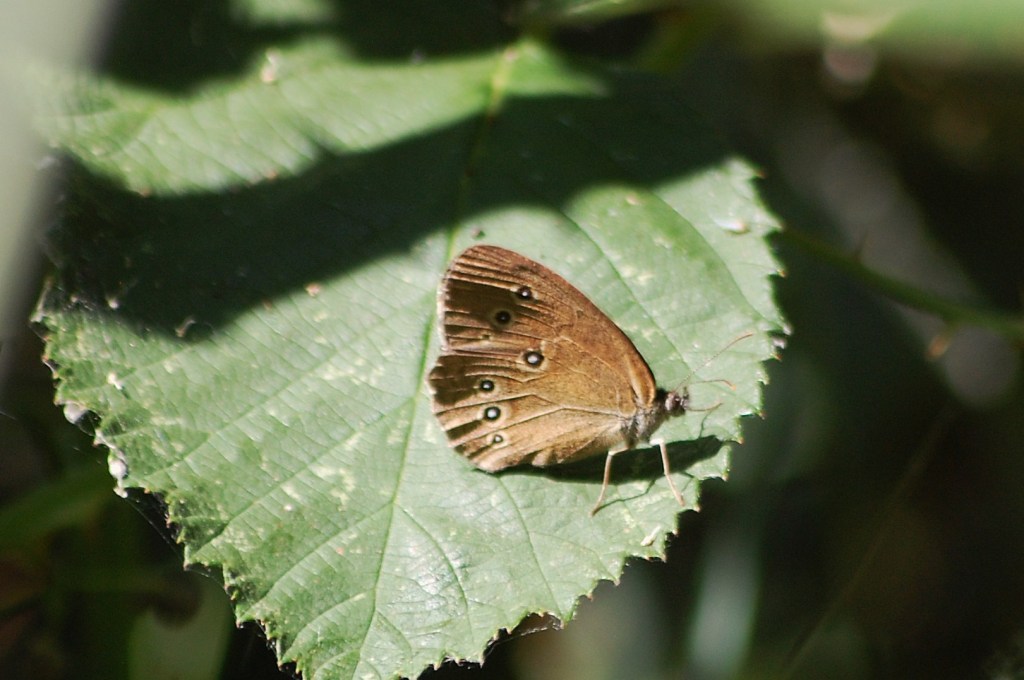
Ringlet
Aphantopus hyperantus
Tice’s Meadow: July 2026
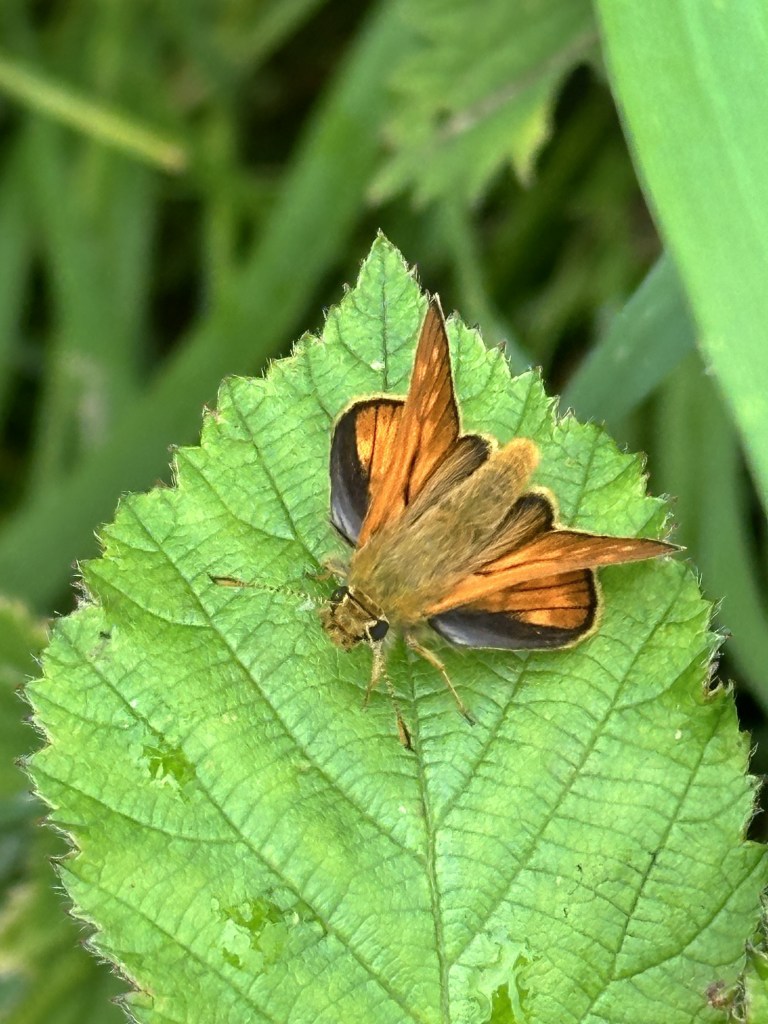
Large Skipper
Ochlodes sylvanus
Tice’s Meadow, July 2026
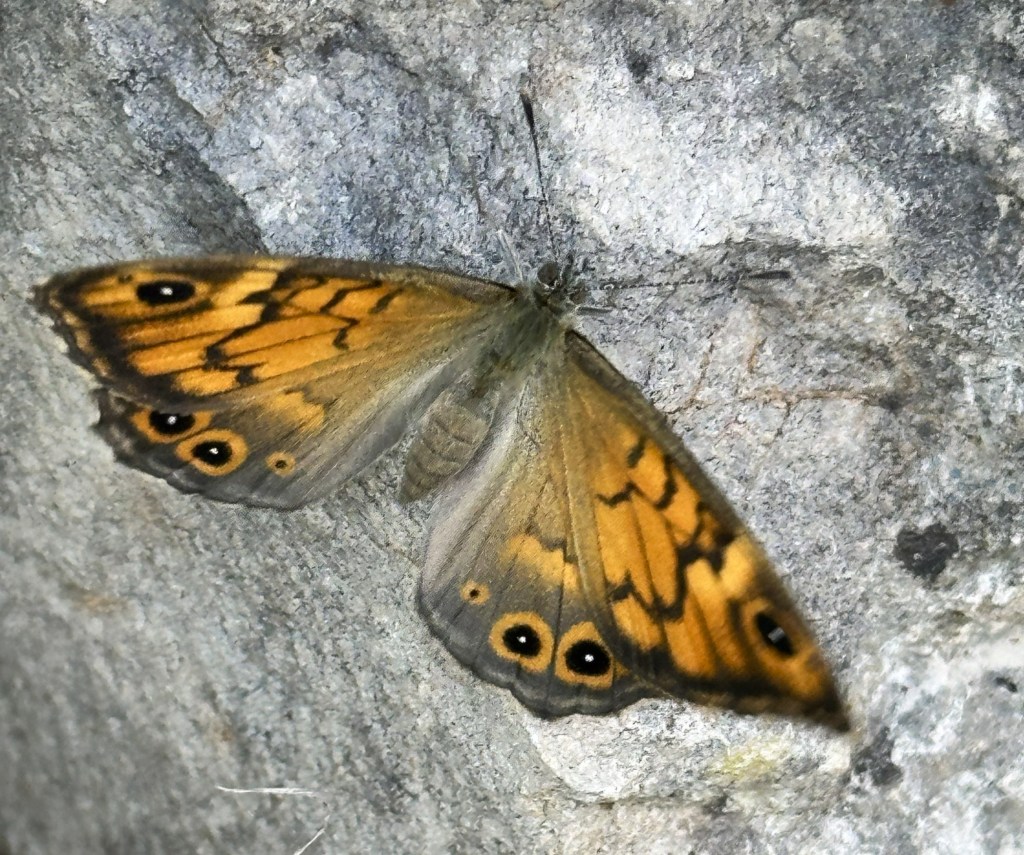
Wall Brown
Lasiommata megera
Krka Valley, Croatia, Jun 2026
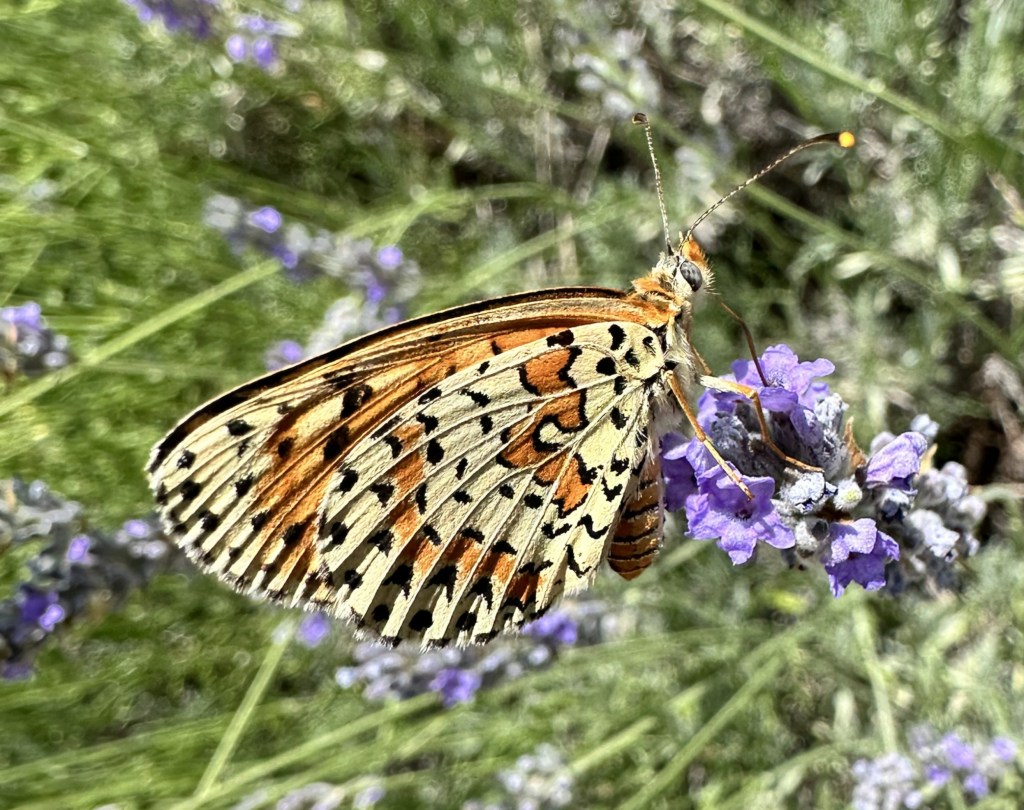
Spotted Fritillary
Krka Valley, Croatia: Jun 2026
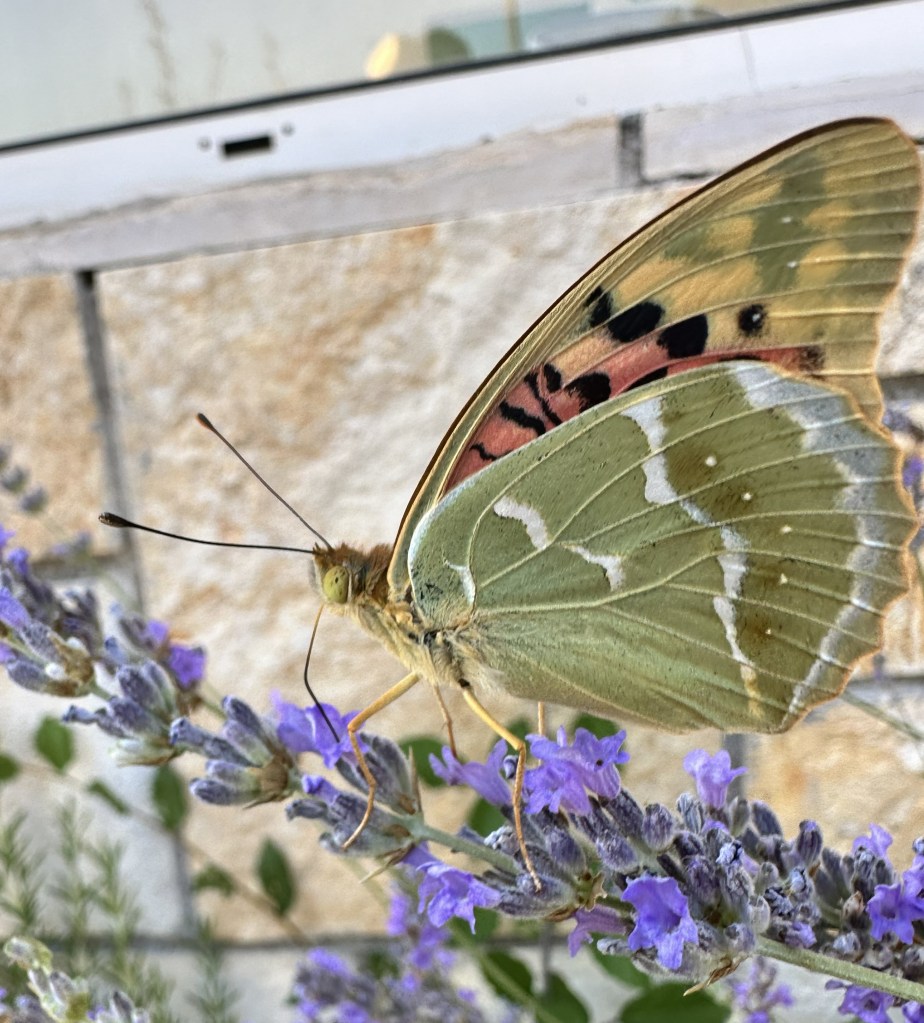
Cardinal Butterfly
Argynnis pandora
Krka Valley, Croatia: Jun 2026
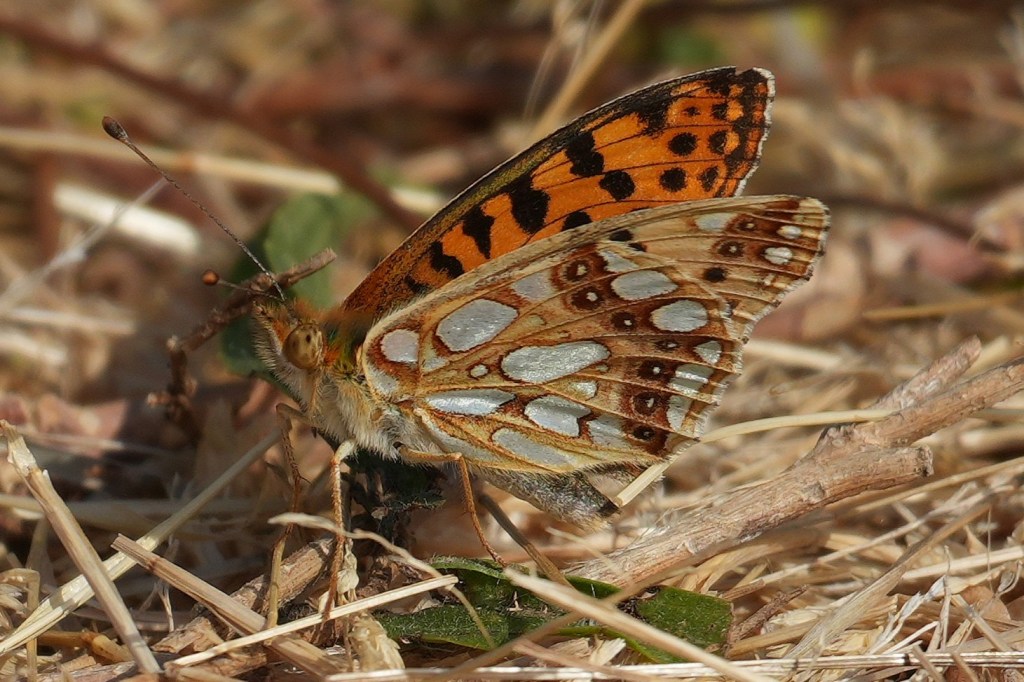
Queen of Spain Fritillary
Issoria lathonia
Hampshire, 14 Aug 2026
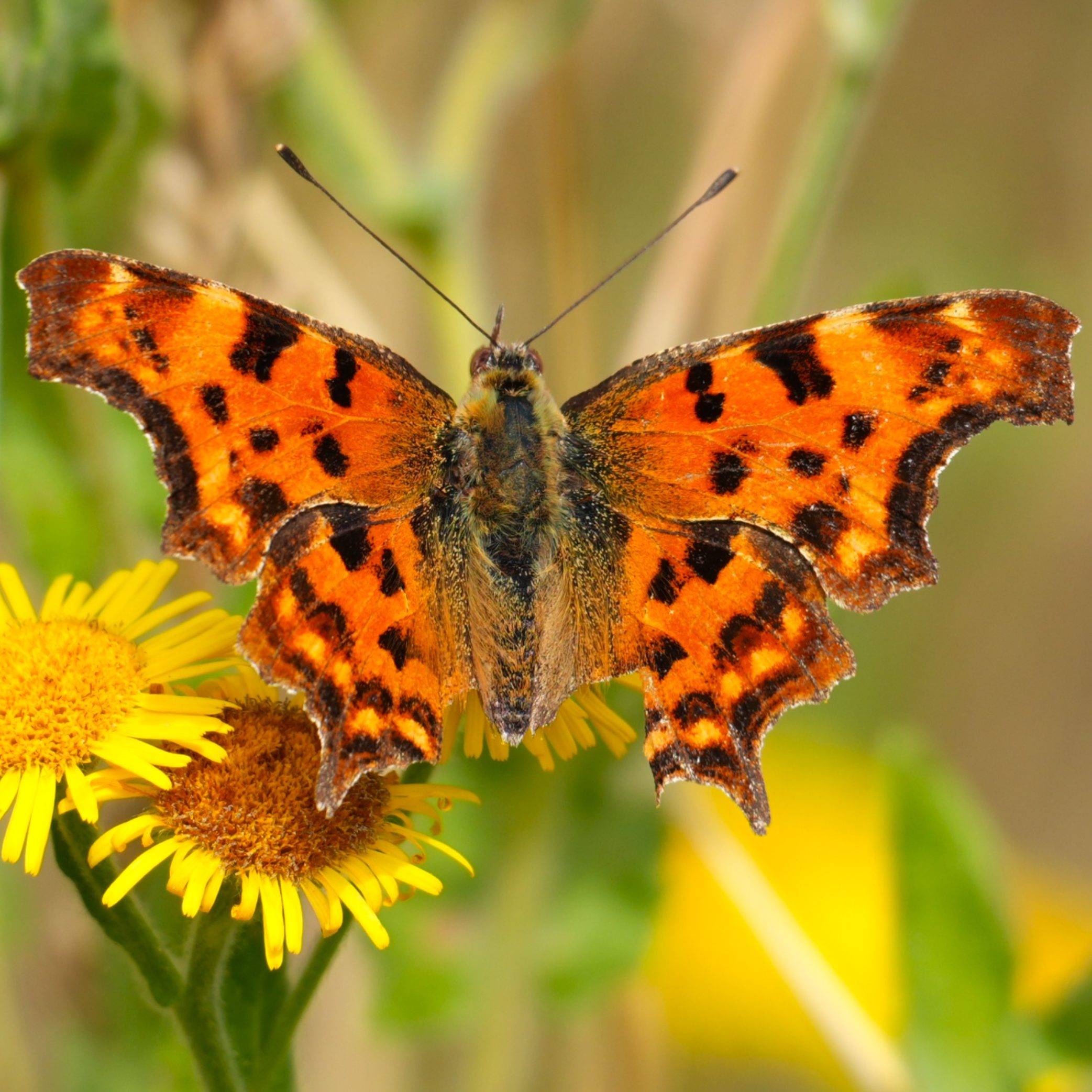
Comma
Polygonia c-album
Tice’s Meadow, Jun 2026
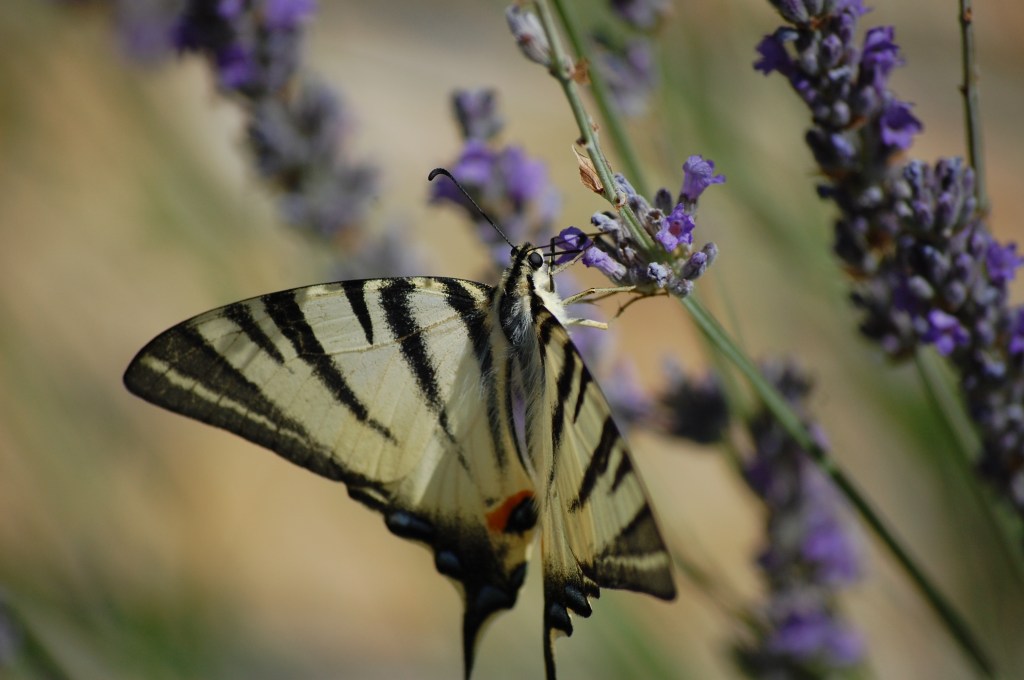
Scarce Swallow Tail
Iphiclides podalirius
Krka Valley, Croatia: Jun 2026
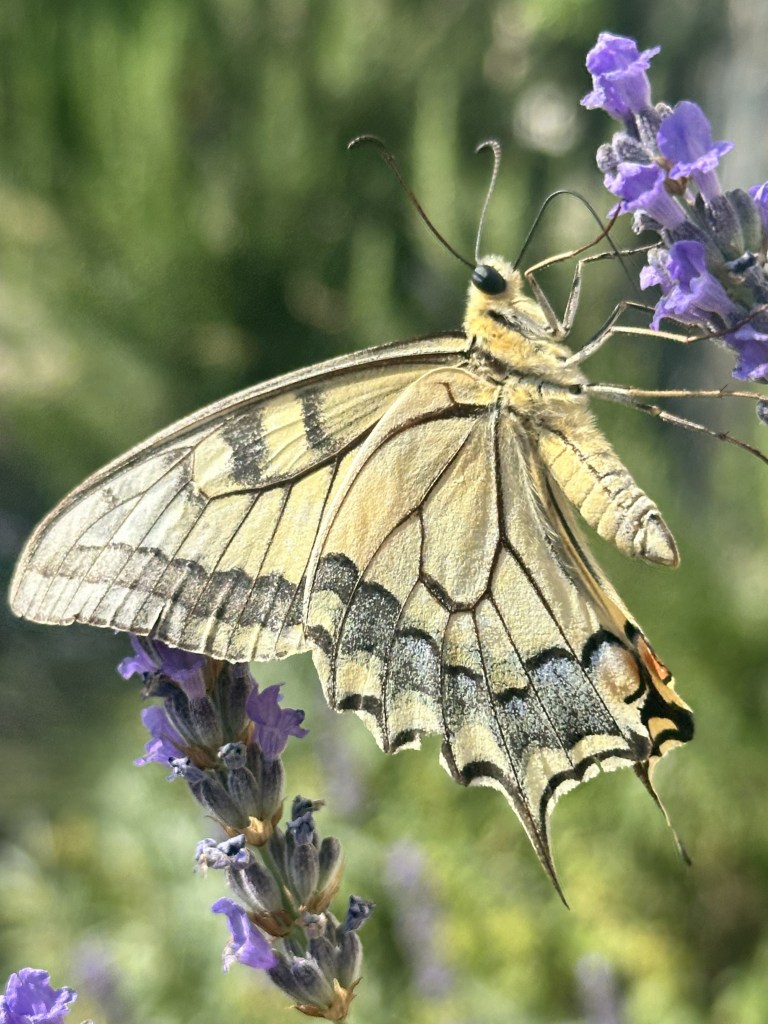
Old world Swallowtail
Papilio machaon
Krka Valley, Croatia: Jun 2026
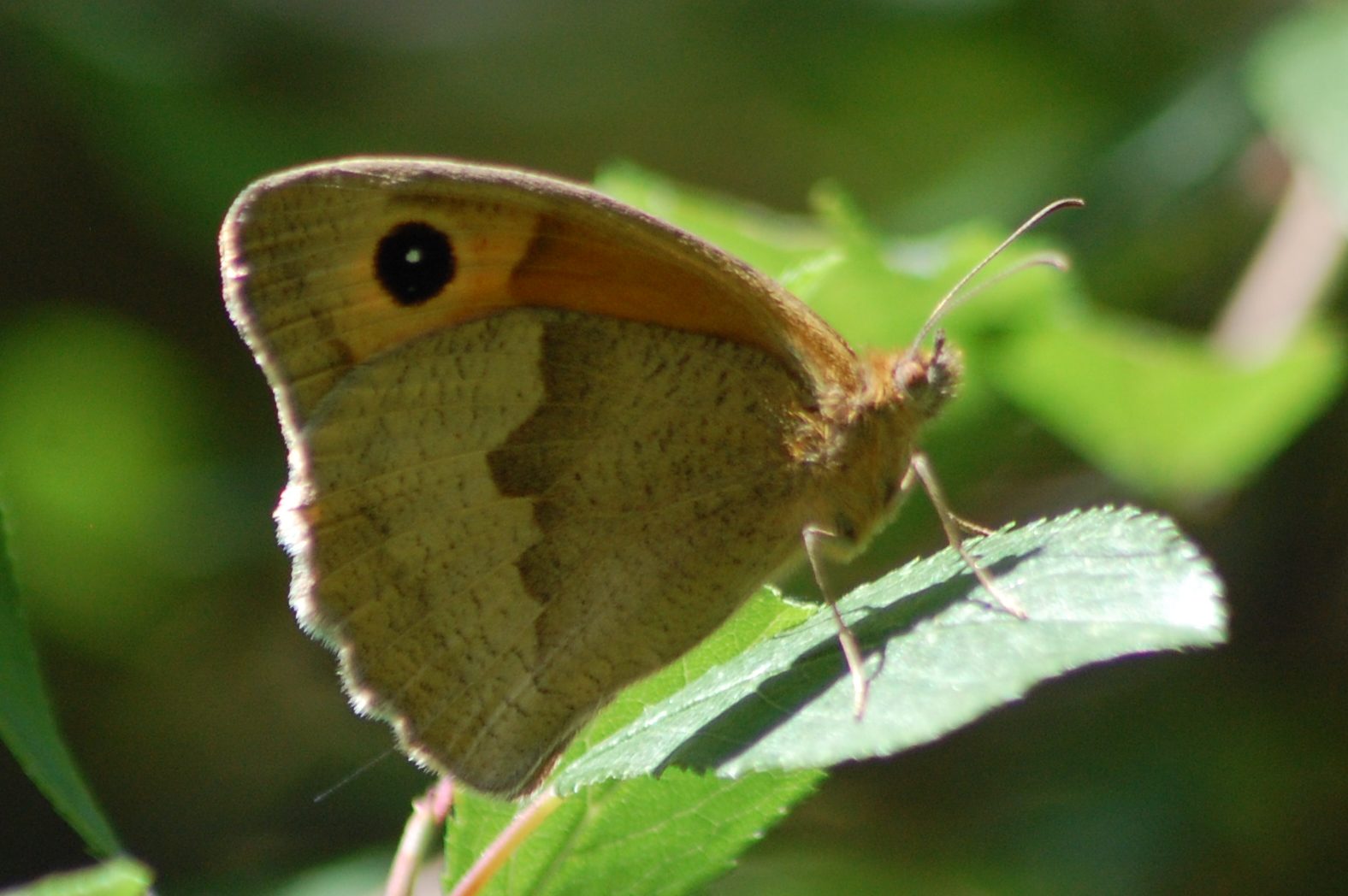
Meadow Brown
Maniola jurtina
Tice’s Meadow: July 2026
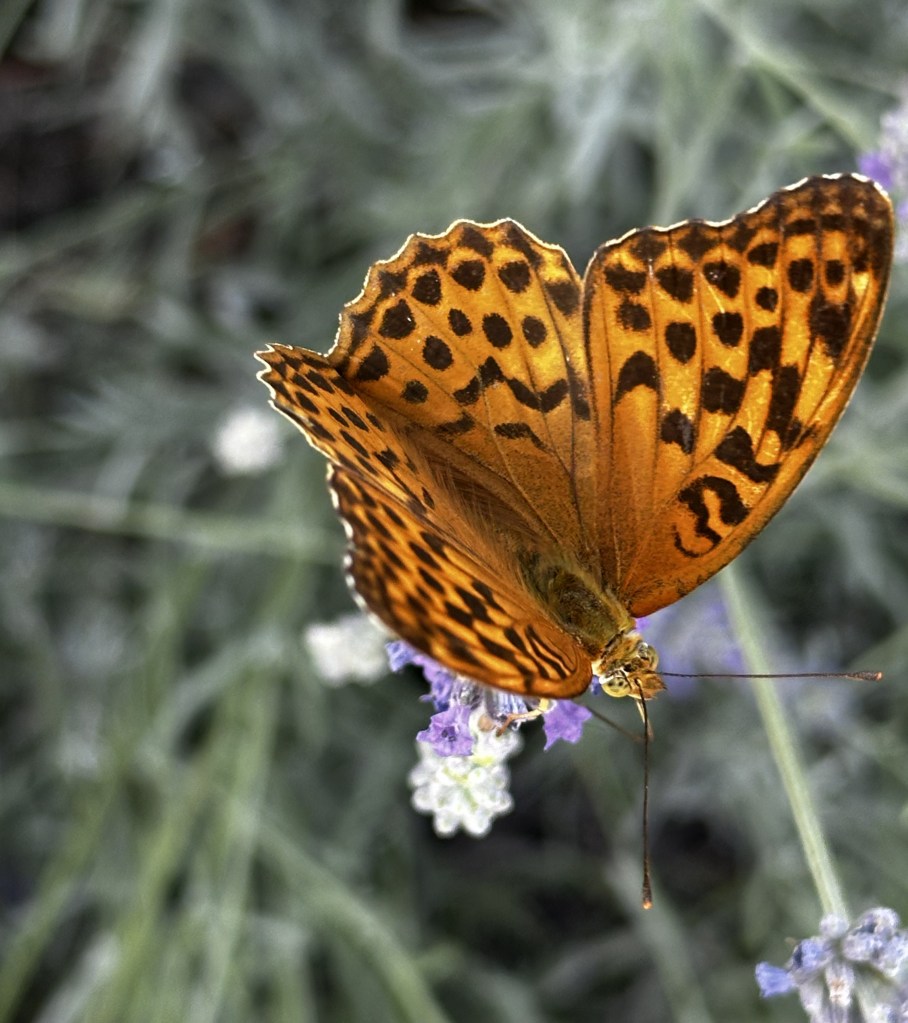
Silver-washed Fritillary
Argynnis paphia
Krka Valley, Croatia: Jun 2026
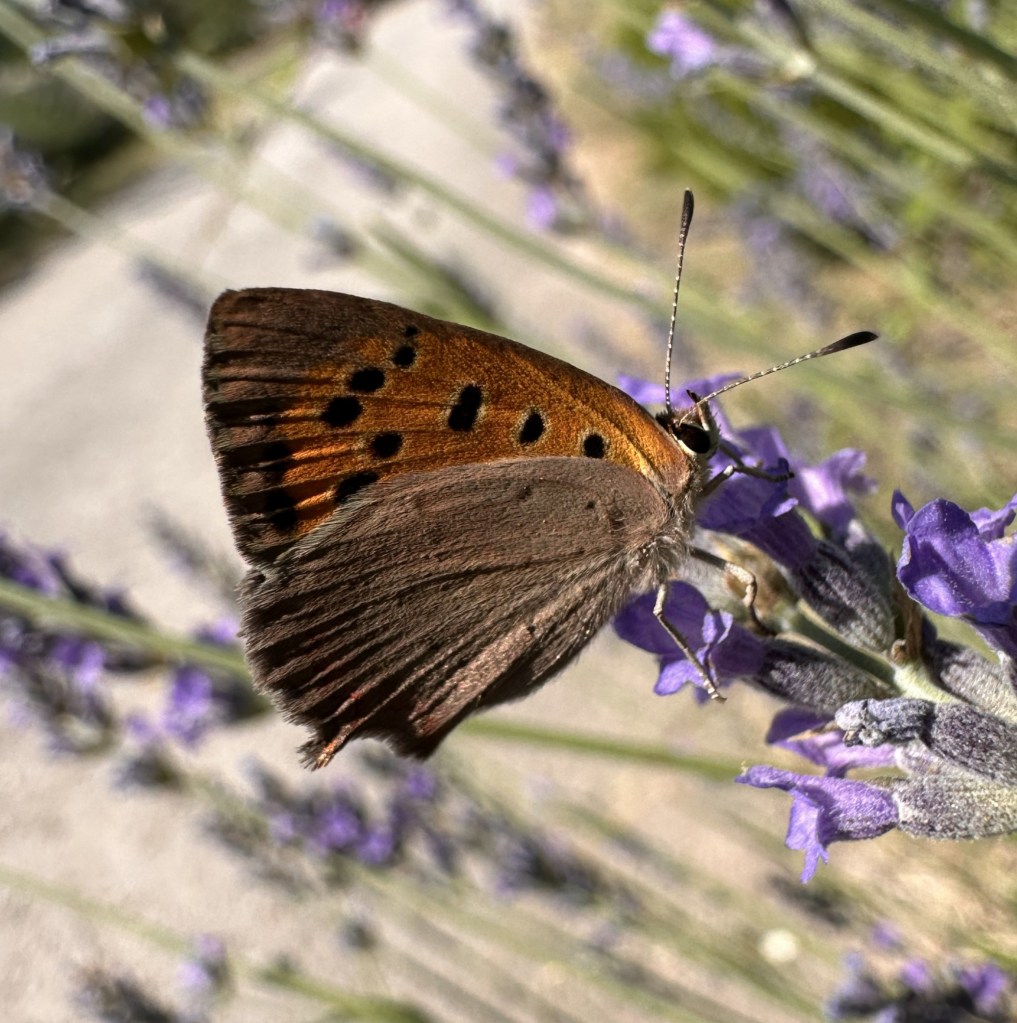
Small Copper
Lycaena phlaeas
Krka Valley, Croatia: Jun 2026
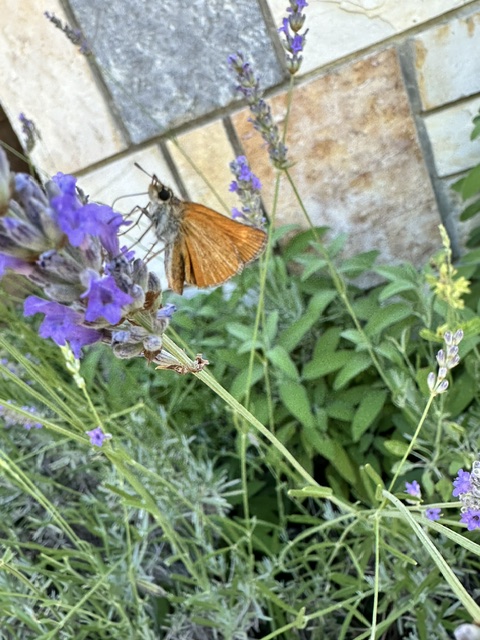
Small Skipper
Thymelicus sylvestris
Krka Valley, Coratia, June 2026
Small Skipper
Thymelicus sylvestris
Krka Valley, Coratia, June 2026
Moths
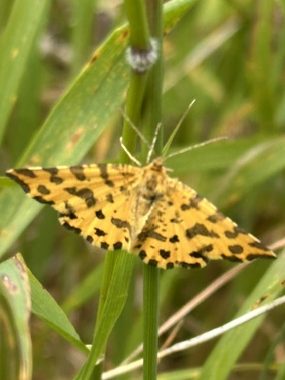
Speckled yellow
Pseudopanthera macularia
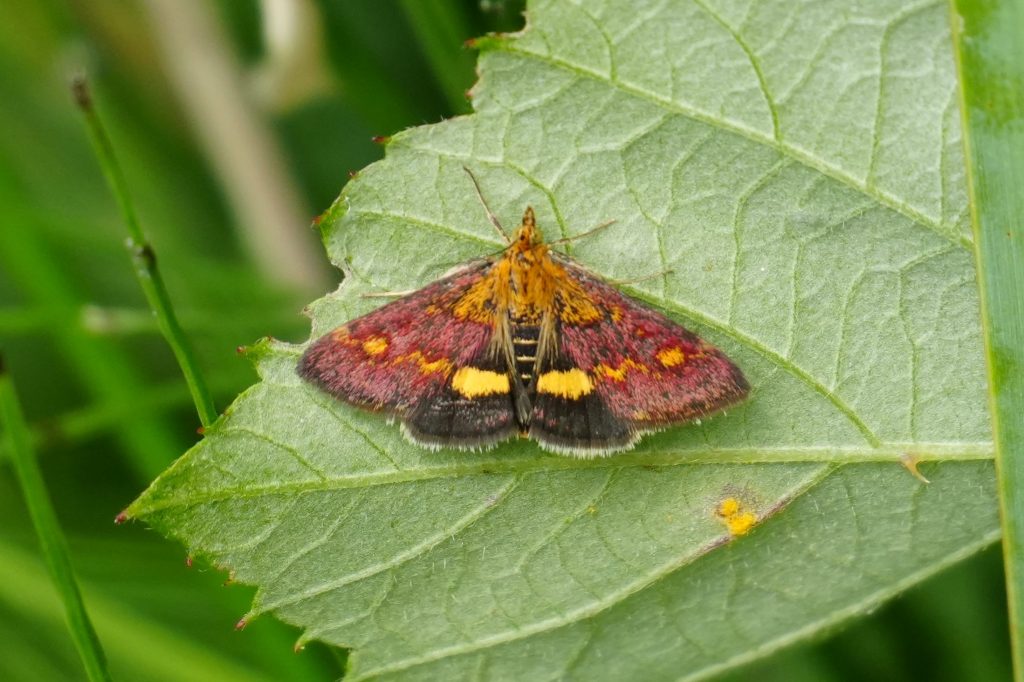
Mint Moth
Pyrausta aurata
Tice’s Meadow, Jul 2026
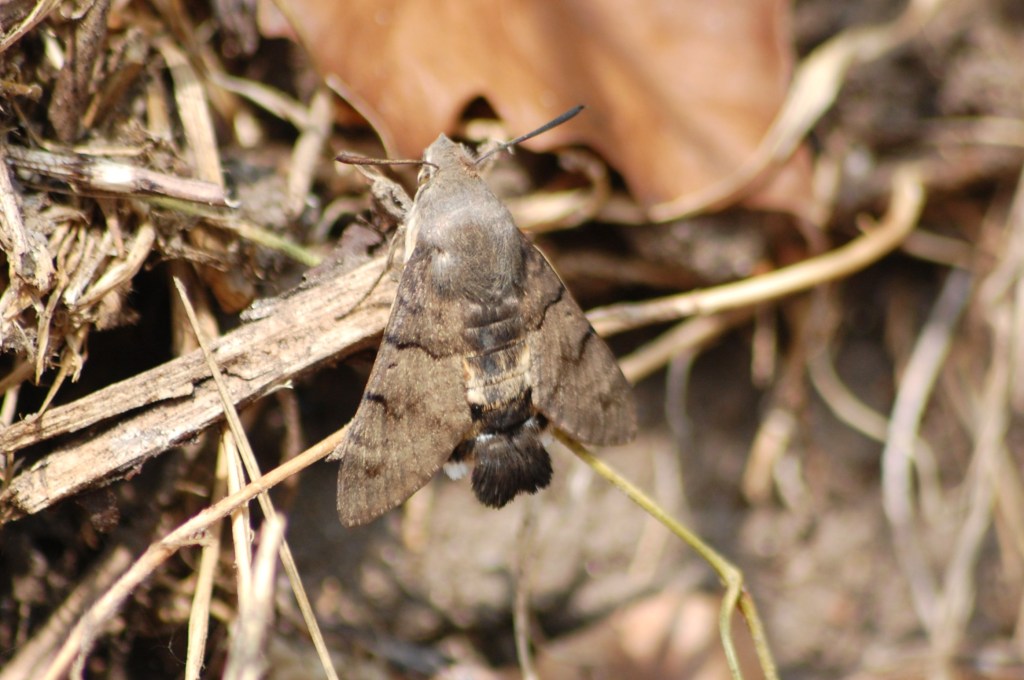
Eurasian Hummingbird Hawkmoth
Macroglossum stellatarum
Runfold, Jul 2026
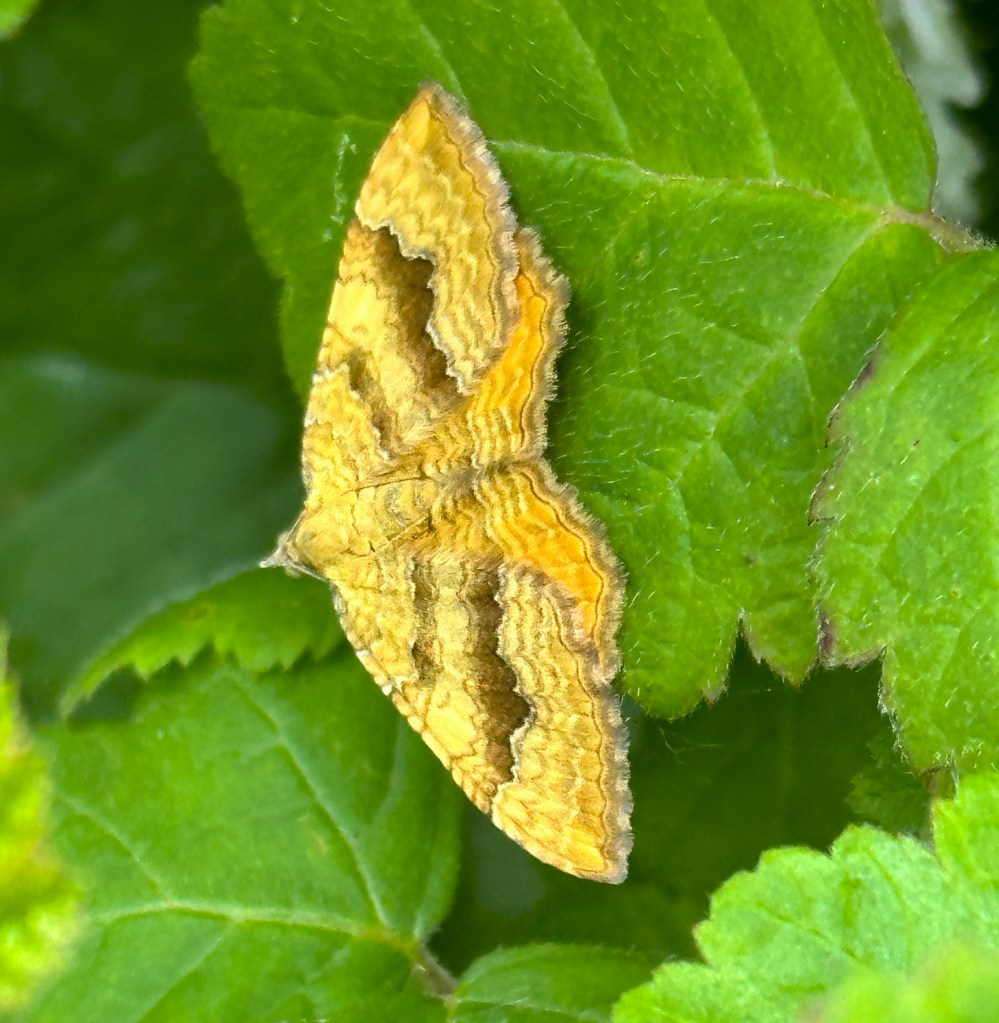
Yellow shell moth
Camptogramma bilineata
Tice’s Meadow, Jun 2026
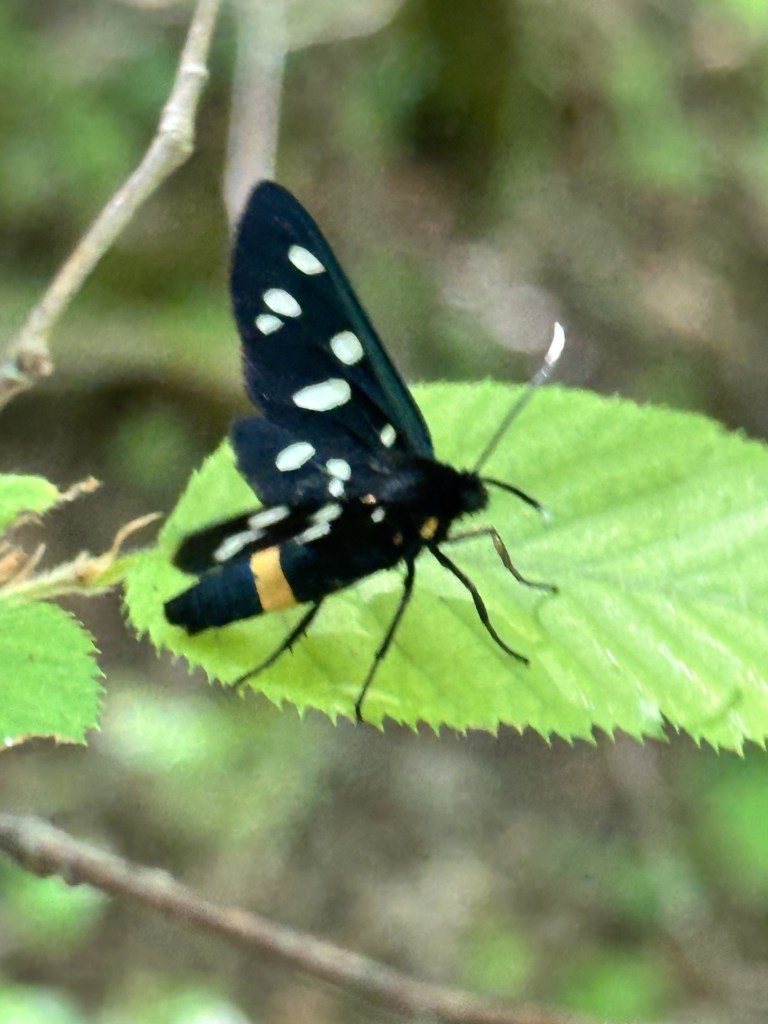
Nine-Spotted Moth
Amata phegea
Krka Valley, Coratia, June 2026
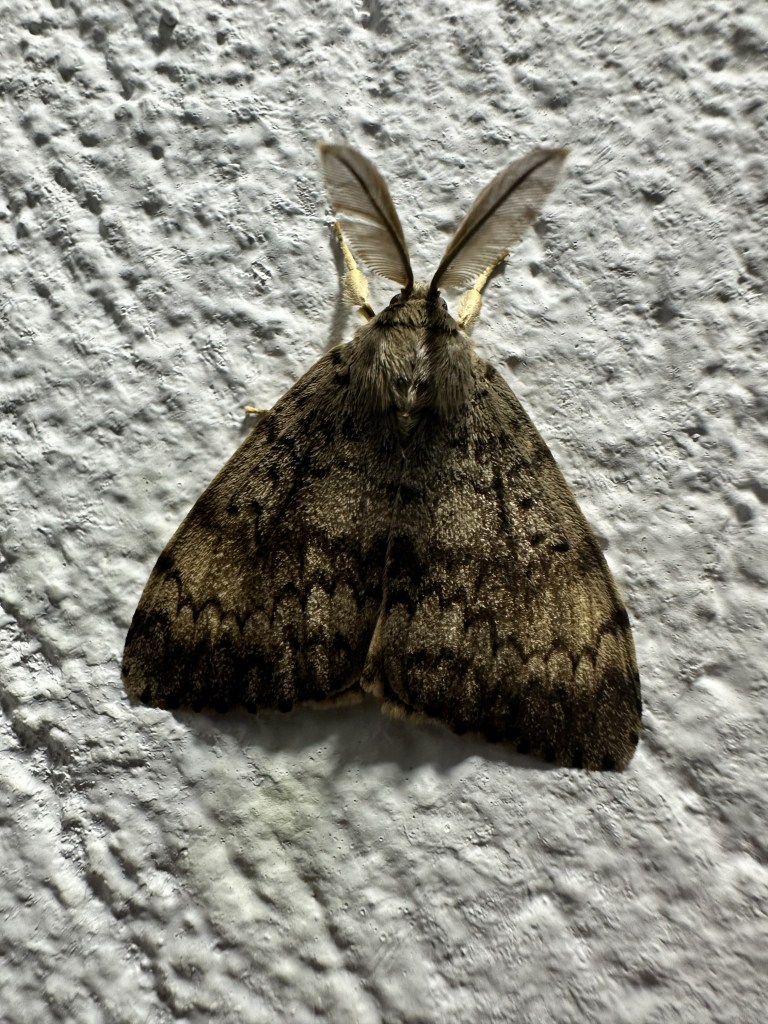
Spongy Moth
Lymantria dispar
Krka Valley, Coratia, June 2026
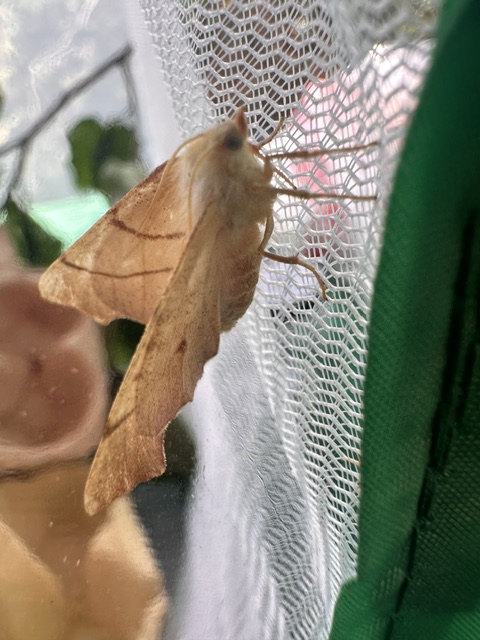
September Thorn
Ennomos erosaria
Tice’s Meadow, Jul 2026
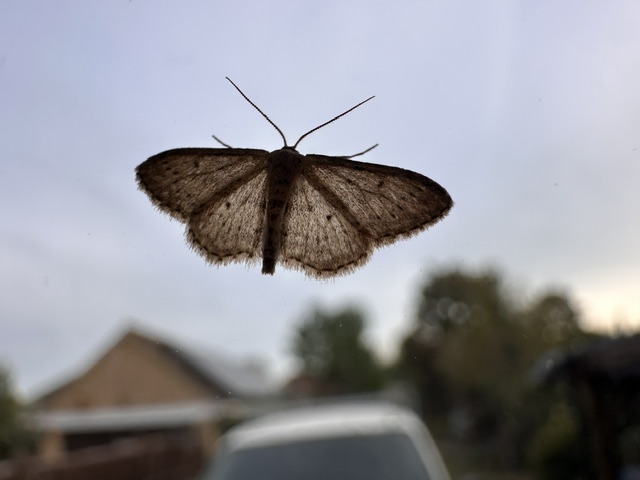
Small Dusty Wave
Idaea seriata
Gillian Ave, Aug 2026
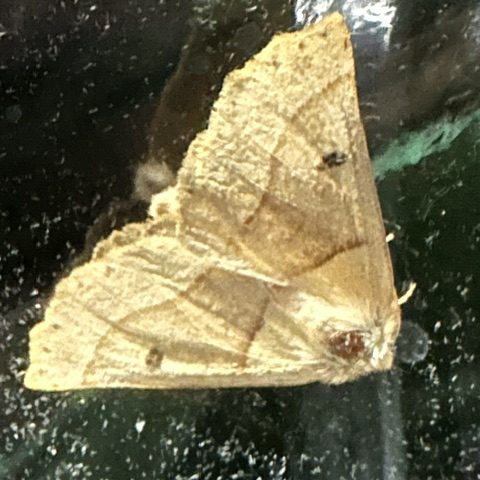
Scalloped Oak
Crocallis elinguaria
Tice’s Meadow, Jul 2026
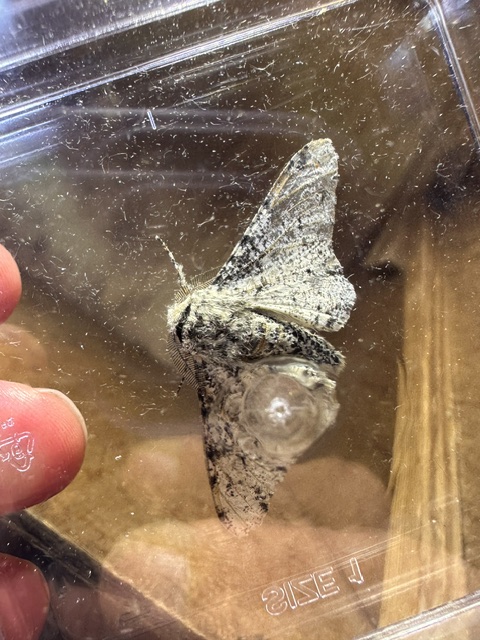
Peppered Moth
Biston betularia
Tice’s Meadow, Jul 2026
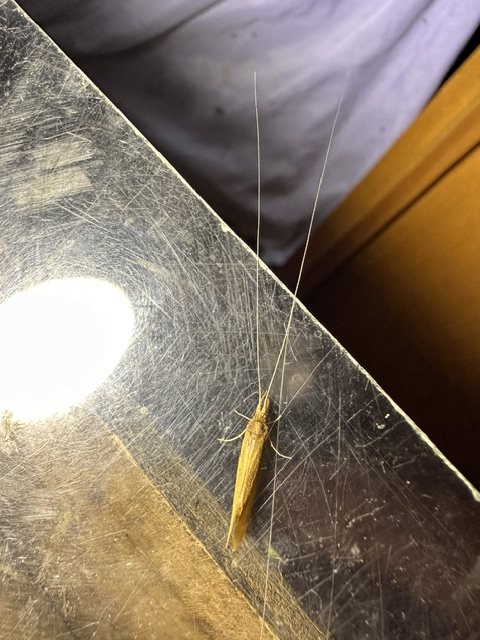
?
?
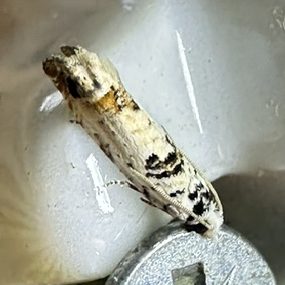
Marbeled Bell
Eucosma campoliliana
Tice’s Meadow, Jul 2026
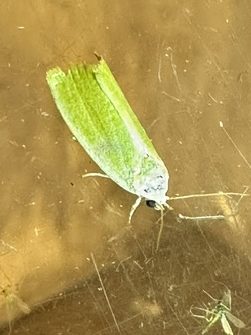
Cream-bordered Green Pea
Earias clorana
Tice’s Meadow, Jul 2026
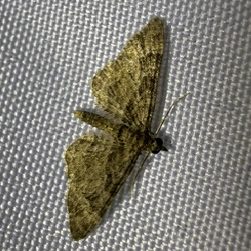
Double-striped Pug
Gymnoscelis rufifasciata
Tice’s Meadow, Jul 2026
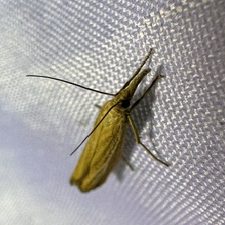
Common Grass-Veneer
Agriphila tristella
Tice’s Meadow, Jul 2026
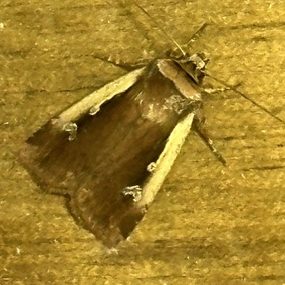
Flame Shoulder Moth
Ochropleura plecta
Tice’s Meadow, Jul 2026
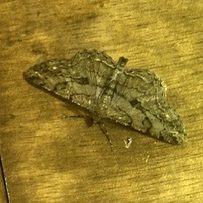
Willow Beaurty
Peribatodes rhomboidaria
Tice’s Meadow, Jul 2026
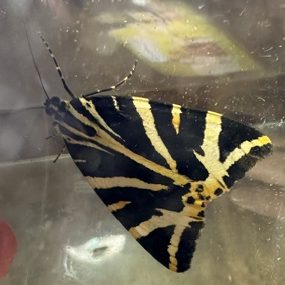
Jersey Tiger
Euplagia quadripunctaria
Tice’s Meadow, Jul 2026
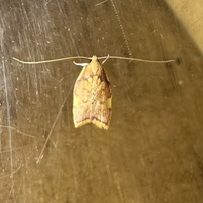
Oak Lantern
Carcina Quercana
Tice’s Meadow, Jul 2026
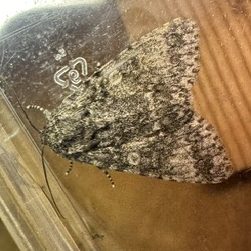
Poplar Grey
Acronicta megacephala
Tice’s Meadow, Jul 2026
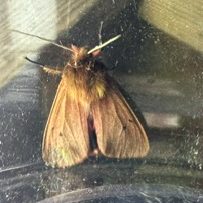
?
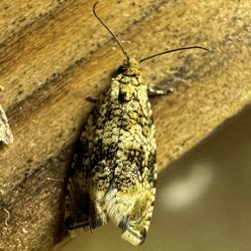
Common Marble
Syricoris lacunana
Tice’s Meadow, Jul 2026
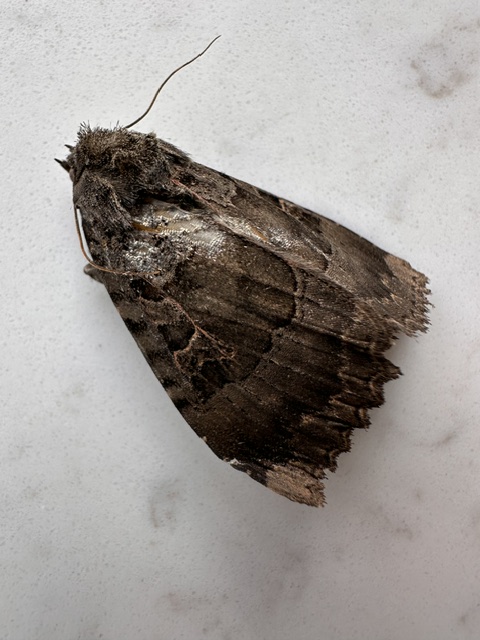
Old Lady
Mormo maura
Aldershot, Jul 2026
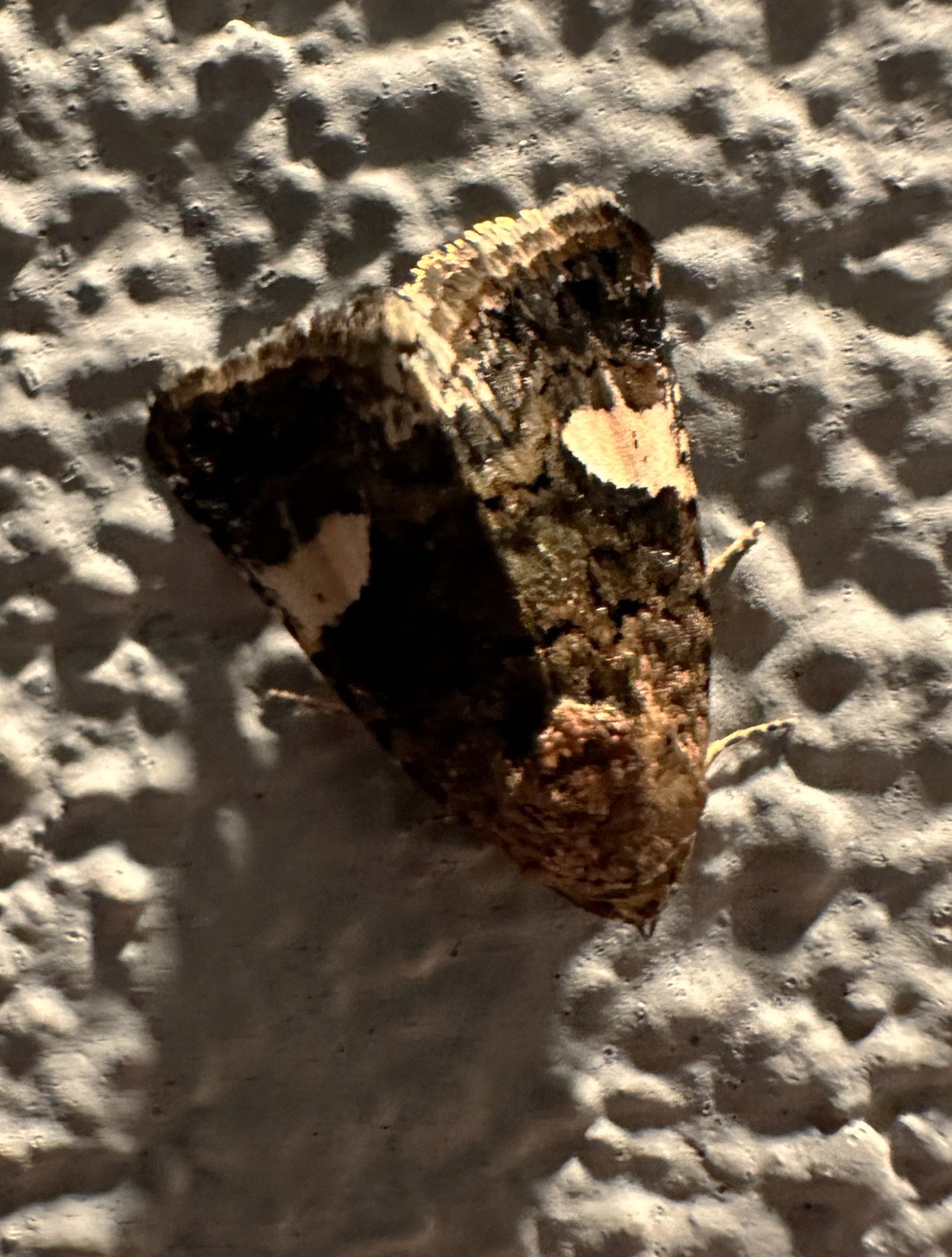
Four spotted Moth
Tyta luctuosa
Krka Valley, Coratia, June 2026
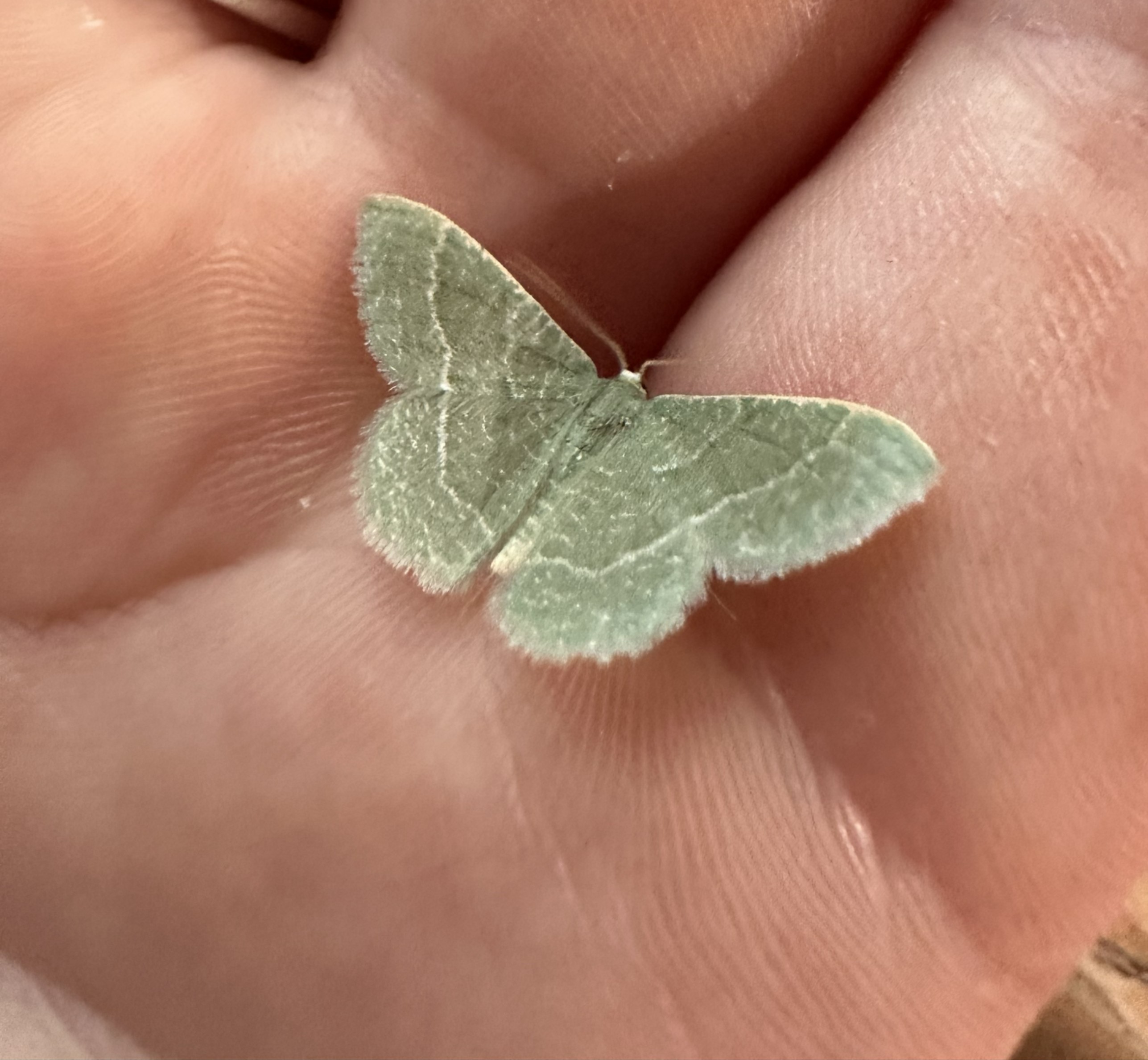
Phaiogramma etruscaria
Krka Valley, Coratia, June 2026
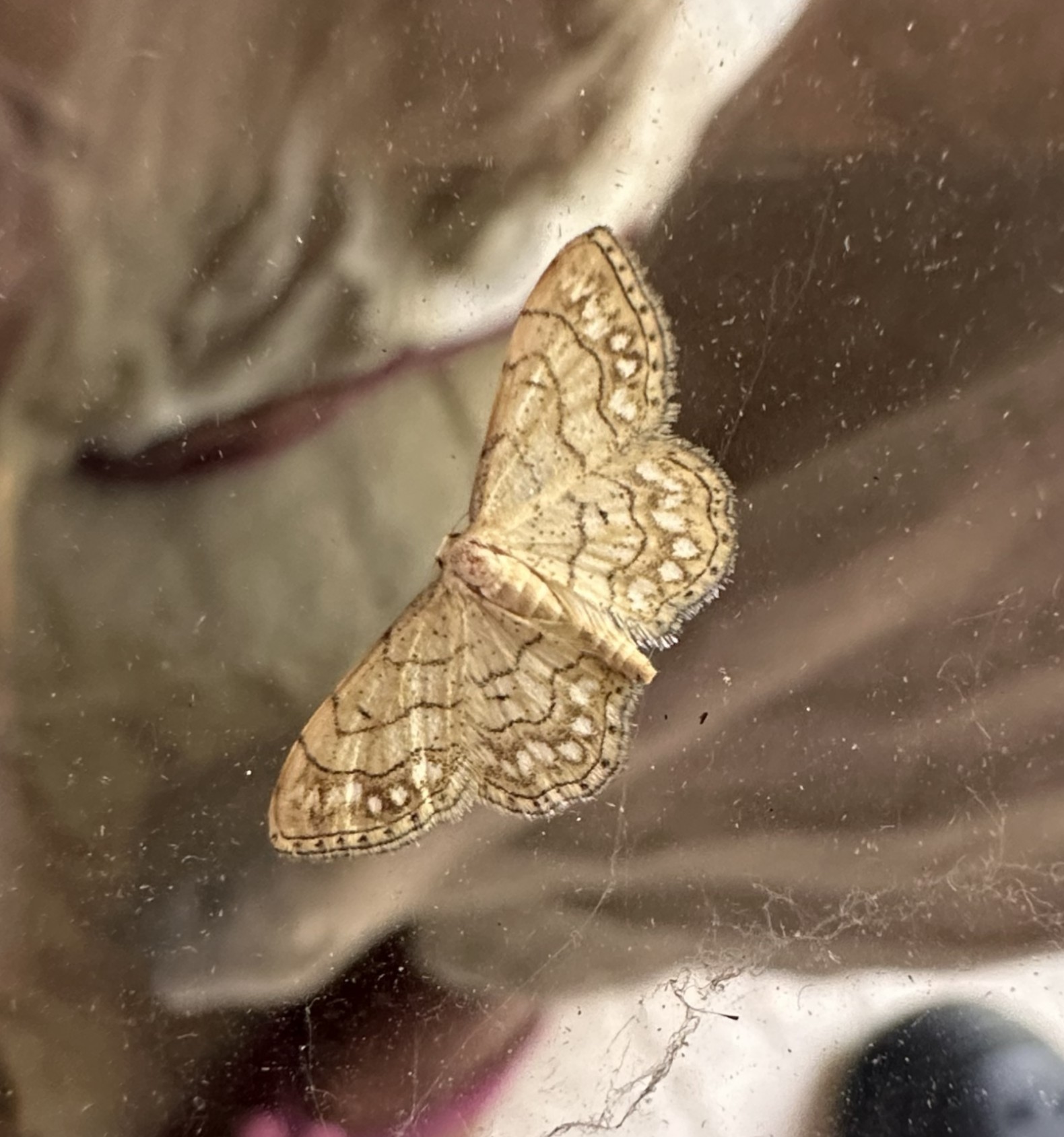
Idaea moniliata
Krka Valley, Coratia, June 2026
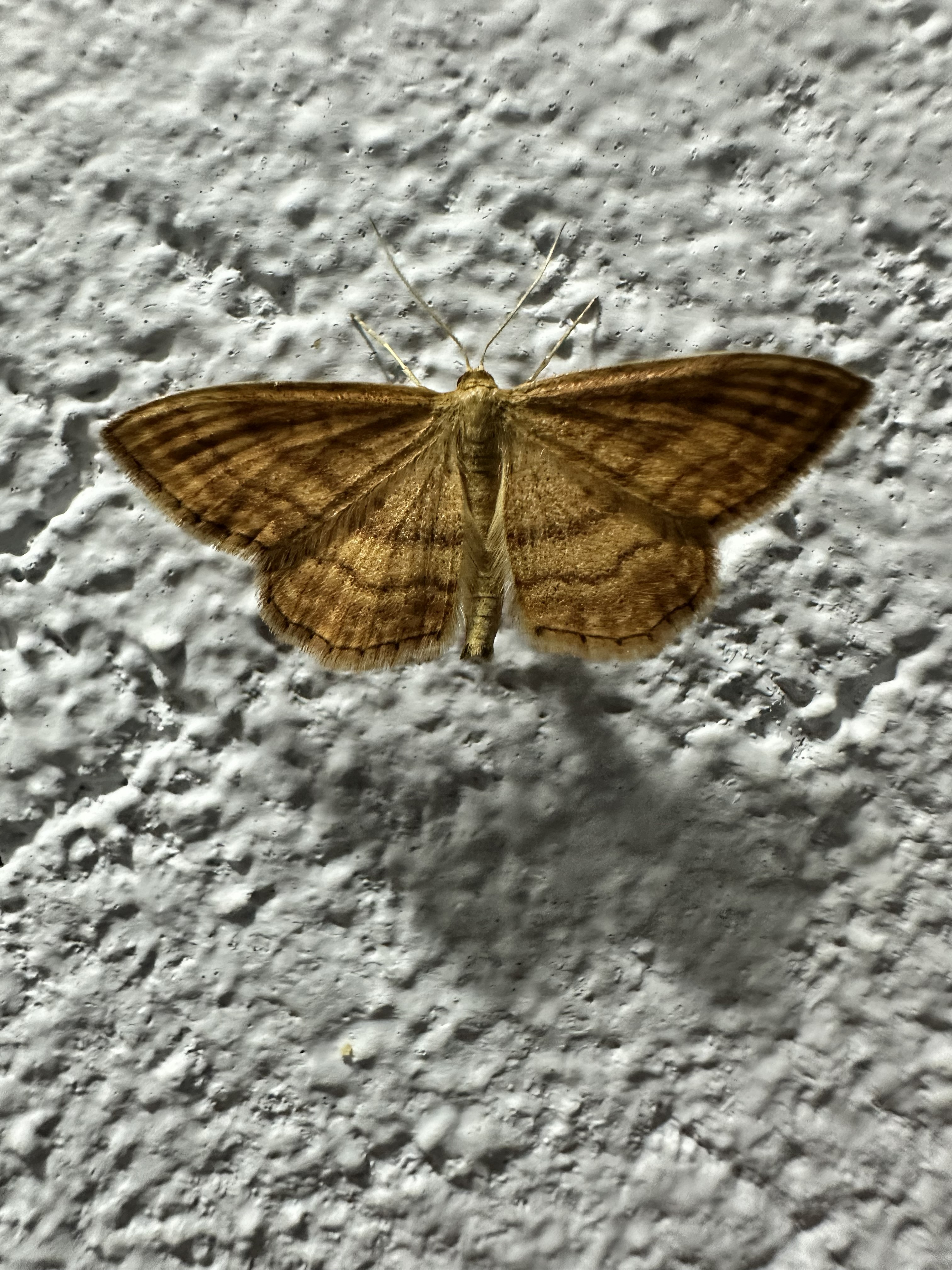
Bright Wave Moth
Idaea ochrata
Krka Valley, Coratia, June 2026
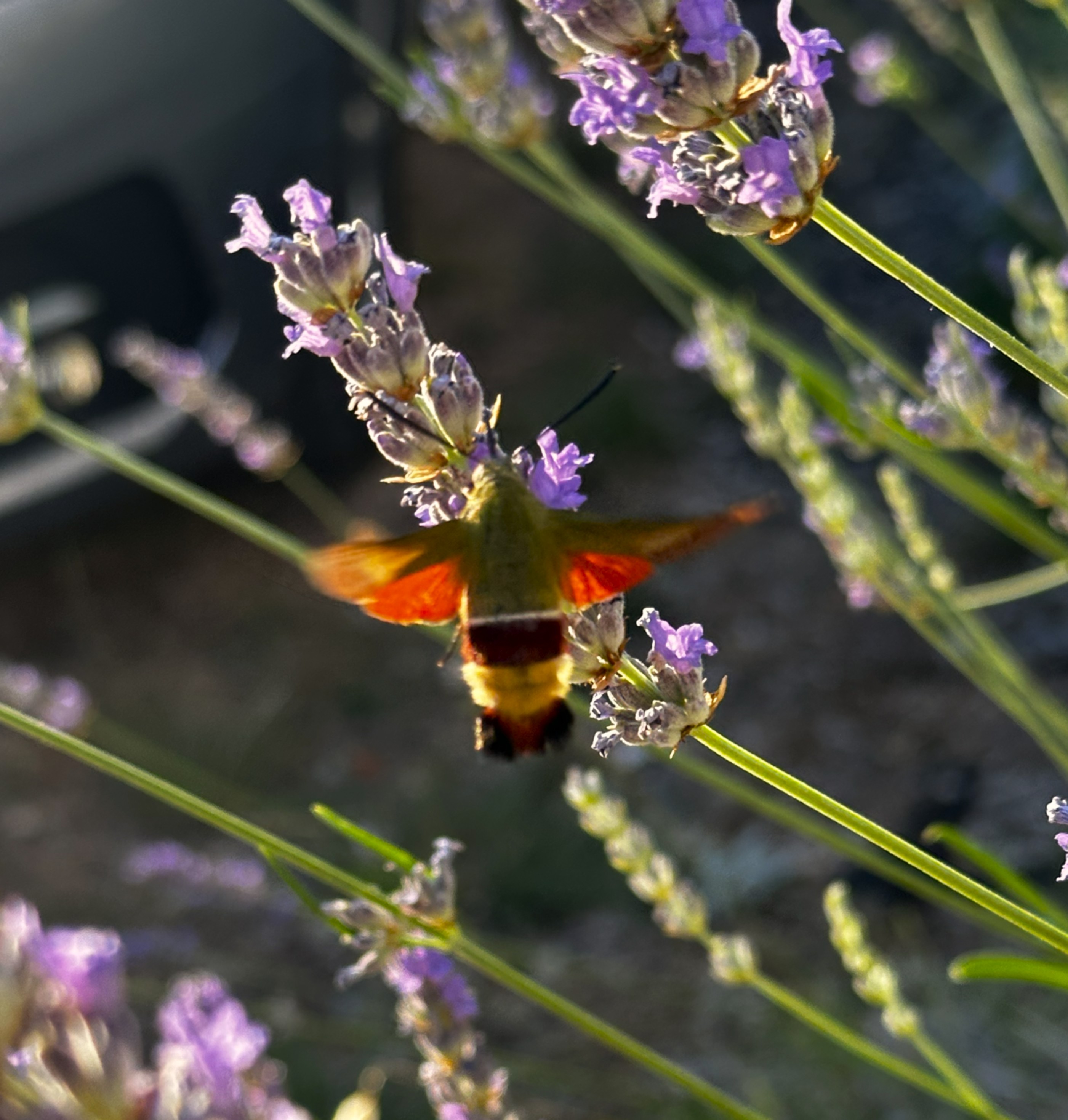
Olive Bee Hawkmoth
Cephonodes hylas
Krka Valley, Coratia, June 2026
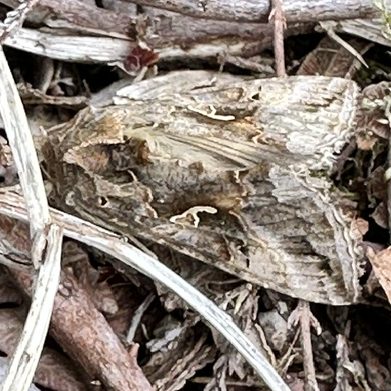
Siver Y
Autographa gamma
Elstead, Jun 2026
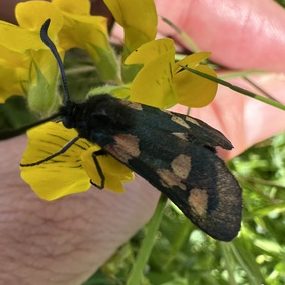
Five-spot Burnet
Zygaena trifolii
Hawley Meadows, Jun 2026
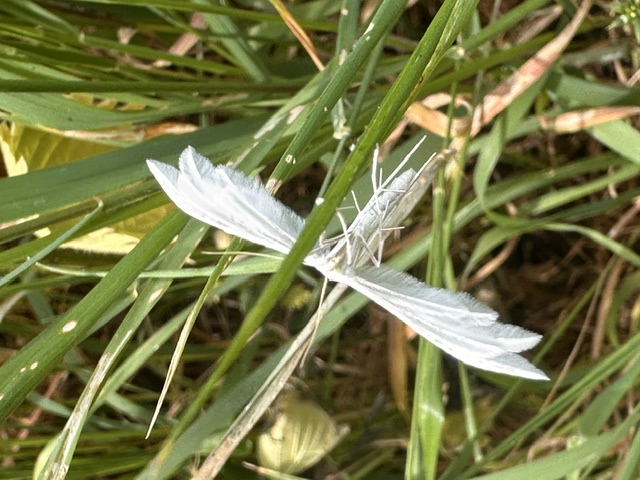
White plume moth
Pterophorus pentadactyla
Tice’s Meadow, Jun 2026
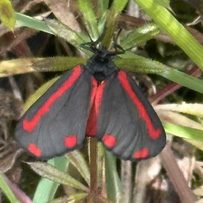
Cinnabar Moth
Tyria jacobaeae
Tice’s Meadow, Jun 2026
The order splits into two suborders: Anisoptera, the robust dragonflies, and Zygoptera, the slender damselflies (Lara-Vázquez & Villeda-Callejas, 2000). Their double life is the scientific story: juveniles (naiads) are aquatic predators, often top predators of their ponds and streams, while the winged adults hunt in the air (Lara-Vázquez & Villeda-Callejas, 2000; May, 2019; Stoks & Córdoba‐Aguilar, 2011). They are also aerial masterpieces — their flight mechanics have become a laboratory model for insect flight research (May, 2019). Dragonflies rest with wings held flat; damselflies fold theirs neatly along the abdomen.
Dragonflies
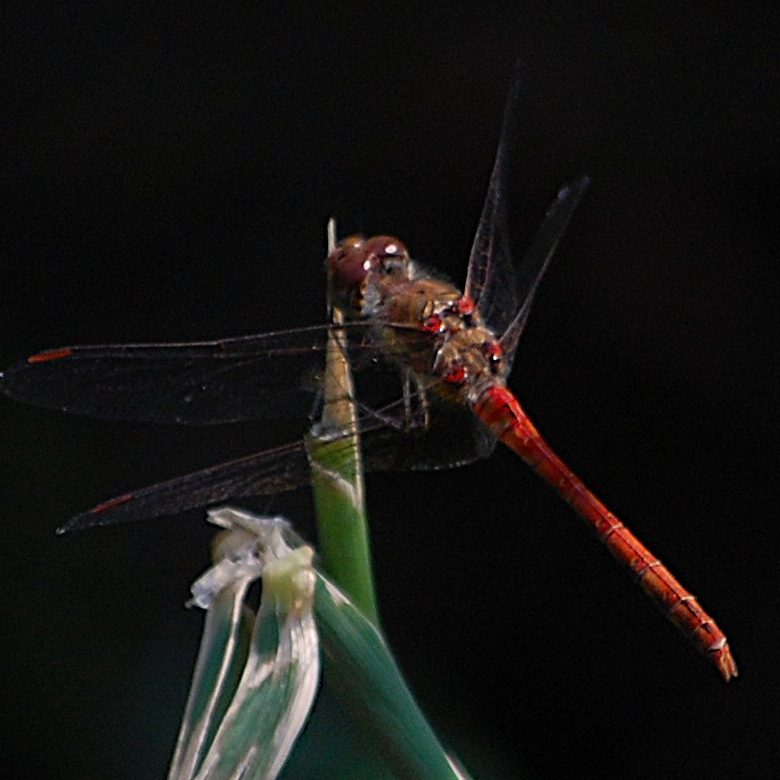
Common Darter
Sympetrum striolatum
Tice’s Meadow, July 2026
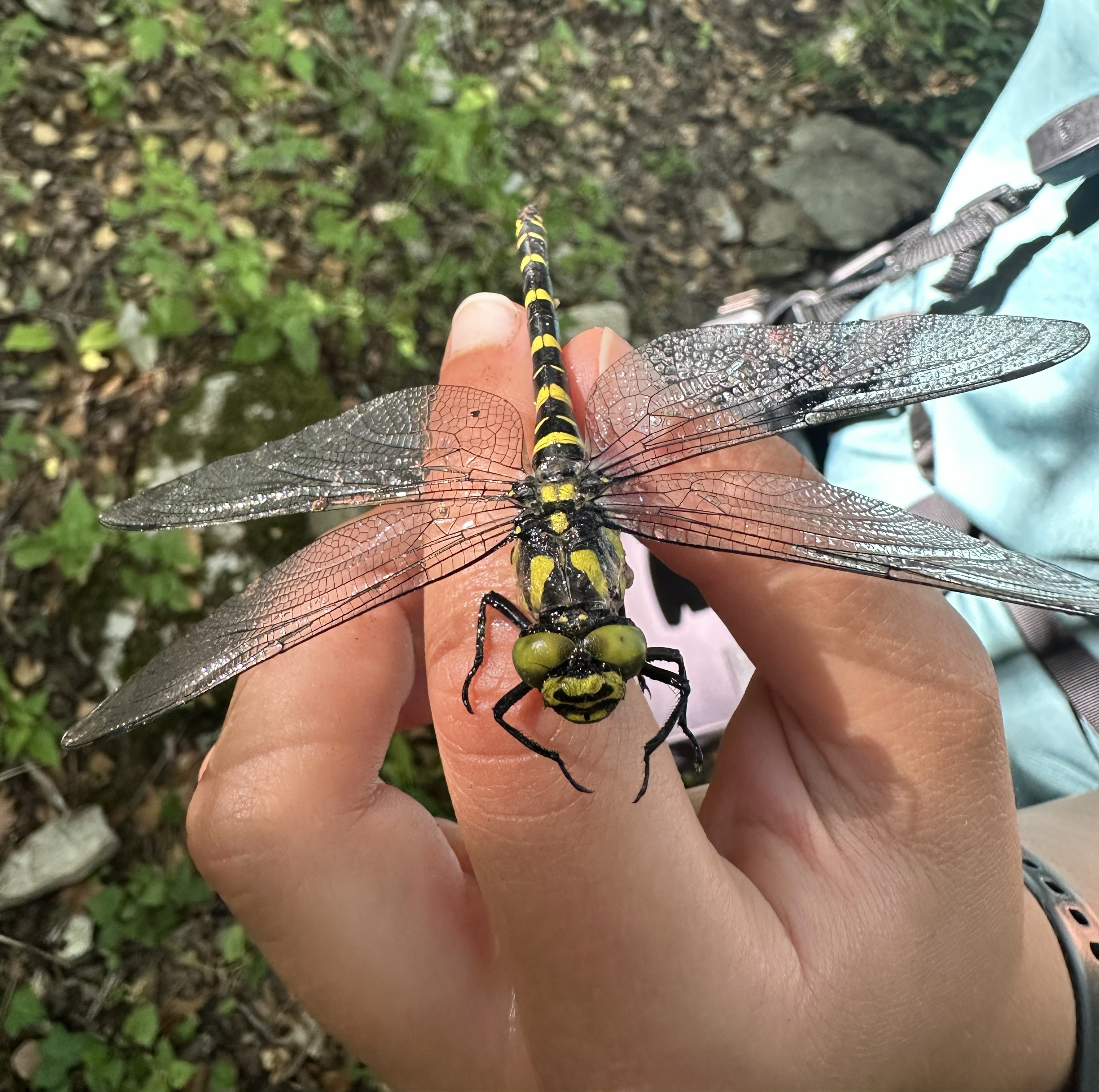
Balkan Goldering
Cordulegaster
heros
Krka Valley, Coratia, June 2026
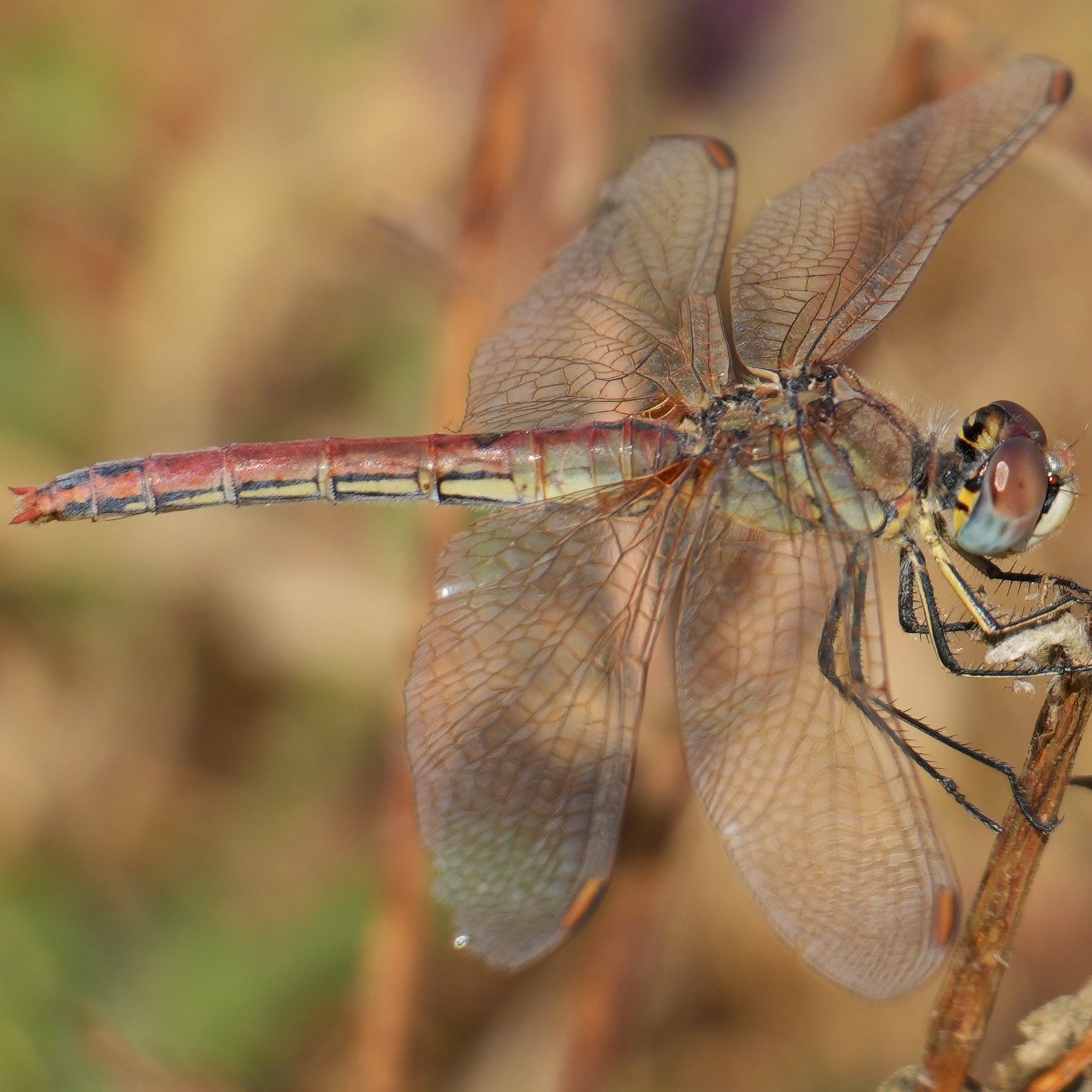
Red-veined Darter
Sympetrum fonscolombii
Tice’s Meadow, July 2026
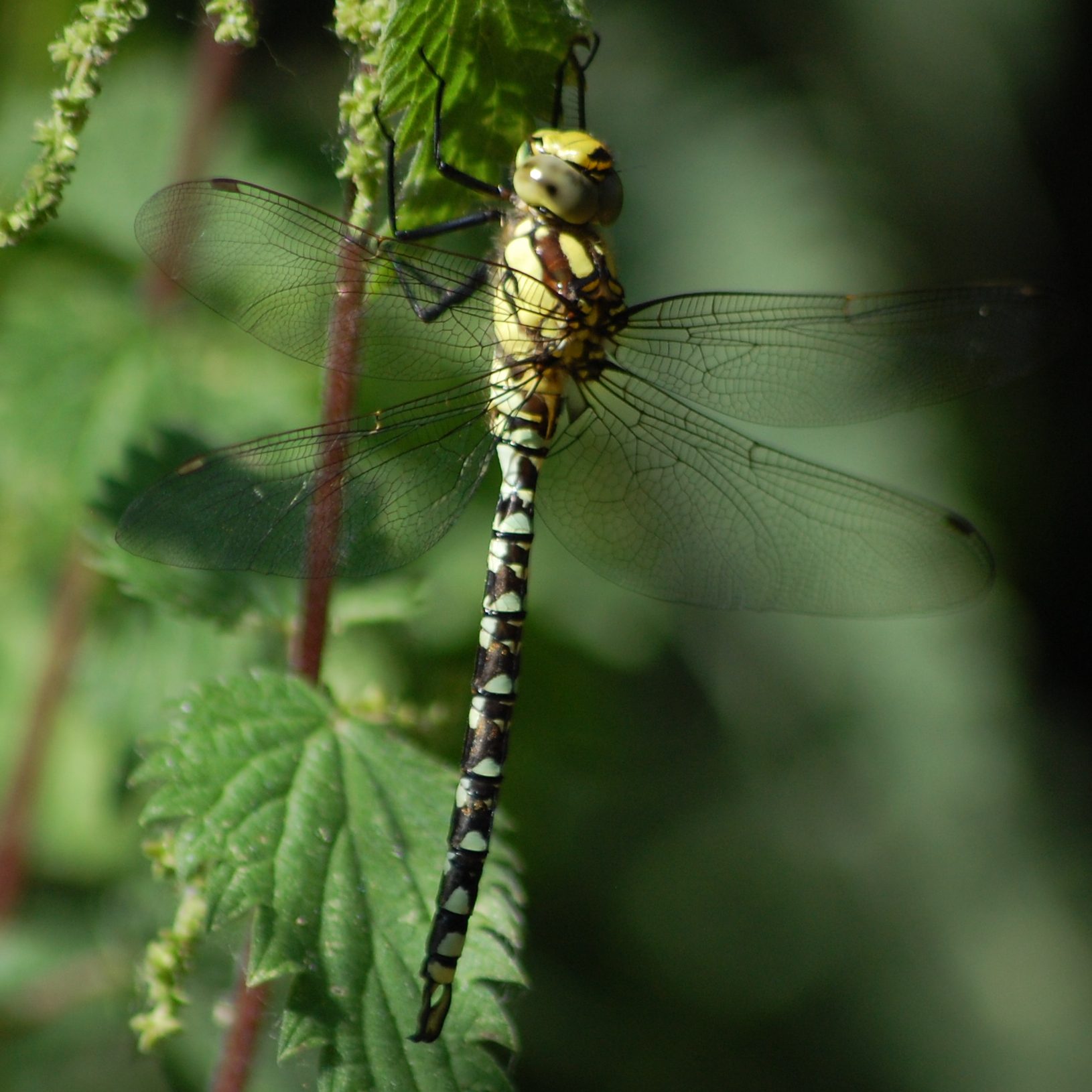
Southern Hawker
Aeshna cyanea
Church Crookham, July 2026
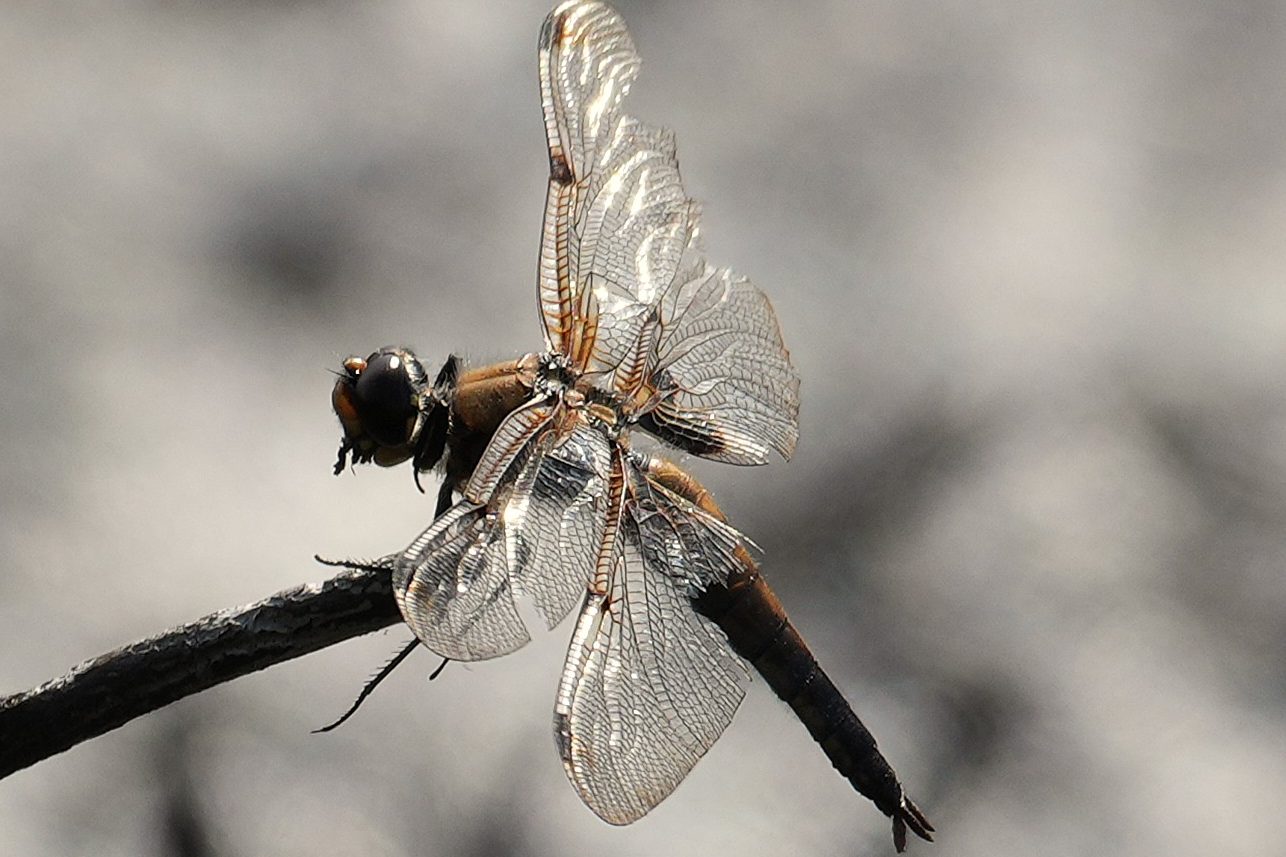
Four-spotted Skimmer
Libellula quadrimaculata
Elstead common, Aug 2026
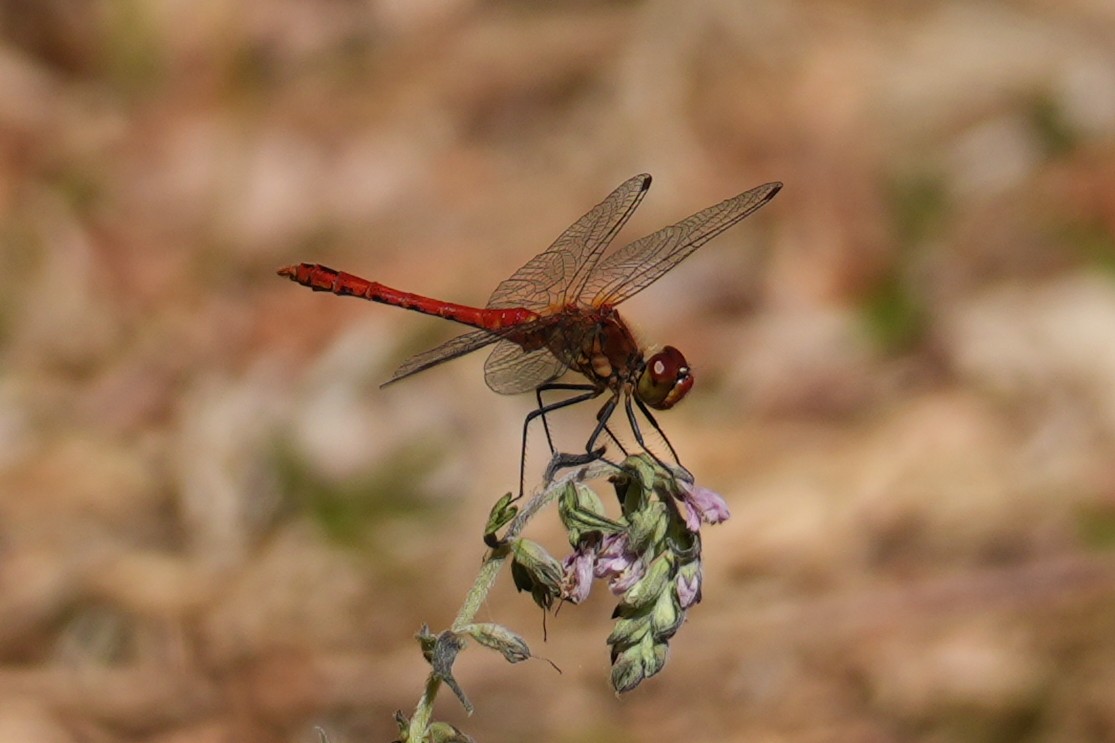
Ruddy Darter
Sympetrum sanguineum
Tice’s Meadow, July 2026
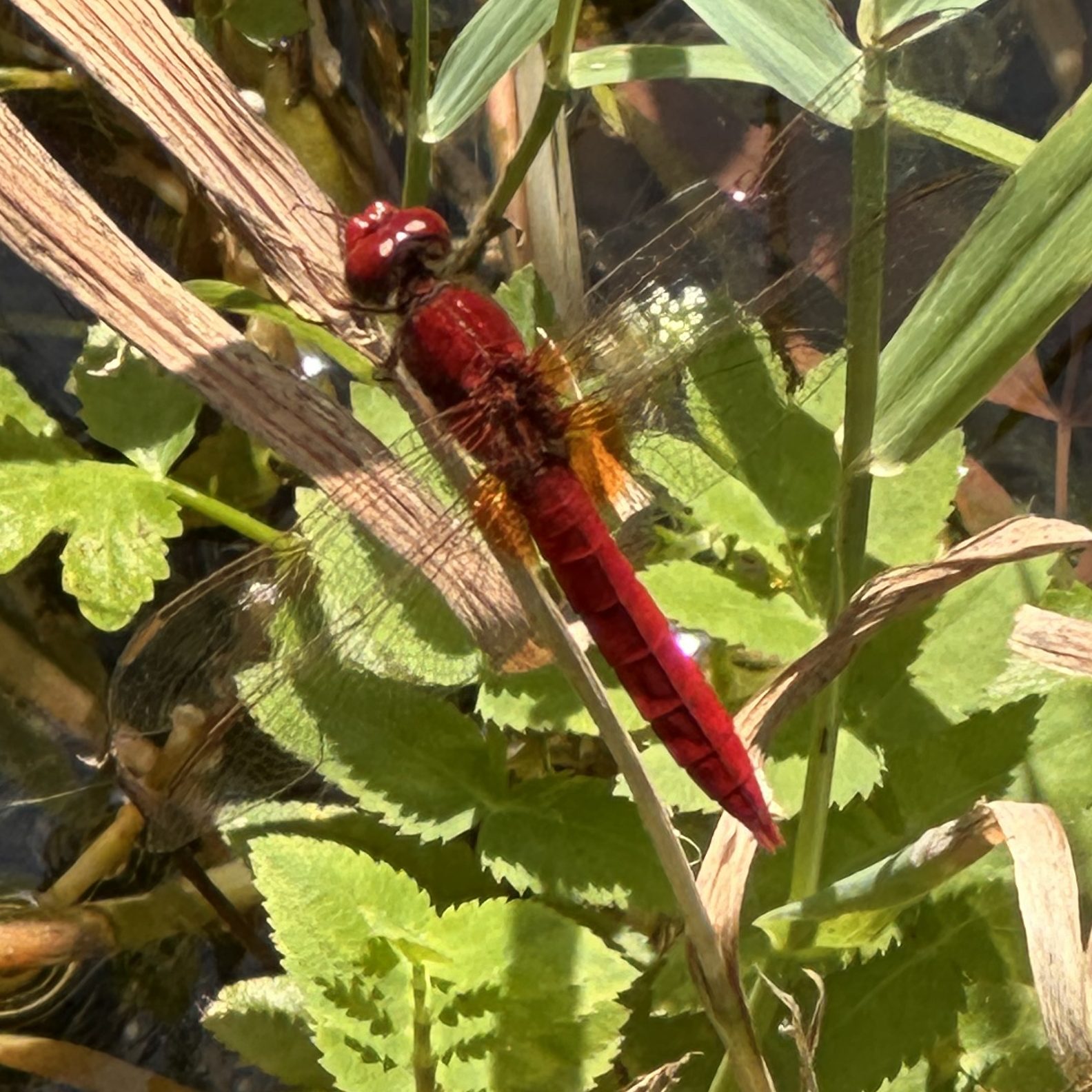
Broad Scarlet
Crocothemis erythraea
Krka Valley, Coratia, June 2026
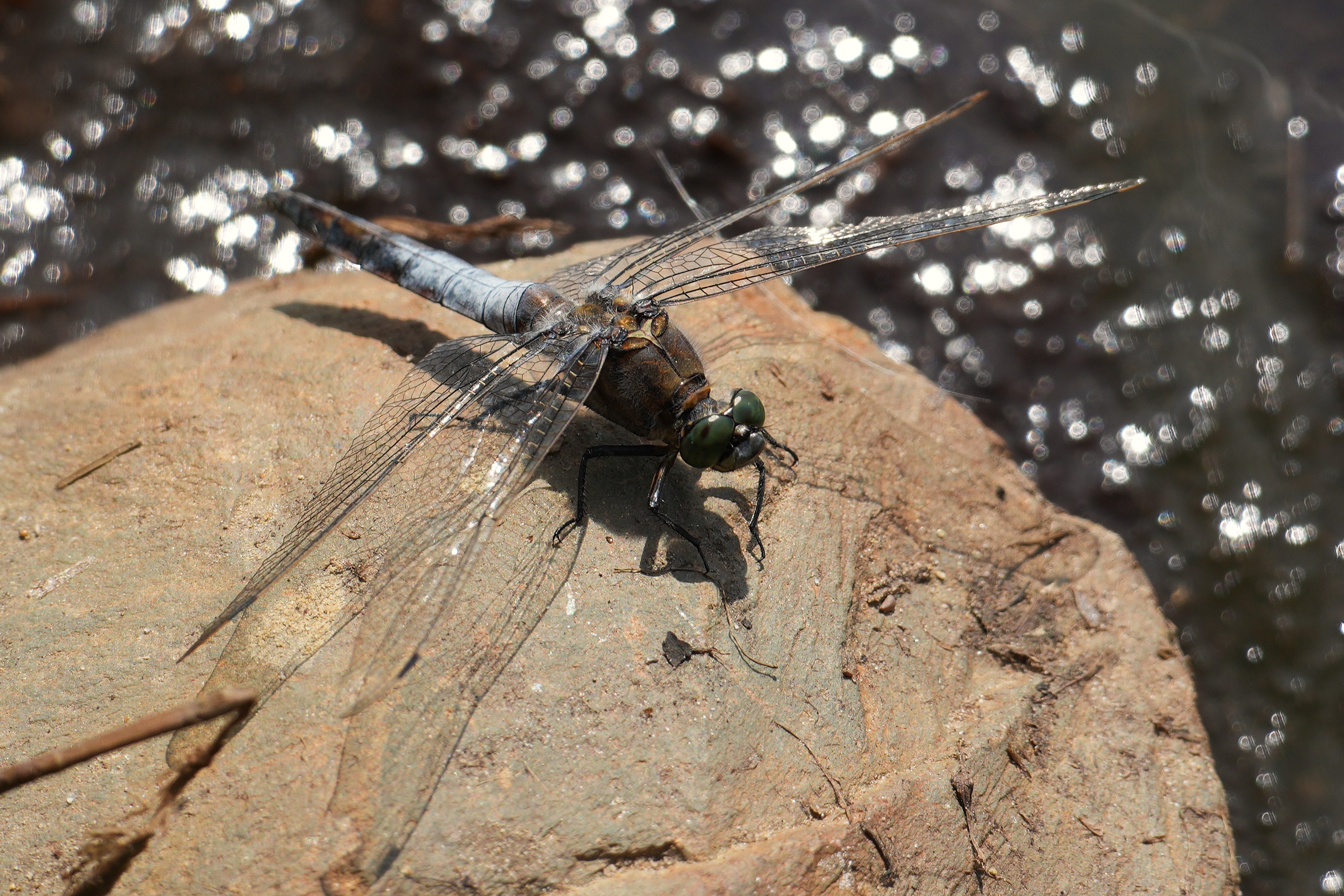
Black-tailed Skimmer
orthetrum cancellatum
Elstead common, Aug 2026
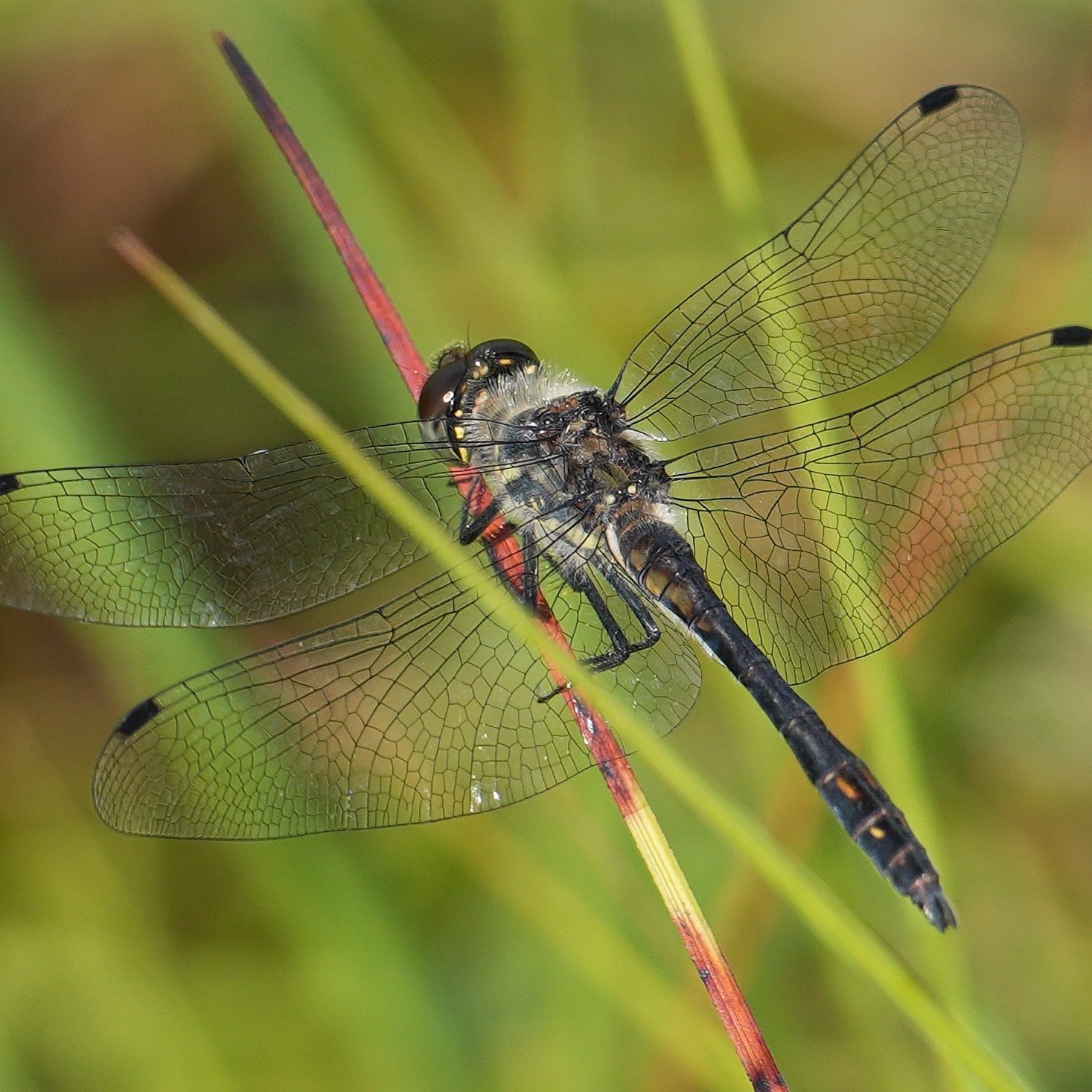
Black Meadowhawk
Sympetrum danae
Elstead Common, Aug 2026
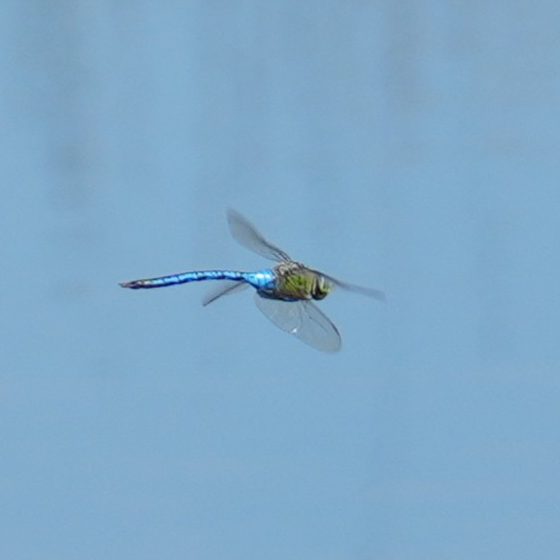
Emperor Dragonfly
Anax imperator
Elstead common, Aug 2026
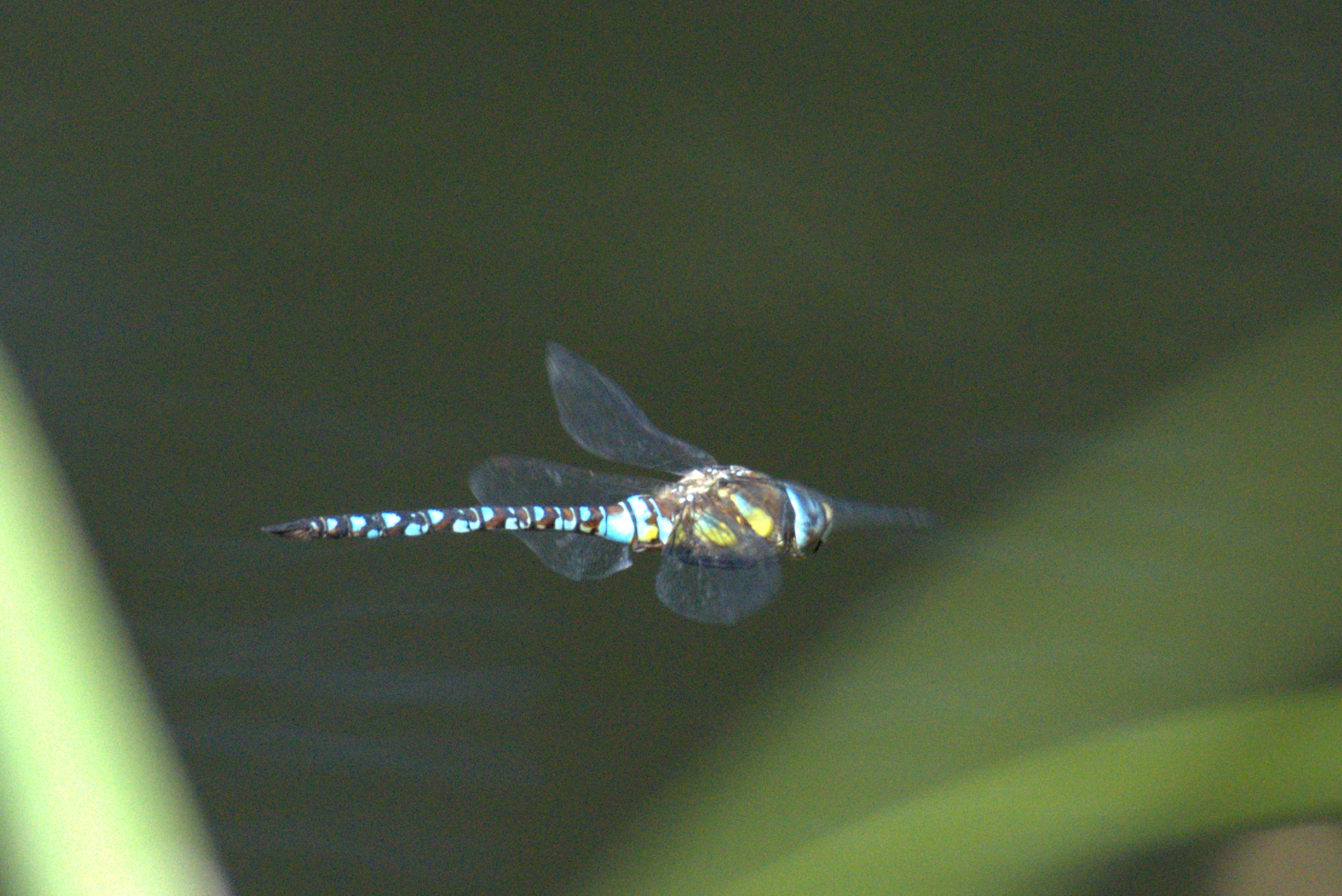
Migrant Hawker (Aeshna mixta)
Basingstoke canal, Sept 2026
Ruddy Darter
Sympetrum sanguineum
Tice’s Meadow, July 2026
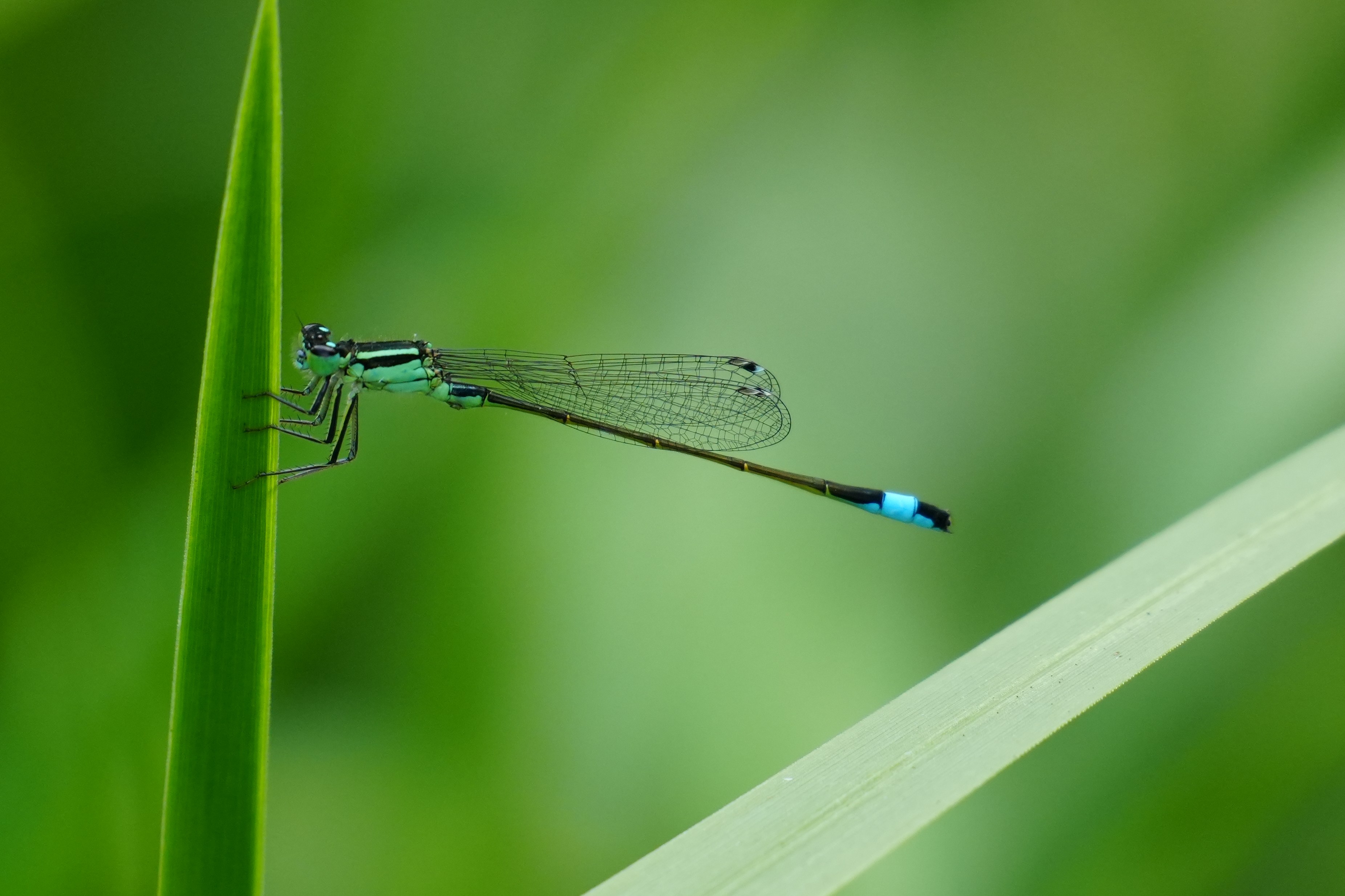
Damsilflies
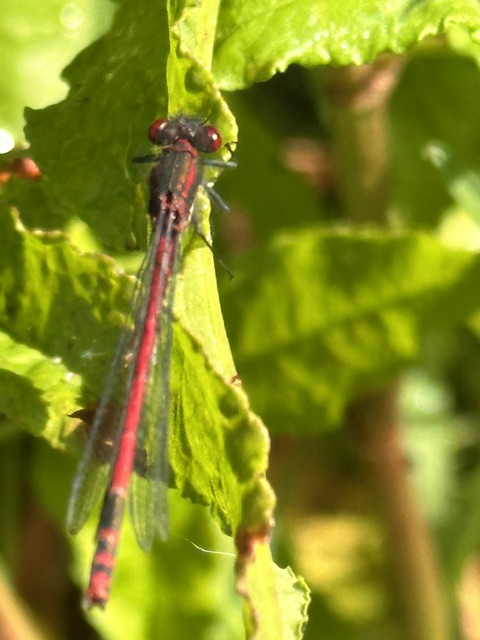
Large red damselfly
Pyrrhosoma nymphula
Tice’s Meadow, May 2026
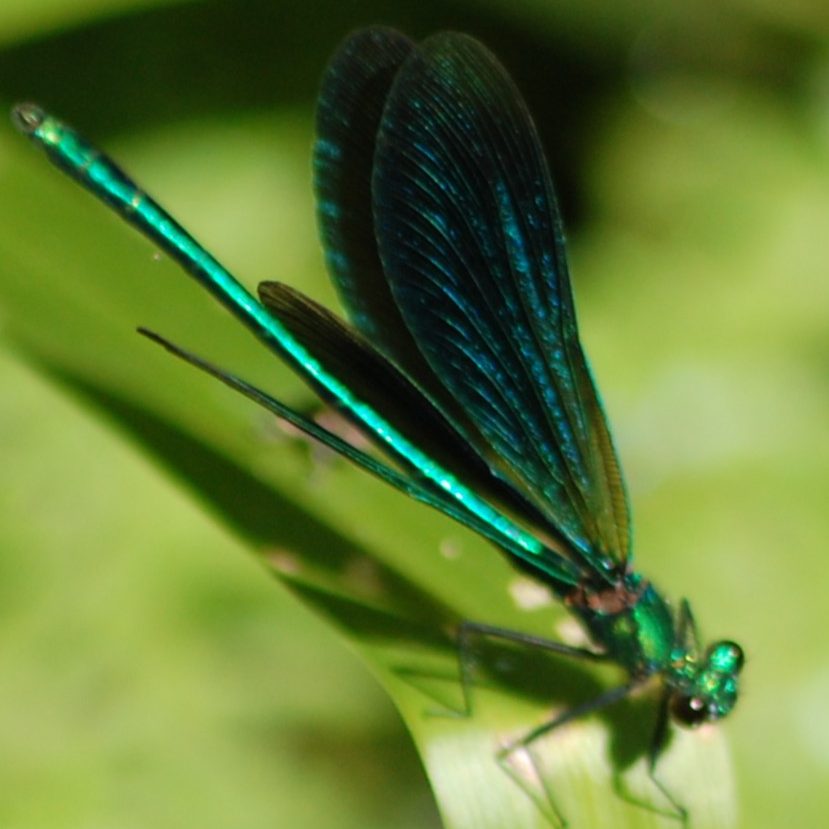
Banded Damoiselle (F)
Calopteryx splendens
Tice’s Meadow, Jun 2026
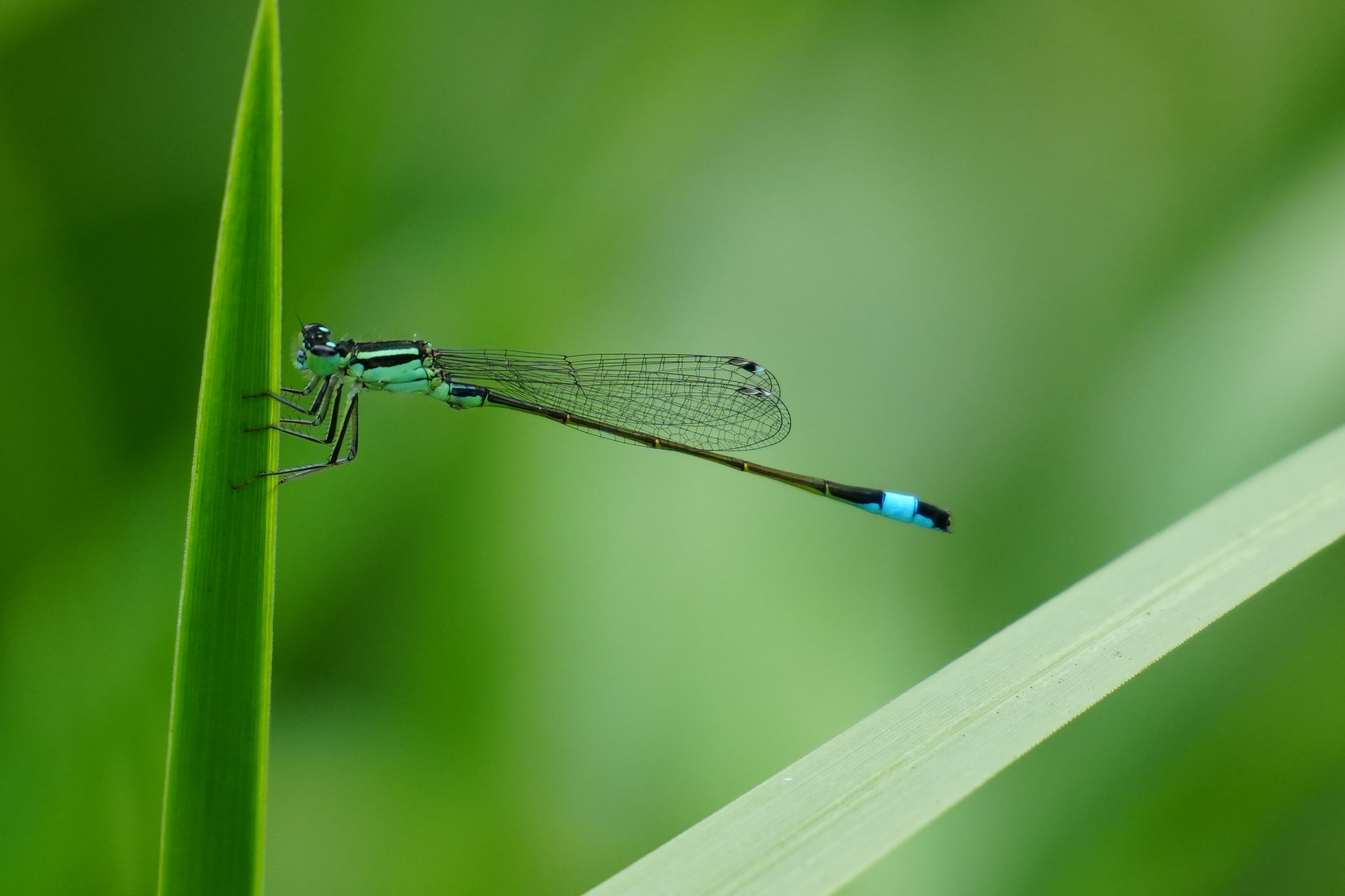
Blue-tailed Damselfly
Ischnura elegans
Church crookham, Jul 2026
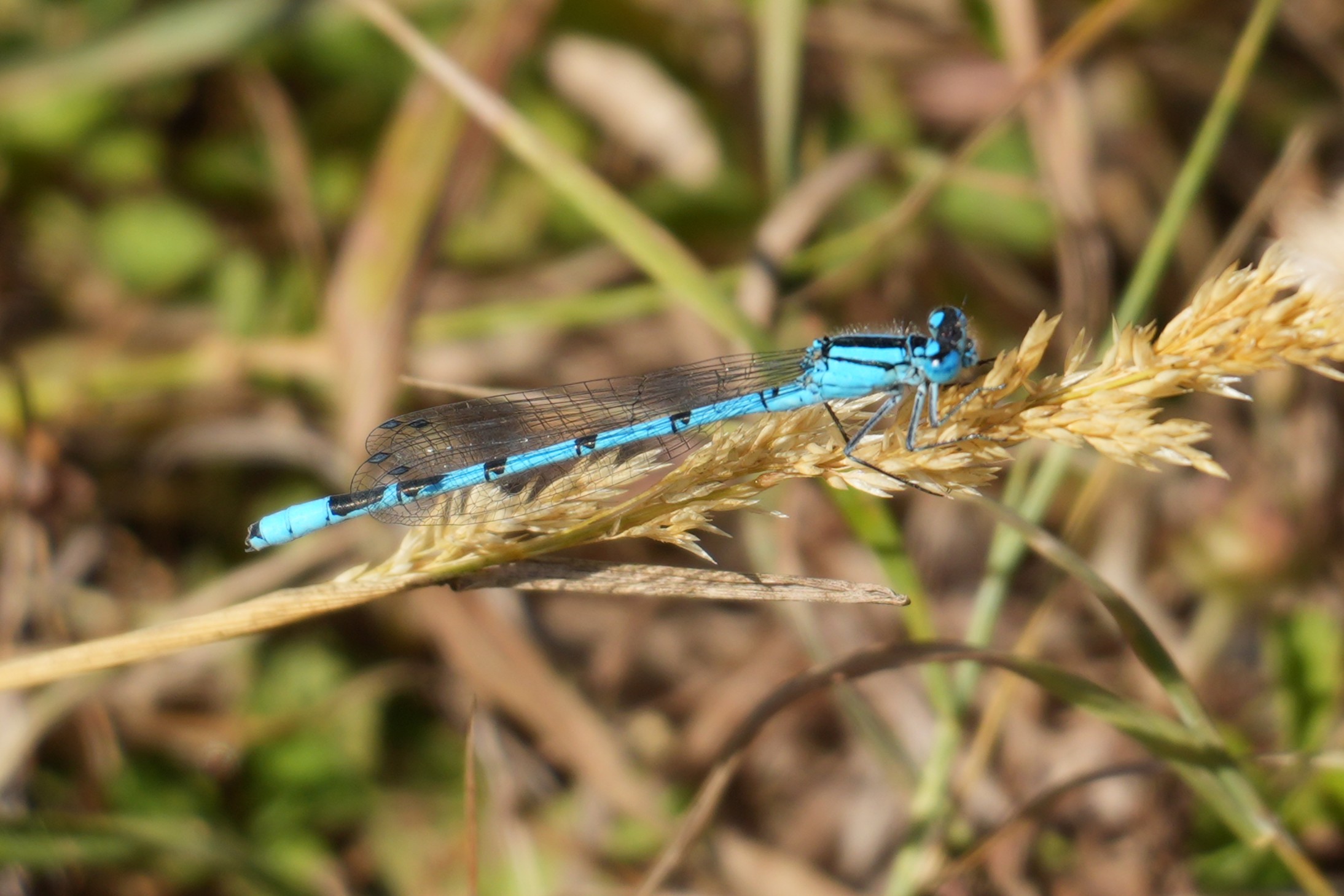
Common Blue Damselfly
Emallagma cyathigerum
Tice’s Meadow, Jun 2026
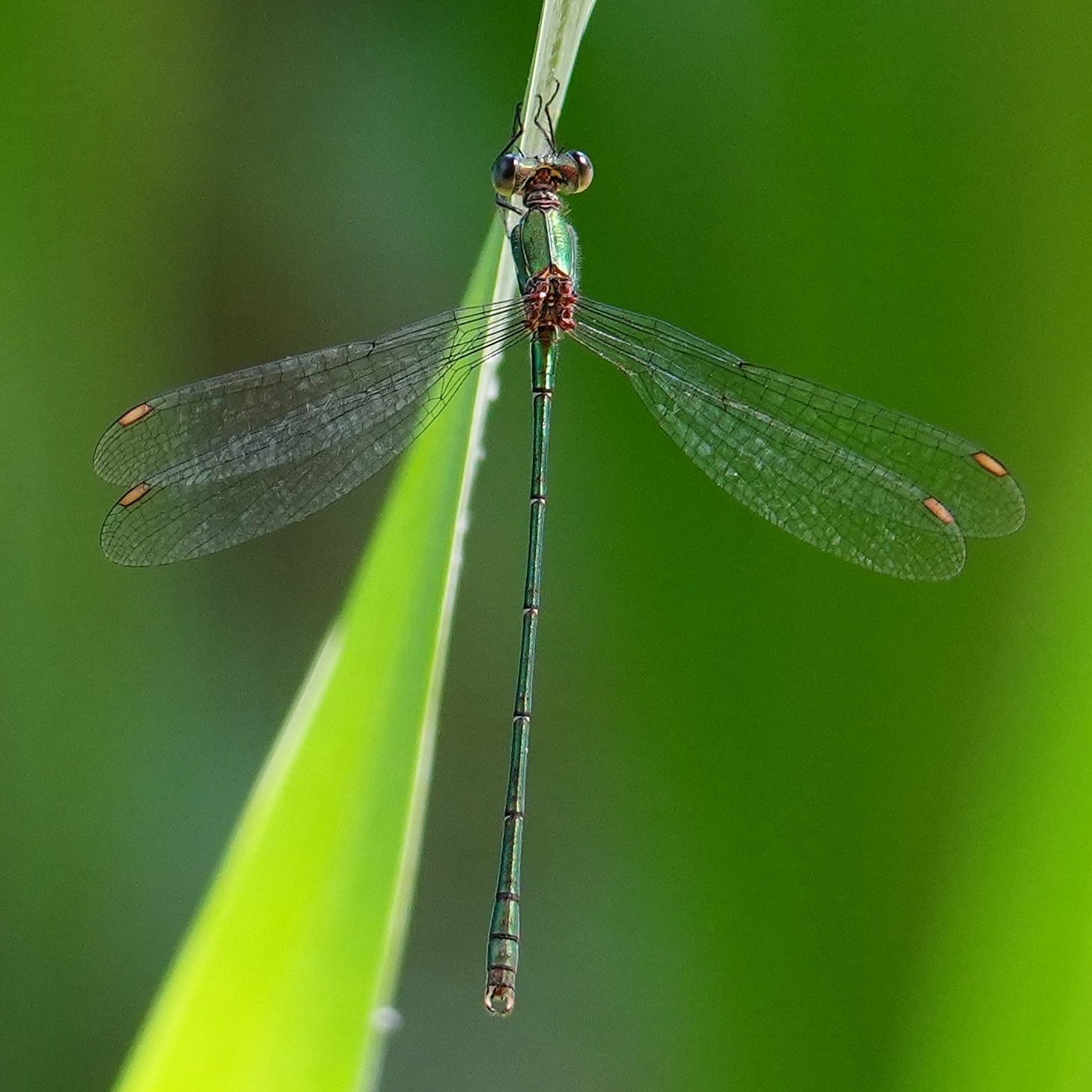
Emerald Damselfly
Lestes sponsa
Church crookham, Jul 2026
Siver Y
Autographa gamma
Elstead, Jun 2026
One of the most easily recognised orders: two pairs of membranous wings (hind pair coupled to the fore pair by tiny hooks, the hamuli), and in the great majority a narrow “wasp waist” — the metasoma joined to the thorax by a slender petiole (Rasplus et al., 2010). What truly sets the order apart scientifically is haplodiploidy: males develop from unfertilised haploid eggs, females from fertilised diploid ones — the genetic quirk thought to underpin the evolution of their complex societies (Rasplus et al., 2010; Robinson, 2009). Habits range from solitary to the famous eusocial colonies of honeybees, ants and wasps (Robinson, 2009), and remarkably about 70% of all described hymenopterans are parasitoids (Blaimer et al., 2023).
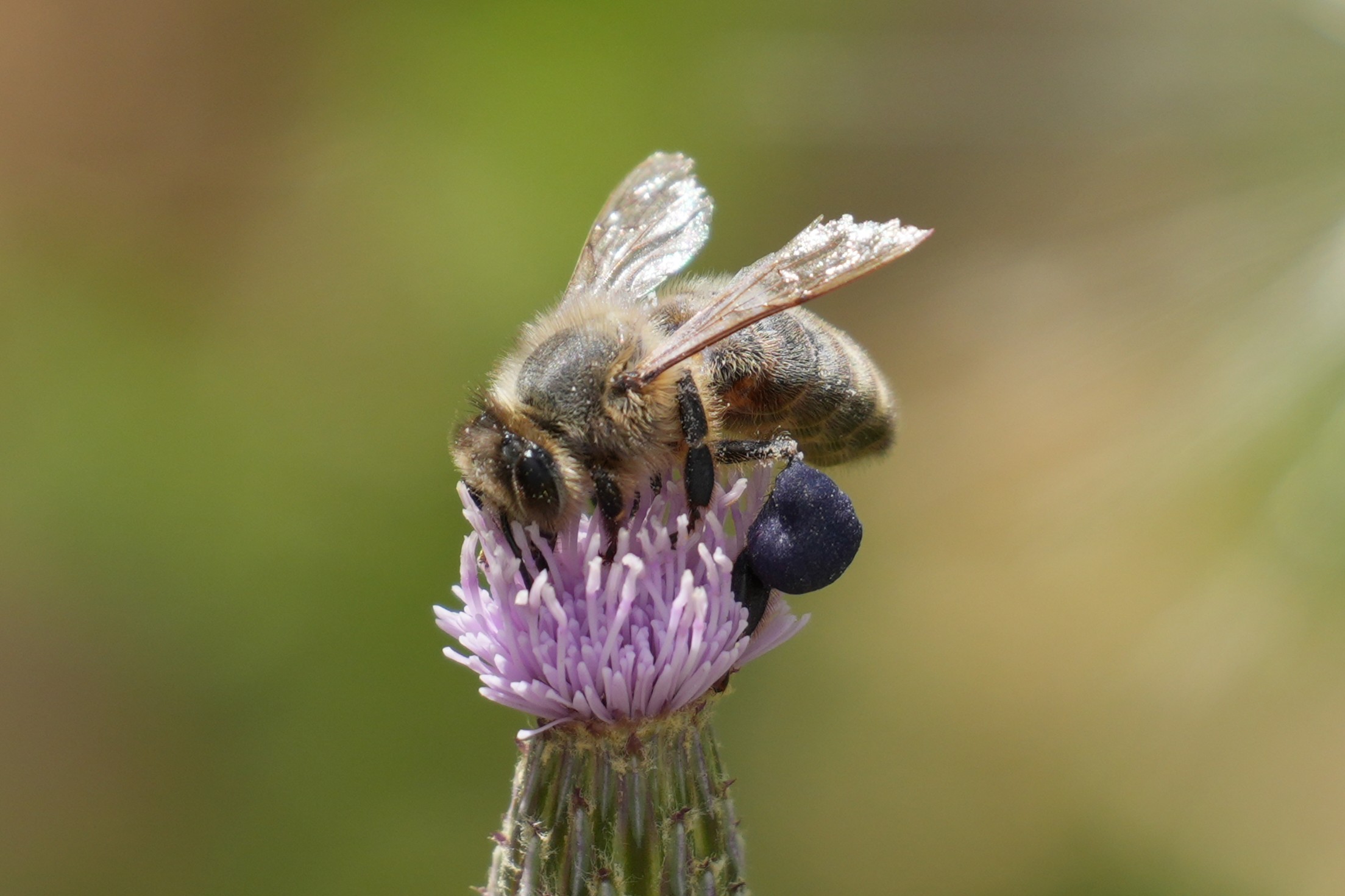
Western Honey Bee
Apis mellifera
Church Crookham, Jun 2026
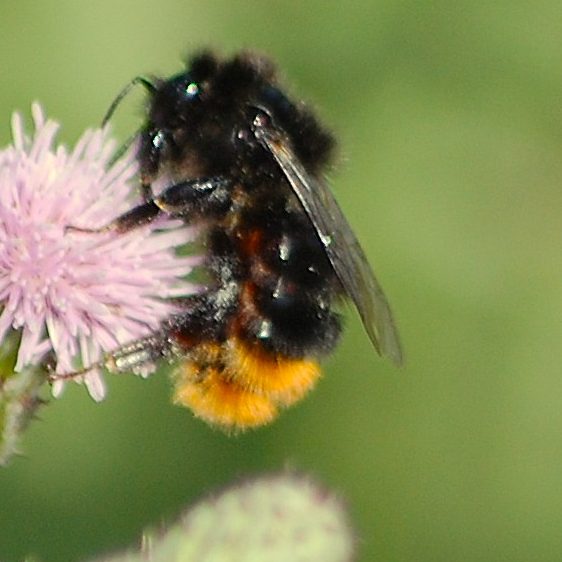
Red-tailed bumble bee
Bombus lapidarius
Runfold, Jul 2026
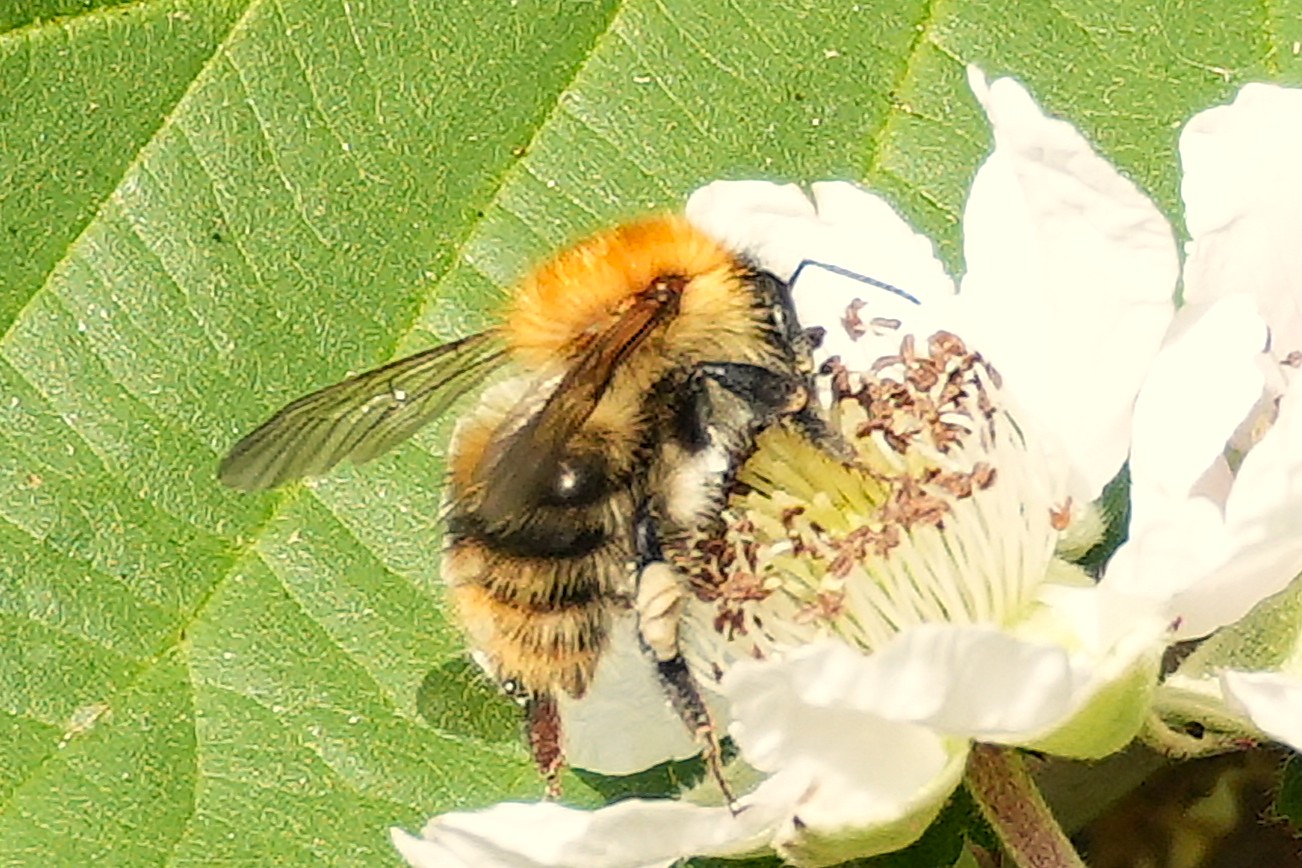
Tree Bumble Bee
Bombus hypnorum
Tice’s Meadow, Jun 2026
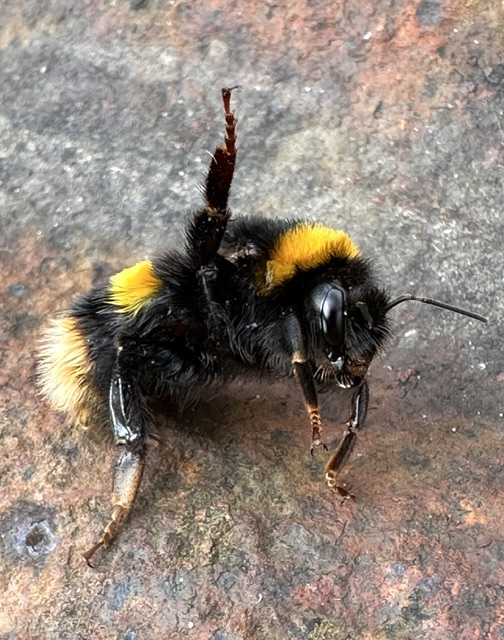
Buff-tailed bumble bee
Bombus terrestris
Tice’s Meadow, Jun 2026
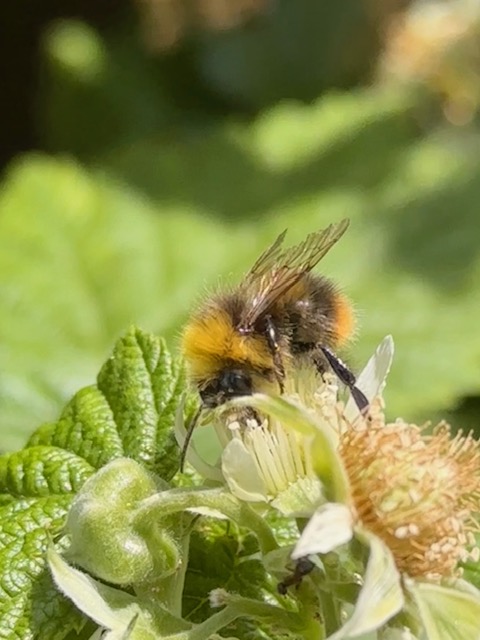
Early Bumble Bee
Bombus pratorum
Tice’s Meadow, Jun 2026
Spined Mason Bee
Osmia spinulosa
Tice’s Meadow, Aug 2026
Western Honey Bee
Apis mellifera
Church Crookham, Jun 2026
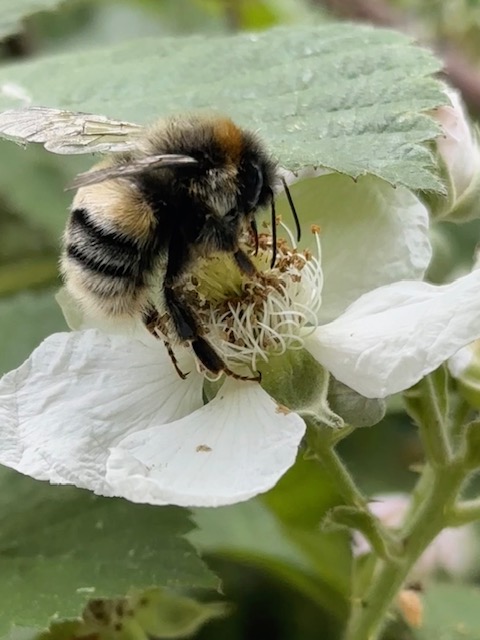
Hairy-footed Flower Bee(TBC)
Anthophora plumipes
Tice’s Meadow, Jun 2026
Violet Carpenter Bee
Xylocopa violacea
Krka Valley, Coratia, June 2026
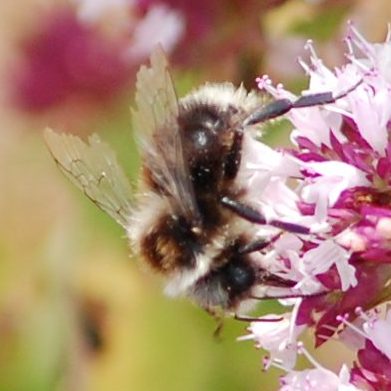
Heath Bumblebee
Bombus jonellus
Runfold ridge, Jul 2026
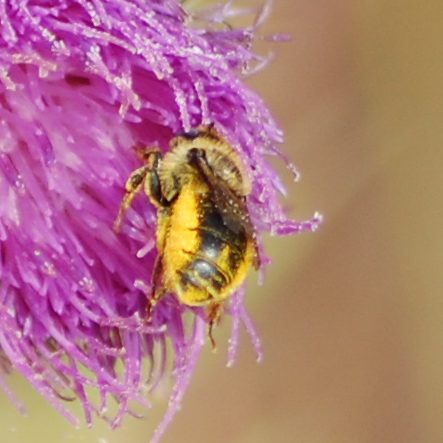
add patchwork leafcutter
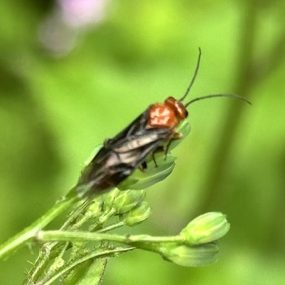
Sawfly
Genus Hemichroa
Tice’s Meadow, April 2026
The true flies, defined by having just one pair of functional wings: the hind pair is reduced to tiny club-shaped balancing organs called halteres (Marshall & Courtney, 2015; Perveen & Khan, 2021). No other insect order is built this way, which is why a bee or a beetle is emphatically not a fly. Despite their reputation, flies are ecologically vital — hoverflies pollinate, and most people never notice the thousands of species that recycle and decompose. Lepidoptera, flies, beetles and hymenoptera together form the four most species-rich insect orders (Bechly et al., 2007).
Four small, ancient orders gathered into one section so each has a single home (and, as with the birds’ merged groups, one blurb). The first three live most of their lives as aquatic juveniles: caddisfly larvae famously build protective cases of twigs and pebbles, mayfly nymphs grow up in streams and then, uniquely among insects, moult one final time after their wings have formed, and alderfly larvae are aquatic hunters with feathery gills. The scorpionflies are the odd ones out — terrestrial, and named for the male’s raised, harmless genital capsule that mimics a scorpion’s sting.
One of the most easily recognised orders: two pairs of membranous wings (hind pair coupled to the fore pair by tiny hooks, the hamuli), and in the great majority a narrow “wasp waist” — the metasoma joined to the thorax by a slender petiole (Rasplus et al., 2010). What truly sets the order apart scientifically is haplodiploidy: males develop from unfertilised haploid eggs, females from fertilised diploid ones — the genetic quirk thought to underpin the evolution of their complex societies (Rasplus et al., 2010; Robinson, 2009). Habits range from solitary to the famous eusocial colonies of honeybees, ants and wasps (Robinson, 2009), and remarkably about 70% of all described hymenopterans are parasitoids (Blaimer et al., 2023).
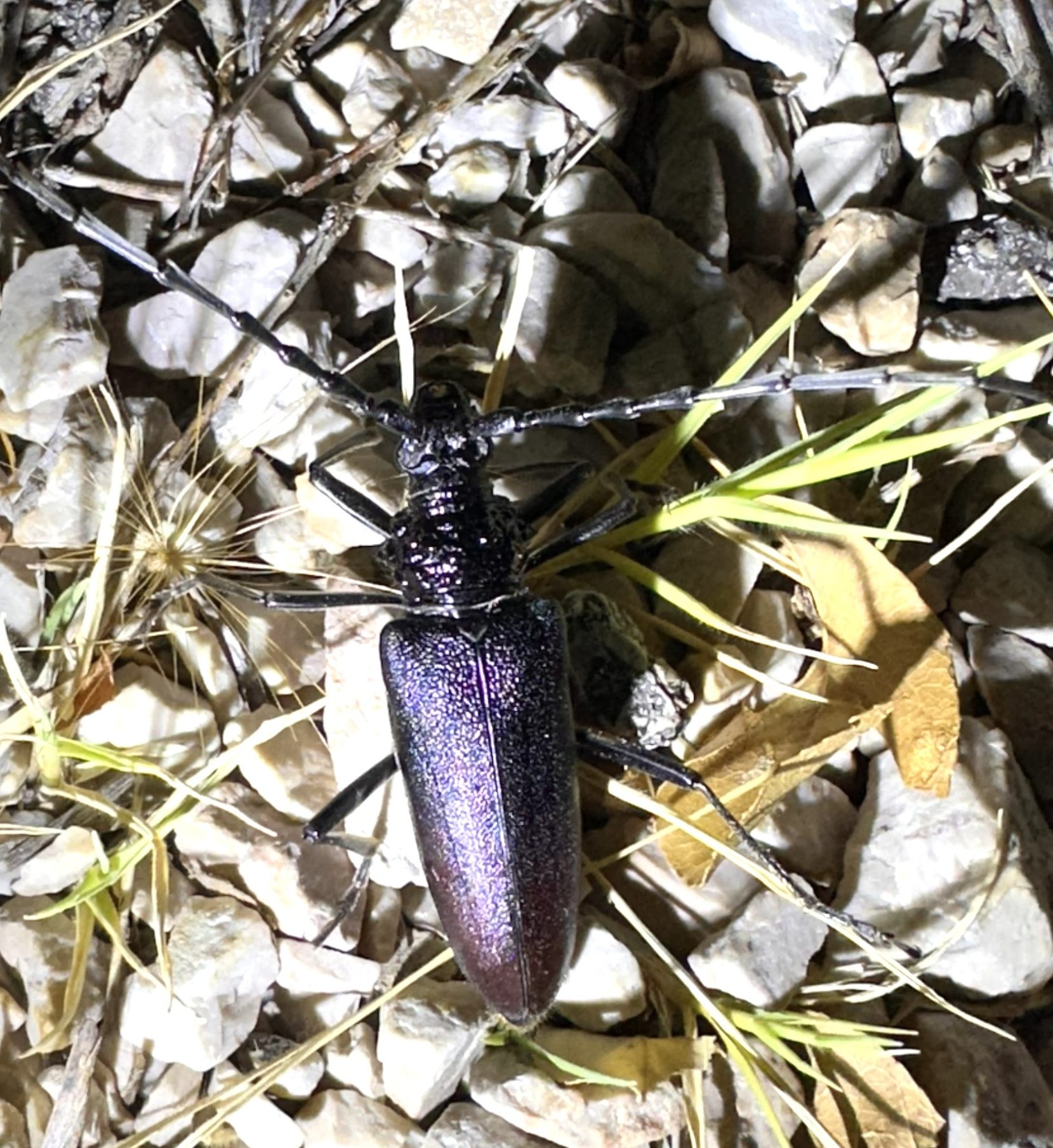
Great Capricorn Beetle
Cerambyx cerdo
Krka Valley, Jun 2026
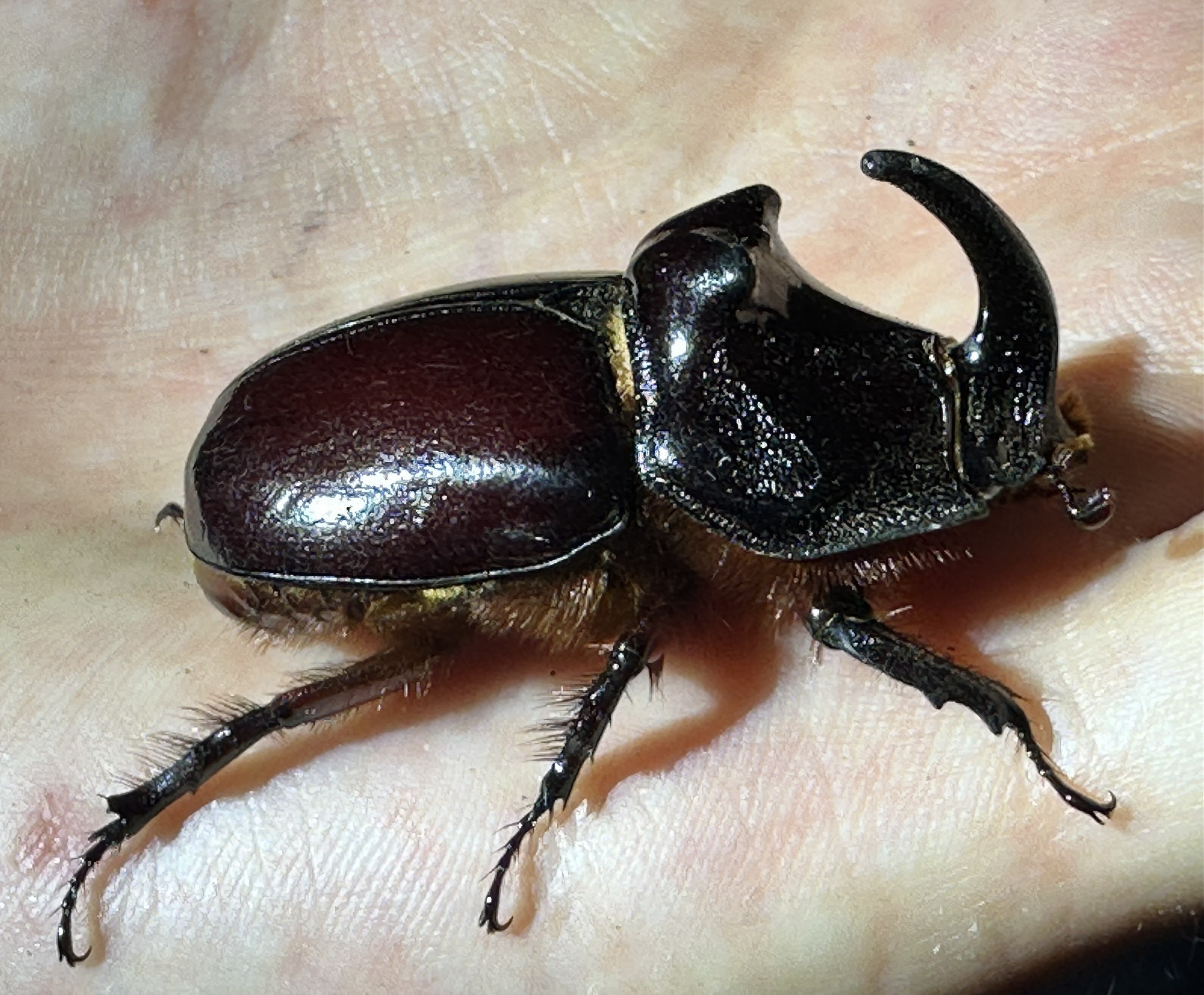
European Rhinoceros beetle
Oryctes nasicornis
Krka Valley, Jun 2026
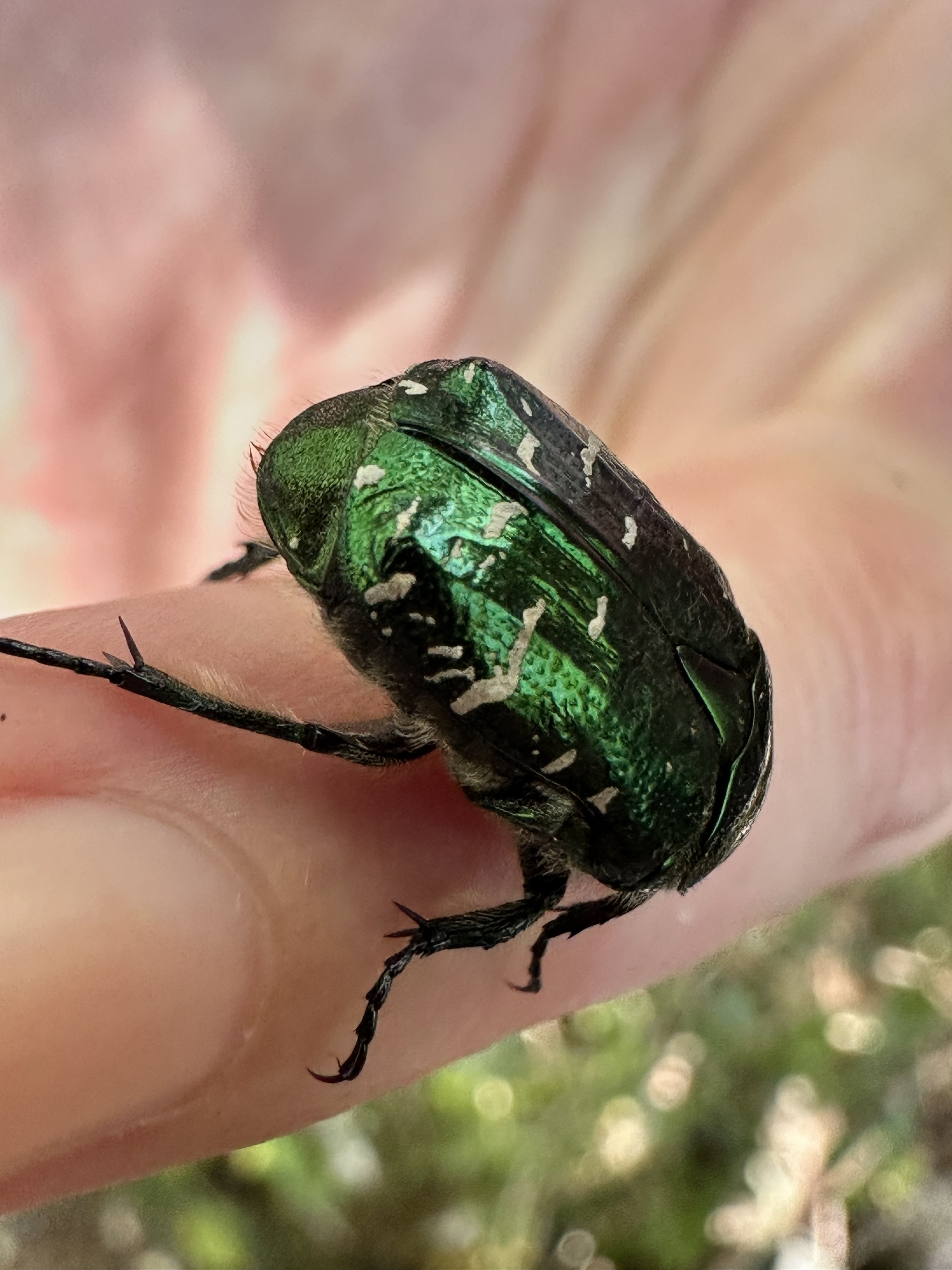
European Rose Chafer
Protaetia angustata
Krka Valley, Jun 2026
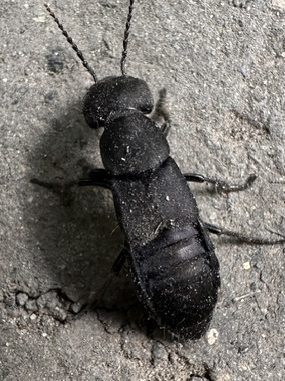
Devil’s Coach Horse Beetle
Ocypus olens
Tice’s Meadow, Jul 2026
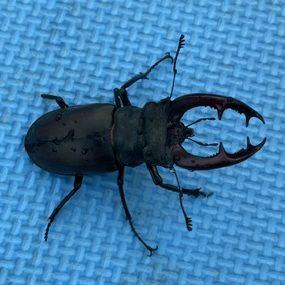
European Stag Beetle
Lucanus cervus
?
Strawberry Seed Beetle
Harpulus rufipes
Tice’s Meadow, Jul 2026
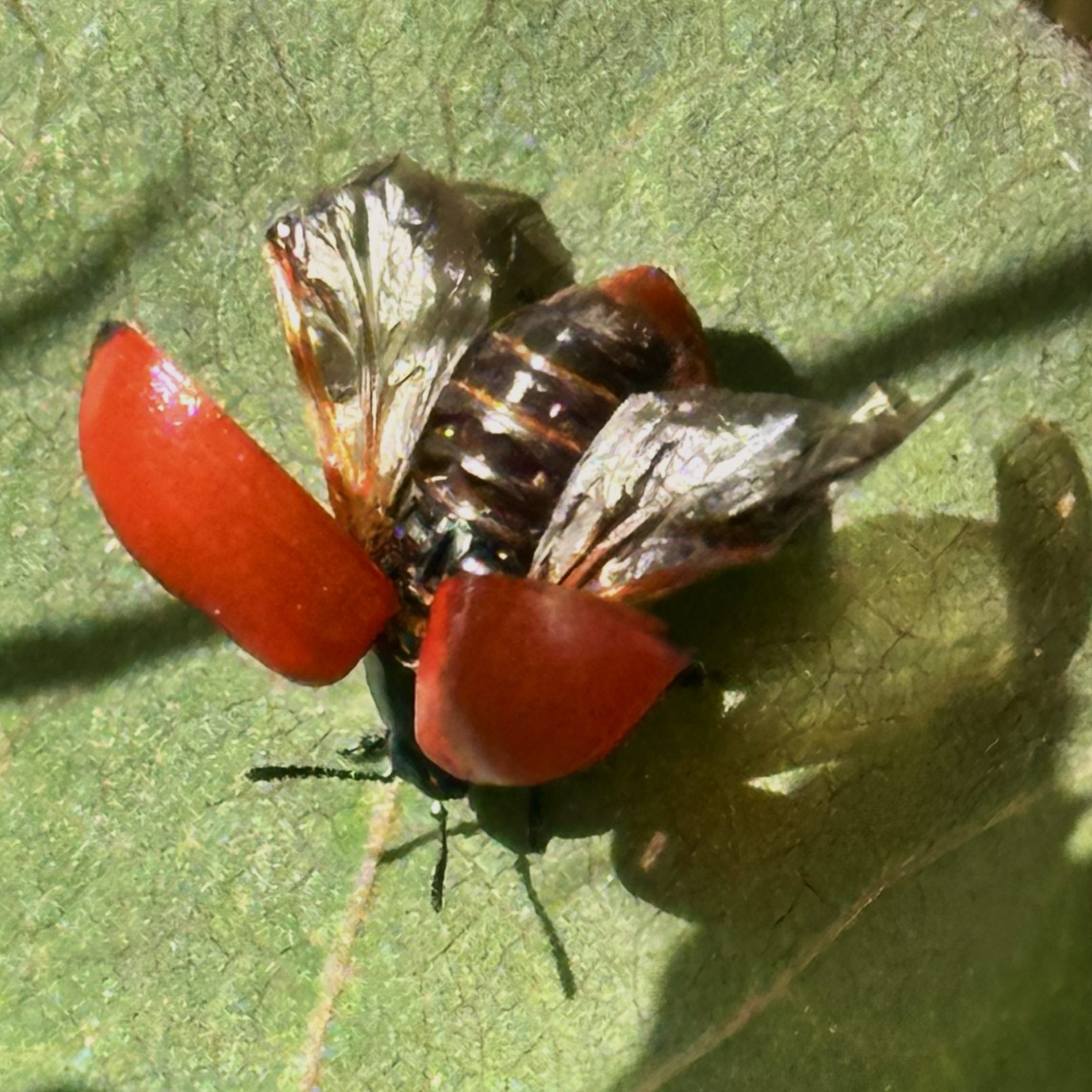
Poplar Leaf Beetle
Chrysomela populi
Tice’s Meadow, Jun 2026
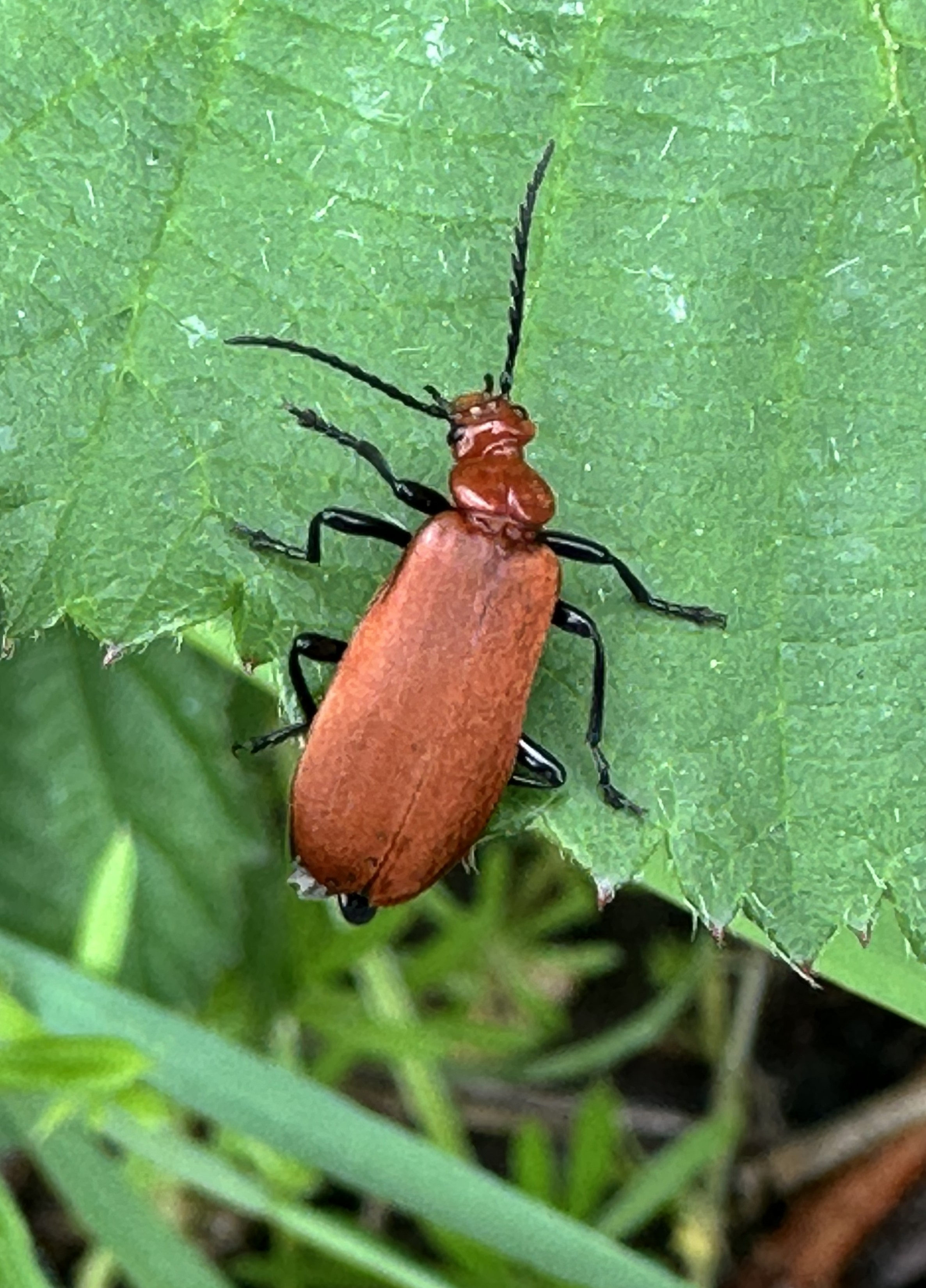
Common Cardinal Beetle
Pyrochroa serraticorins
Tice’s Meadow, Jun 2026
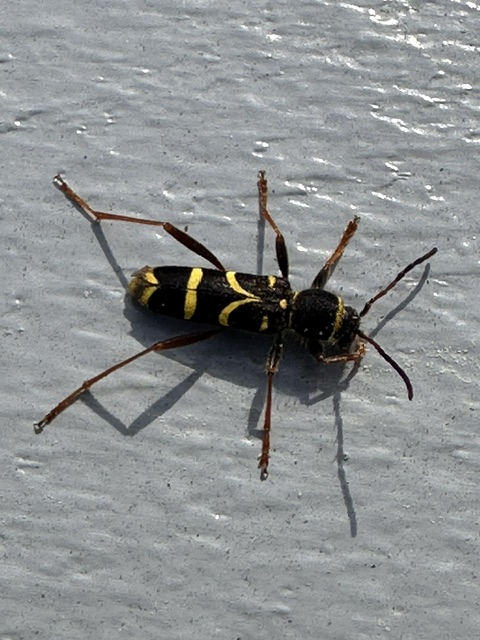
Wasp beetle
Clytus arietis
Basingstoke Canal, Apr 2026
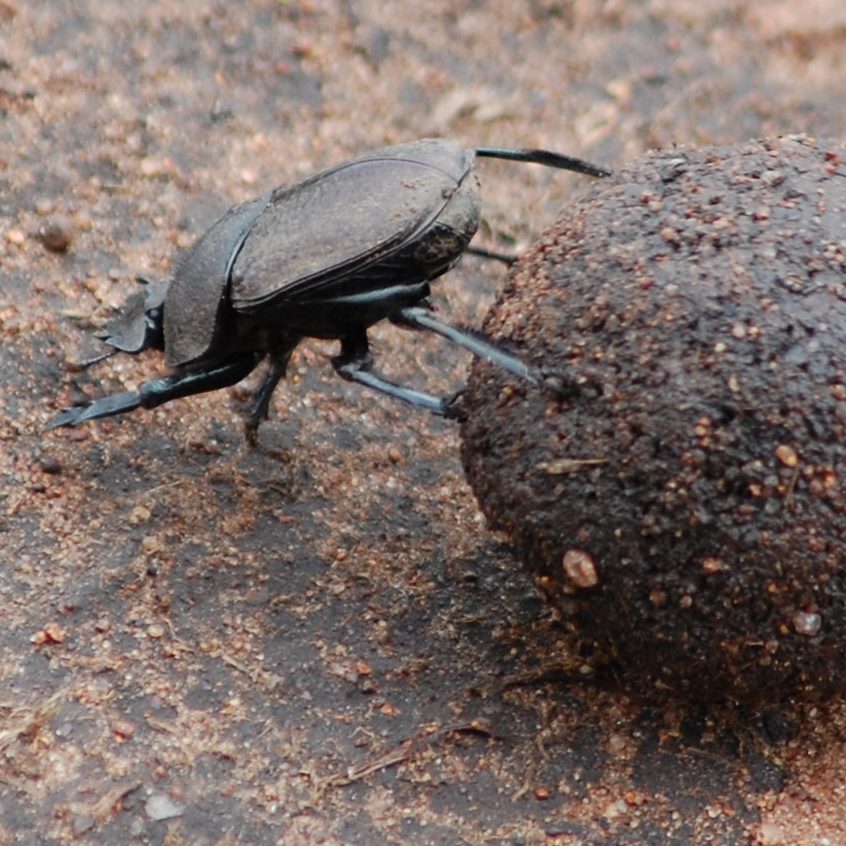
African Dung Beetle
Scarabaeus sacer
Serengiti, Dec 2024
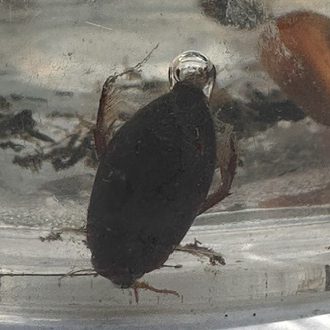
Predaceous Diving Beetle
Family Dytiscidae
Tice’s Meadow, Jul 2026
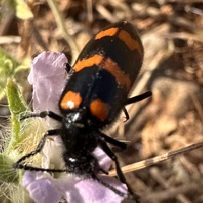
Northen Blisterbeetles
Genus Mylabris
Krka Valley, Jun 2026
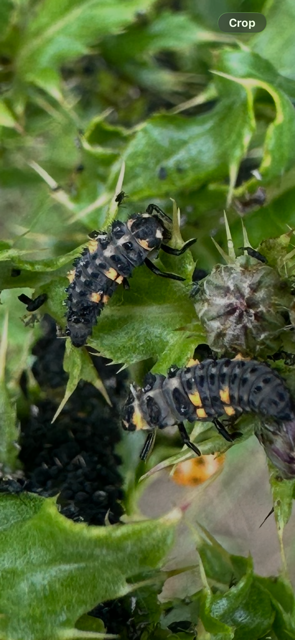
Laval of Lady beetle
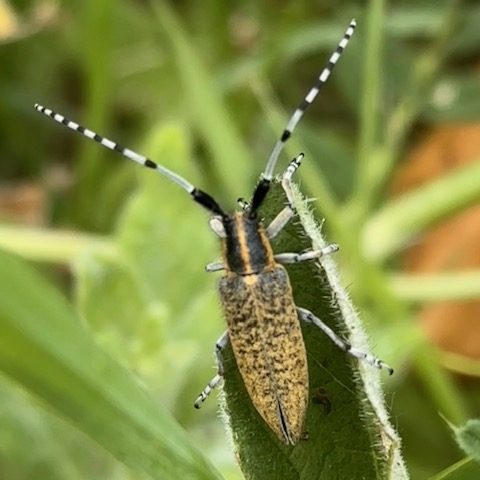
Golden-bloomed Longhorn Beetle
Agapanthia villosoviridescens
Tice’s Meadow, May 2026
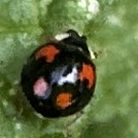
Asian Lady Beetle
Harmonia axyridis
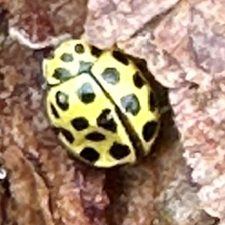
22-Spot Lady Beetle
Psyllobora vigintiduopunctata
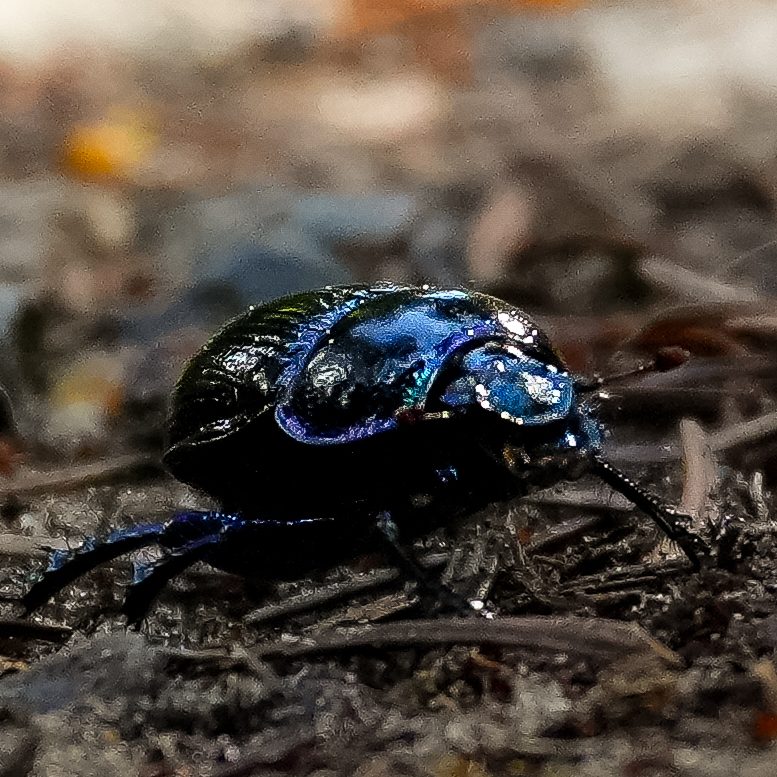
Violet Oil Beetles (Meloe violaceus)
The one order that can claim the word “bug” legitimately. All Hemiptera share piercing-sucking mouthparts — a beak-like rostrum used to tap plant sap or blood — which is why the group was once named Rhynchota, “the beaked ones” (Hodgson & Patterson, 2007; Lu et al., 2017; Podsiadlowski, 2016). It is the largest non-holometabolous insect order, with more than 80,000 described species (Li et al., 2017; Lu et al., 2017). The true bugs proper number over 38,000 species and are most closely related to aphids, cicadas and leafhoppers; their forewings are hardened only at the base into hemelytra (Hodgson & Patterson, 2007).
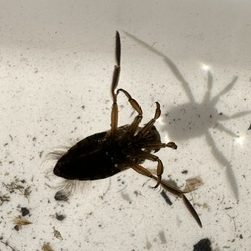
Eurasian Greater Water Boatman
Notonecta glauca
Tice’s Meadow, Jul 2026
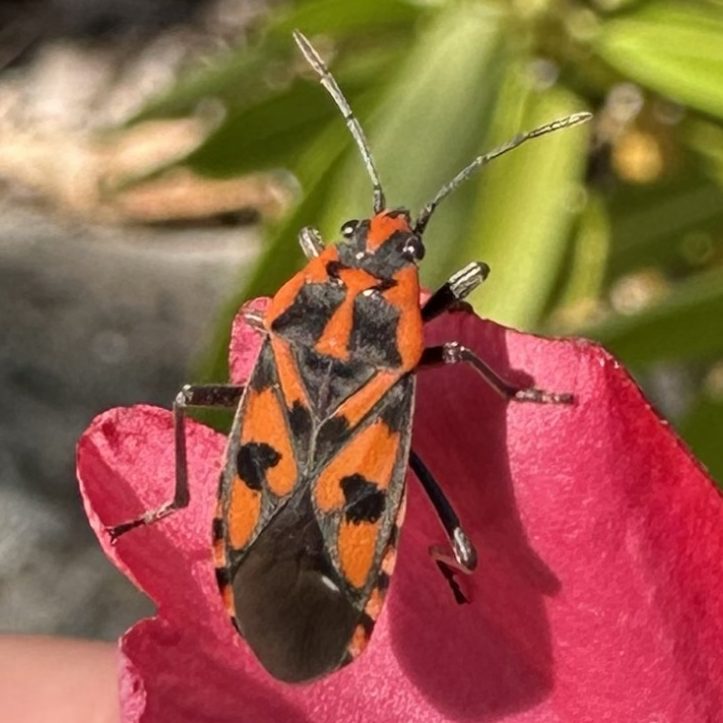
?
Krka Valley, Jun 2026
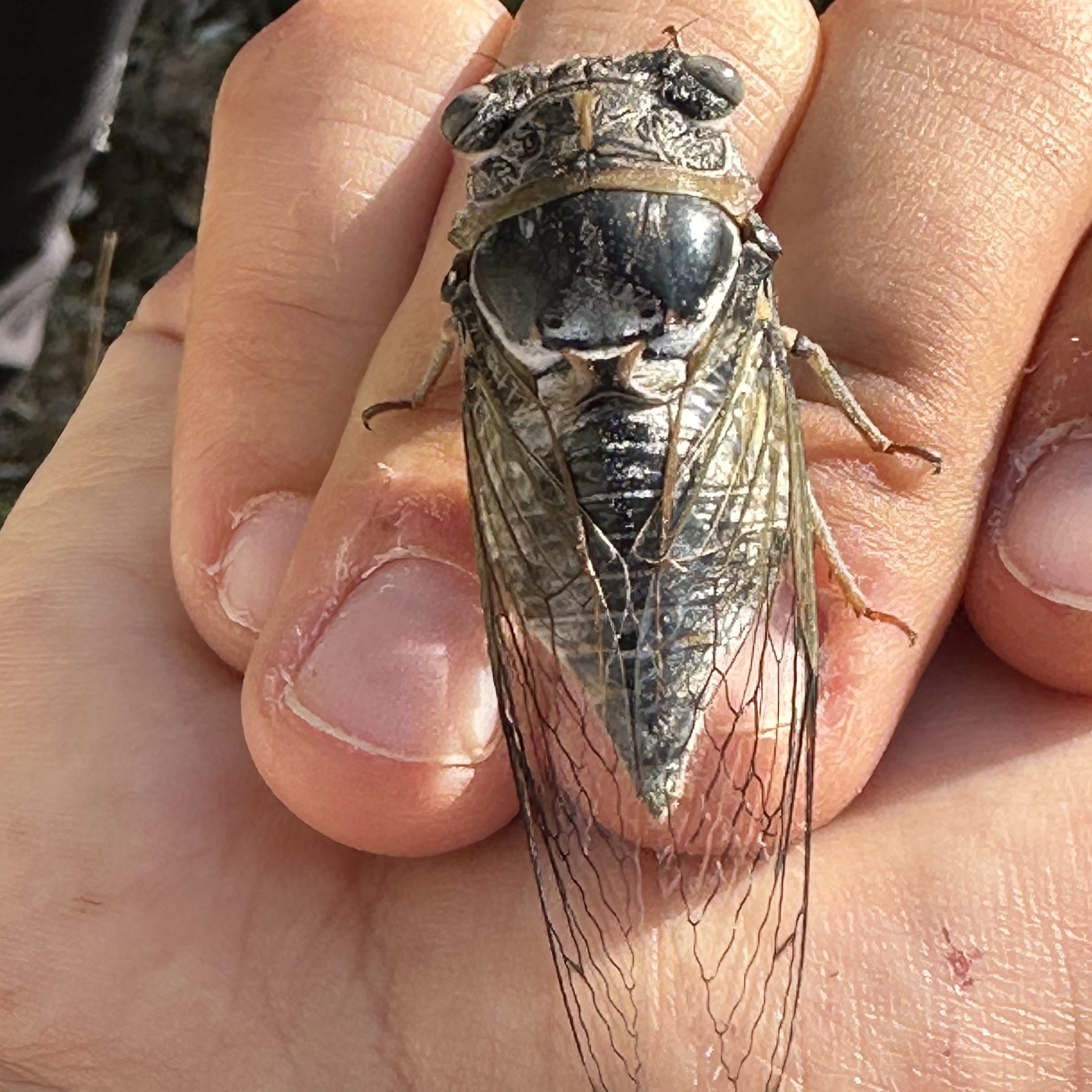
European Cicada
Cicada orni
Krka Valley, Jun 2026
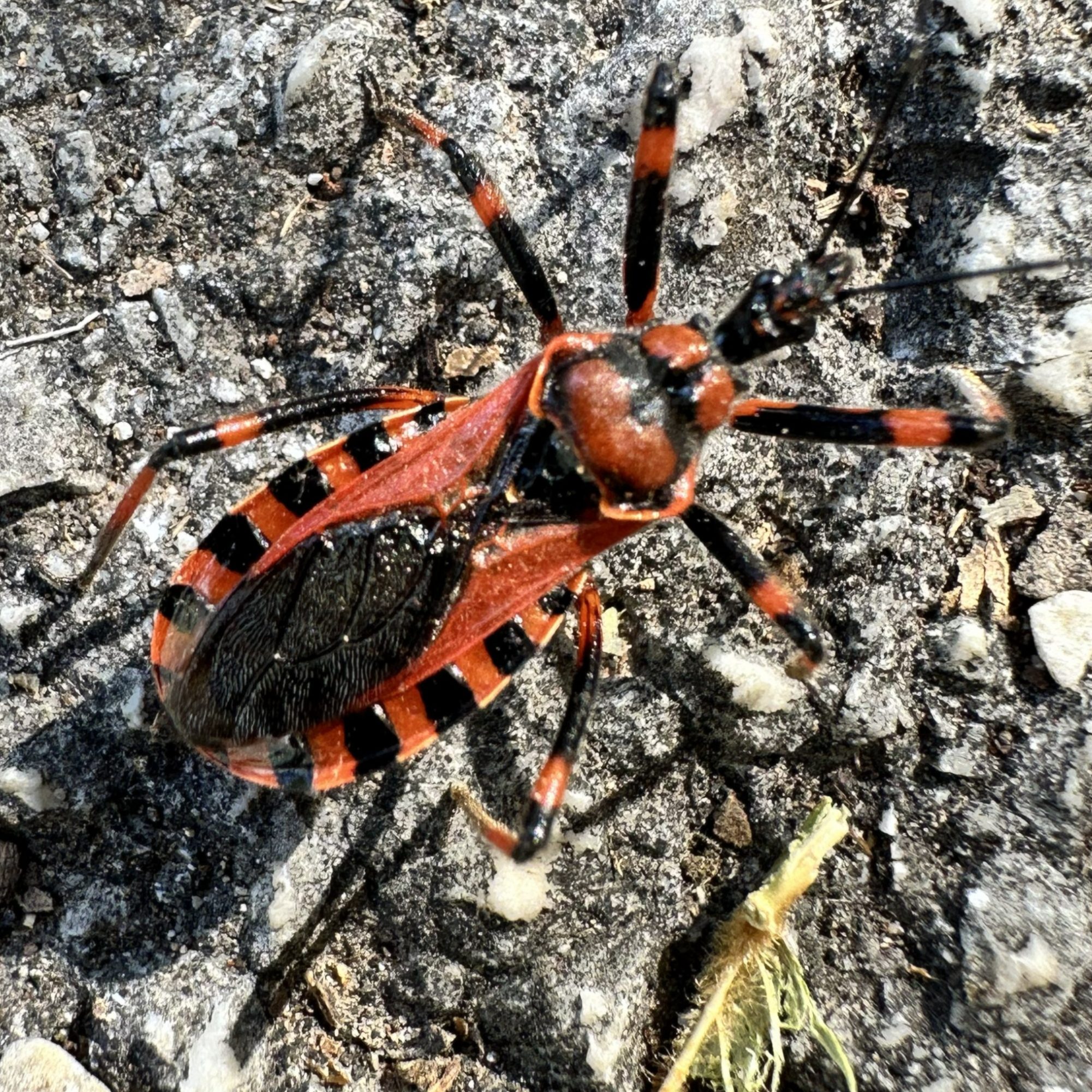
European Assassin Bug
Rhynocoris iracundus
Krka Valley, Coratia, June 2026
Dock Bug
Coreus marginatus
Tice’s Meadow, Jul 2026
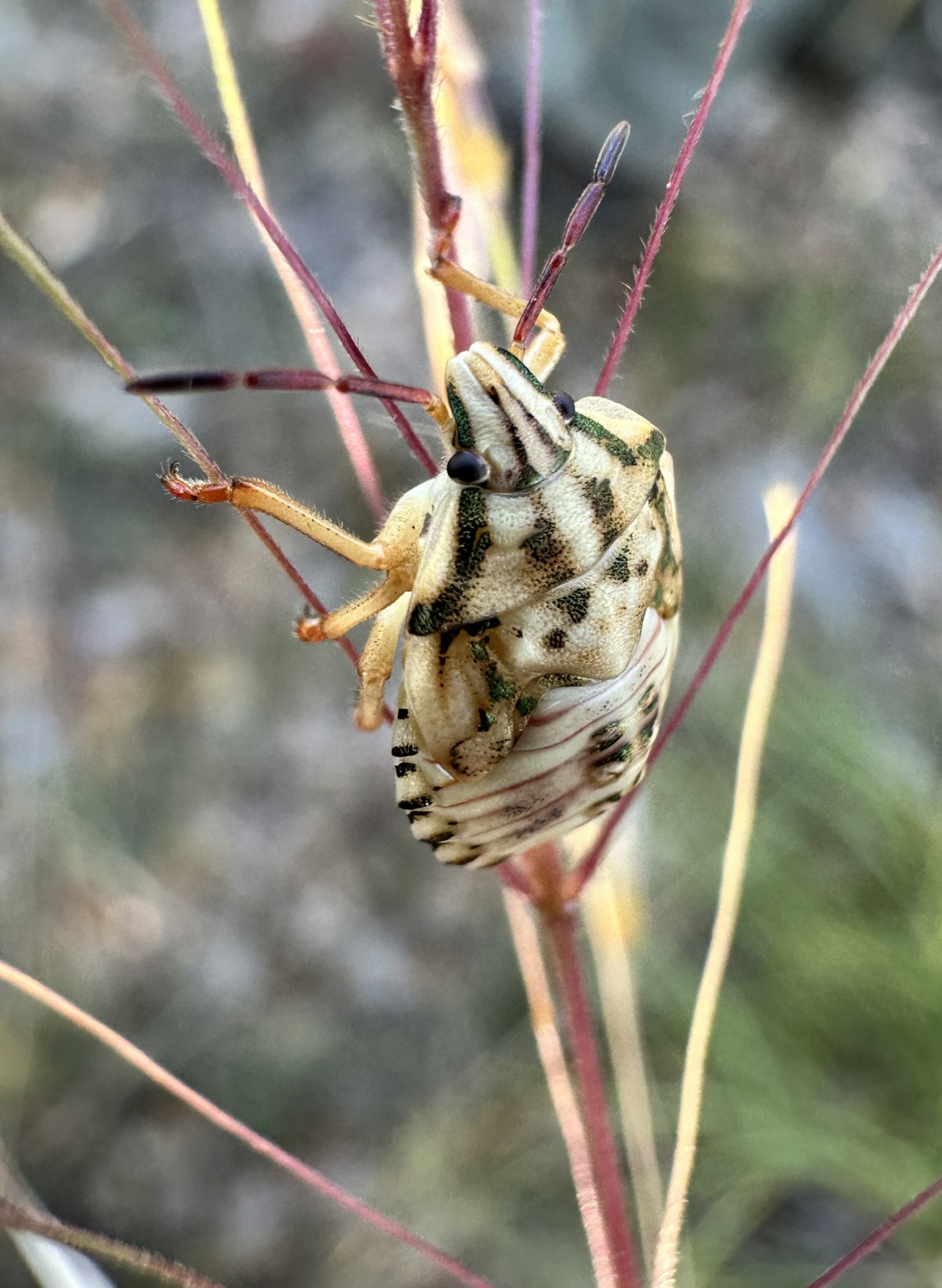
Krka Valley, Coratia, June 2026
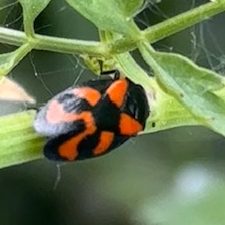
Froghopper
Philaenus spumarius
Tice’s Meadow, May 2026
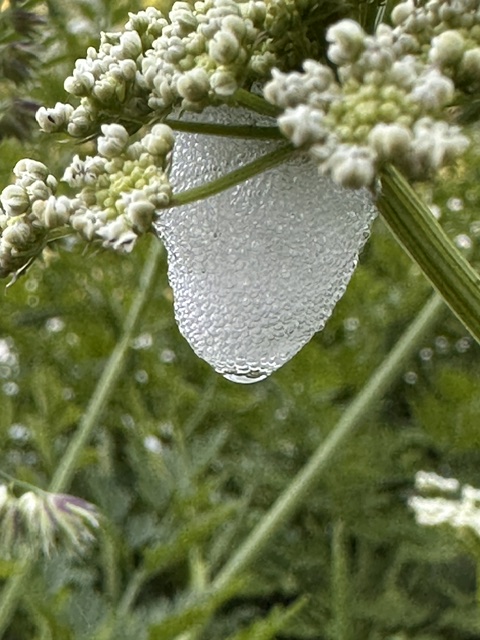
Froghopper nymph – cuckoo spit
Philaenus spumarius
Tice’s Meadow, May 2026
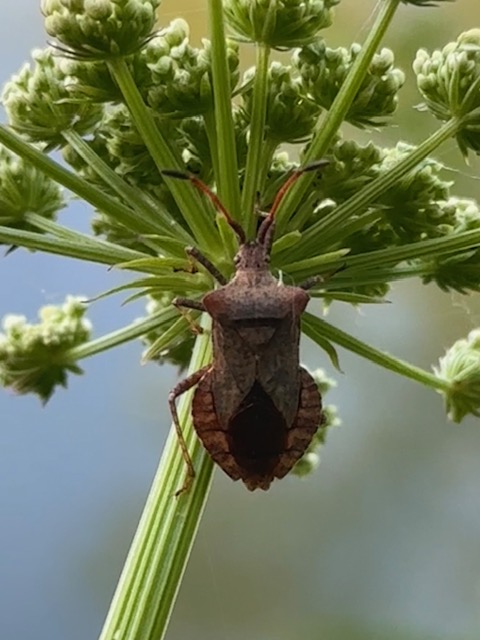
Dock Bug
Coreus marginatus
Church Crookham, Jun 2026
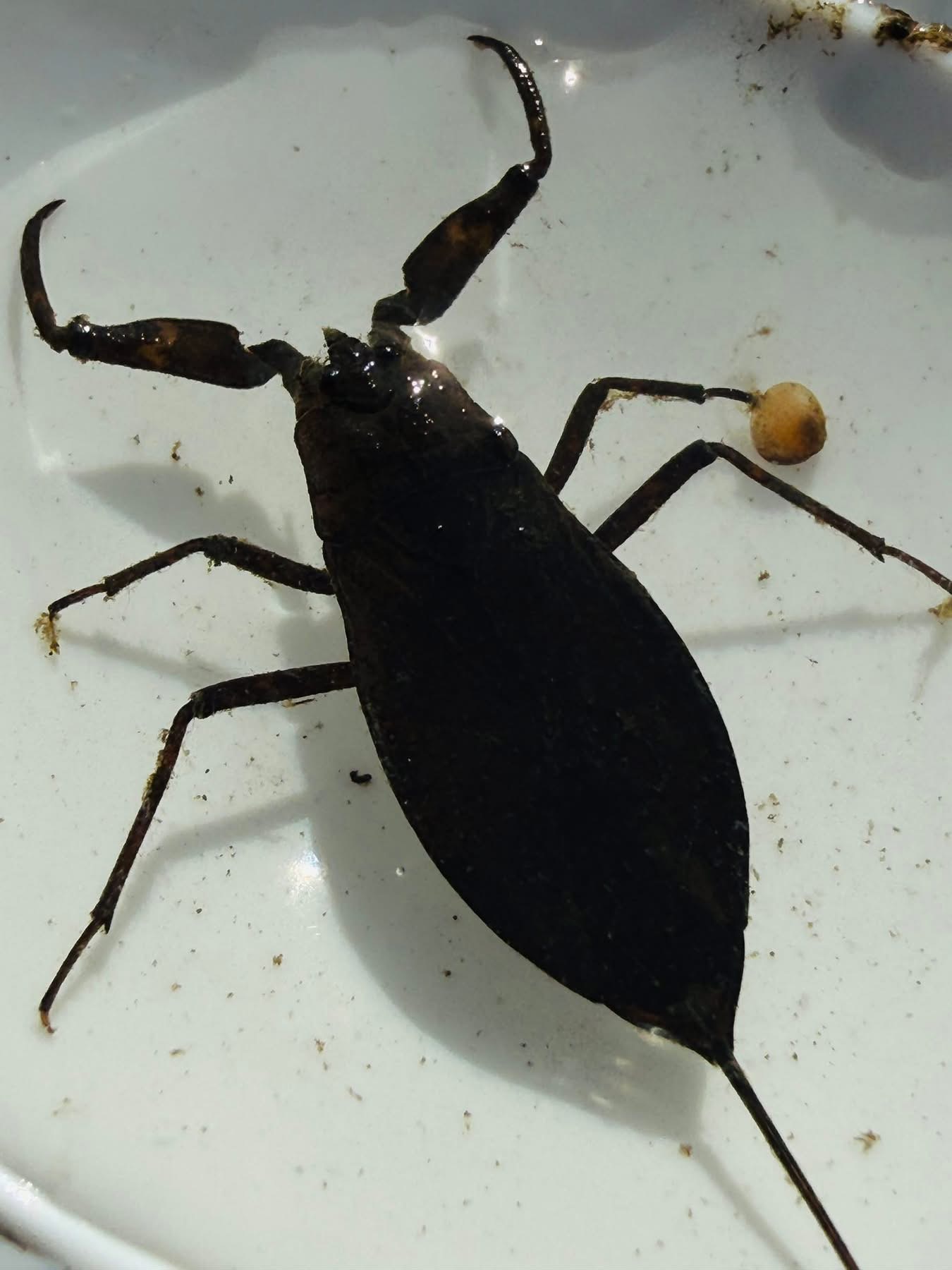
Eurasian Water Scorpion
Nepa cinerea
Tice’s Meadow, April 2026
One of the oldest insect orders, known from the Late Carboniferous, and defined by those well-developed saltatorial hind legs built for jumping (Gu et al., 2019). The order splits into Ensifera — the crickets and bush-crickets — and Caelifera, the grasshoppers and locusts, with around 12,200 species in the latter alone (Gu et al., 2019; Song et al., 2020). Its scientific showcase is acoustic: sound-producing organs evolved independently in the two suborders, and modern calls are made by rubbing the hind femora against other body parts — the chirping that defines a summer’s day (Song et al., 2020).
Crickets
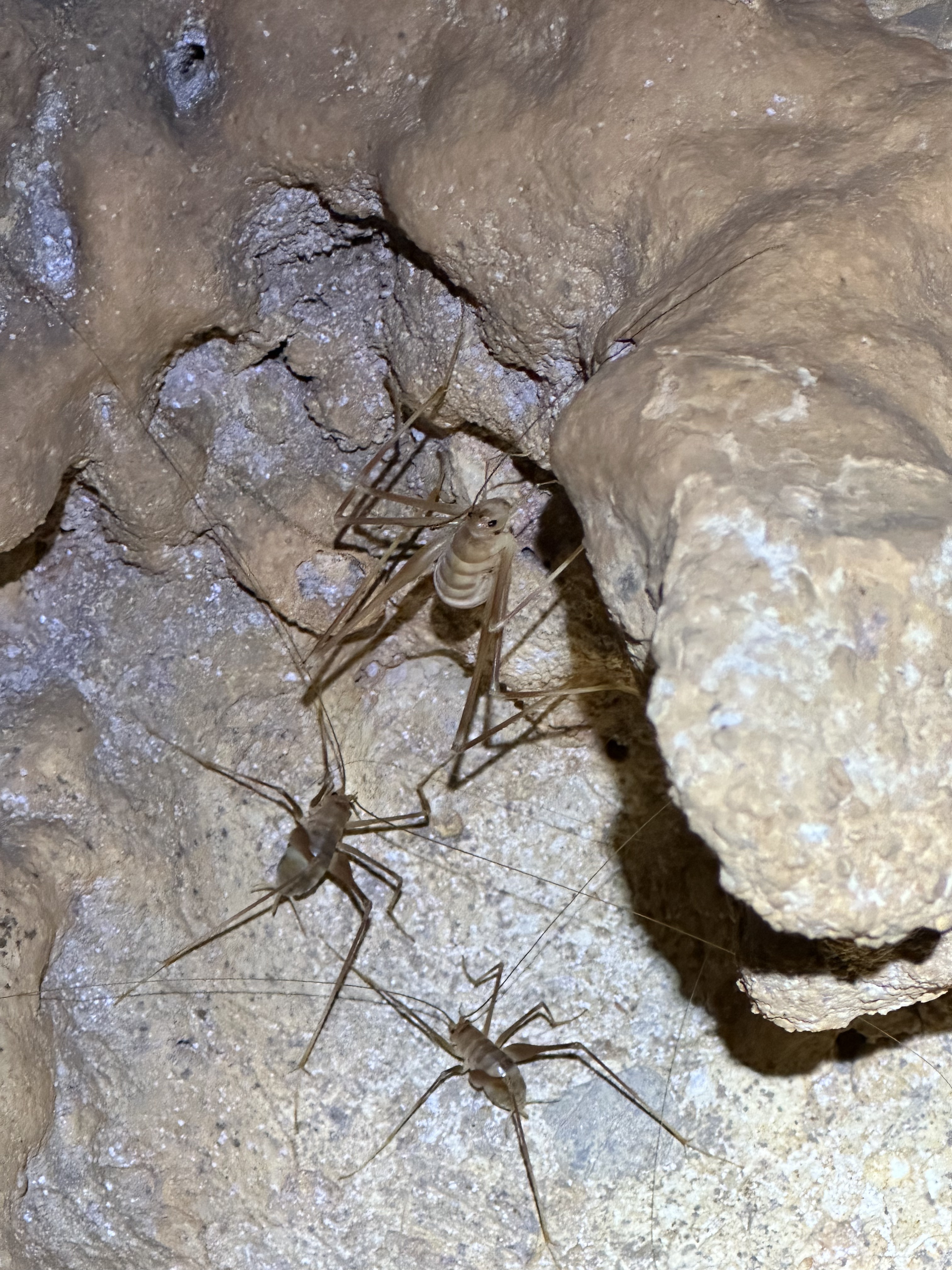
Cave Crickets
Dolichopoda araneiformis
Krka Valley, Coratia, June 2026
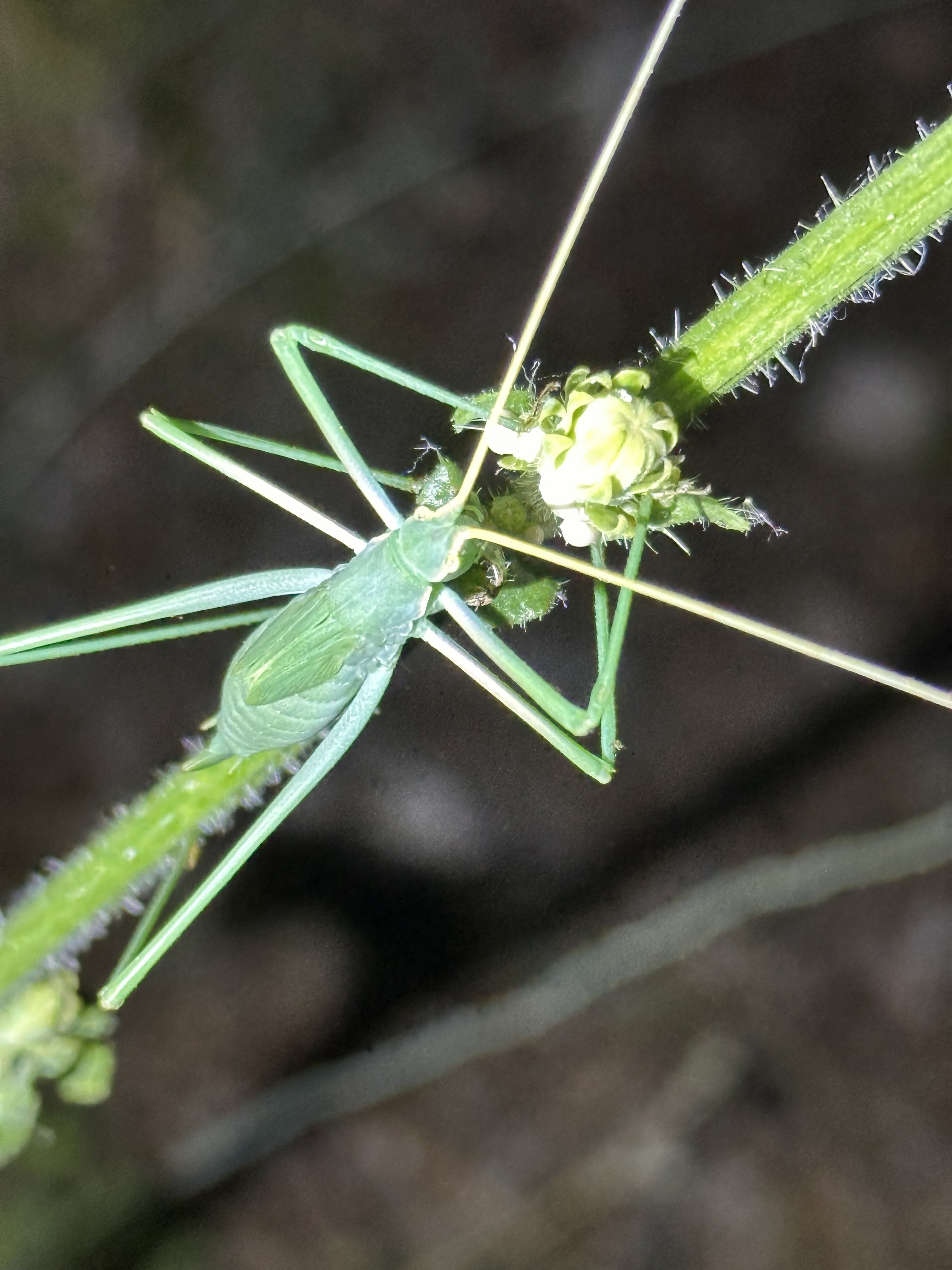
Common long legged bush cricket
Tettigonia viridissima
Krka Valley, Coratia, June 2026
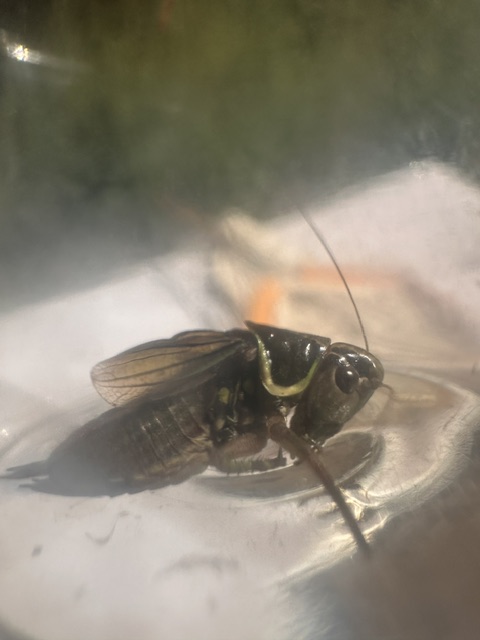
Roesel’s Bush-Cricket
Roeseliana roeselii
Tice’s Meadow, Jul 2026
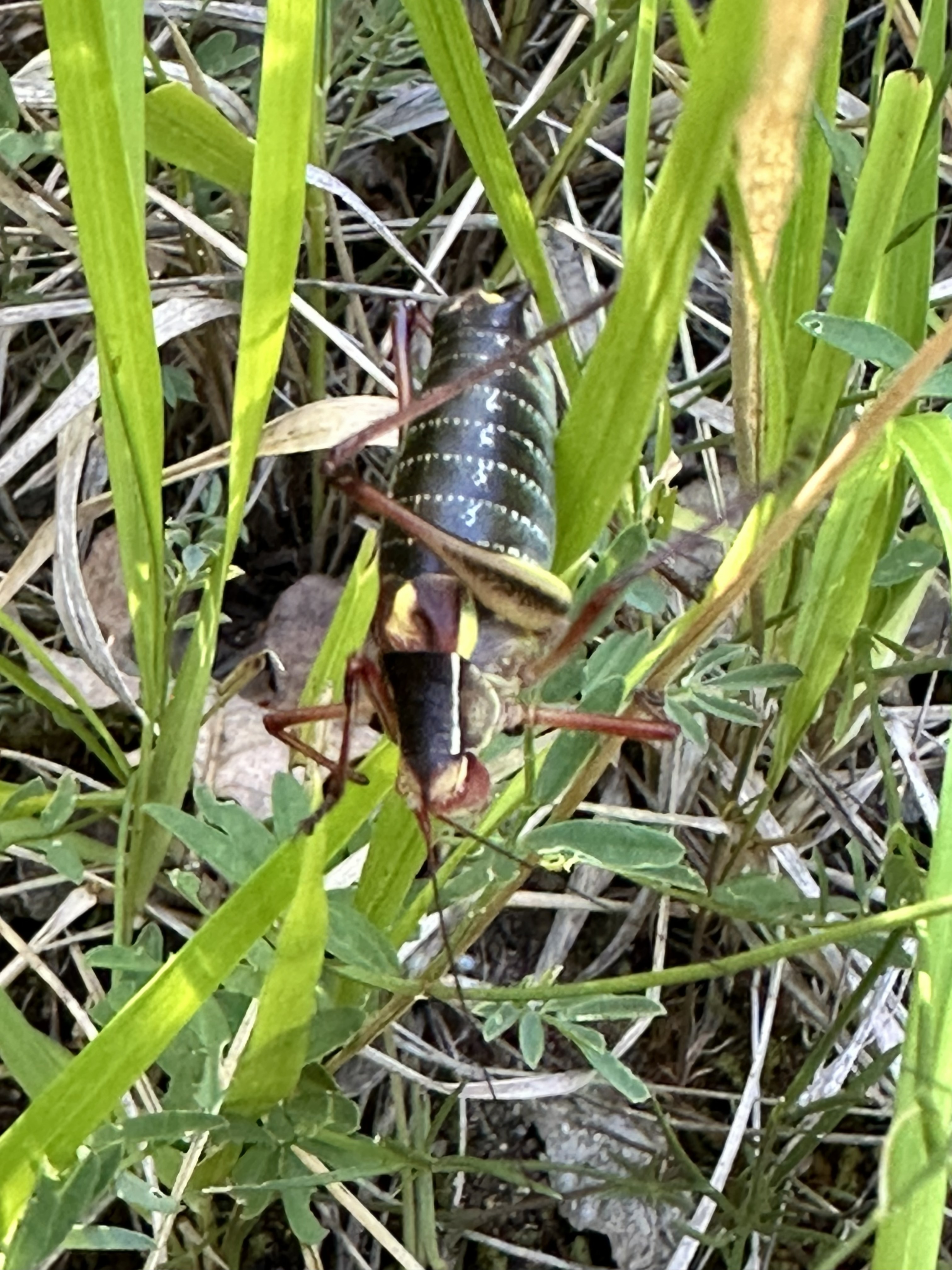
Balkan Saw Bush-Cricket
Barbitistes yersini
Krka Valley, Coratia, June 2026
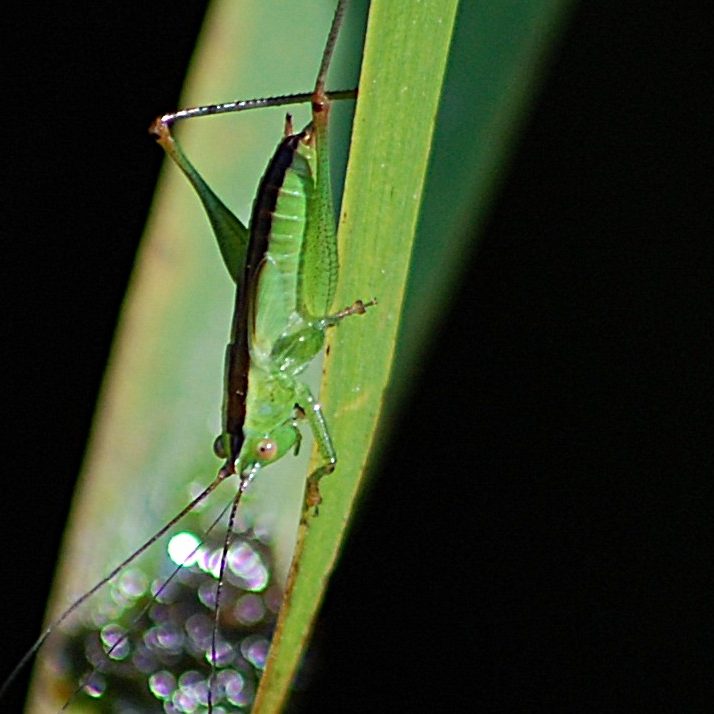
Lesser Meadow Katydids
Genus Conocephalus
Tice’s Meadow, Jul 2026
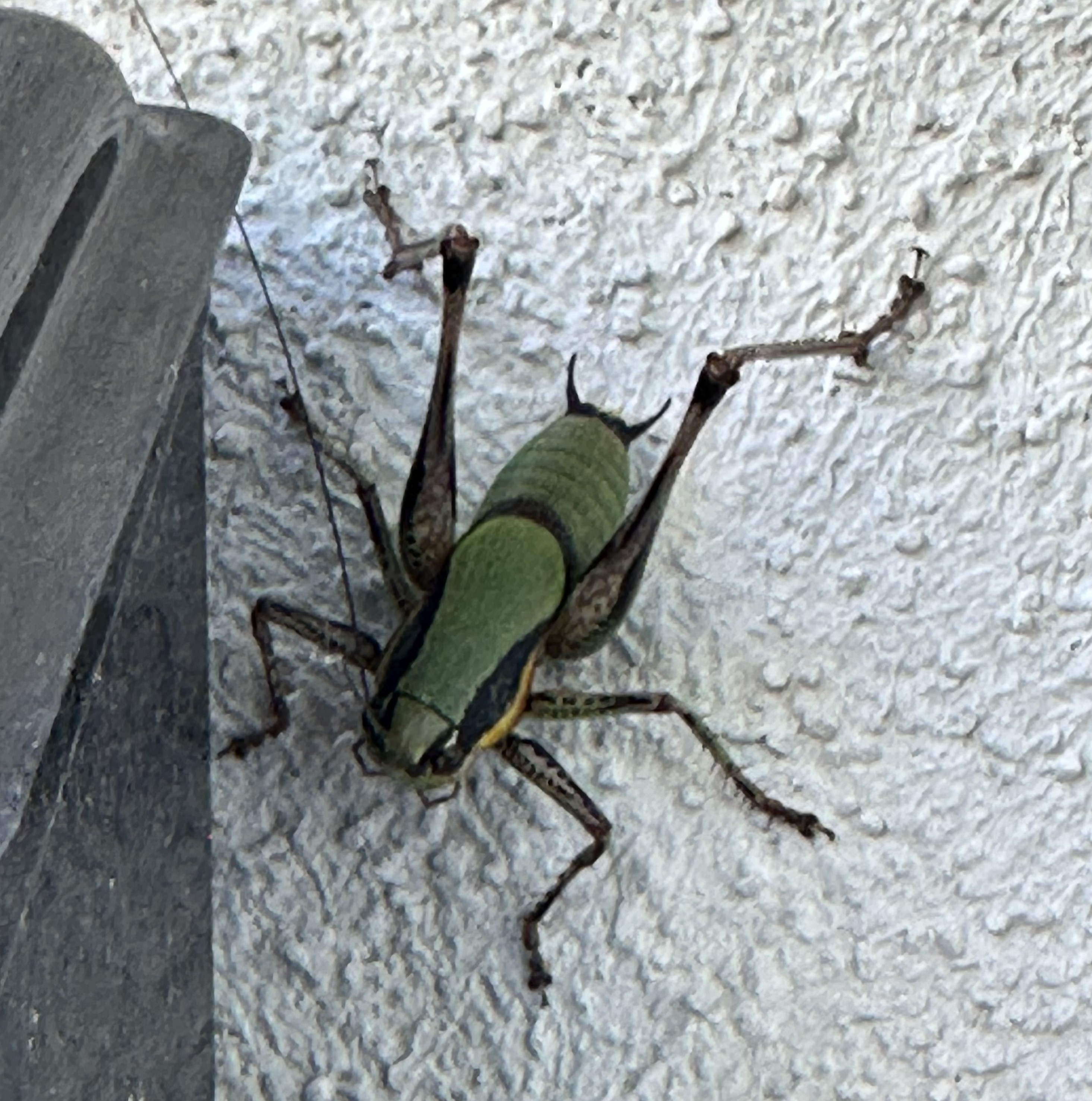
Schmidt’s Marbled bush-cricket
Eupholidoptera schmidti
Krka Valley, Coratia, June 2026
Grasshoppers
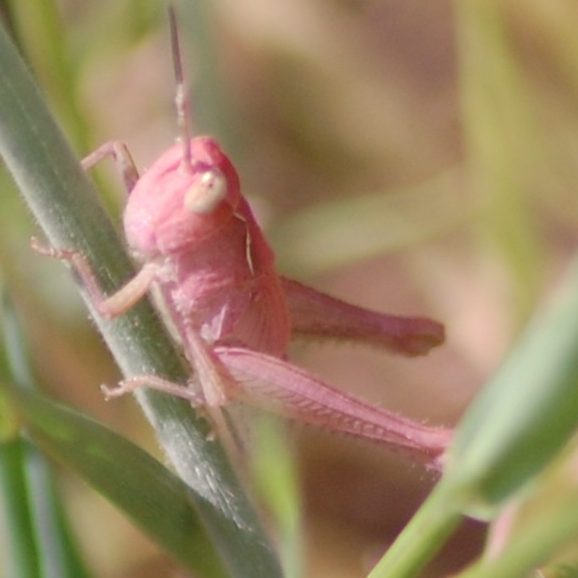
Meadow grasshopper
Chorthippus parallelus
Thundery Meadows, Jul 2026
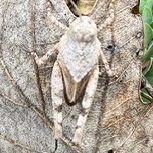
Bandwing Grasshopper
Subfamily Oedipodinae
Krka Valley, Coratia, June 20266
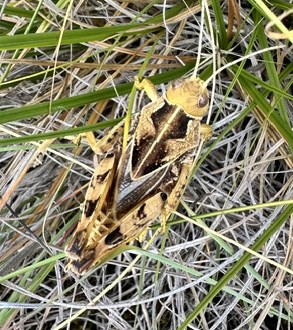
European Giant Steppe Grasshopper
Pronotropis hystrix
Krka Valley, Coratia, June 2026
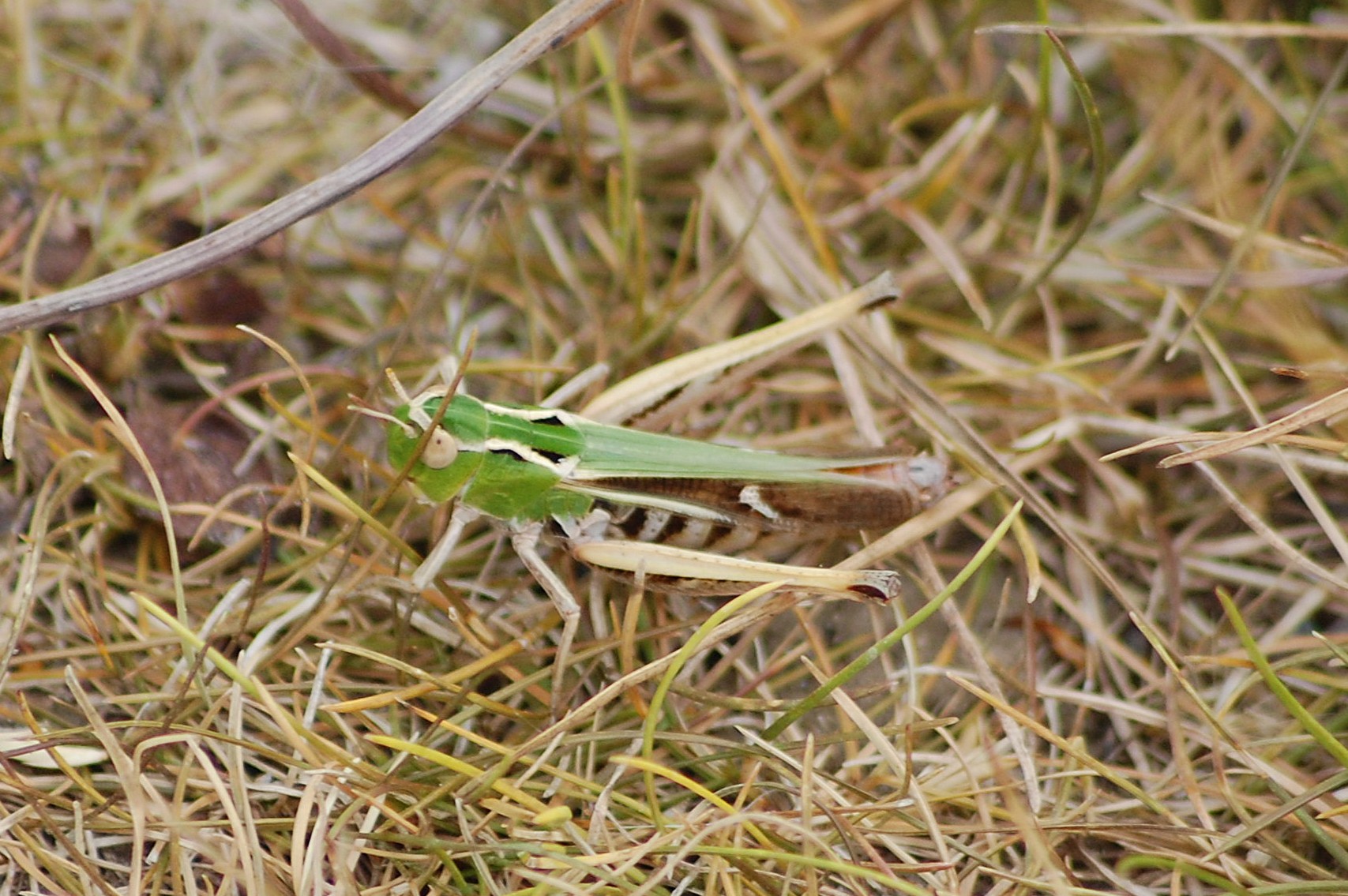
Stripe-winged Grasshopper
Stenobothrus lineatus
Runfold, Jul 2026
Spiders, harvestmen, mites, ticks and scorpions — not insects, and the differences are precise: eight walking legs instead of six, two body regions (cephalothorax and abdomen) instead of three, and no antennae at all (Lateef et al., 2015; Shultz, 2001; Singh et al., 2020). Instead of jaws they use chelicerae — fangs in spiders, able to inject venom (Singh et al., 2020). Spiders are the largest order of arachnids and rank seventh in species diversity among all orders of organisms (Singh et al., 2020). All arachnids wear a jointed exoskeleton and grow by moulting, just like their insect cousins (Shultz, 2001).
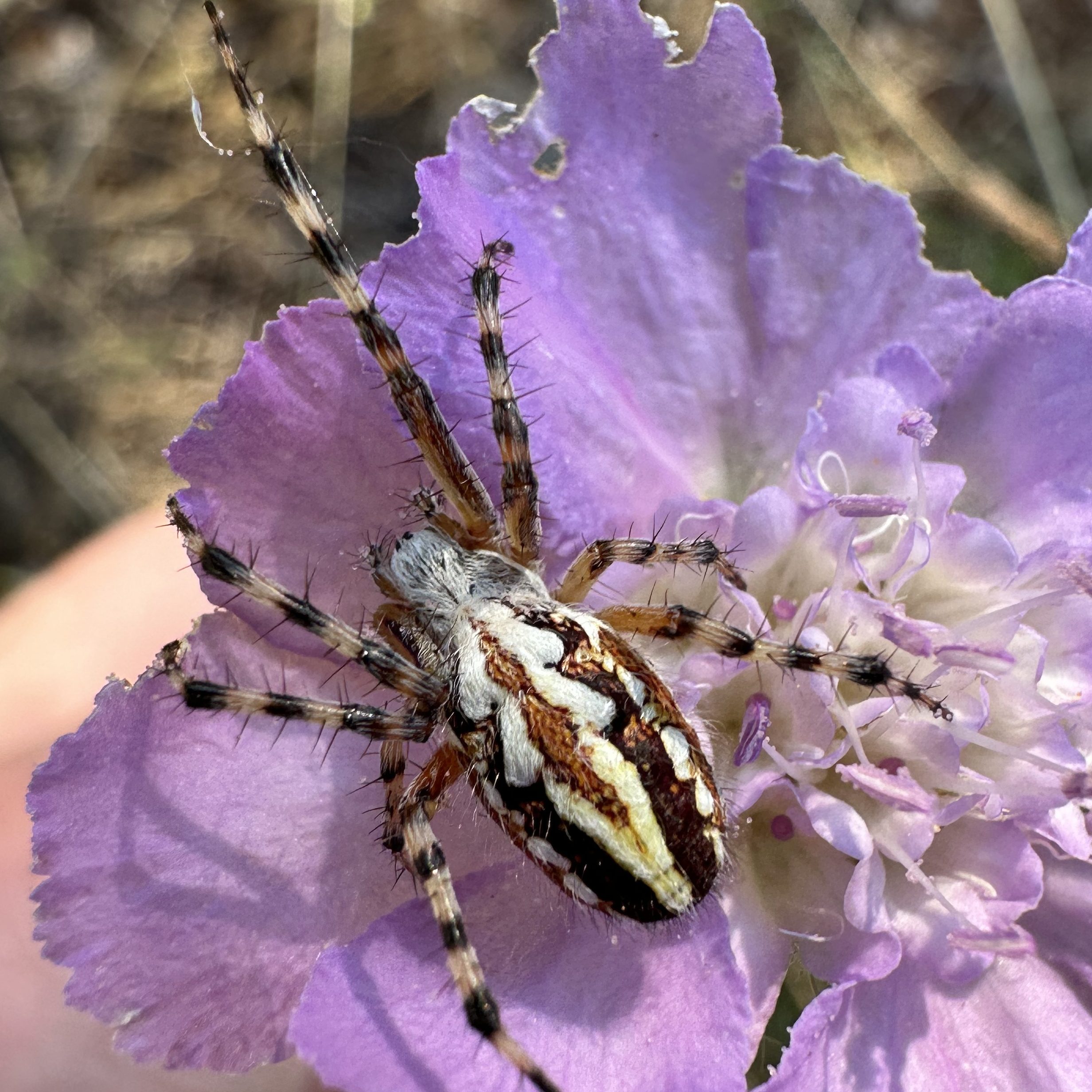
Aculepeira armida
Krka Valley, Croatia, June 2026
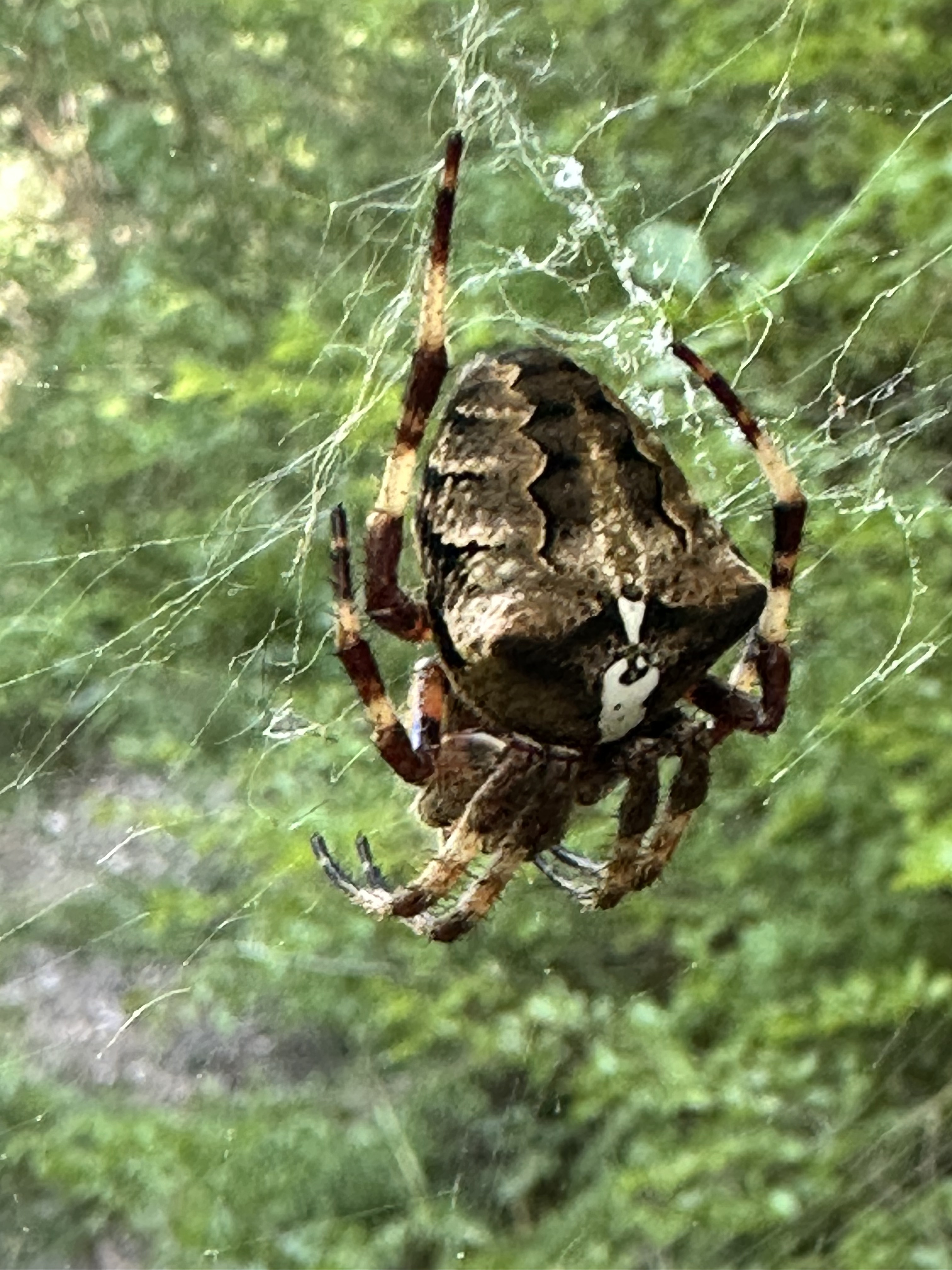
Angular orbweaver Spider
Araneus angulatus
Krka Valley, Croatia, June 2026
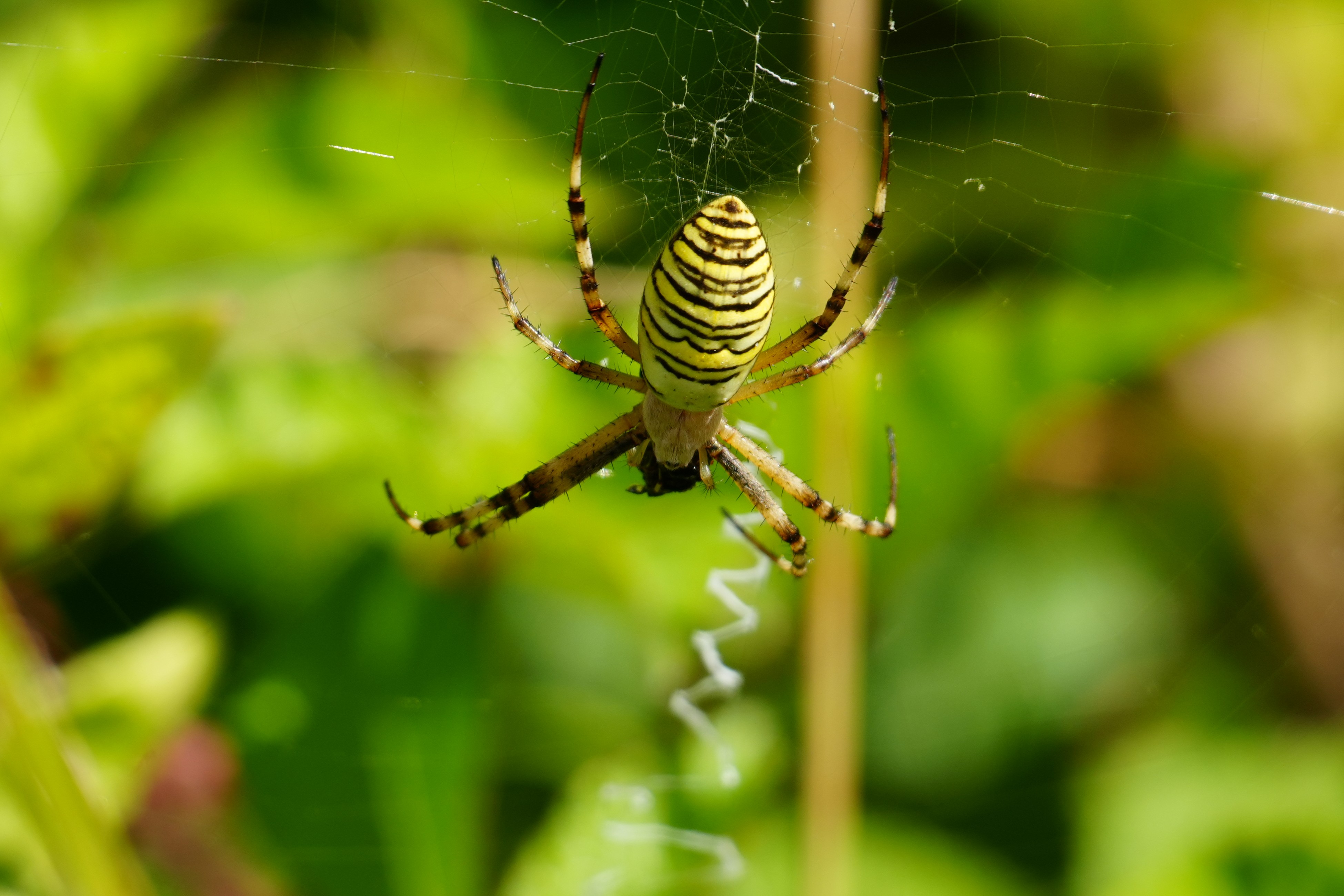
Wasp Spider
Argiope bruennichi
Tice’s Meadow, July 2026
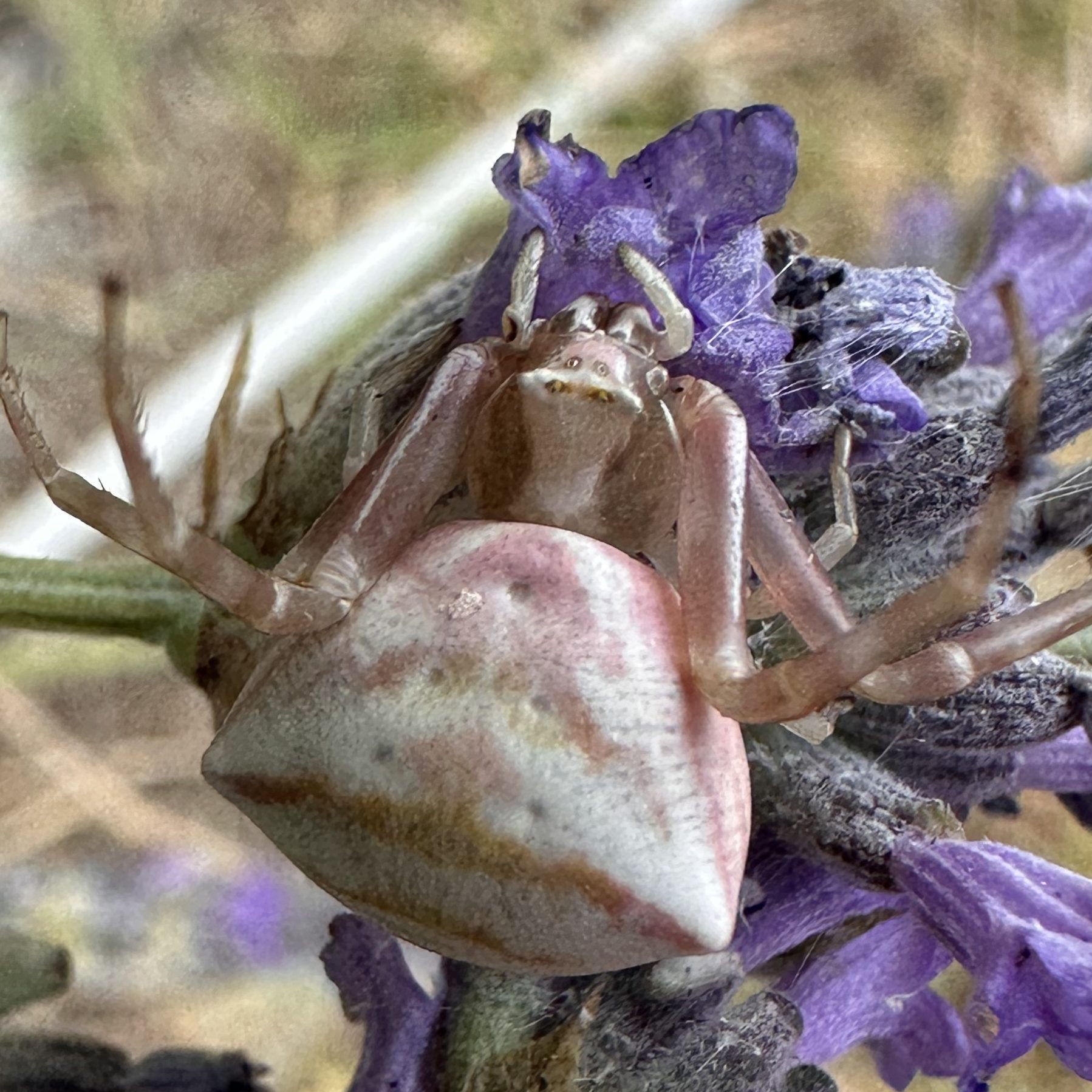
Heather Crab spider
Thomisus onustus
Krka Valley, Croatia, June 2026
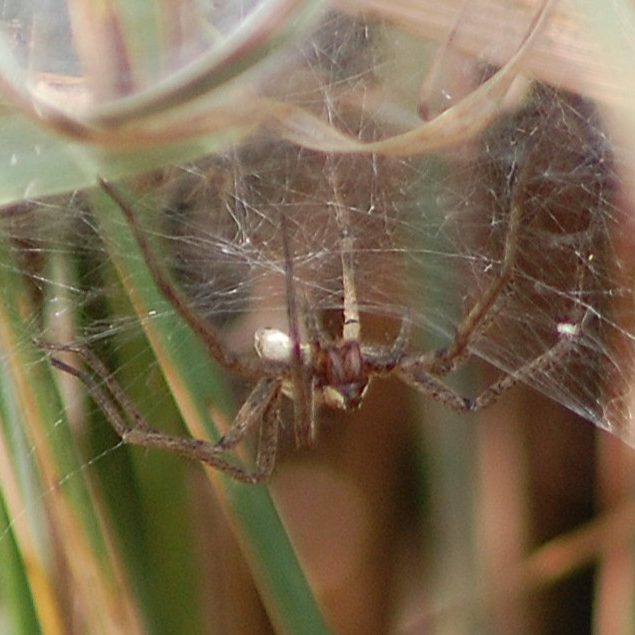
European Nursery Web Spider
Pisaura mirabilis
Tice’s Meadow, Jun 2026
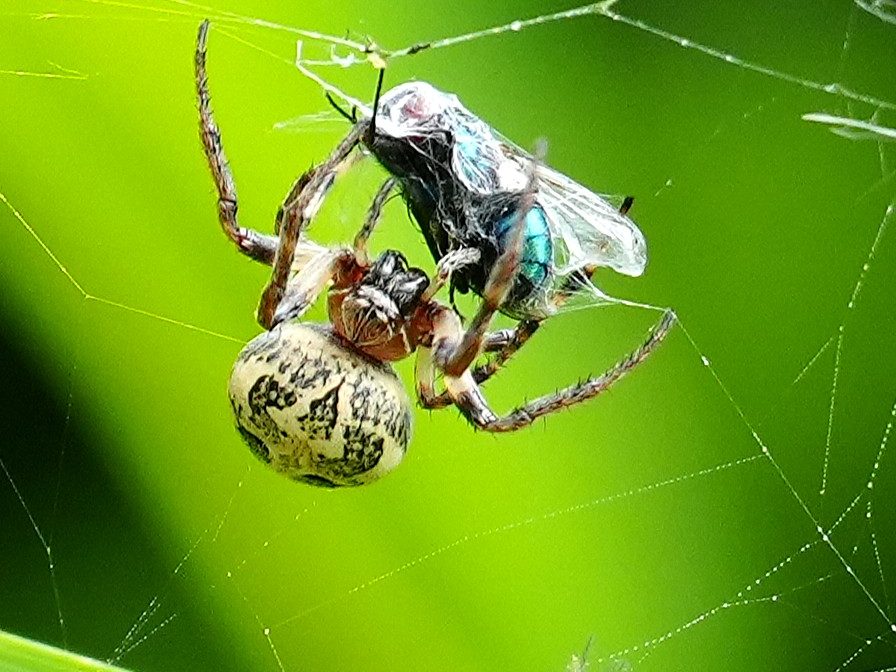
Furrow Orbweaver
Larinioides cornutus
Thundery Meadows, Jul 2026
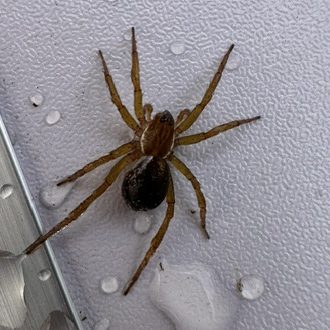
Pirat Otter Spider
Pirata Piraticus
Tice’s Meadow, Jul 2026
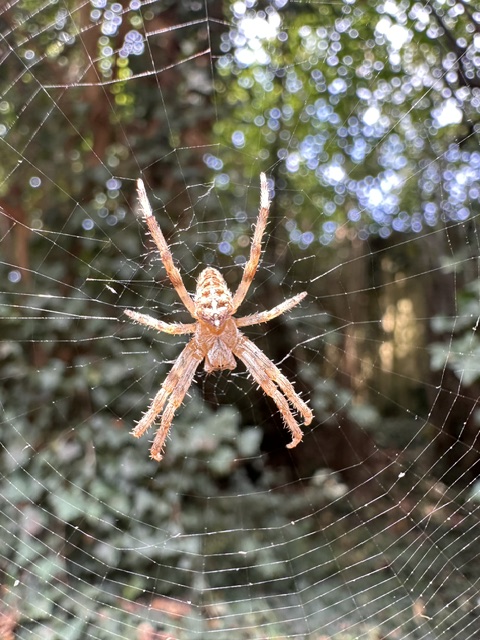
Cross Orbweaver
Araneus diadematus
Runfold, Jul 2026
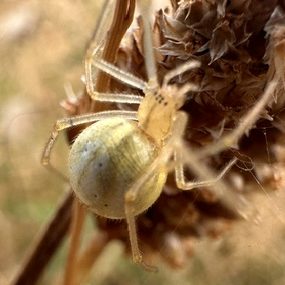
Common Candy-striped Spider
Enoplagnatha ovata
Runfold, Jul 2026
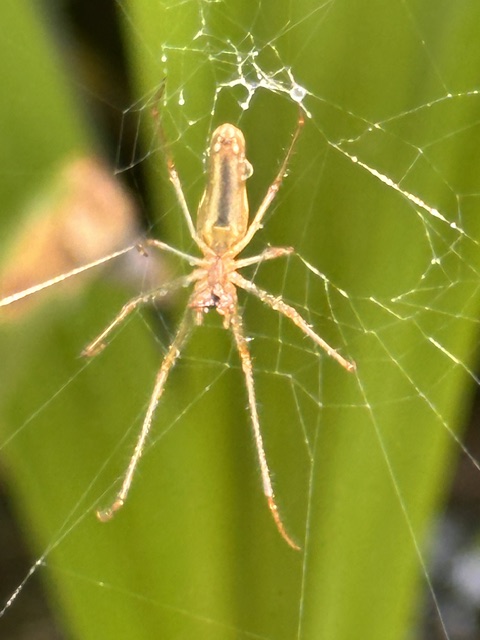
Common Stretch Spider
Tetragnatha extensa
Tice’s Meadow, Jun 2026
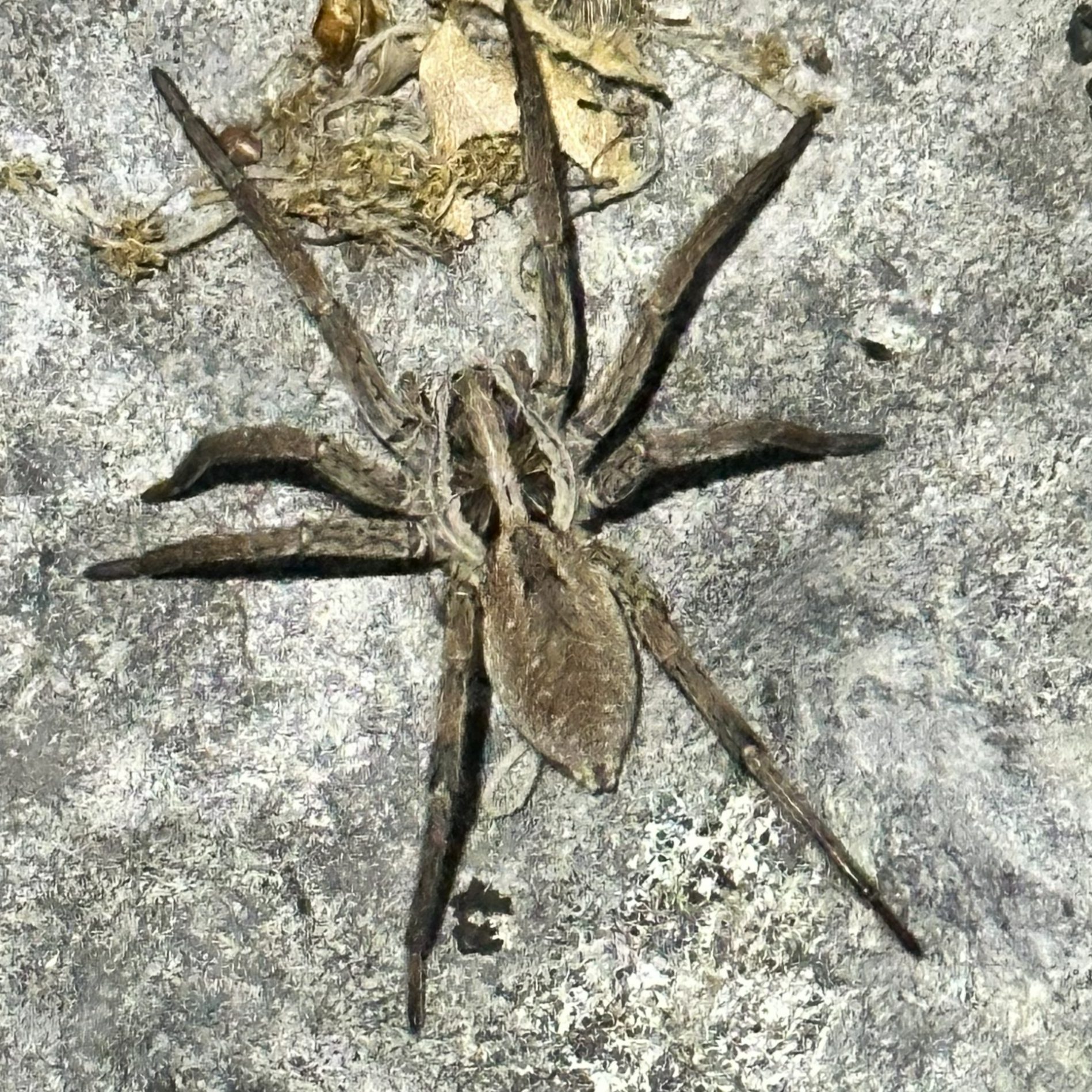
Radiated wolf spider
Hogna radiata
Krka Valley, Croatia, June 2026
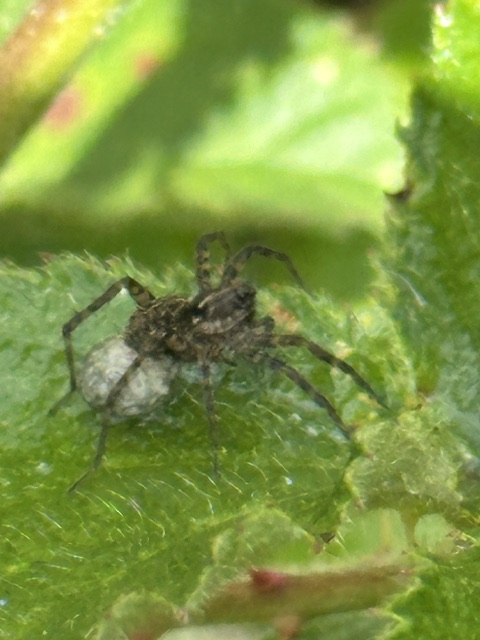
Spotted Wolf Spider
Pardosa amentata
Tice’s Meadow, Jun 2026
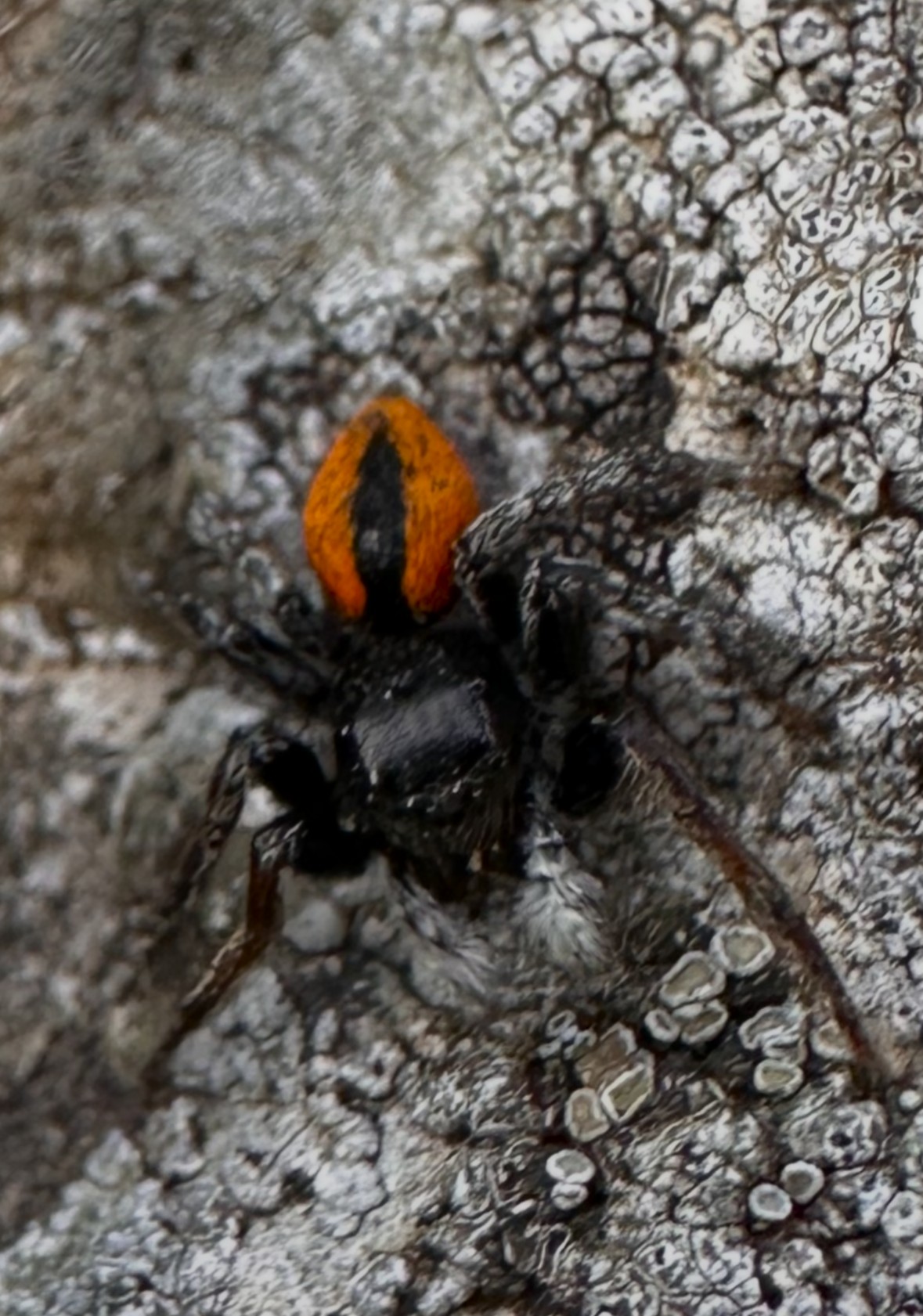
Pirat Otter Spider
Pirata Piraticus
Tice’s Meadow, Jul 2026
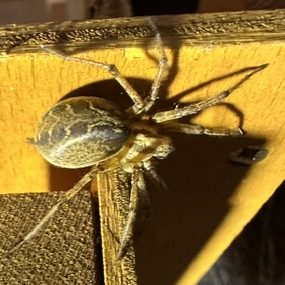
Labyrinth Spider
Agelena labyrinthica
Tice’s Meadow, Jul 2026
The many-legged arthropods — around 13,000 described species (Wright, 2012). The two familiar classes are cleanly told apart by their legs: centipedes are fast-running predators with one pair of legs per segment and venom claws derived from their first trunk limbs, while millipedes bear two pairs per fused segment and are slow detritivores recycling leaf litter and dead wood (Lhéritier et al., 2023; Qu et al., 2020; Wright, 2012). Molecular phylogenies place the myriapods as the sister group of the crustacean–insect clade (Wright, 2012).
Crabs, lobsters, shrimp, krill, barnacles — and, unglamorously, woodlice (Susanto, 2021). They are defined by two features: two pairs of antennae projecting in front of the mouth and biramous (two-branched) appendages, plus a characteristic nauplius larva (Blackstone, 2012; Susanto, 2021). Most are aquatic, breathing through gills, though woodlice took the group onto land (Susanto, 2021). And there’s a genuinely surprising scientific footnote: molecular data place the insects inside the crustacean lineage, in a joint clade called Pancrustacea — meaning a woodlouse is a closer cousin to a beetle than it looks, and “crustaceans” in the traditional sense are not strictly a natural group (Blackstone, 2012; Legg et al., 2013).
The second-largest animal phylum, with over 100,000 species — “mollusc” means “soft thing,” and that’s the essence of the group: a soft, unsegmented body, usually wrapped in a shell secreted by a mantle, over a muscular creeping foot (Chipman, 2024; Jana, 2024). Two features complete the definition — a radula (a rasping tongue, lost in bivalves) and, in most, a head with sense organs (Jana, 2024). The three great classes are the gastropods (snails, slugs, limpets), the bivalves (mussels, clams, oysters) and the cephalopods (octopus, squid, cuttlefish) (Appukuttan, 2008; Chipman, 2024).
Starfish, brittle stars, sea urchins, sea cucumbers and sea lilies — an exclusively marine phylum (Fish & Fish, 2011; Surendar & N., 2026). The adult body plan is unique in the animal kingdom: five-fold (pentaradial) symmetry, which is obvious in a starfish and present in even the most blob-like sea cucumber (Chipman, 2024; Shahidi & Santhiravel, 2022). Internally they run on a water vascular system — a hydraulic network ending in tube feet used for locomotion, gas exchange and feeding (Freas & Cheng, 2021; Surendar & N., 2026) — over an internal skeleton of calcareous plates (Fish & Fish, 2011). The five living classes are the Crinoidea (feather stars), Asteroidea (sea stars), Ophiuroidea (brittle stars), Echinoidea (sea urchins and sand dollars) and Holothuroidea (sea cucumbers) (Surendar & N., 2026).
Sea squirts may look like marine blobs, but they are chordates — the closest living relatives of the vertebrates (Delsuc et al., 2006). The juvenile is the giveaway: it is a tadpole-like creature with a notochord, the stiffening rod that in us becomes the backbone. As adults most settle down, attach to a rock, and become barrel-shaped filter feeders — but their ancestry means a sea squirt is more closely related to a fish than to any insect, snail or starfish on your site (Delsuc et al., 2006).
 Badger Ecology