
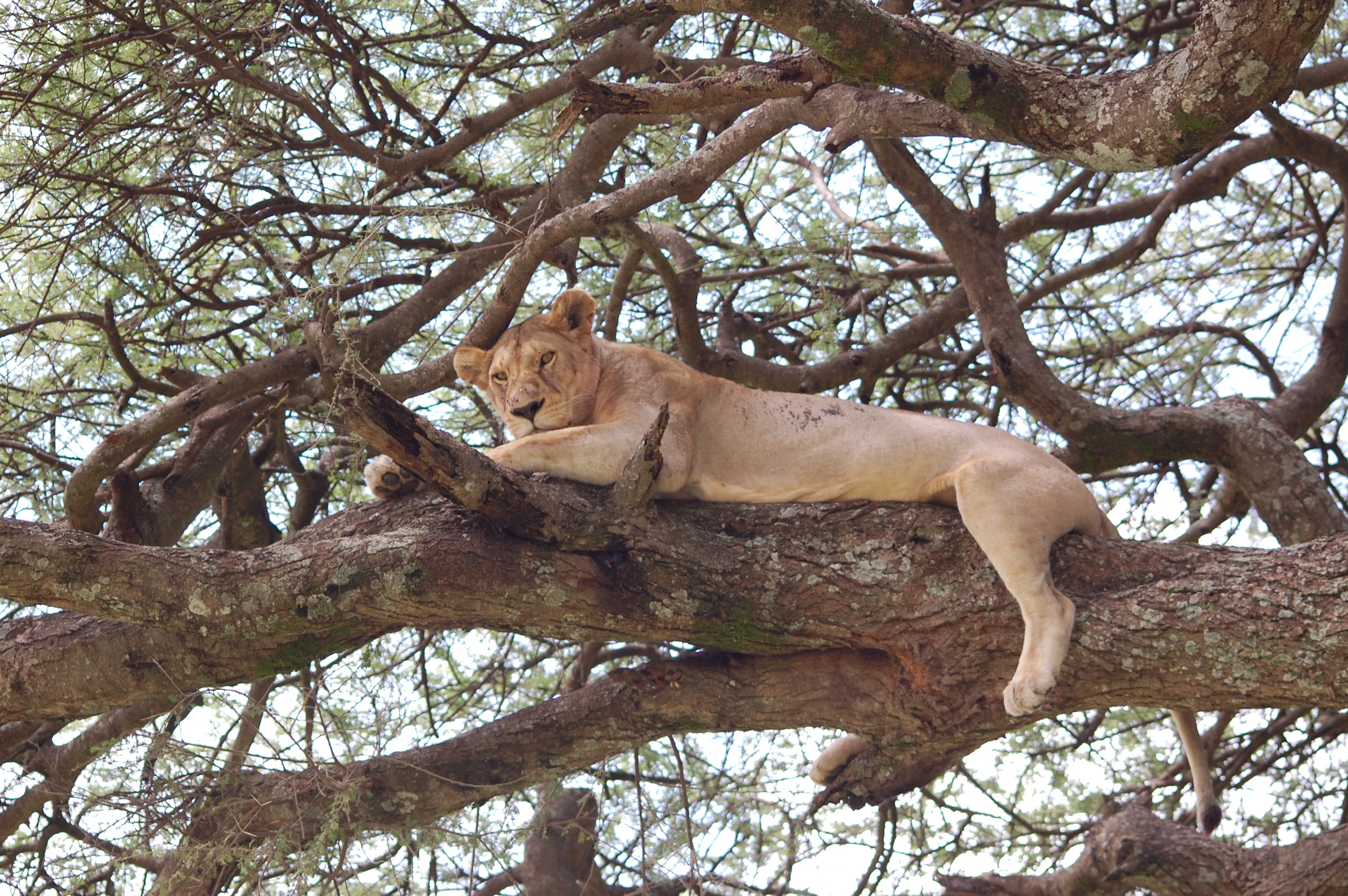
Mammals
Explore the mammals I have encountered and documented. Species are arranged into taxonomic groups, with photographs and identification information for each animal.
The meat-eating order, defined by a distinctive pair of overlapping cheek teeth the carnassial shear, formed from the upper fourth premolar and lower first molar, which slices through flesh like scissor blades (Popowics & Mulimani, 2023; Tarquini et al., 2018). Not every member is strictly carnivorous (bears, badgers and pandas eat plenty of plants), but all descend from a common flesh-eating ancestor and still share the tooth pattern. The order splits into two great lineages: the cat-like Feliformia (cats, hyenas, mongooses) and the dog-like Caniformia (dogs, jackals, foxes, bears, otters and seals) (Eizirik et al., 2010).
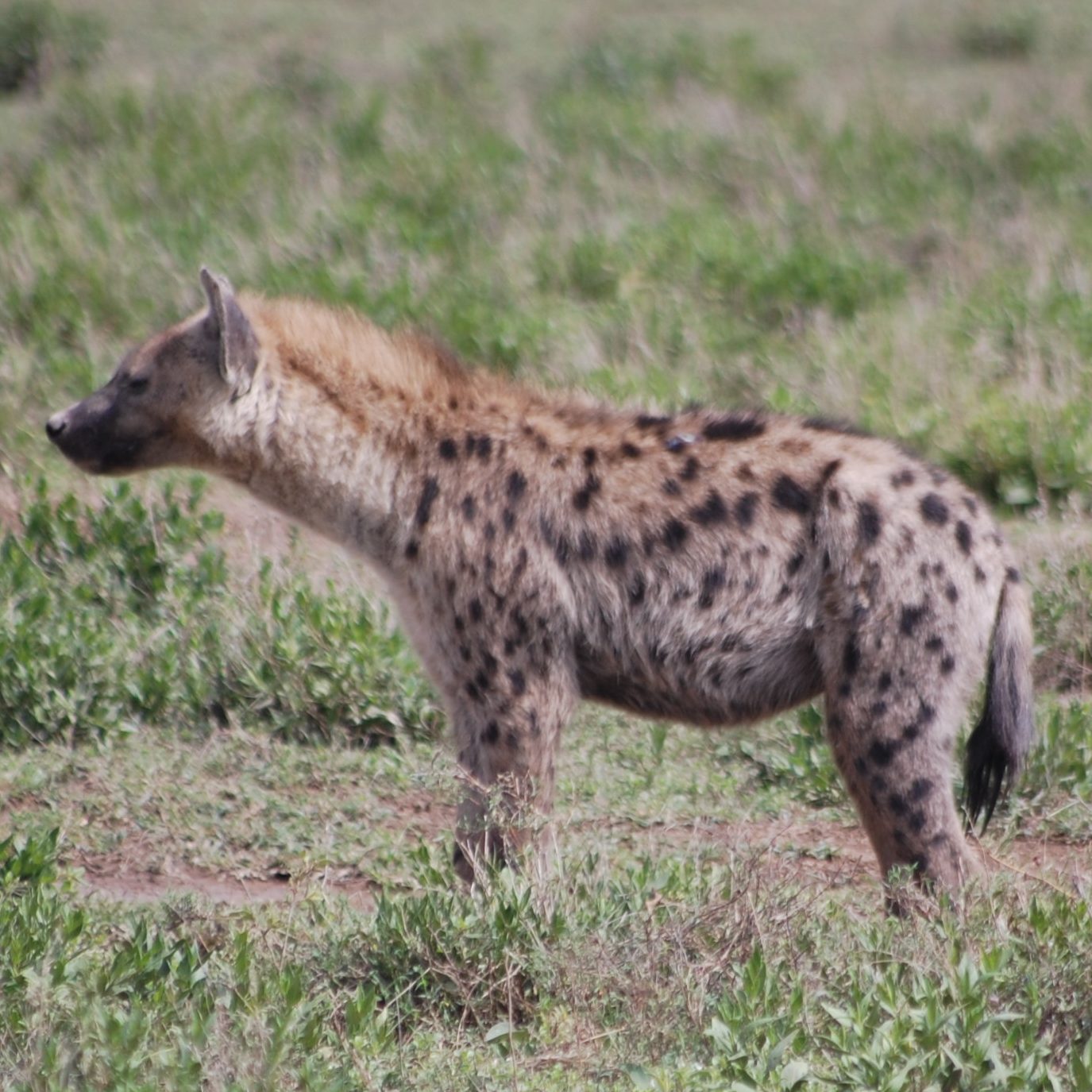
Spotted Hyena
Crocuta crocuta
Central Serengeti, Dec 2024
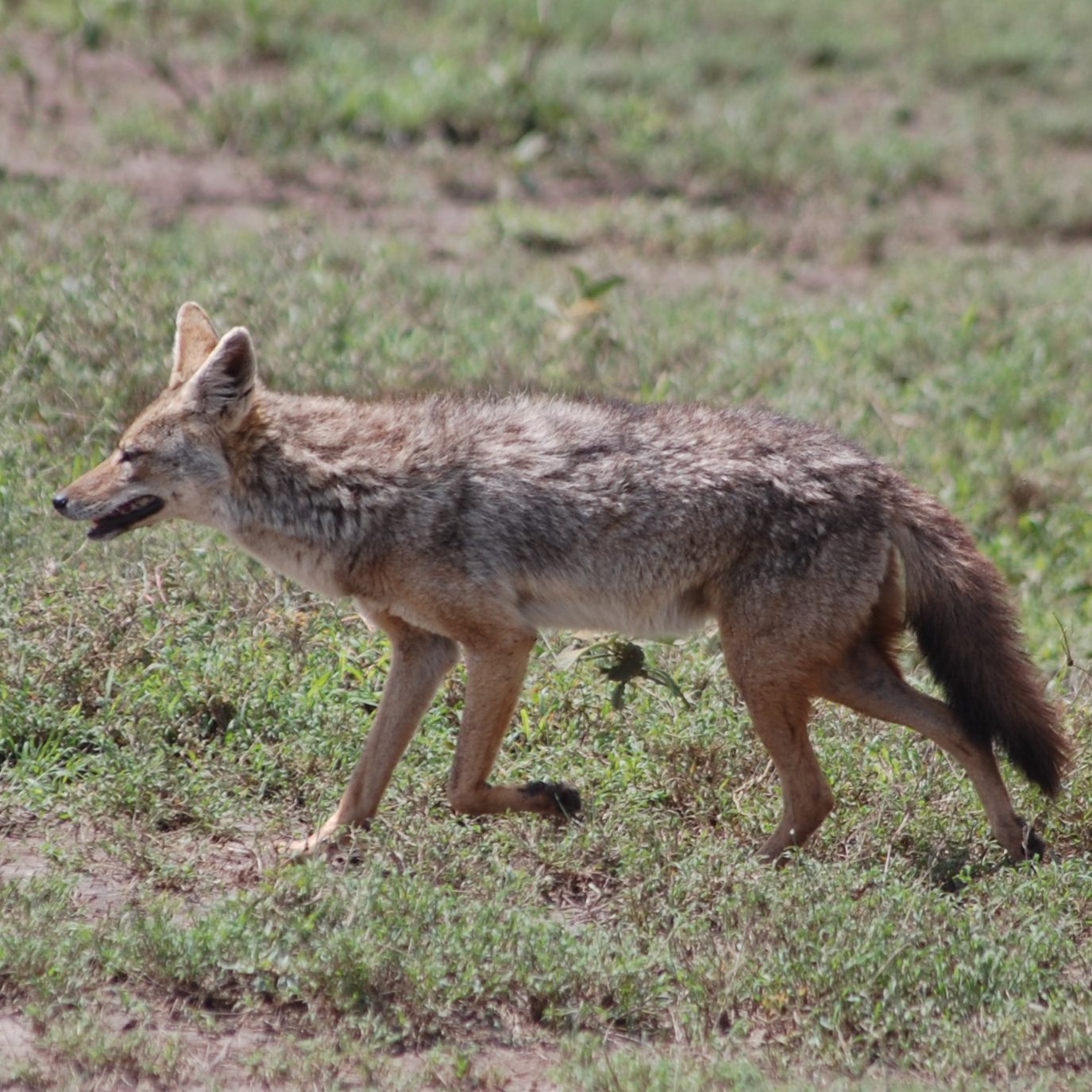
Golden jackal
Golden jackal
Central Serengeti, Dec 2024
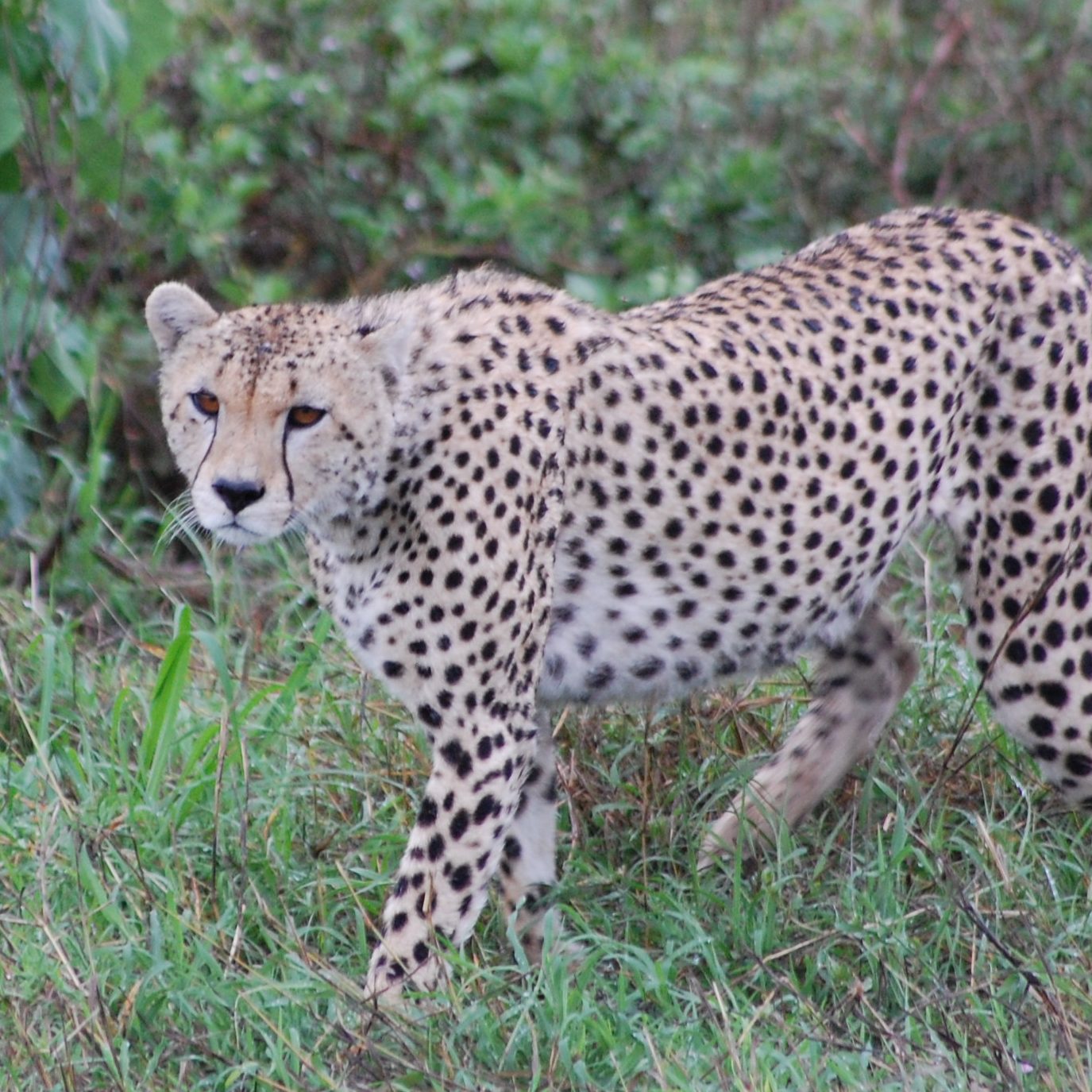
Cheetah
Acinonyx jubatus
Central Serengeti, Dec 2024
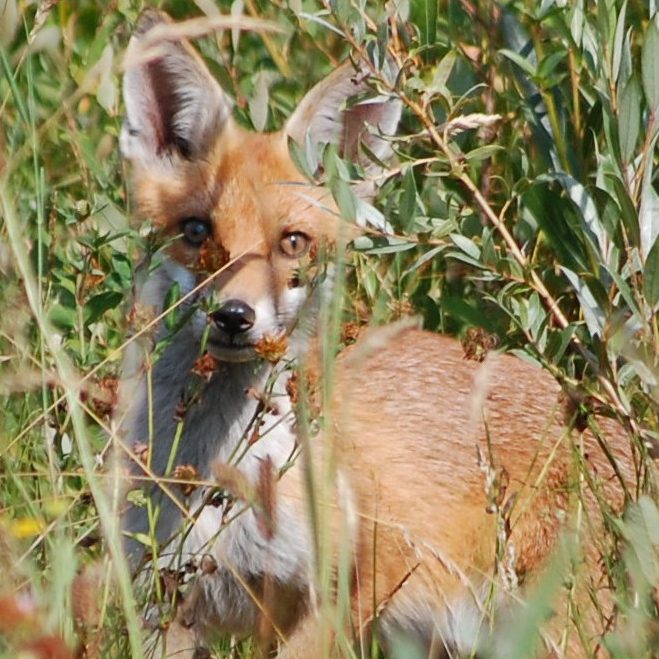
Red Fox
Vulpes vulpes
Tice’s Meadow, Jul 2026
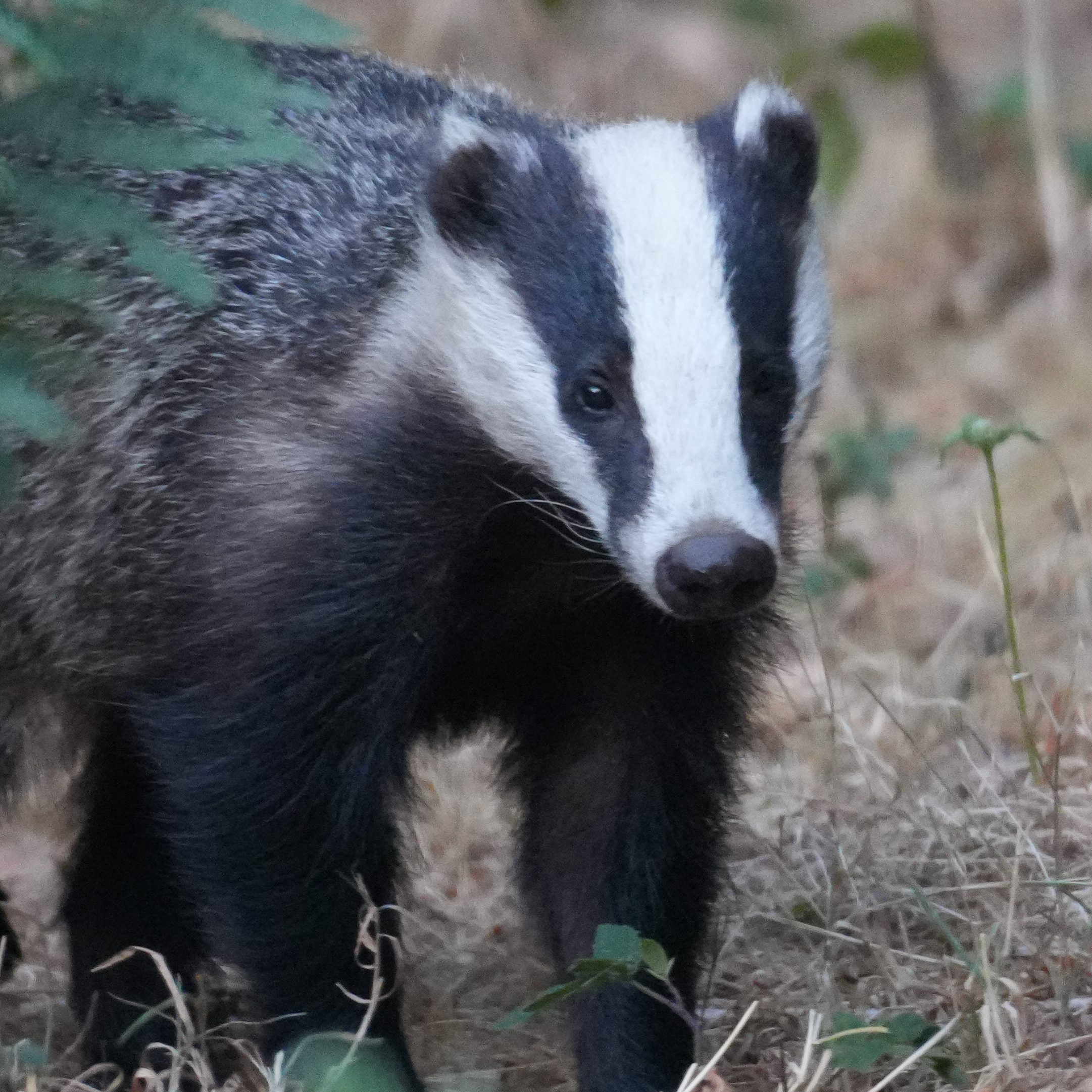
European Badger
Meles meles
Tilford Hide, 12 Aug
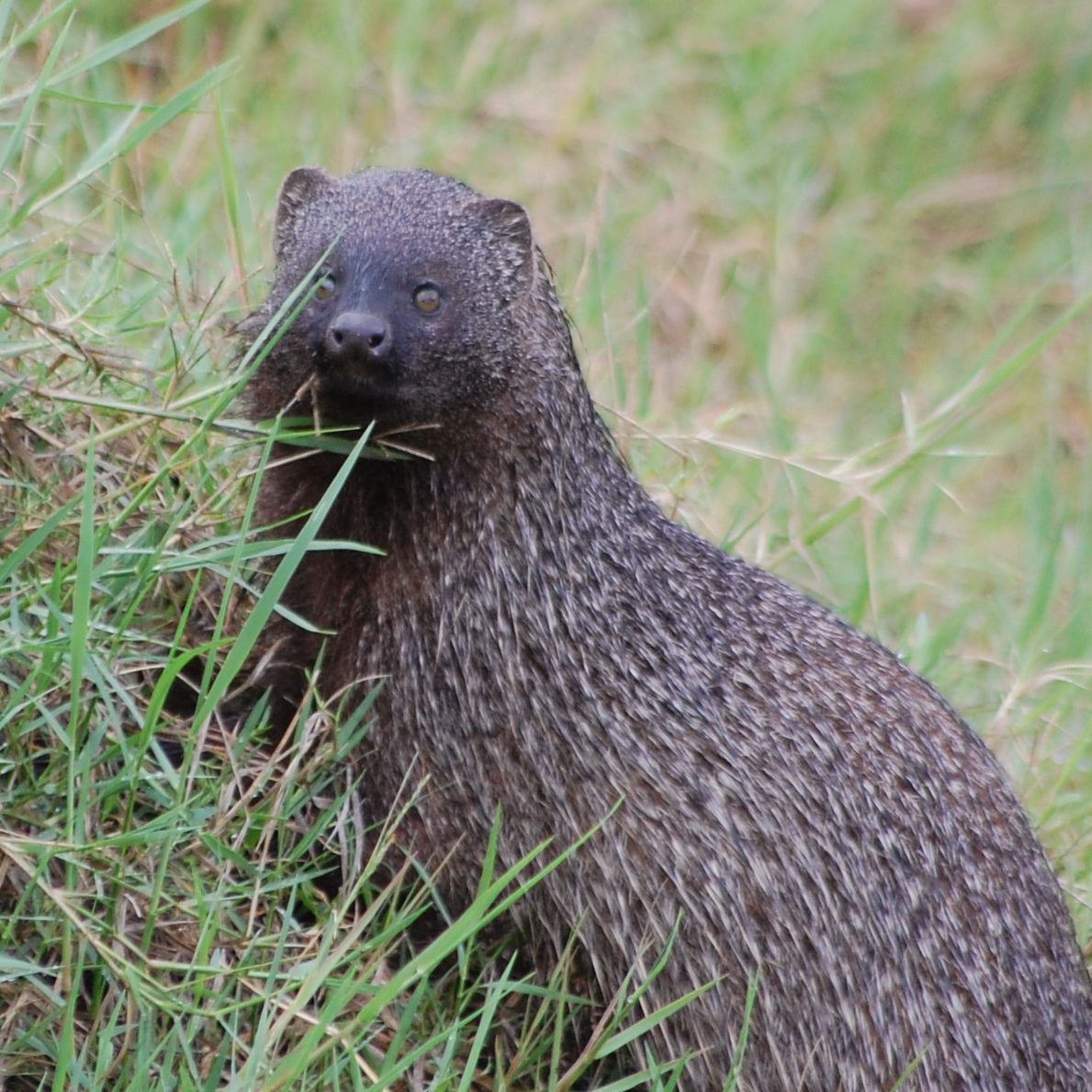
Marsh Mongoose
Atilax paludinosus
Ngorogoro Crater, Dec 2024
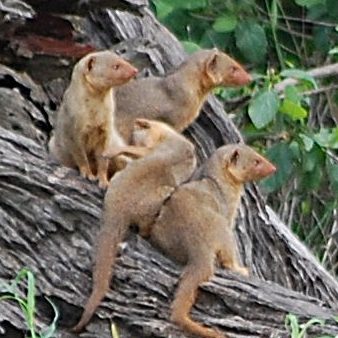
Common dwarf mongoose
Helogale parvula
Central Serengeti, Dec 2024
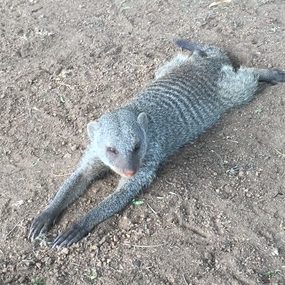
Banded mongoose
Mungos mungo
Pilanesberg, Dec 2014
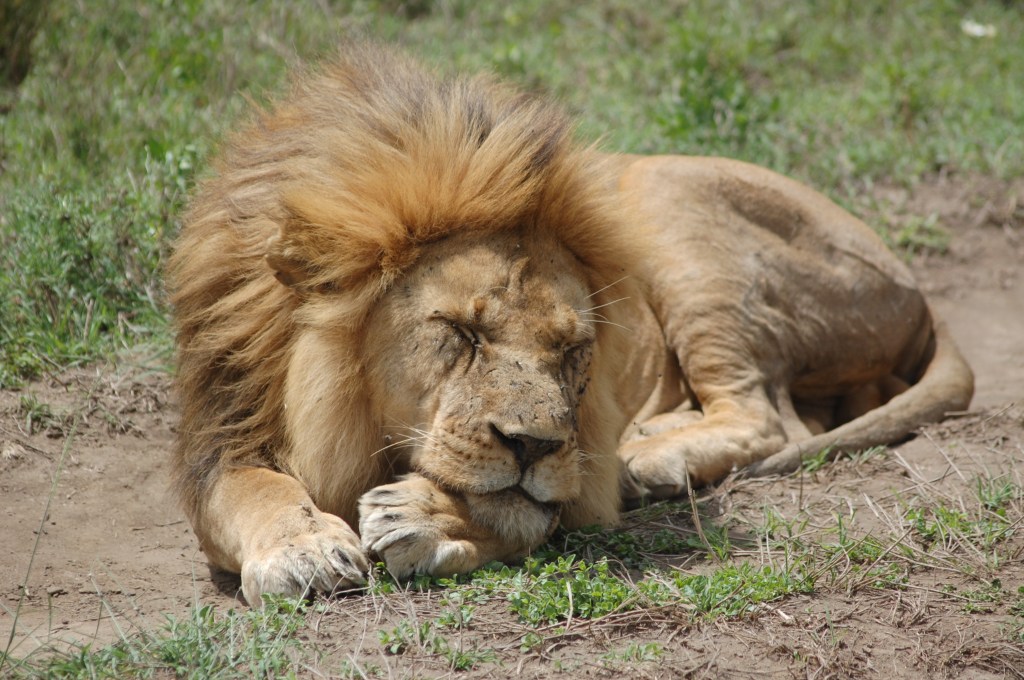
African Lion
Panthera leo
Central Serengeti, Dec 2024
There are three living families — Equidae, Tapiridae and Rhinocerotidae (Reid, 2009) — and just 16 surviving species, a fraction of their ancient diversity (Steiner & Ryder, 2011). The scientific definition lies in the foot: perissodactyls are mesaxonic, meaning the limb’s weight-bearing axis runs through the middle (third) toe, with the side digits reduced, and hoof-like terminal phalanges (Rose et al., 2014). That reduction is most extreme in horses, whose ancestors ran the sequence from four-toed Hyracotherium to three-toed Mesohippus to the modern single-toed Equus, the third phalanx encased in a keratinous hoof in an unguligrade stance (Janis & Bernor, 2019; Solounias et al., 2018). The order divides into two suborders — Hippomorpha (horses) and Ceratomorpha (tapirs + rhinos) (Price & Bininda‐Emonds, 2009) — and its early radiation dates to roughly 54–50 million years ago (Pitra & Veits, 2000). Add two more signature oddities: they are hindgut fermenters, digesting plant fibre in the gut rather than a rumen (Clauß et al., 2006, 2023), and molecular work suggests the extinct “ungulates” of South America were actually their close relatives (Welker et al., 2015).
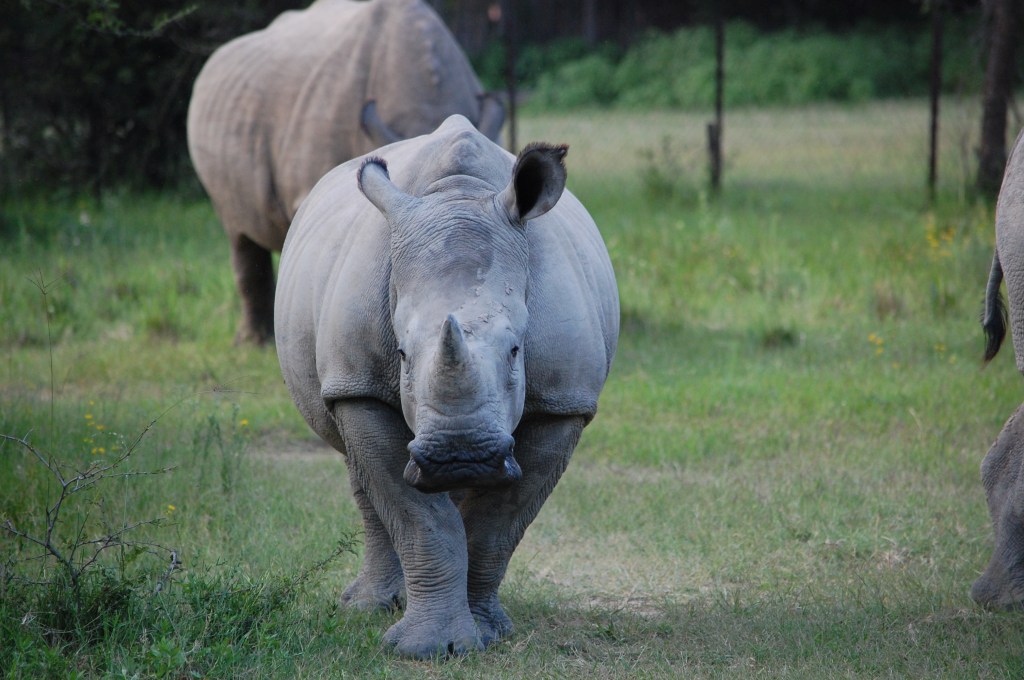
White rhinoceros
Ceratotherium simum
Ants Nest, South Africa, 2010
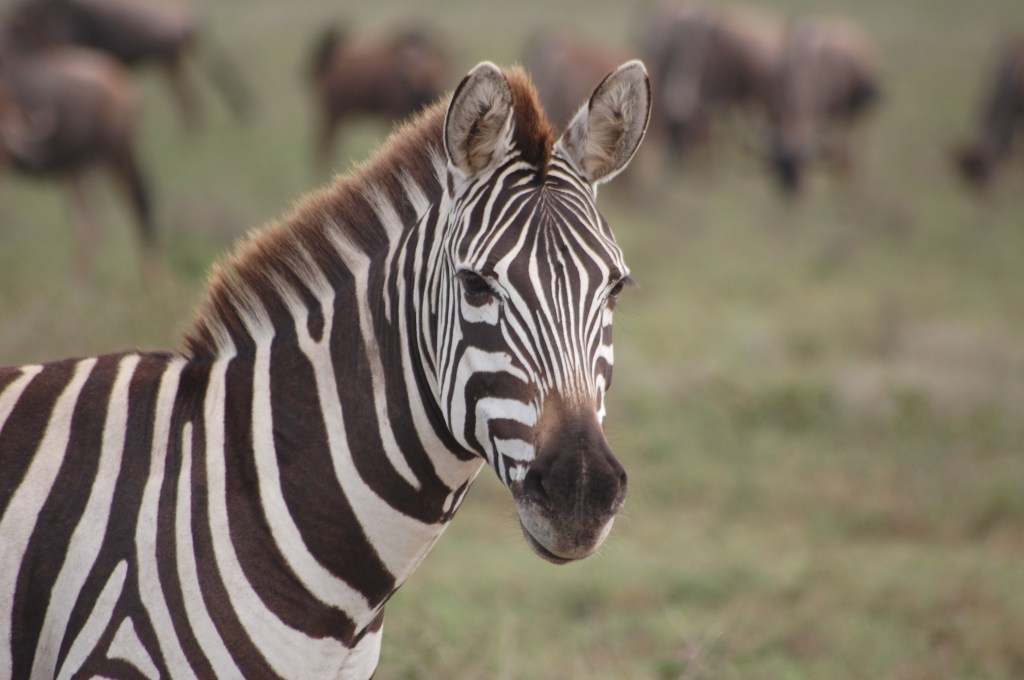
Burchell’s zebra
Equus quagga burchellii
Ngorogoro crater, Dec 2024
The even-toed hoofed mammals; deer, cattle, antelope, giraffes, pigs and hippos are joined by whales and dolphins. “Even-toed” refers to the foot: weight is borne on an even number of toes (two or four) rather than one (Nikaido et al., 1999). DNA evidence overturned the old view that whales were a separate order: cetaceans are deeply nested within the even-toed ungulates, with hippopotamuses their closest living relatives (Nikaido et al., 1999; Price et al., 2005), so zoologists now unite them all in the single order Cetartiodactyla (Zhou et al., 2011). A giraffe and a dolphin share a more recent ancestor than either shares with a horse.
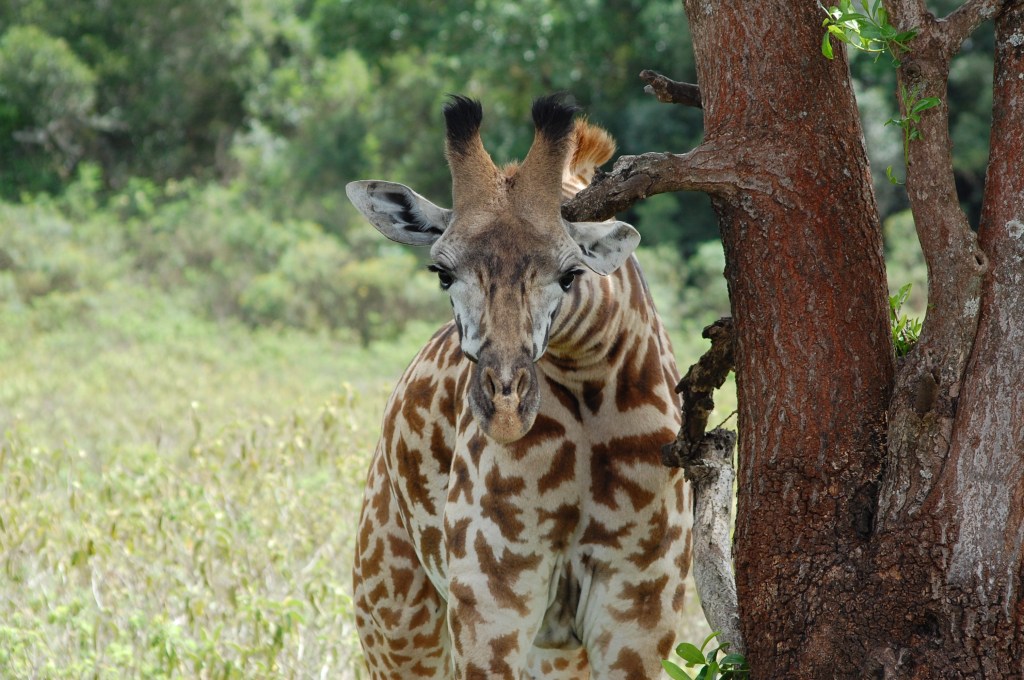
Maasai giraffe
Giraffa tippelskirchi
Central Serengeti, Dec 2024
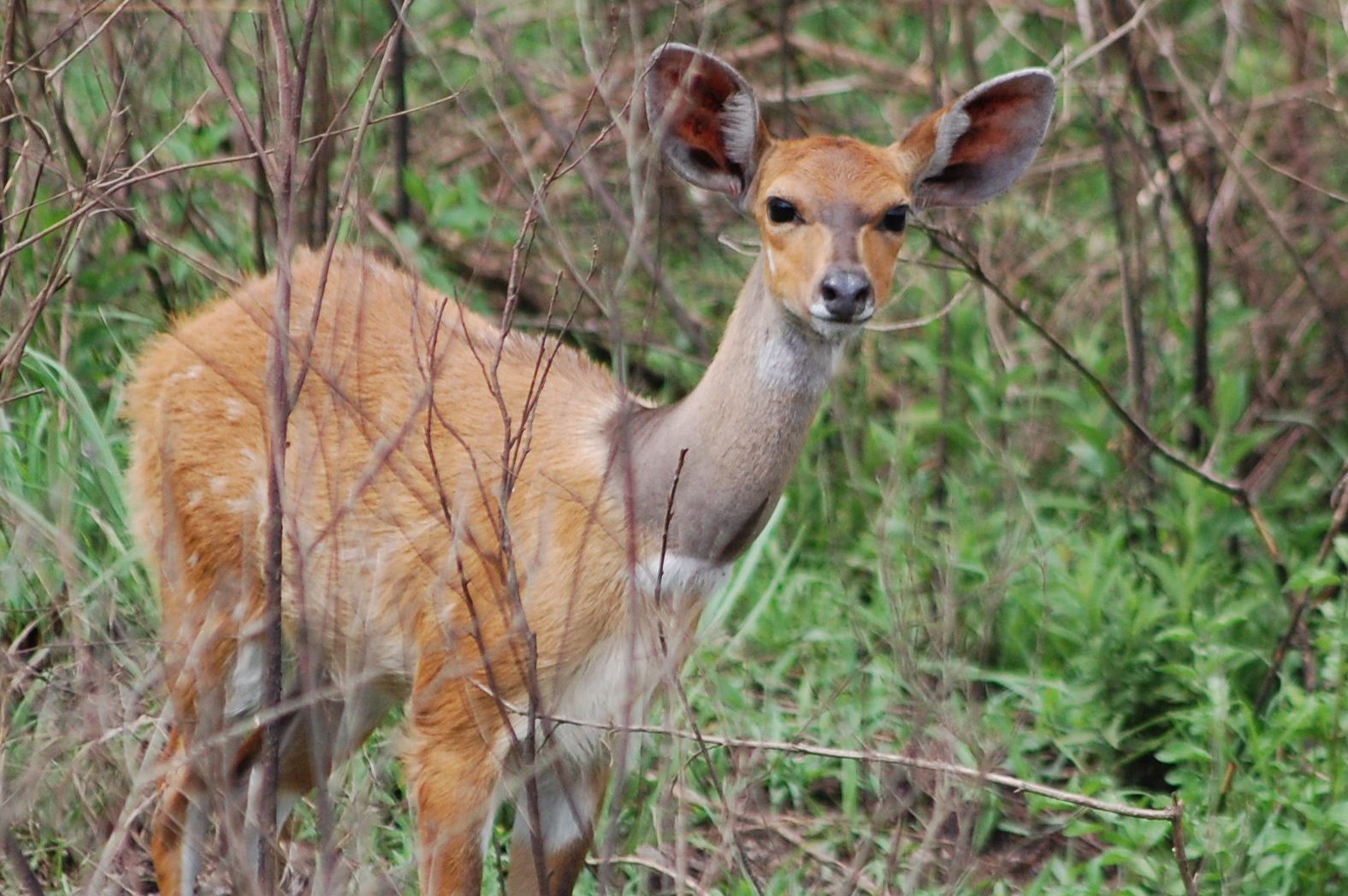
Southern reedbuck
Redunca arundinum
Central Serengeti, Dec 2024
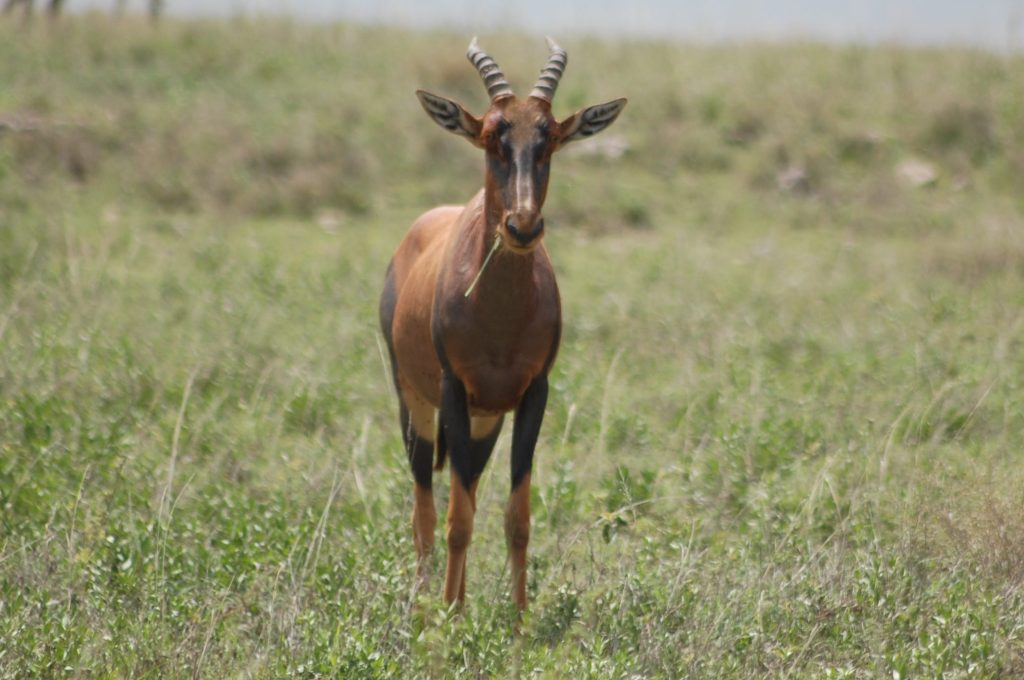
Topi
Damaliscus lunatus
Southern Serengeti, Dec 2024
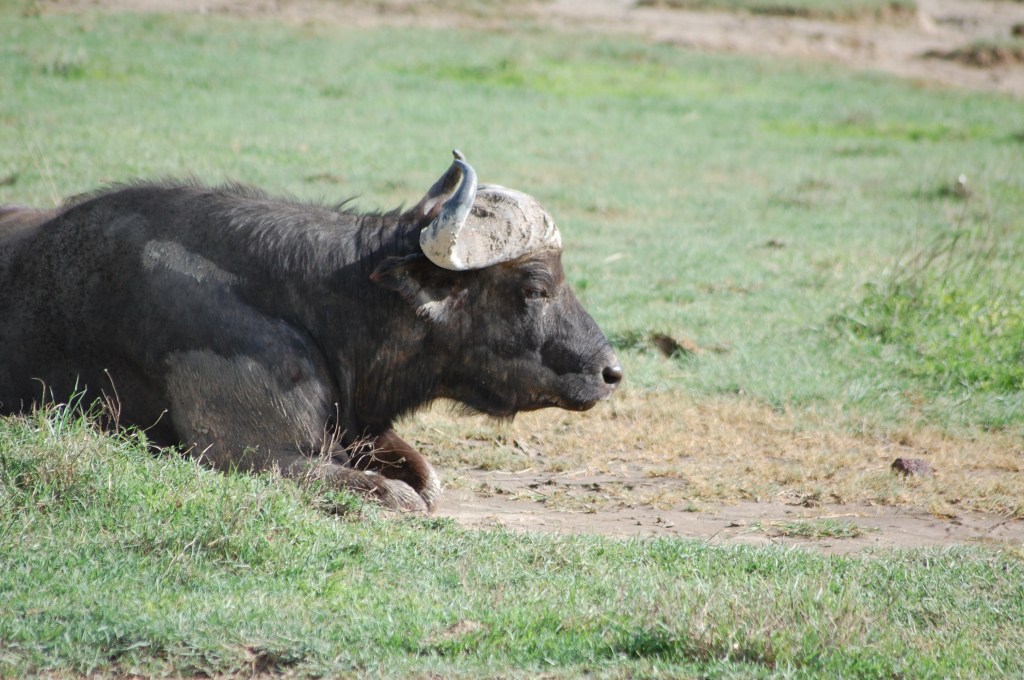
African buffalo
Syncerus caffer
Arusha, Dec 2024
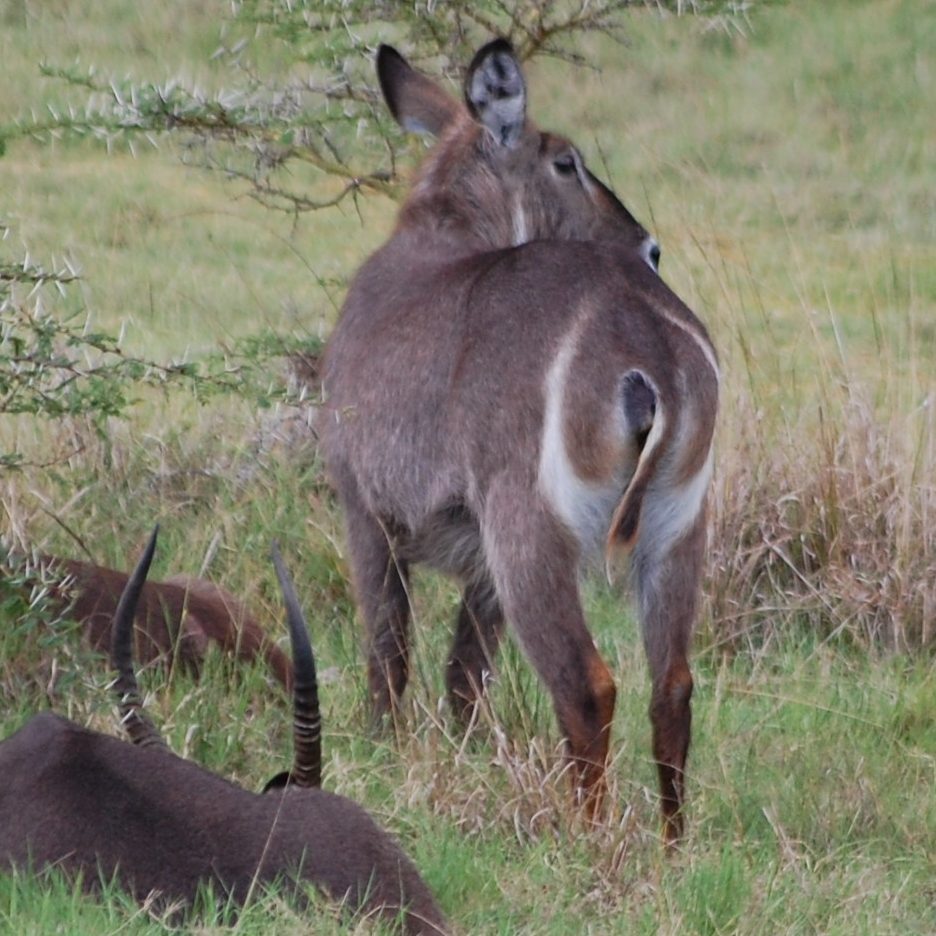
Common waterbuck
Kobus ellipsiprymnus
Southern Serengeti, Dec 2024
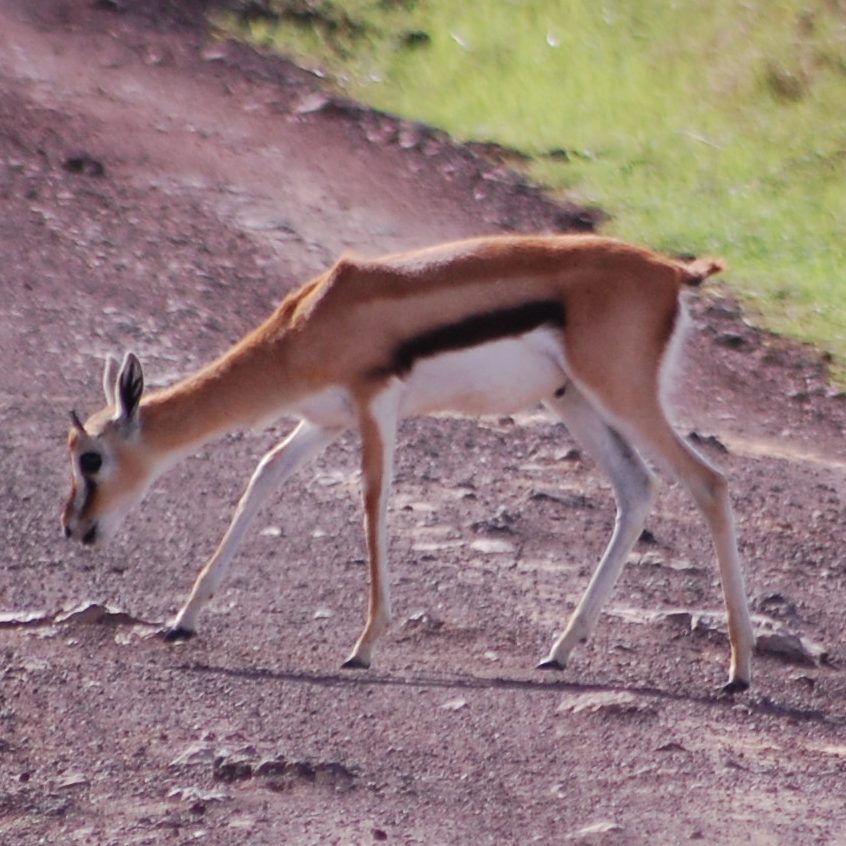
Thomson’s gazelle
Eudorcas thomsonii
Southern Serengeti, Dec 2024
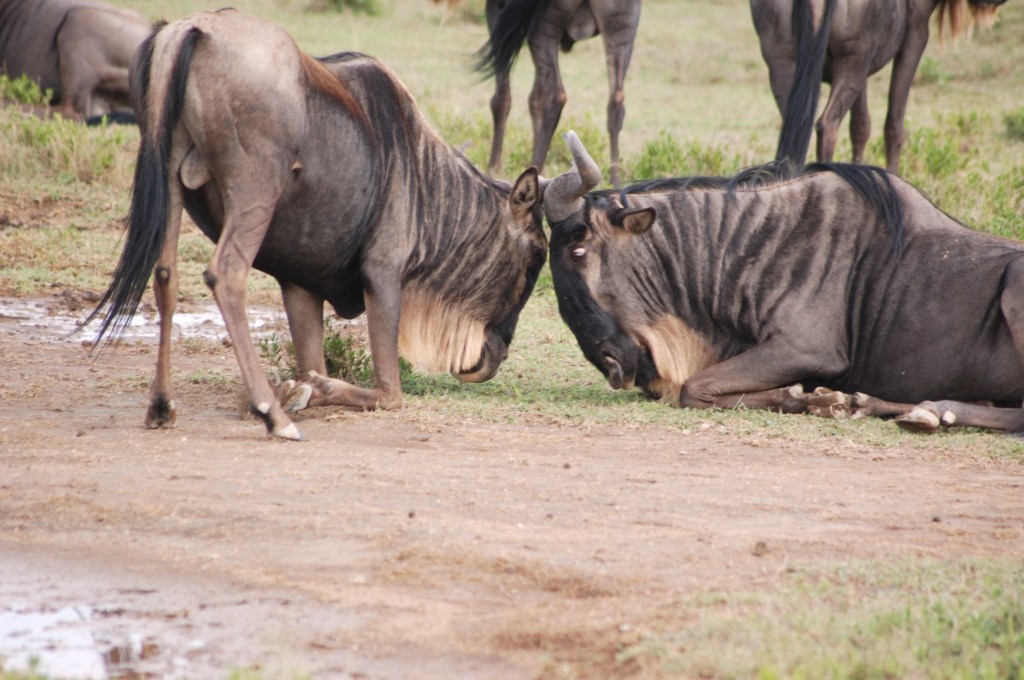
Blue wildebeest
Connochaetes taurinus
Southern Serengeti, Dec 2024
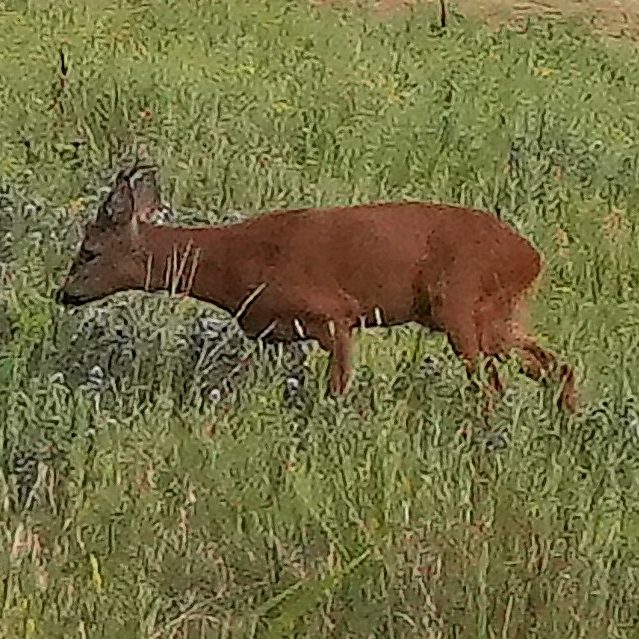
Roe Deer
Capreolus capreolus
Tice’s Meadow, Jul 2024
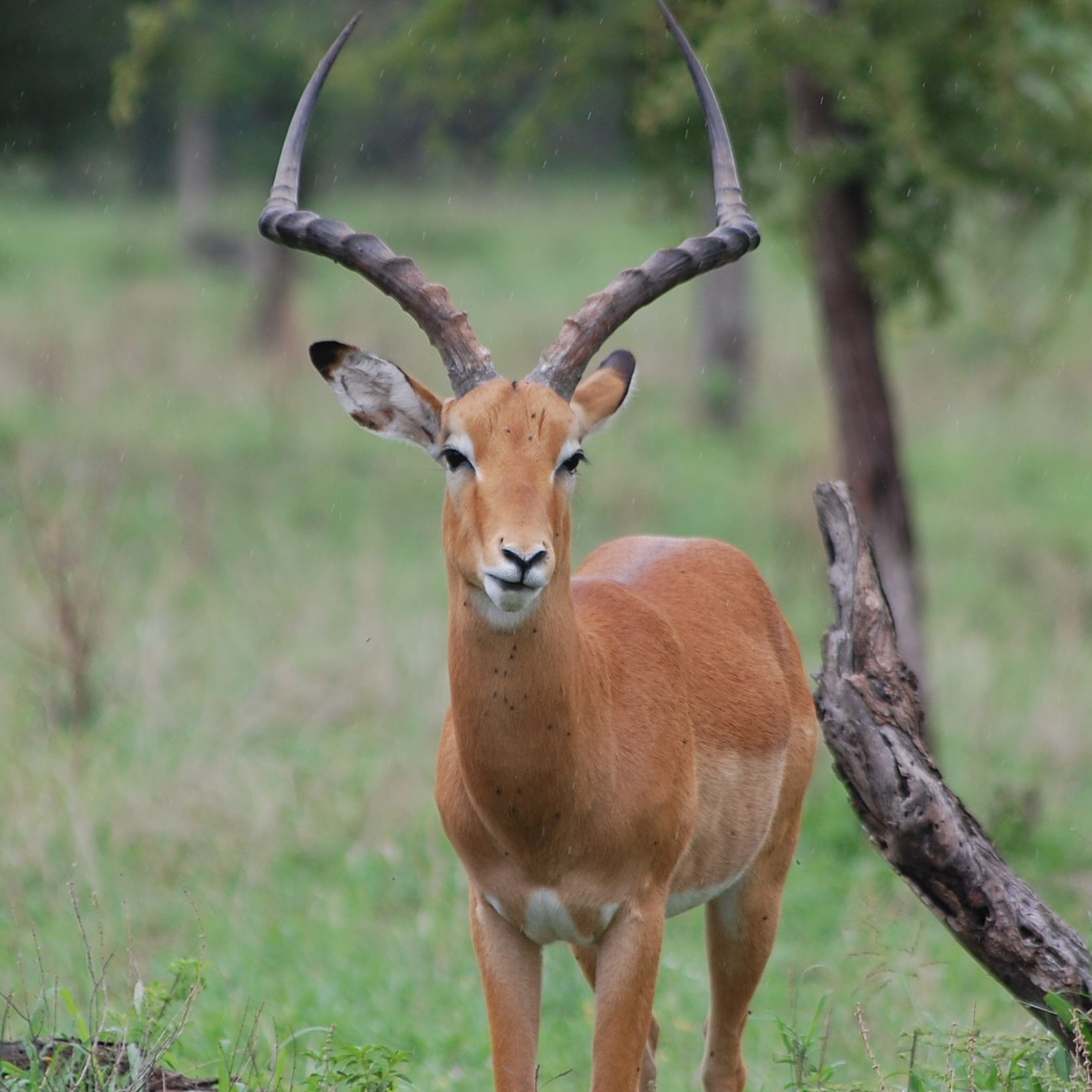
Impala (M)
Aepyceros melampus
Arusha, Dec 2024
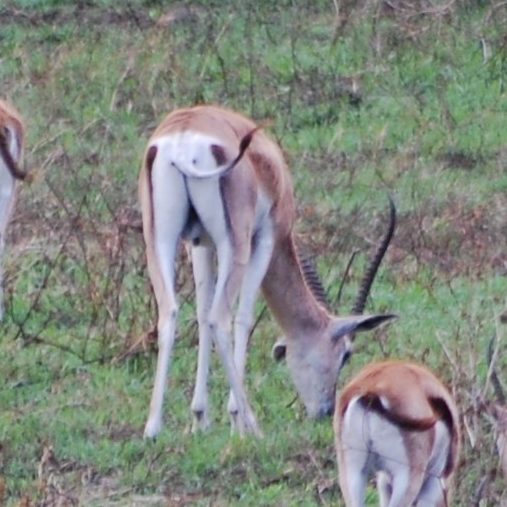
Springbok
Antidorcas marsupialis
Southern Serengeti, Dec 2024
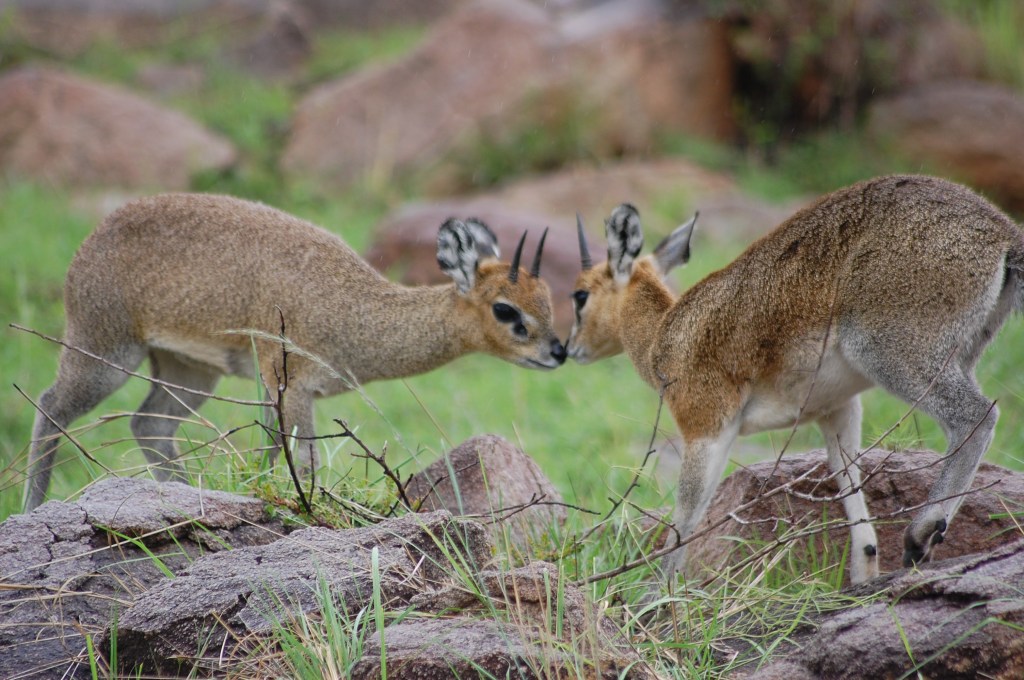
Klipspringer
Oreotragus oreotragus
Central Serengeti, Dec 2024
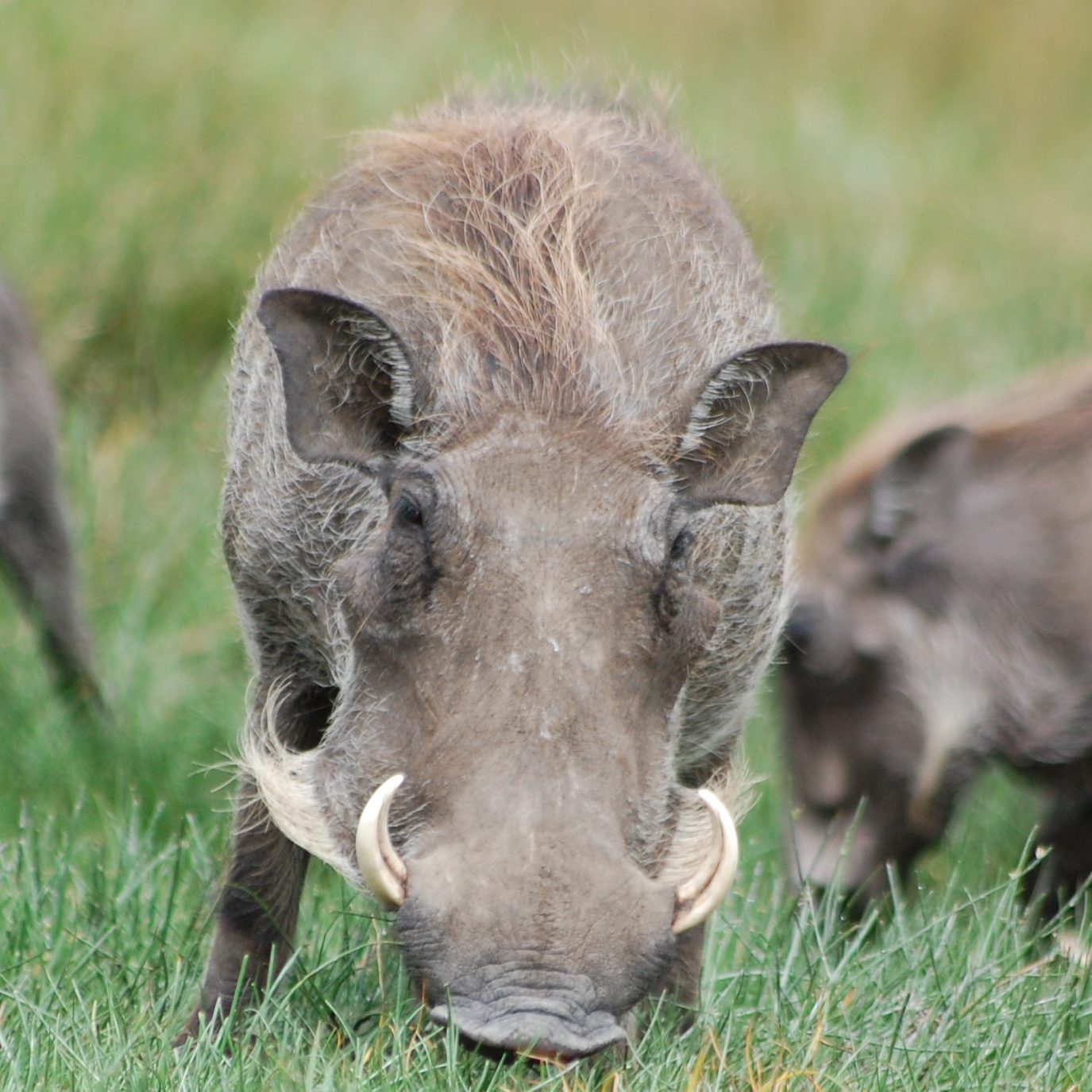
Common warthog
Phacochoerus africanus
Arusha, Dec 2024
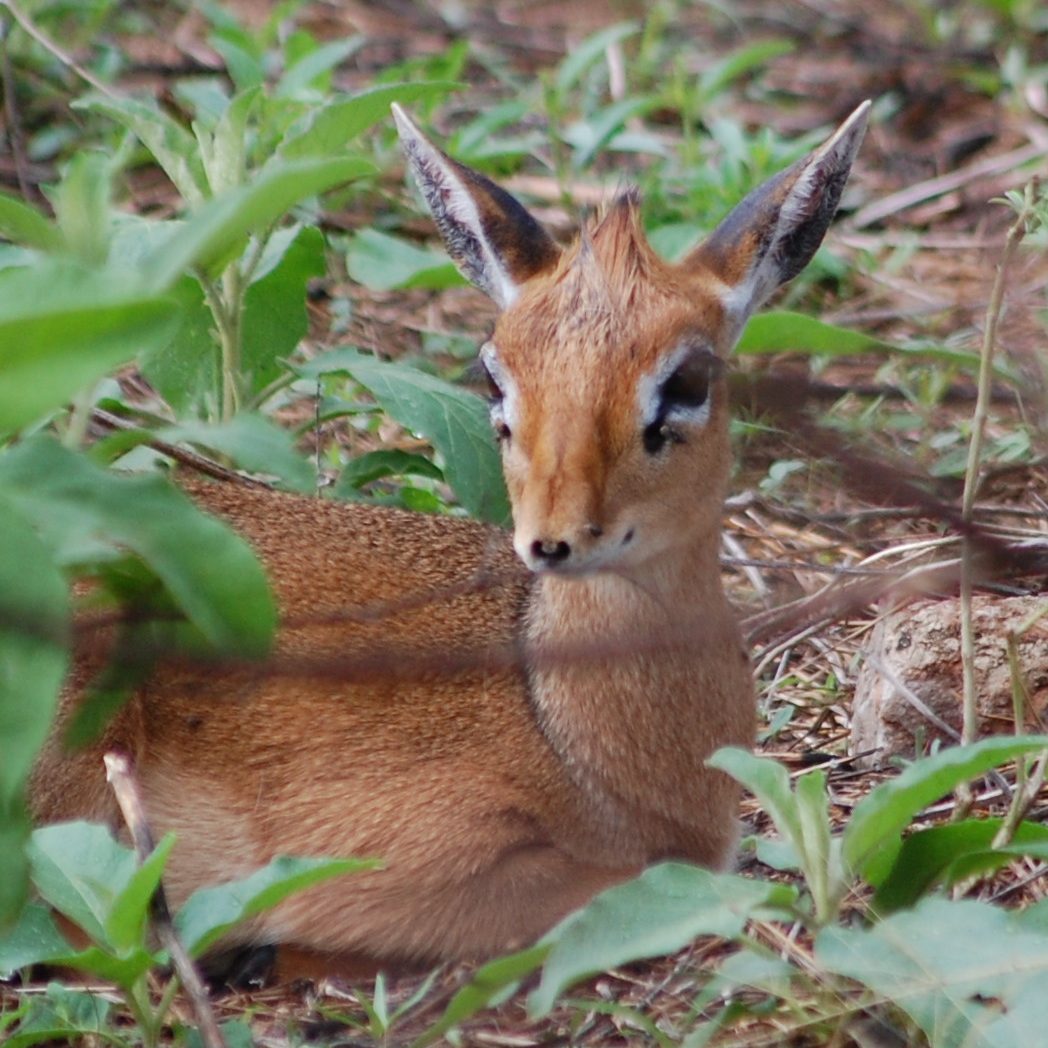
Kirk’s Dik-dik
Madoqua kirkii
Tarengere, Dec 2024
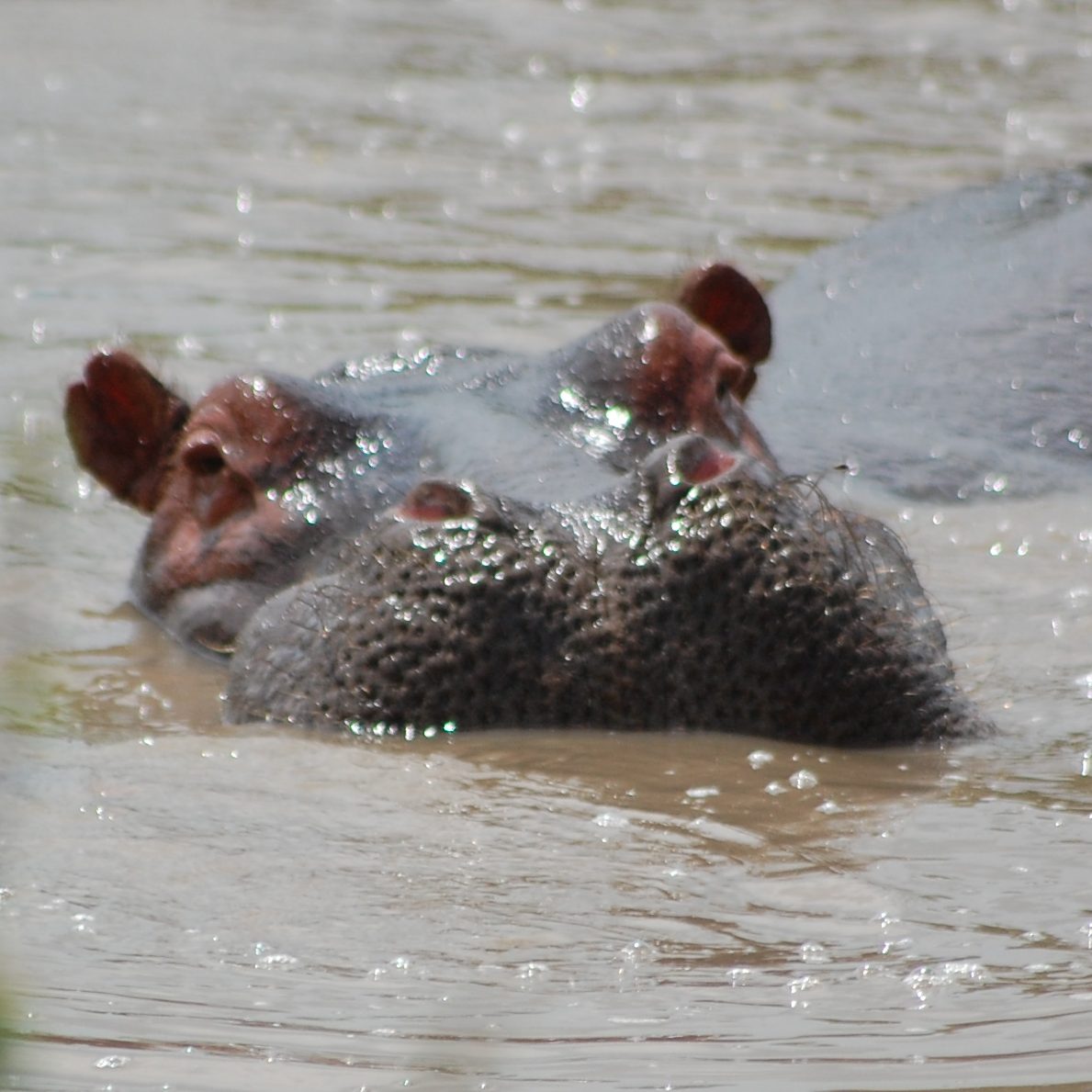
Hippopotamus
Hippopotamus amphibius
Central Serengeti, Dec 2024
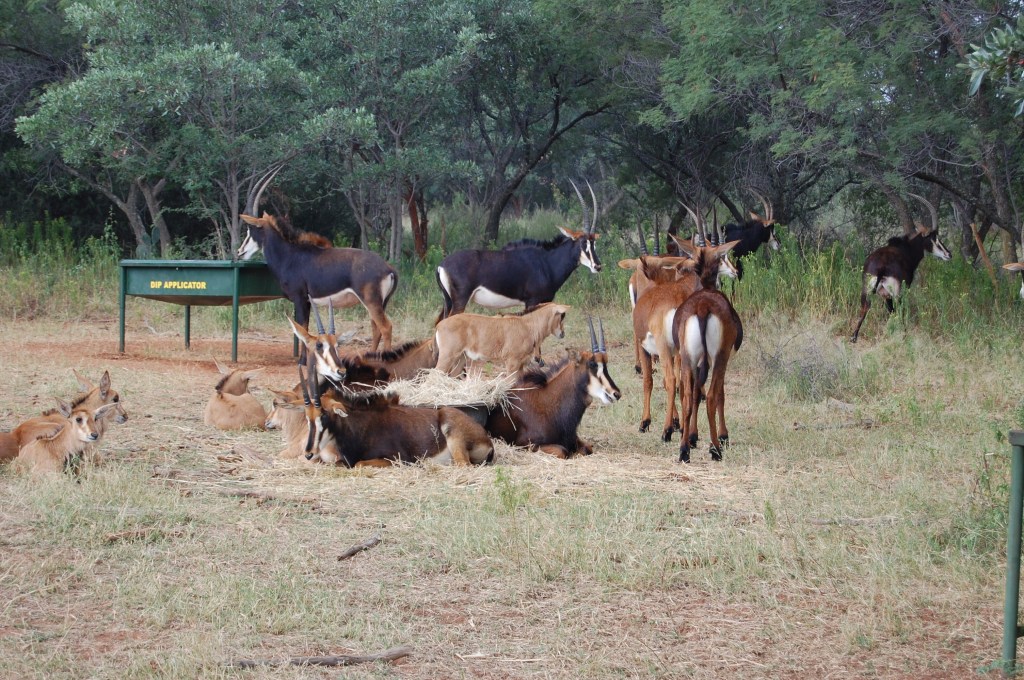
Hippopotamus
Hippopotamus amphibius
Central Serengeti, Dec 2024
Hippopotamus
Hippopotamus amphibius
Central Serengeti, Dec 2024
Hippopotamus
Hippopotamus amphibius
Central Serengeti, Dec 2024
The true insectivores; hedgehogs, shrews and moles. This order exists because molecular analysis dissolved the old catch-all order “Insectivora”: tenrecs and golden moles, once filed alongside, turned out to belong to a totally different lineage, the African Afrotheria (Stanhope et al., 1998). What remains hedgehogs, shrews, moles and their kin forms a genuine single order, placed at the base of the Laurasiatheria, the great northern clade that also contains carnivores, bats and hoofed mammals (Zhou et al., 2011). They share small, sharp-cusped teeth adapted for crunching invertebrate prey.
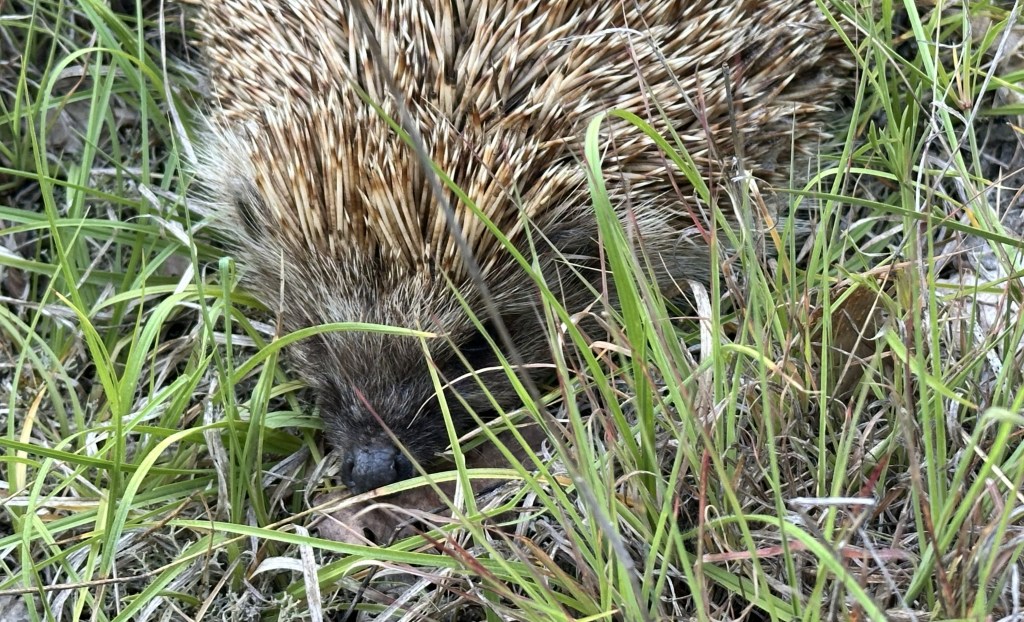
Northern White-breasted Hedgehog
Erinaceus roumanicus
Krka Valley, 20 Jun 2026
European hedgehod
Erinaceus europaeus
Gillian Ave, 12 Aug 2026
What makes a lagomorph is the dentition: like rodents they have continuously growing incisors, but lagomorphs carry the extra signature feature of a second, smaller pair of upper incisors set directly behind the front pair (Böhmer, 2015; Kraatz et al., 2021). That “double upper row” is so distinctive it gives the group its old name, Duplicidentata, and confirms them as the sister group of the rodents — the two together forming the clade Glires (Bertonnier‐Brouty, 2019). All members are small, fast-breeding herbivores.
Bats are the only mammals capable of true powered flight (Denzinger & Schnitzler, 2013; Racey, 2015). Their “wings” are membranes of skin stretched over greatly elongated finger bones, so the forelimb is a wing rather than a limb with a hand. Most species navigate and hunt using echolocation, emitting high-frequency calls and reading the returning echoes (Denzinger & Schnitzler, 2013). With well over a thousand species, bats are the second-largest order of mammals after the rodents (Jones, 2006).
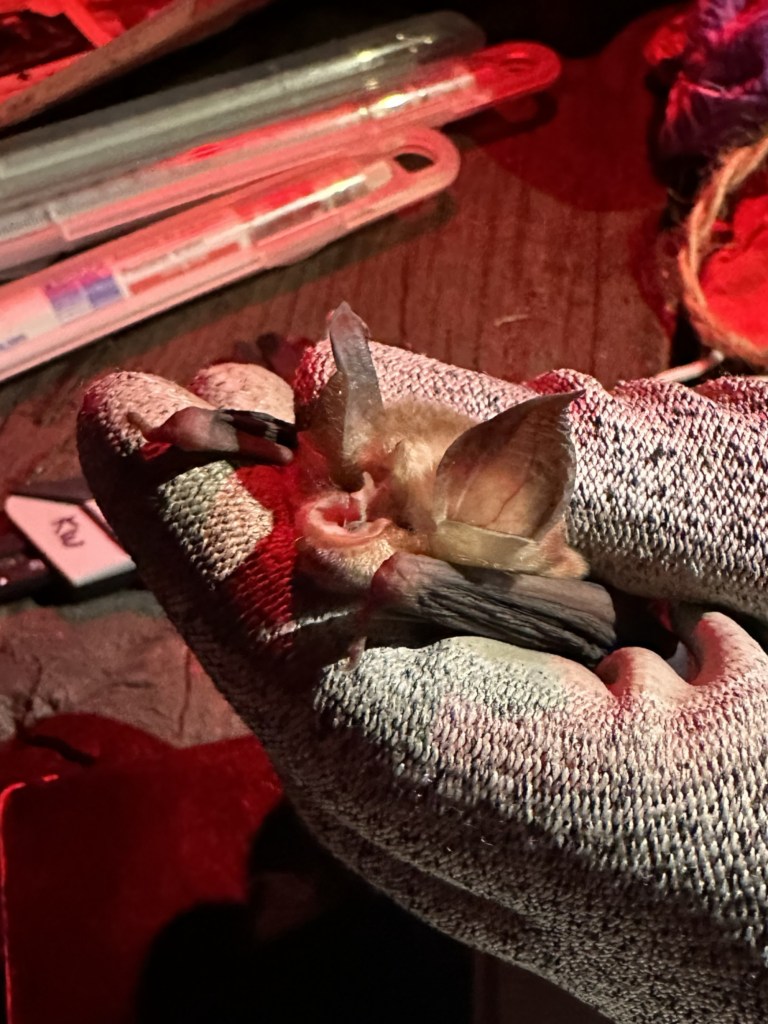
Mediterranean Horseshoe Bat
Rhinolophus euryale
Krka valley, Croatia, Jun 2026
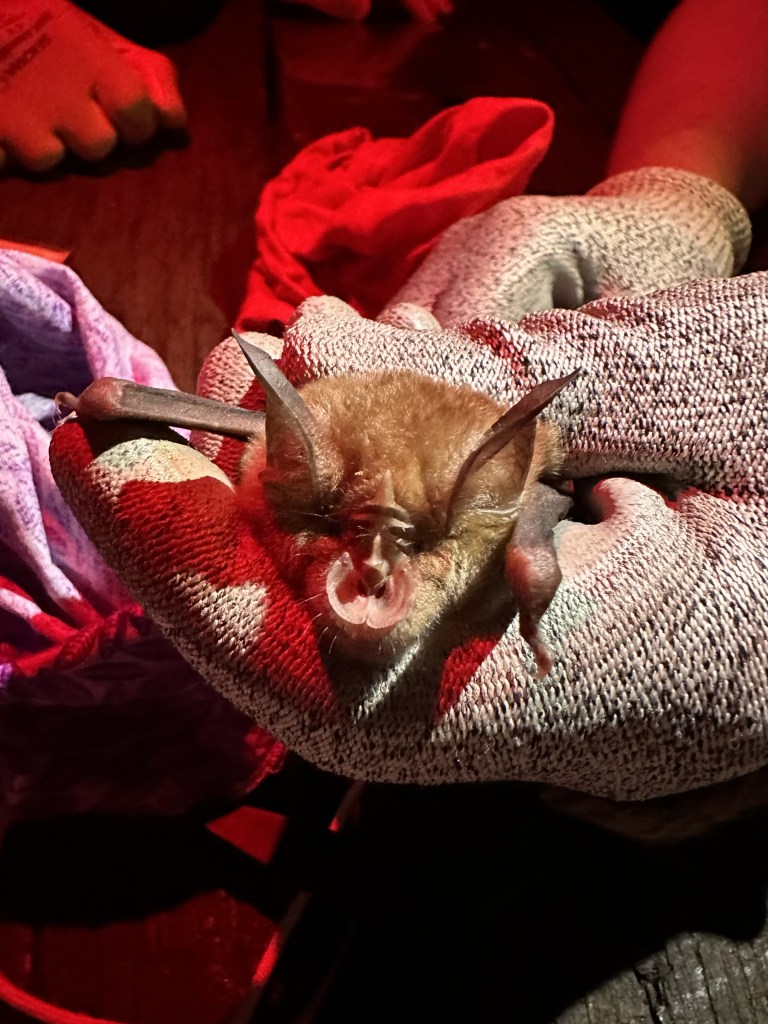
?
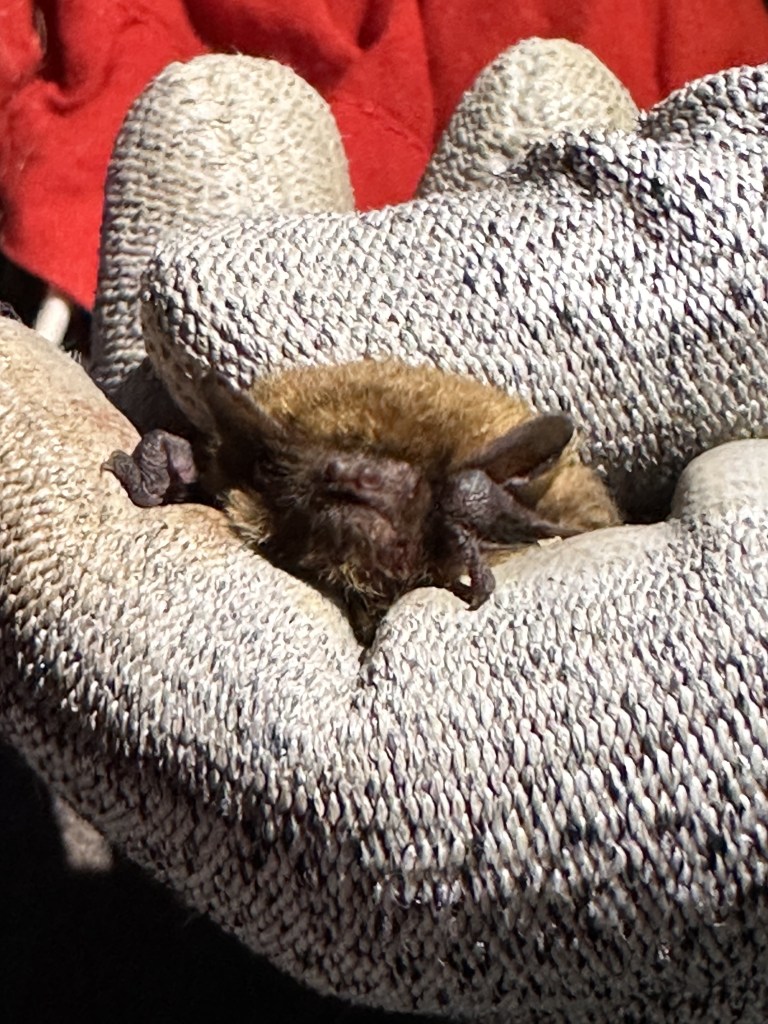
Pipistrelles
Genus Pipistrellus
Krka valley, Croatia, Jun 2026
Lemurs, lorises, monkeys, apes and humans. The order is recognised by a suite of shared features: forward-facing eyes set in a ring of bone for stereoscopic, three-dimensional vision, grasping hands and feet tipped with flat nails instead of claws, and a brain that is large relative to body size (Marigó et al., 2014; Steiper & Youngc, 2009). These traits are adaptations to a mostly arboreal, branch-grasping lifestyle, and they are so characteristic that a primate is defined by them. Humans are just one of the 350+ species carrying that diagnostic package (Steiper & Youngc, 2009).
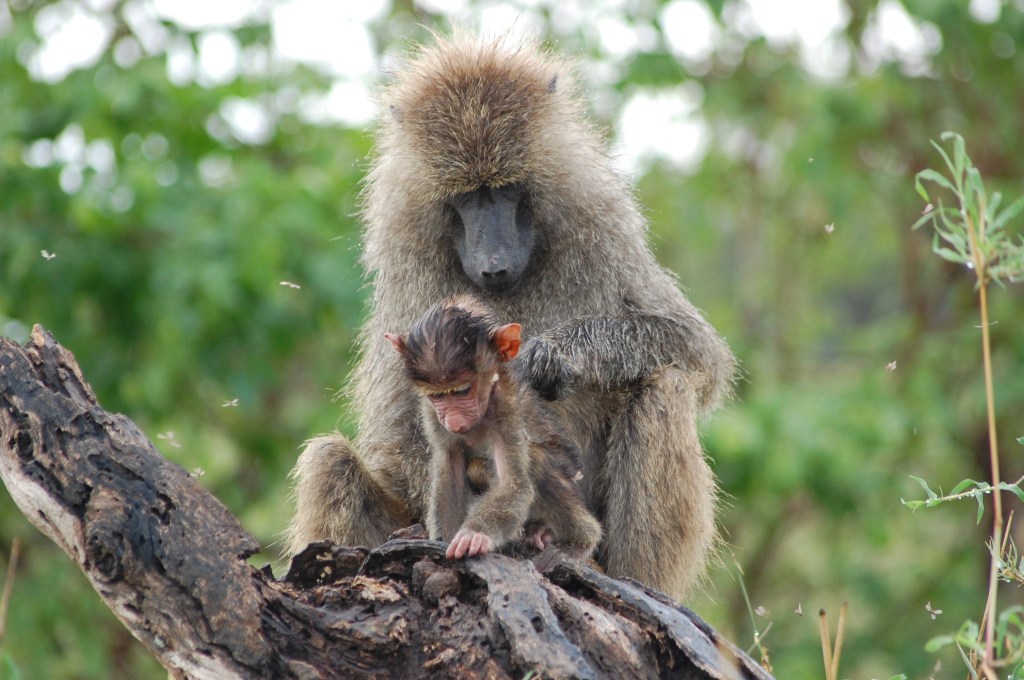
Olive Baboon
Papio anubis
Arusha, Dec 2024
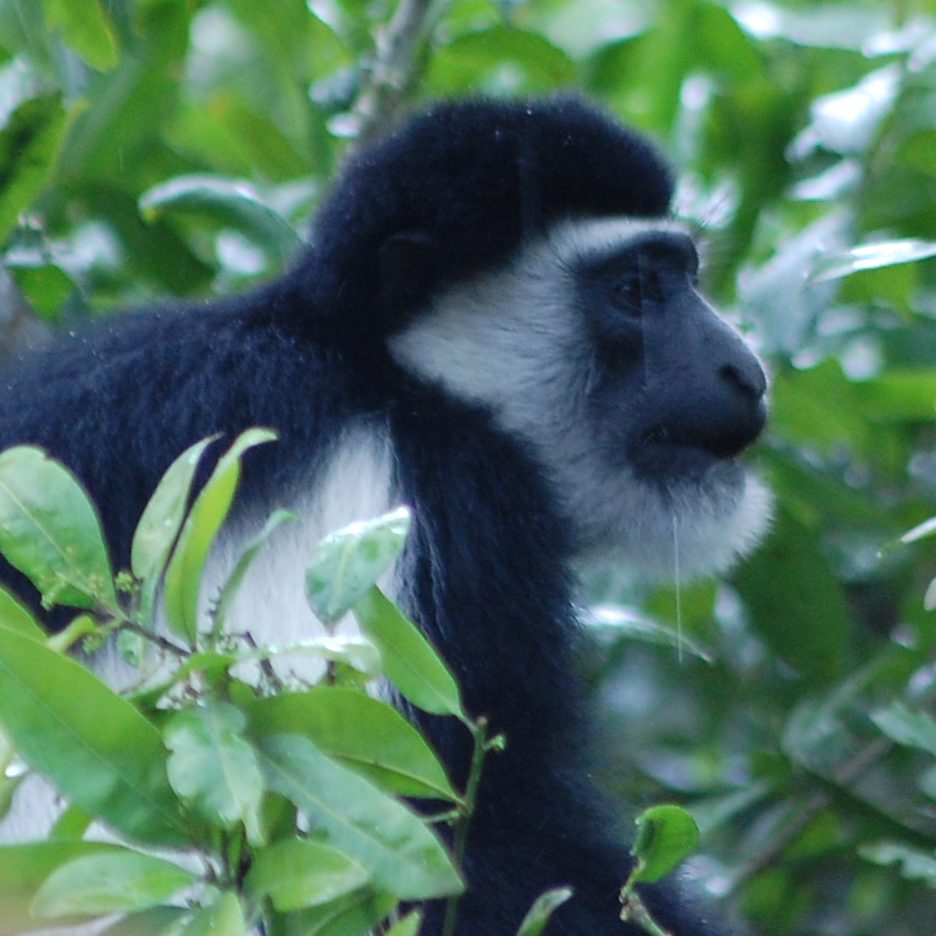
Black-and-white colobus monkey
Colobus angolensis
Arusha, Dec 2024
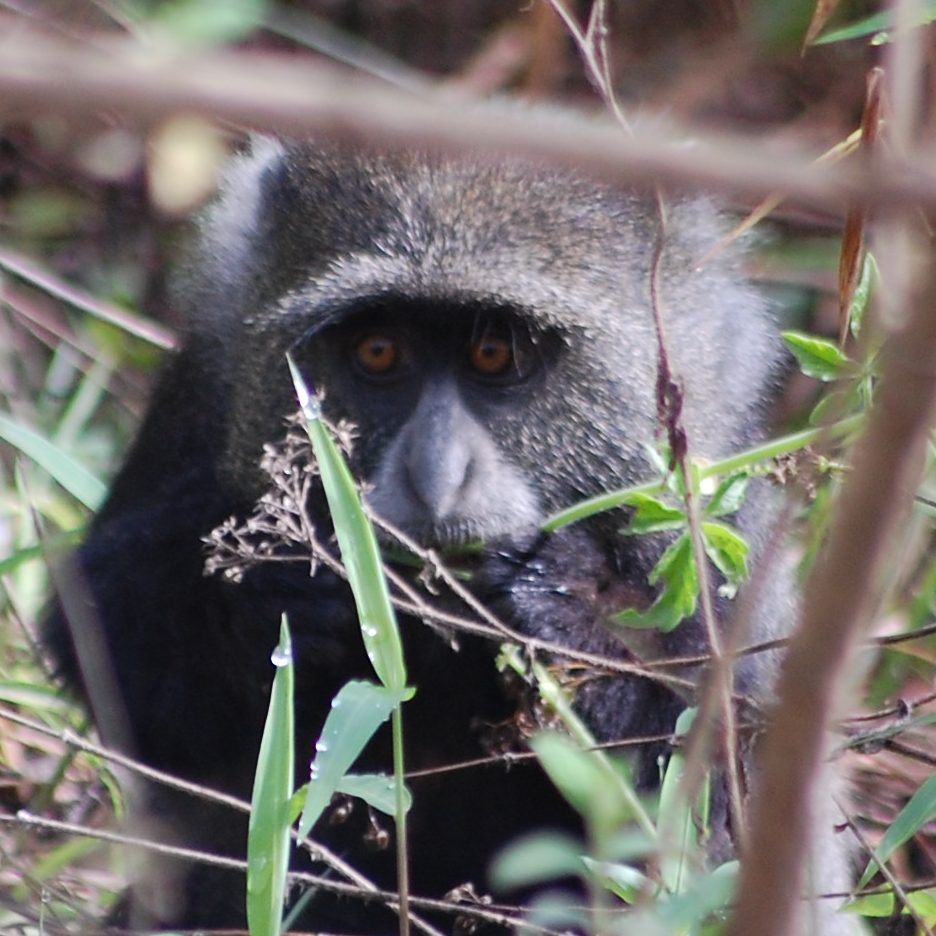
Blue monkey
Cercopithecus mitis
Arusha, Dec 2024
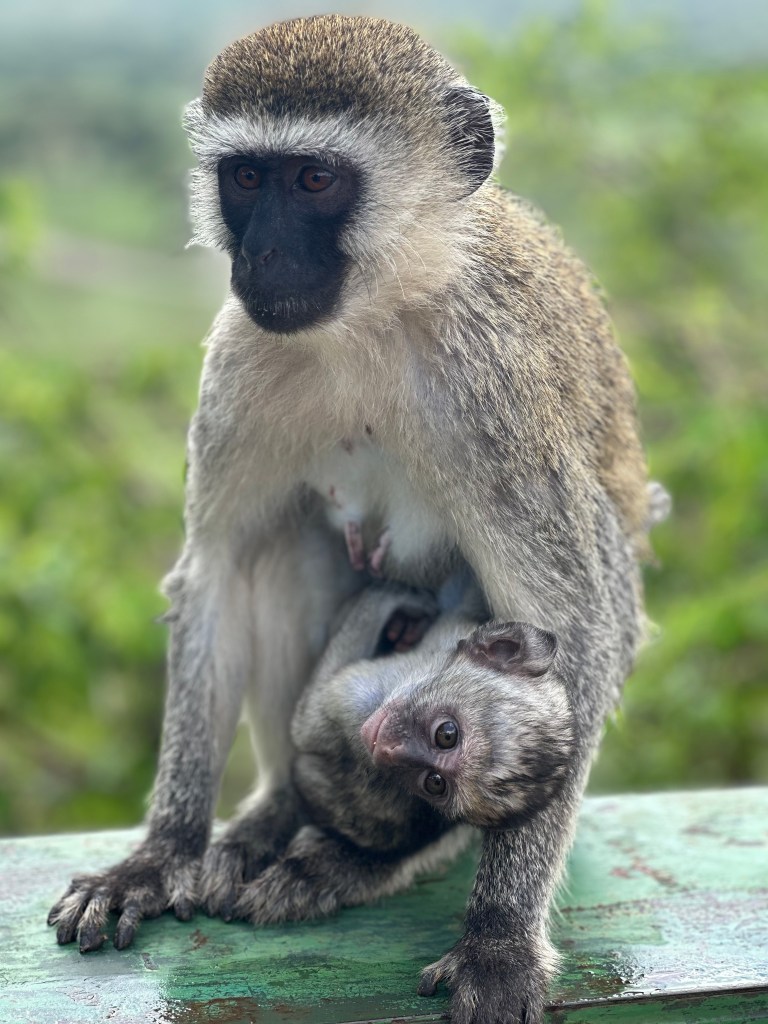
Vervet Monkey
Chlorocebus pygerythrus
Central Serengeti, Dec 2024
Elephants and hyraxes an odd-looking pairing with deep scientific backing. Although a hyrax looks like an oversized guinea pig, molecular studies unite elephants, hyraxes and sea cows (manatees and dugongs) in the clade Paenungulata, and place that clade within Afrotheria, the superorder of mammals that evolved in Africa when the continent was isolated (Benton et al., 2015; Nishihara et al., 2005). Both groups also share oddities like toenails rather than hooves, internal testicles, and a long gestation relative to body size. It’s one of the best “guess the relative” facts for a website caption.
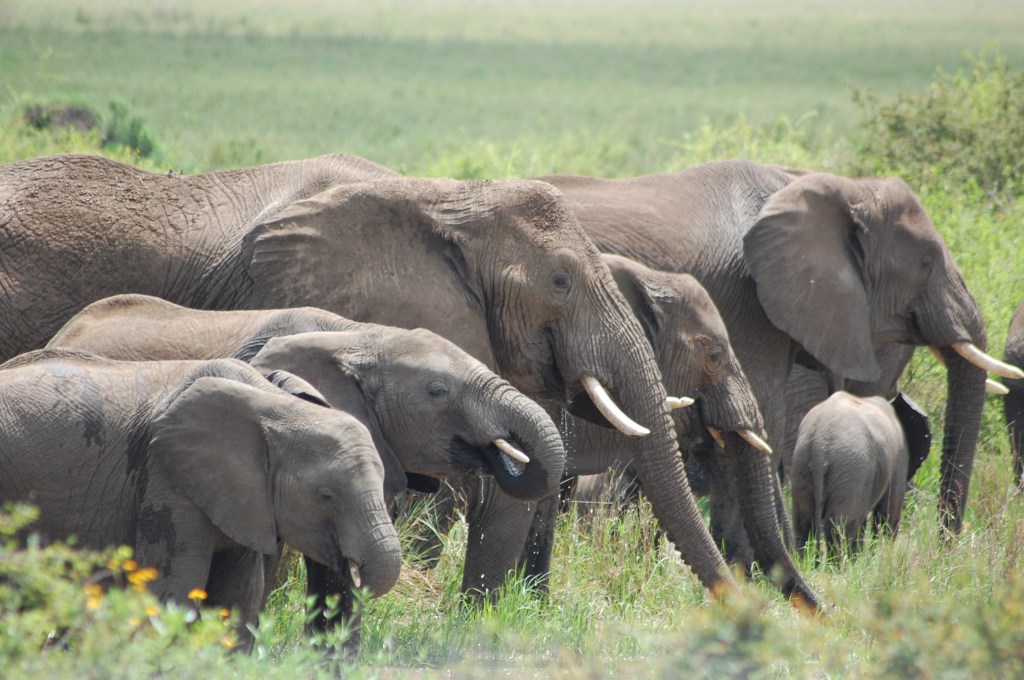
African bush elephant
Loxodonta africana
Central Serengeti, Dec 2024
Central Serengeti, Dec 2024
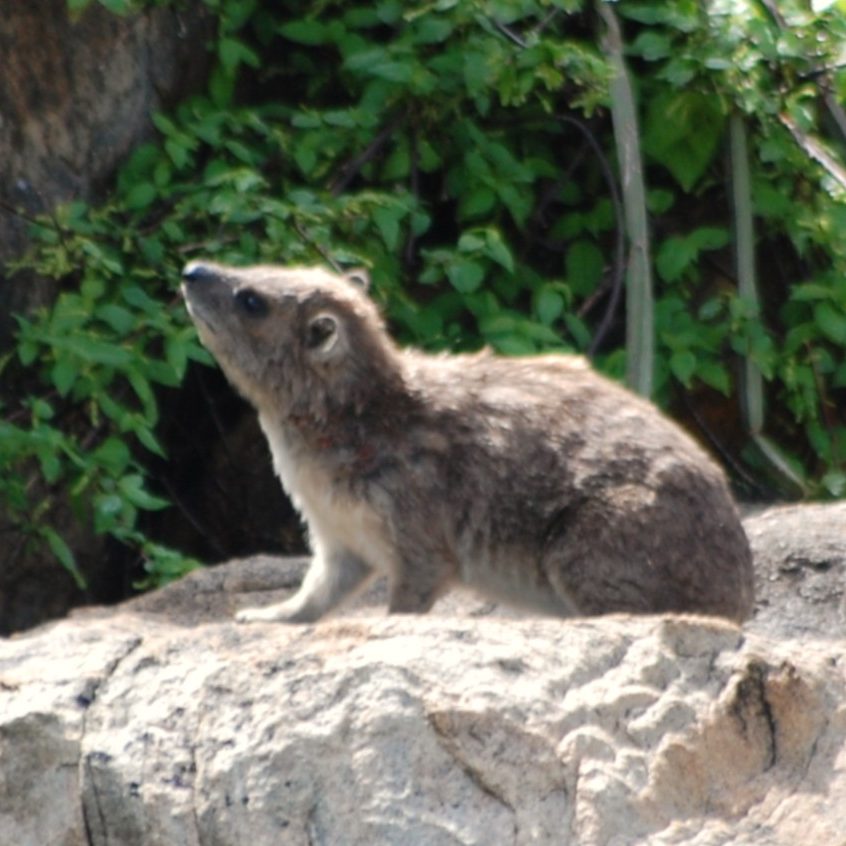
Rock hyrax (rock dassie)
Procavia capensis
Central Serengeti, Dec 2024
The gnawing order of mice, rats, squirrels, voles, porcupines and beavers are the largest order of mammals, containing nearly 2,300 species: over 40% of all mammals (Kay & Hoekstra, 2008; Reid, 2009). What makes a rodent a rodent is its dentition: a single pair of open-rooted upper and lower incisors that grow continuously through life (Cox et al., 2012; Rodrigues, 2015). Enamel coats only the front face of each incisor while the back is softer dentine, so ordinary wear keeps the tooth sharpened into a permanent chisel edge (Kay & Hoekstra, 2008) The group’s name comes from the Latin rodere, “to gnaw” (Kay & Hoekstra, 2008). The canines are lost entirely, leaving a gap (diastema) between the gnawing incisors and the cheek teeth, and the jaw moves back and forth (propaliny) to allow two separate feeding modes: gnawing and chewing (Cox et al., 2012).
Field Vole
Microtus agrestis
Tice’s Meadow, May 2026
Four-striped Mice
Genus Rhabdomys
Arusha, Dec 2024
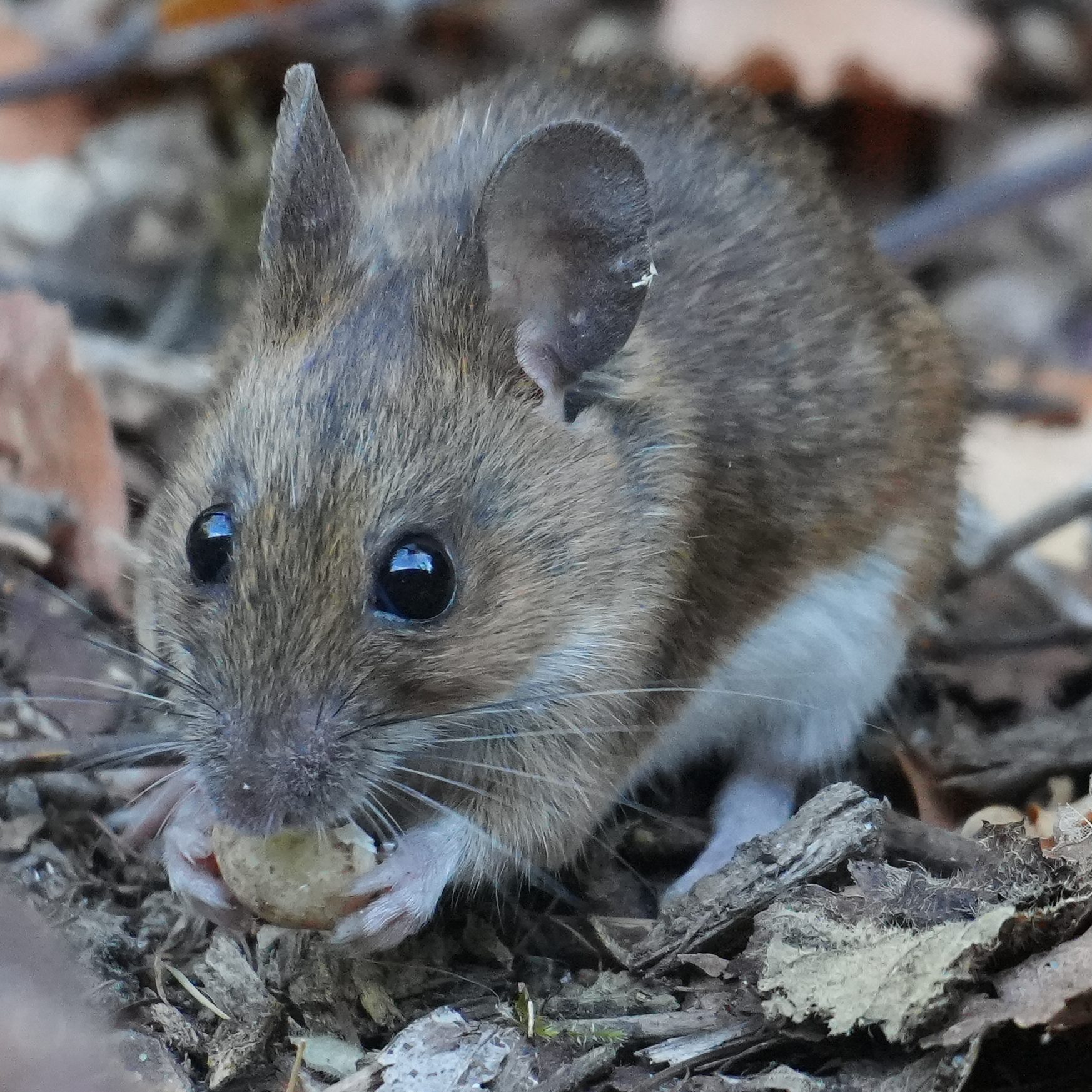
European Wood Mouse
Apodemus slvaticus
Winchester, Jul 2026
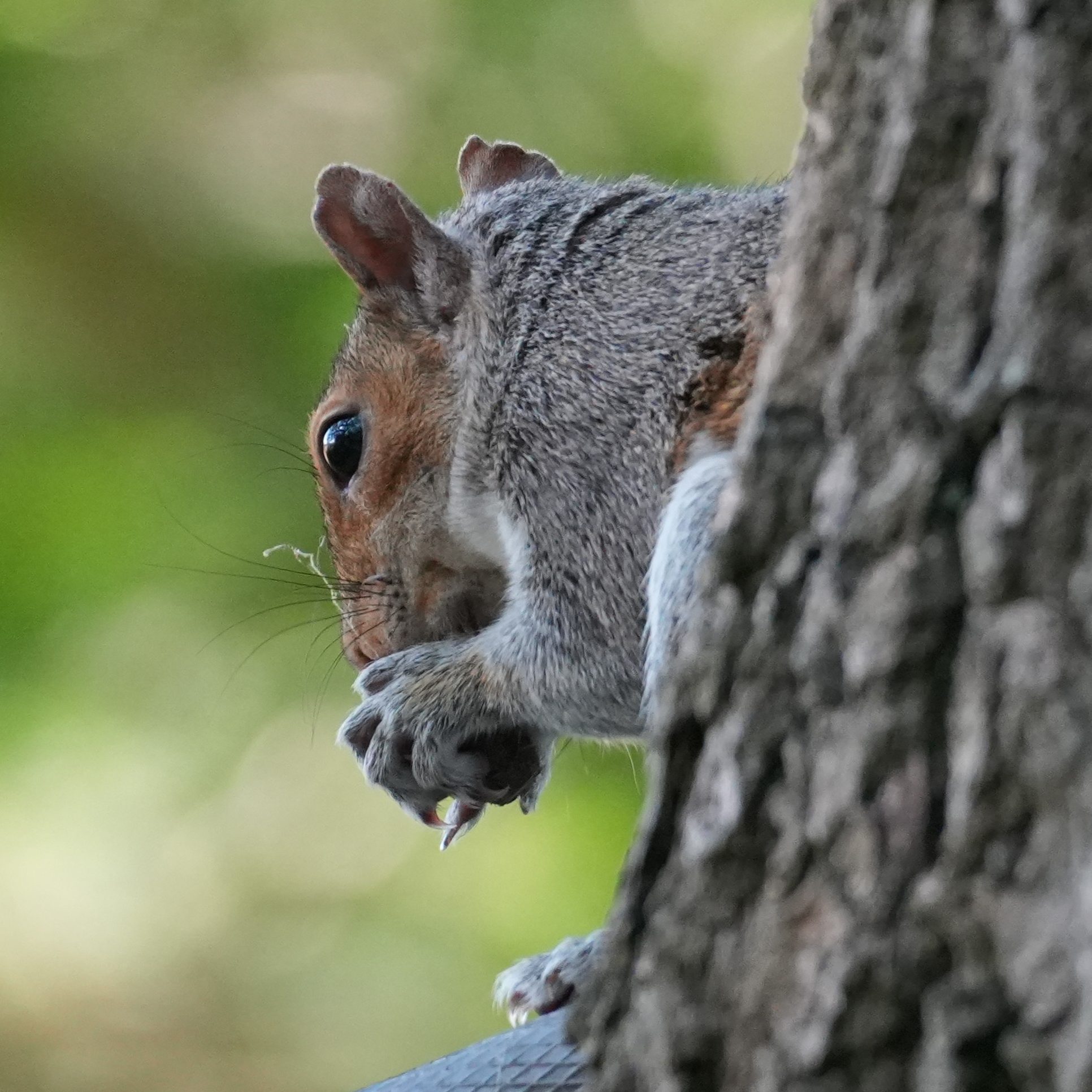
Grey Squirrel Sciurus carolinensis
Tice’s Meadow, Aug 2026
 Badger Ecology