
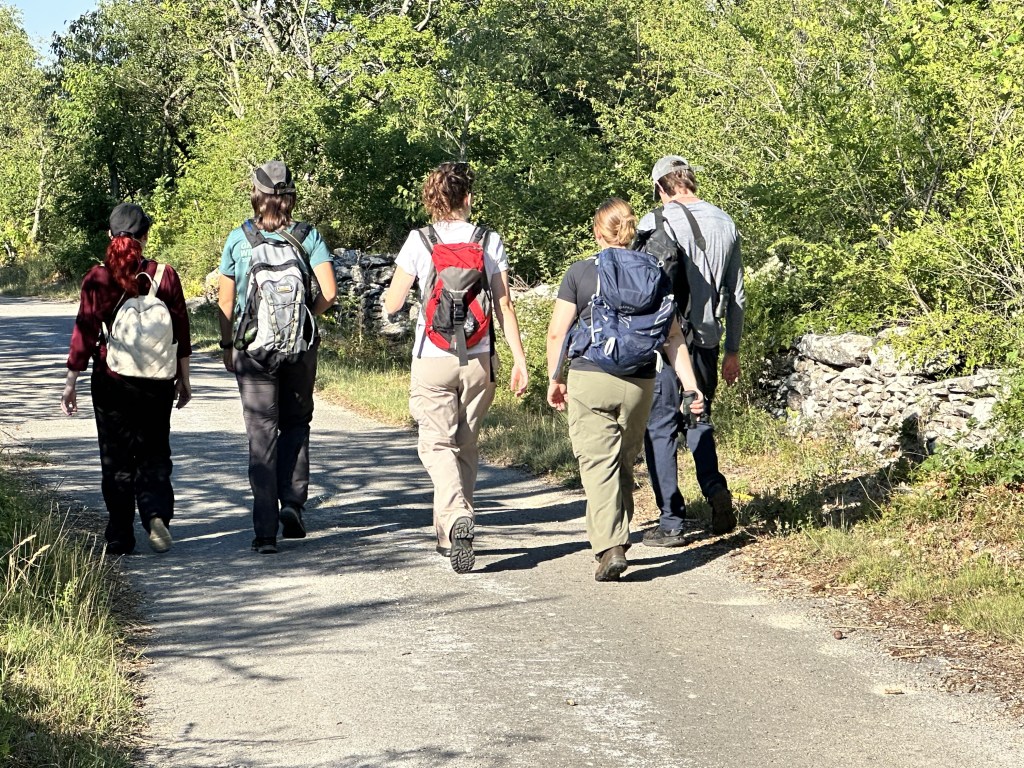
Location: Krka National Park, Croatia
Activities: Bird point count, mammal lecture, environmental listening and night walk
Activity overview
My second day in Krka National Park began at 4:00 am with a bird point count on Transect 1 and finished with a night-time herpetofauna walk. Between these surveys, I attended a mammal-tracking lecture and an environmental-listening session. Together, the activities demonstrated how wildlife can be detected through sound, tracks, droppings and careful observation, even when the animals themselves remain hidden.
Bird point count survey
We started before sunrise, when bird activity was at its highest, and spent approximately four hours completing point counts along Transect 1.
At each fixed survey point, we remained in position for ten minutes and recorded every bird detected by sight or sound, together with any notable behaviour. Many birds were heard long before they were seen, making knowledge of their songs and calls essential.
The survey gave me a much greater appreciation of how strongly ornithological work depends on listening. An experienced surveyor can build a remarkably detailed picture of the bird community within a habitat, even when vegetation makes visual identification difficult.
Mammal tracking lecture
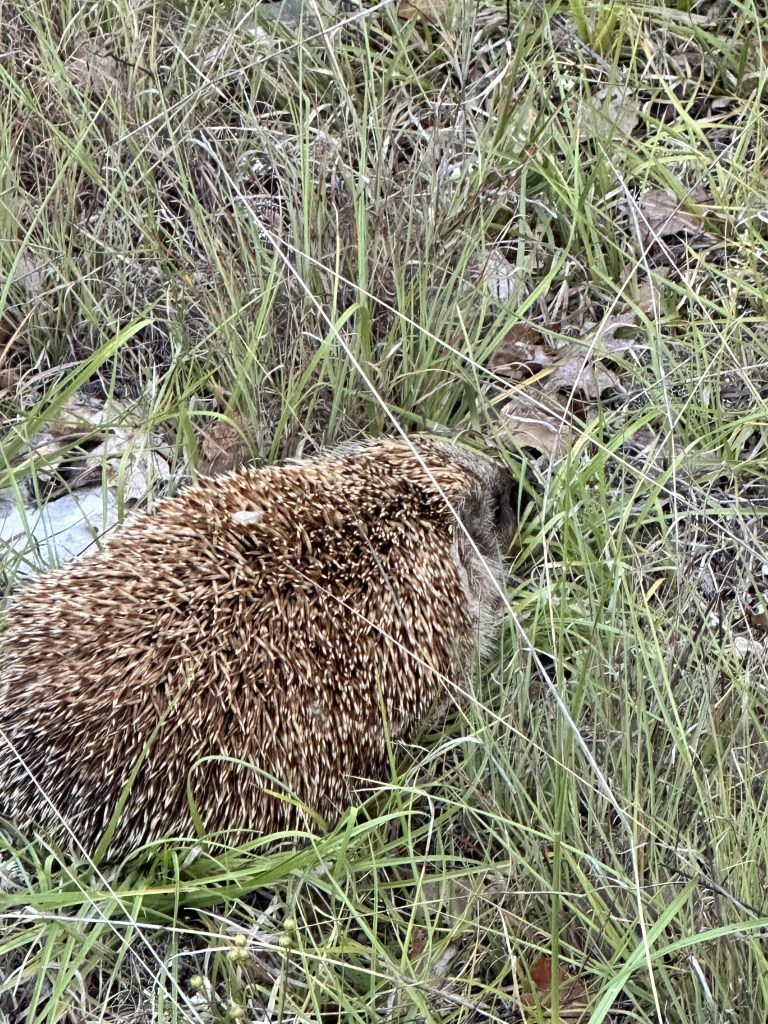
During the afternoon mammal lecture, we learned how to recognise the field signs left behind by different mammal species. Particular attention was given to identifying scat and distinguishing between signs produced by animals such as hedgehogs, deer, wildcats and badgers.
This introduced me to the importance of examining features such as size, shape, contents and where the scat was deposited. It also demonstrated how mammal activity can be recorded without directly observing the animal—particularly useful for elusive, nocturnal or wide-ranging species.
Environmental listening
The environmental-listening session encouraged us to experience the habitat through sound rather than relying entirely on sight. One of the most memorable activities involved listening to the sounds produced by ants inside their nest.
Hearing activity that would normally be completely hidden revealed an unfamiliar layer of the environment. It showed how sound can offer evidence of animal behaviour at a scale that is easy to overlook during conventional field observation.
Night herpetofauna walk
At 8:00 pm, we headed out for a night walk in search of reptiles and amphibians. The highlight was finding a Hermann’s Tortoise (Testudo hermanni).
Seeing this species in the field was a memorable conclusion to a long and varied day. The walk also gave me further experience of searching carefully after dark, when visibility is limited and effective surveying requires patience, concentration and close attention to small movements and shapes.
Skills developed
- Conducting timed bird point counts
- Identifying birds by sight and sound
- Recording observations consistently
- Recognising mammal scat and other field signs
- Environmental listening and sound awareness
- Searching for reptiles and amphibians after dark
- Adapting survey techniques to different species groups
Reflection
The strongest theme running through the day was that wildlife surveying involves much more than directly seeing an animal. Birds could be identified by their calls, mammals by the signs they left behind, ants by sounds hidden within their nest, and reptiles through methodical searching after dark.
The experience encouraged me to use all the available evidence when interpreting a habitat. It also showed me how developing skills in listening, tracking and recognising indirect signs can reveal wildlife that might otherwise remain unnoticed.
Photographs
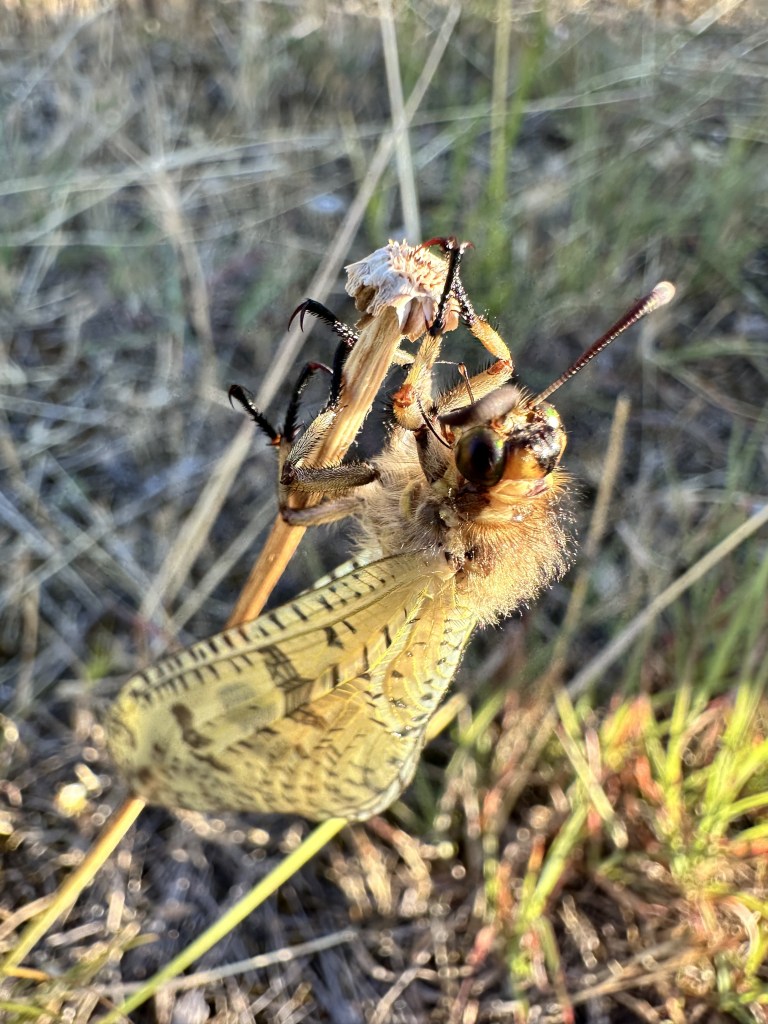
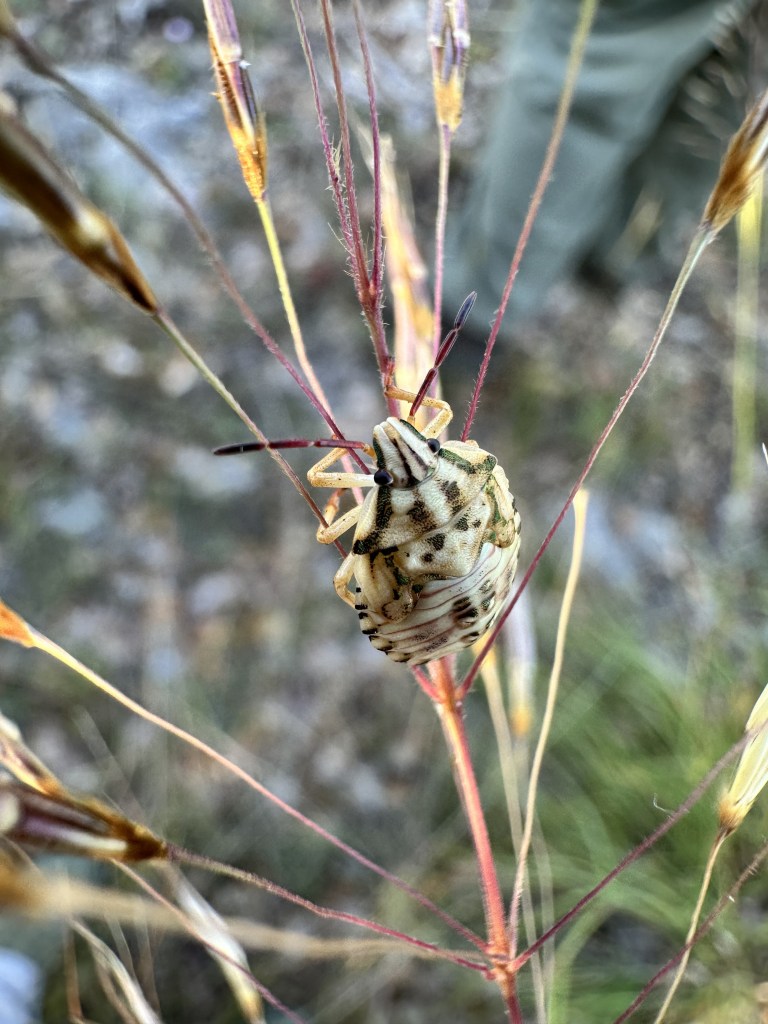
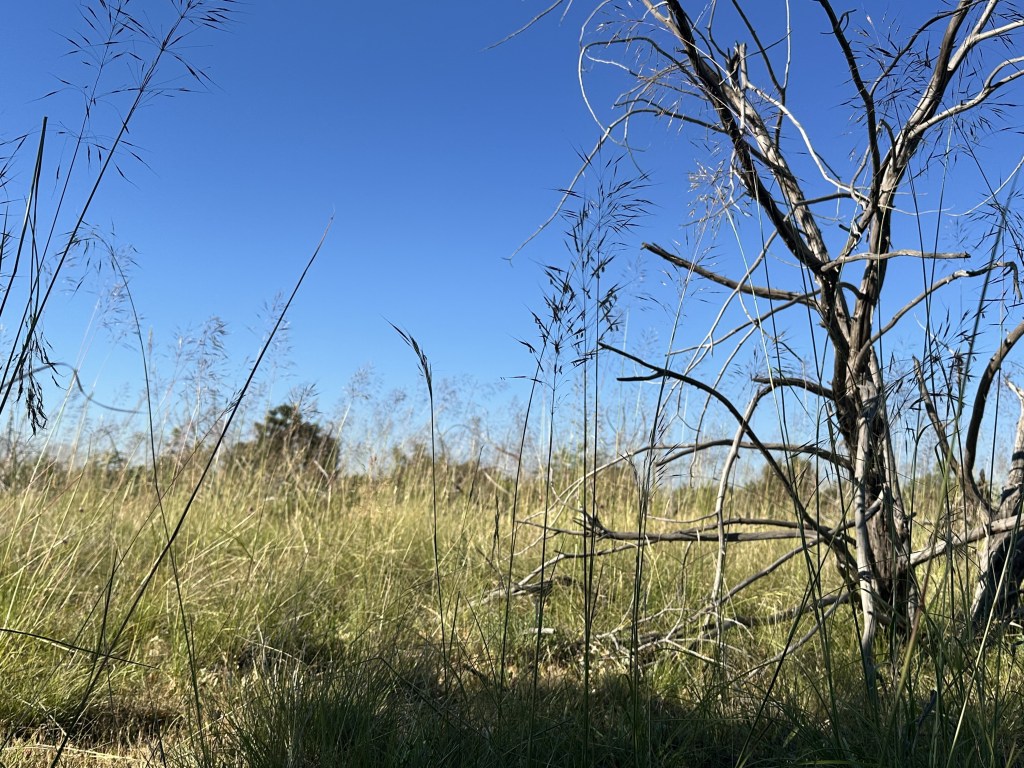
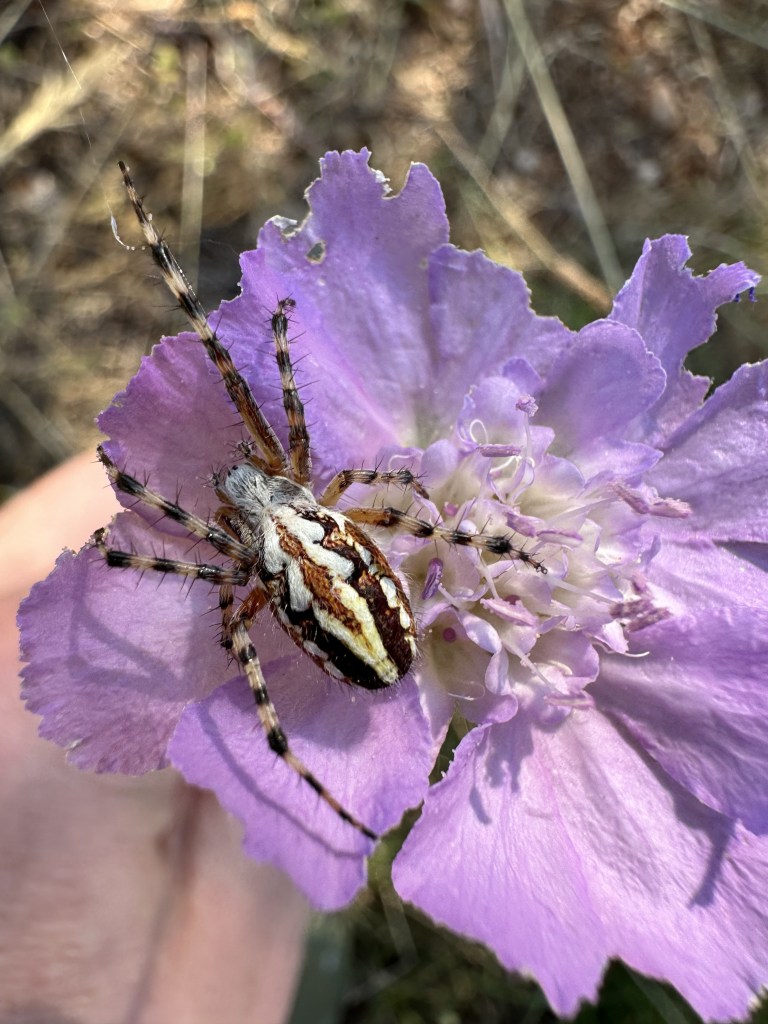
 Badger Ecology