
Location: Krka National Park, Croatia
Activities: Mammal survey, ornithology lecture and bird mist-netting setup
Transect: Transect 4
Survey duration: Approximately five hours
Activity overview
My third day in Krka National Park began at 6:00 am with a mammal survey along Transect 4. In the afternoon, I attended an ornithology lecture before helping to prepare mist nets for a bird survey.
The day demonstrated two contrasting approaches to wildlife monitoring. During the mammal survey, we relied primarily on indirect evidence such as scat, tracks and feeding remains. The bird activities focused on developing our ornithological knowledge and preparing equipment for the safe capture and examination of birds.
Mammal survey
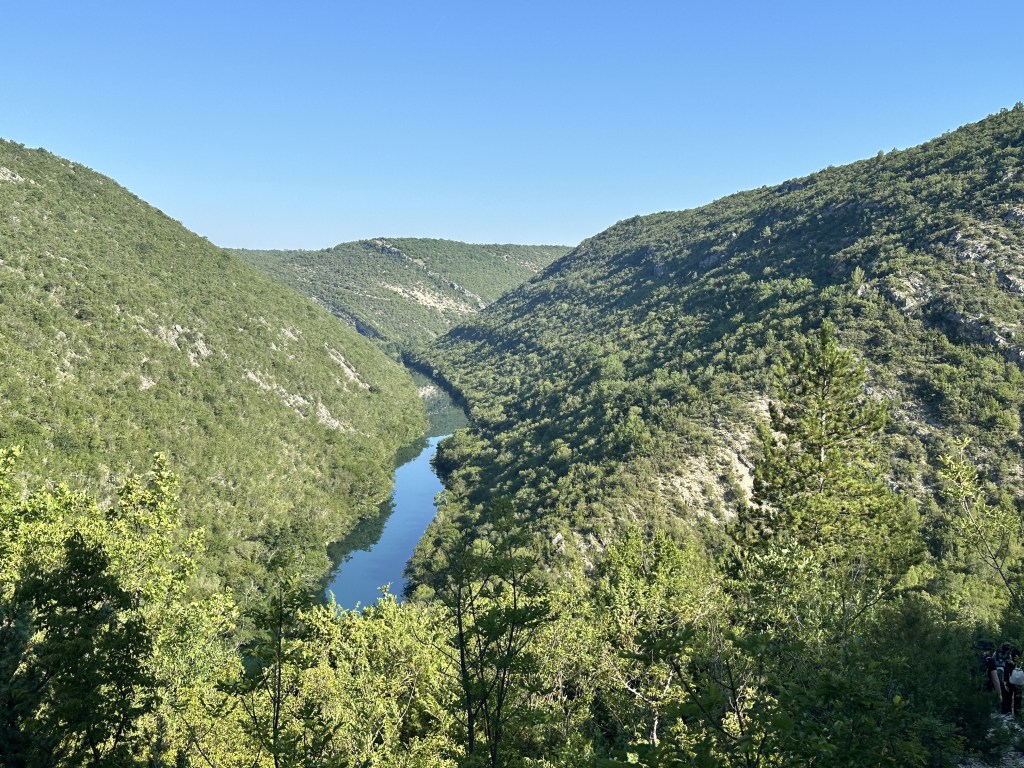
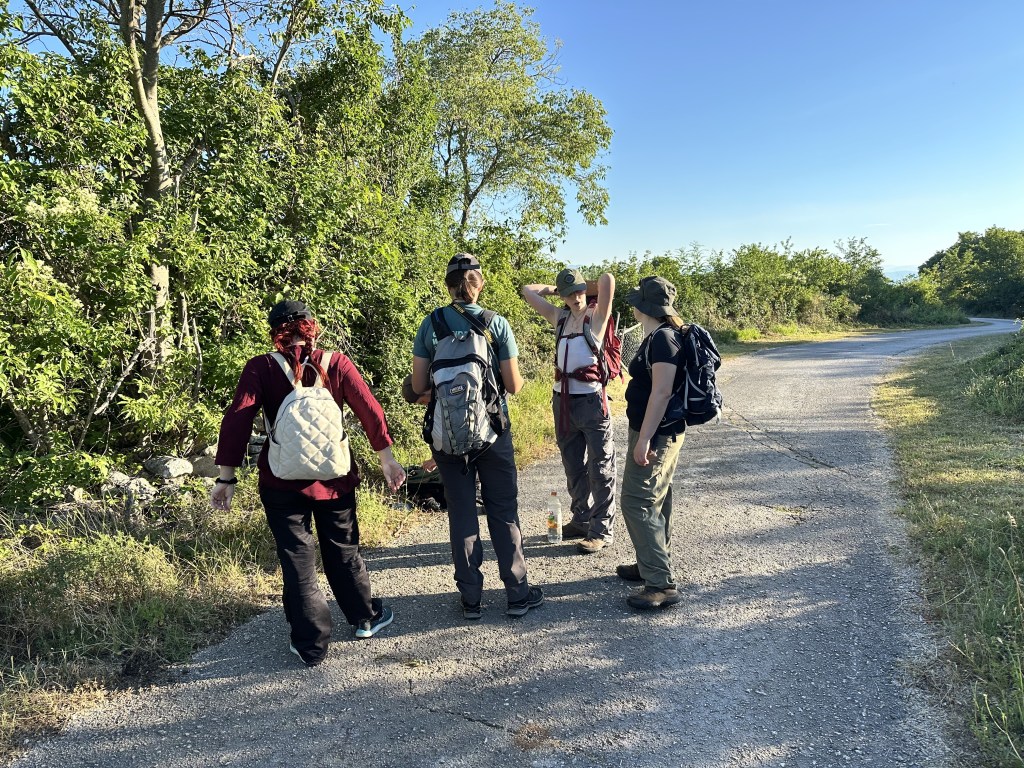
Transect 4 followed a demanding route down into the valley before climbing steeply back out. The survey lasted approximately five hours, with temperatures approaching 35°C by the end of the morning.
Rather than searching only for the mammals themselves, we looked for the evidence they had left behind. This included tracks, scat, feeding remains, established animal paths and other signs of activity.
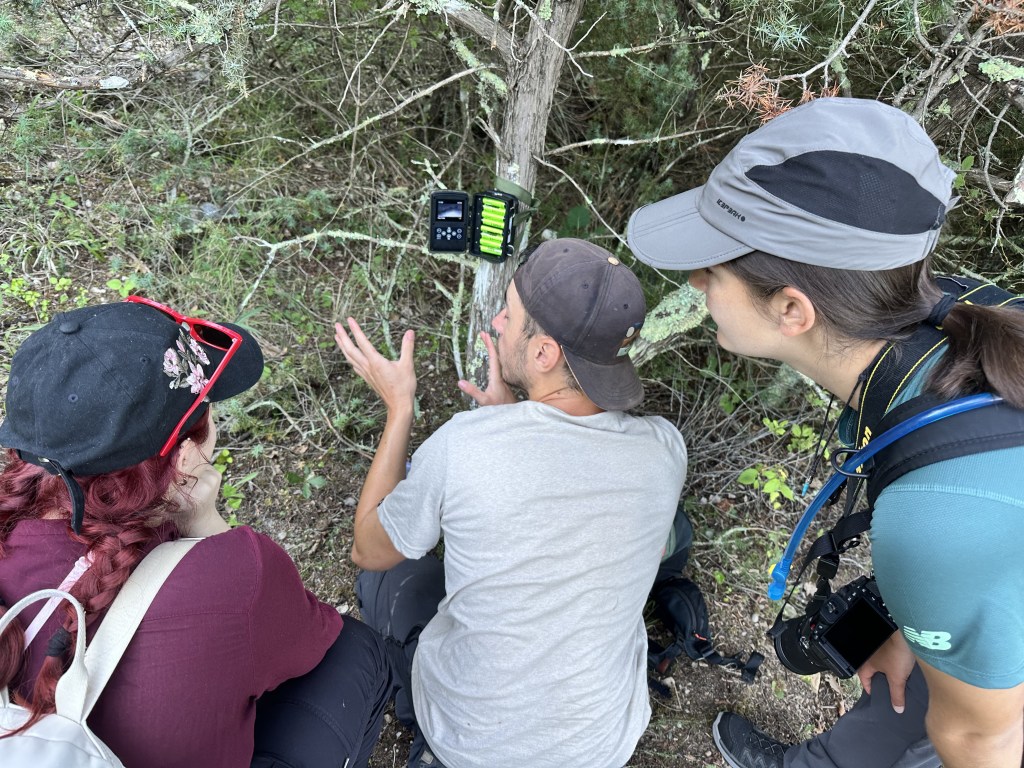
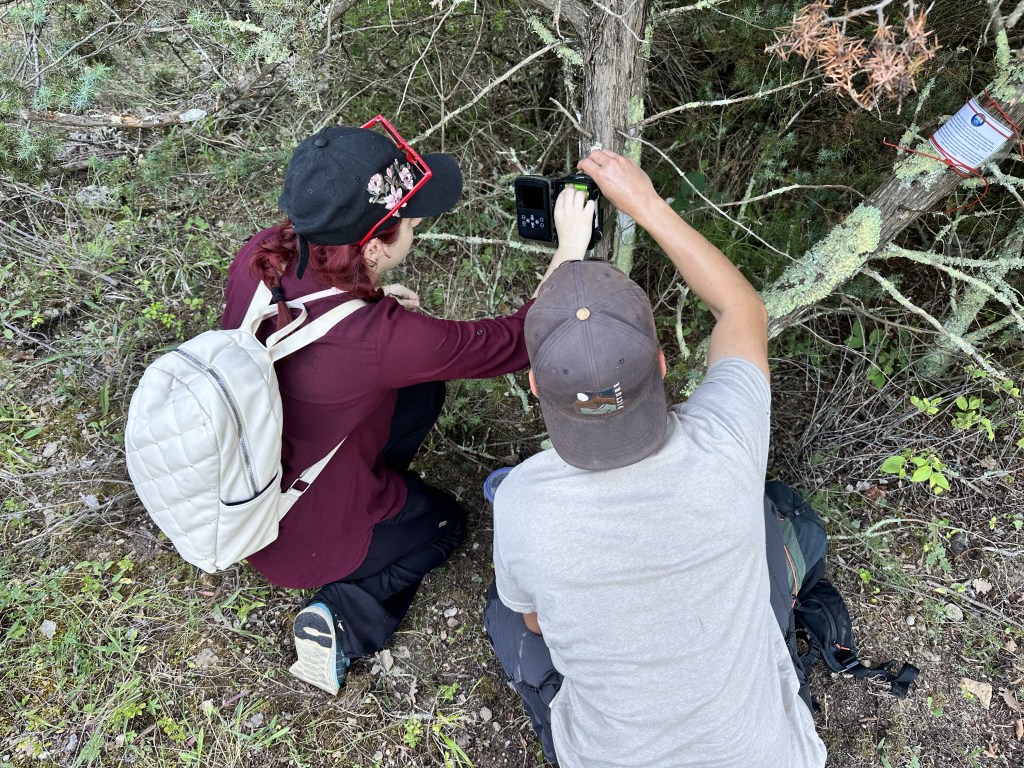
We also checked the camera traps positioned along the transect. Their batteries were inspected and replaced where necessary to ensure that the cameras could continue recording wildlife moving through the area.
Survey method
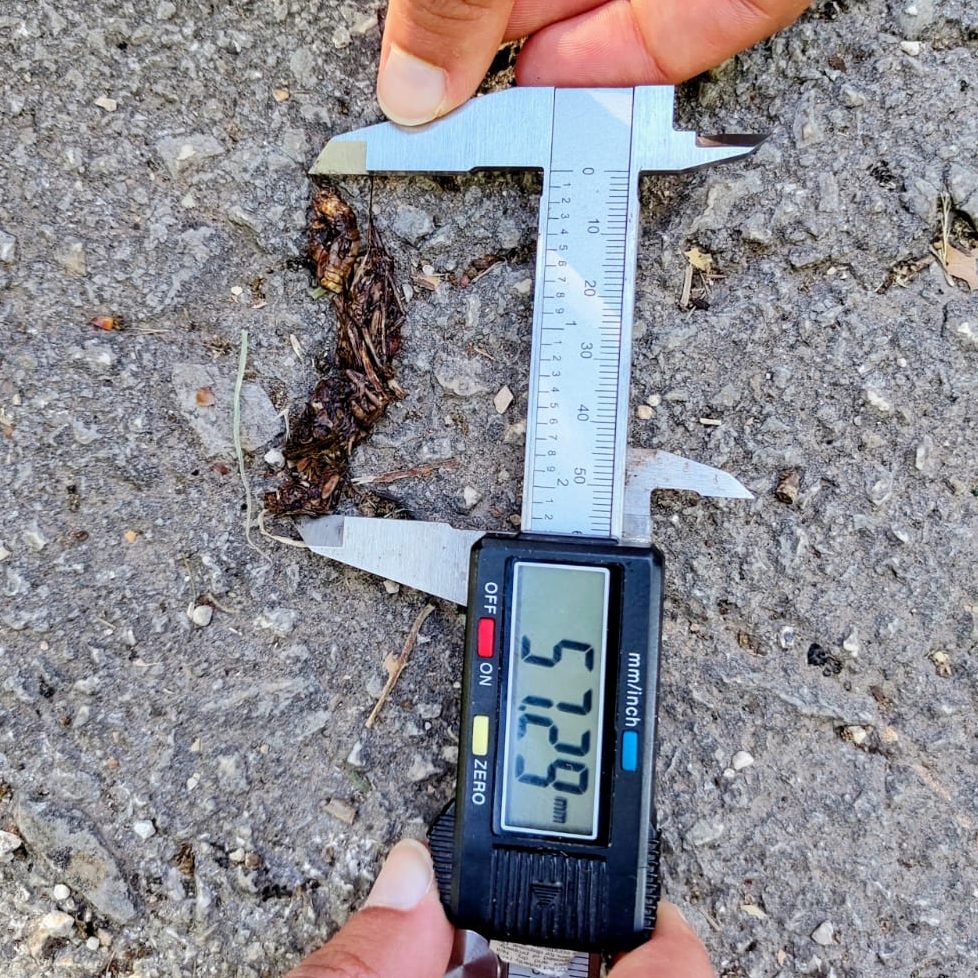
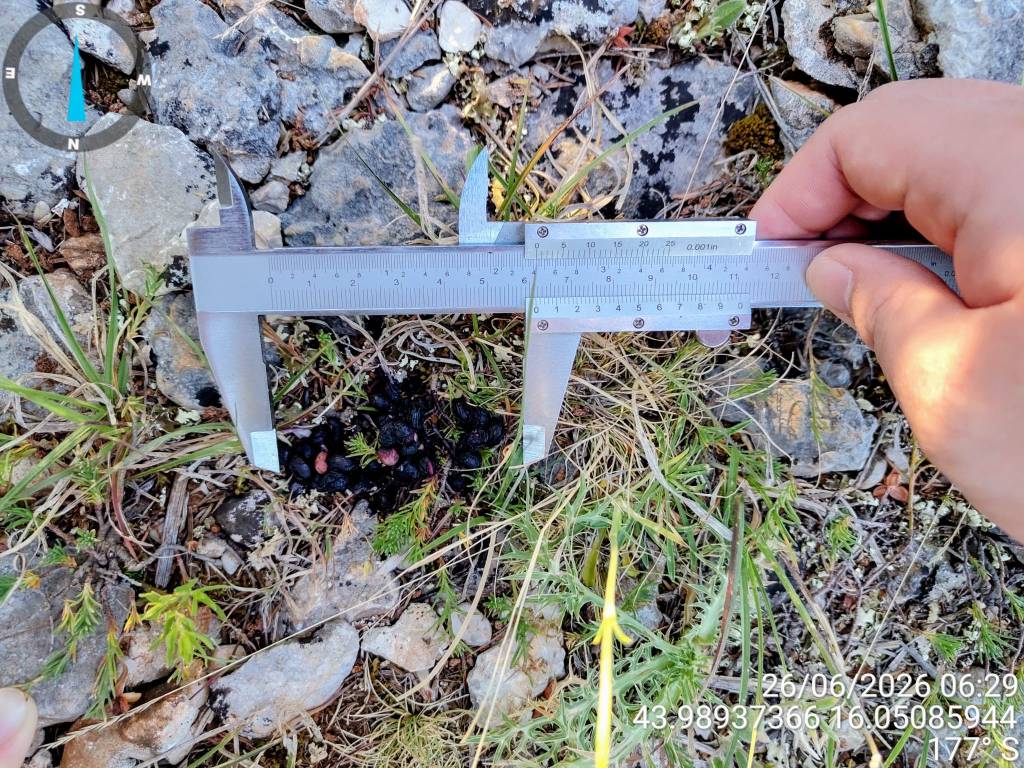
We moved carefully along the transect, examining the path, surrounding vegetation and suitable marking locations for signs of mammals. When evidence was found, we considered its size, shape, contents and position to help determine which species had produced it.
The survey involved searching for:
- Scat
- Tracks and footprints
- Feeding remains
- Animal paths and trails
- Other signs of mammal activity
- Images or activity recorded by camera traps
Examining several forms of evidence together allowed us to build a clearer picture of which mammals were present and how they were using the habitat.
Key observations
One of the most memorable encounters occurred within the first 200 metres of the transect. As we walked quietly through the woodland, we suddenly heard heavy hooves crashing through the undergrowth. We did not see the animal, but the distinctive squeal that followed suggested that it was most likely a Wild Boar (Sus scrofa), rather than a Roe Deer (Capreolus capreolus).
Although the animal remained hidden, hearing it moving nearby was an exciting reminder of how close large mammals can be without ever becoming visible.
Later in the survey, we identified evidence from several mammal species:
- European Badger (Meles meles) — scat containing numerous juniper berries, providing evidence of seasonal feeding.
- European Hedgehog (Erinaceus europaeus) — scat containing beetle wing cases and other insect remains.
- European Wildcat (Felis silvestris) — scat containing fur, suggesting that the animal had recently fed on a small mammal.
The contents of the scat revealed more than the presence of each species. They also provided useful information about diet and feeding behaviour within the surrounding habitat.
Ornithology lecture
At 2:00 pm, I attended an ornithology lecture that introduced some of the knowledge needed for the bird surveys taking place during the expedition. The session helped place our practical bird work into a wider ecological context and prepared us for using mist nets safely and purposefully in the field.
Bird mist-netting setup
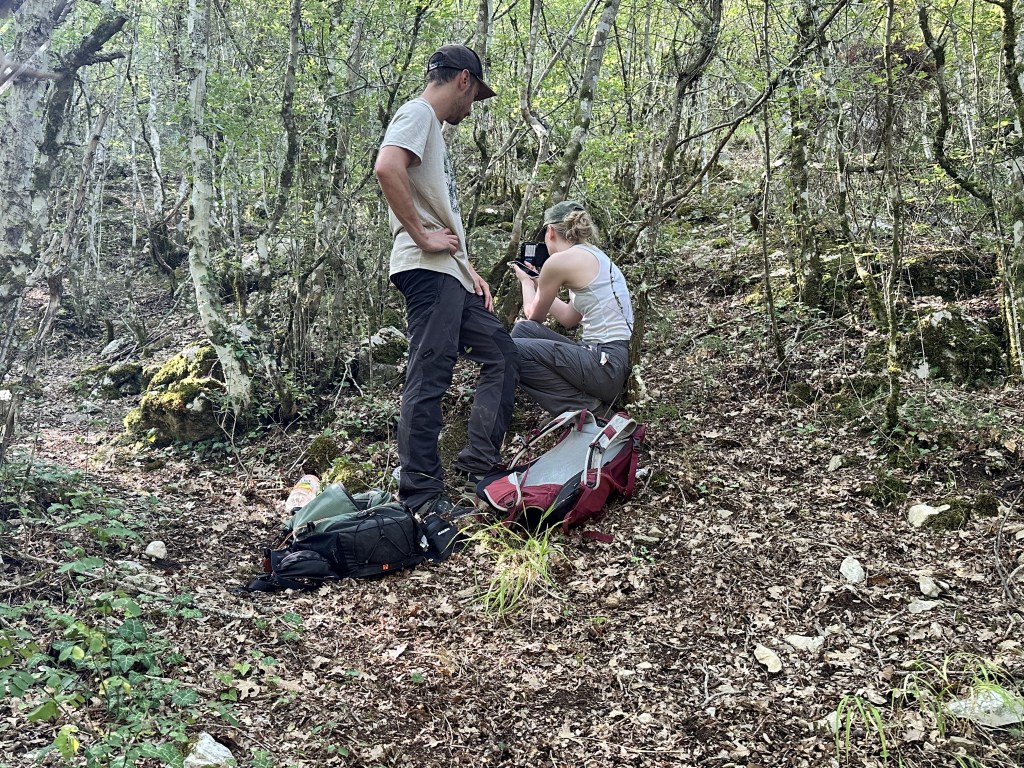
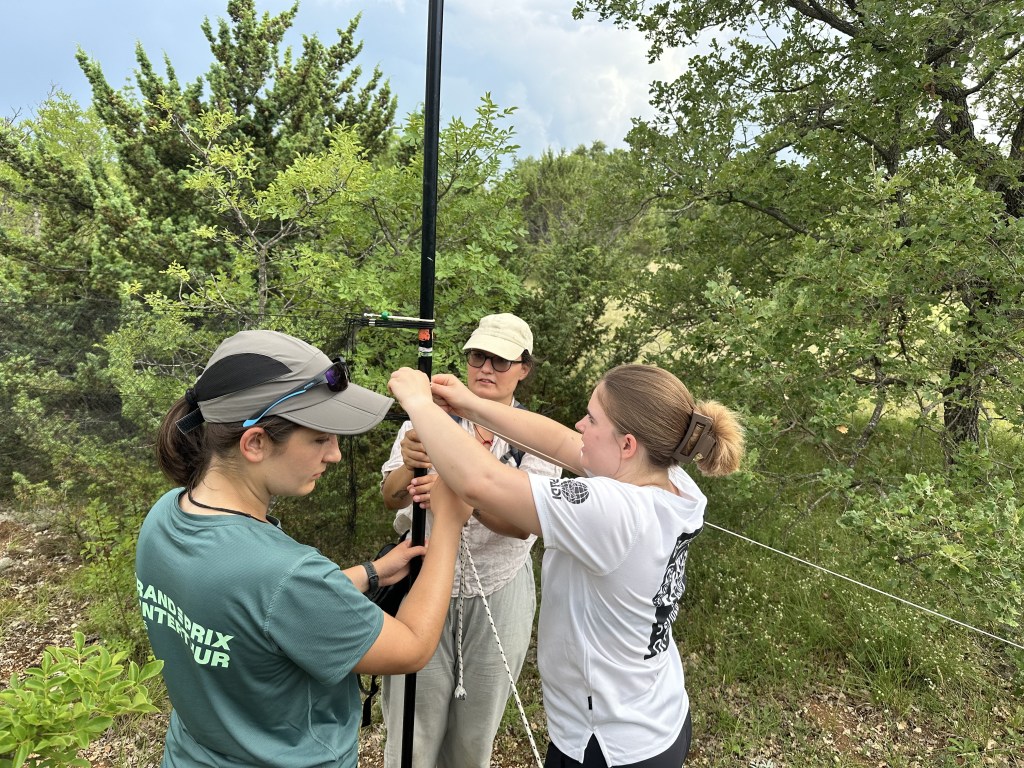
At 4:00 pm, we helped prepare the mist nets for bird surveying. This introduced me to the practical organisation required before mist netting can begin, including carefully positioning and setting up the equipment.
Preparing the nets reinforced that bird mist netting is a controlled survey method that requires careful planning, teamwork and close attention to animal welfare. The setup needed to be completed correctly so that subsequent monitoring could be carried out safely and efficiently.
Skills developed
- Recognising mammal tracks, scat and feeding evidence
- Interpreting scat contents
- Identifying animal paths and signs of habitat use
- Checking and maintaining camera traps
- Recording ecological field evidence
- Preparing bird mist-netting equipment
- Working carefully as part of a survey team
- Surveying in steep terrain and high temperatures
Reflection
The mammal survey completely changed the way I viewed the woodland. Instead of expecting animals to appear, I learned to search for the much subtler evidence of their presence. Scat, tracks and feeding remains could reveal not only which species were using the habitat, but also what they had eaten and how they were moving through the landscape.
Hearing what we believed to be a Wild Boar moving through the undergrowth was a particular highlight. Although we never saw it, the encounter made the woodland feel suddenly alive and demonstrated that direct sightings are only one part of wildlife surveying.
The afternoon’s ornithology activities provided a useful contrast. Moving from interpreting mammal signs to preparing mist nets showed how survey methods must be adapted to different animal groups. Overall, the day strengthened my observation skills and reinforced the value of patience, careful preparation and attention to detail in ecological fieldwork.
Photographs
 Badger Ecology