
Location: Krka National Park, Croatia
Fieldwork: Bird mist-netting, habitat assessment, snake processing and Sherman trapping
Habitats: Mediterranean woodland, scrub and grassland
| Time | Activity |
|---|---|
| 4:00 AM | Bird mist-netting survey |
| 1:00 PM | Herpetofauna lecture |
| 2:30 PM | Habitat survey |
| 7:00 PM | Processing Eastern Montpellier snake |
| 8:00 PM | Sherman trapping set up |
Field Notes
Day four began before sunrise with a 3:00 am wake-up for an early-morning bird mist-netting survey. After returning from the survey, we attended a herpetofauna lecture before spending the afternoon completing a detailed habitat assessment. The evening brought two further opportunities: observing the processing of an Eastern Montpellier Snake and taking part in Sherman trapping for shrews and mice.
It was a long and varied day that connected several areas of ecological fieldwork. We moved from handling and recording birds to measuring vegetation structure, learning about reptiles and monitoring small mammals. This variety demonstrated how different survey methods can be combined to build a broader understanding of a landscape and the species it supports.
Bird Mist-Netting and Biometrics
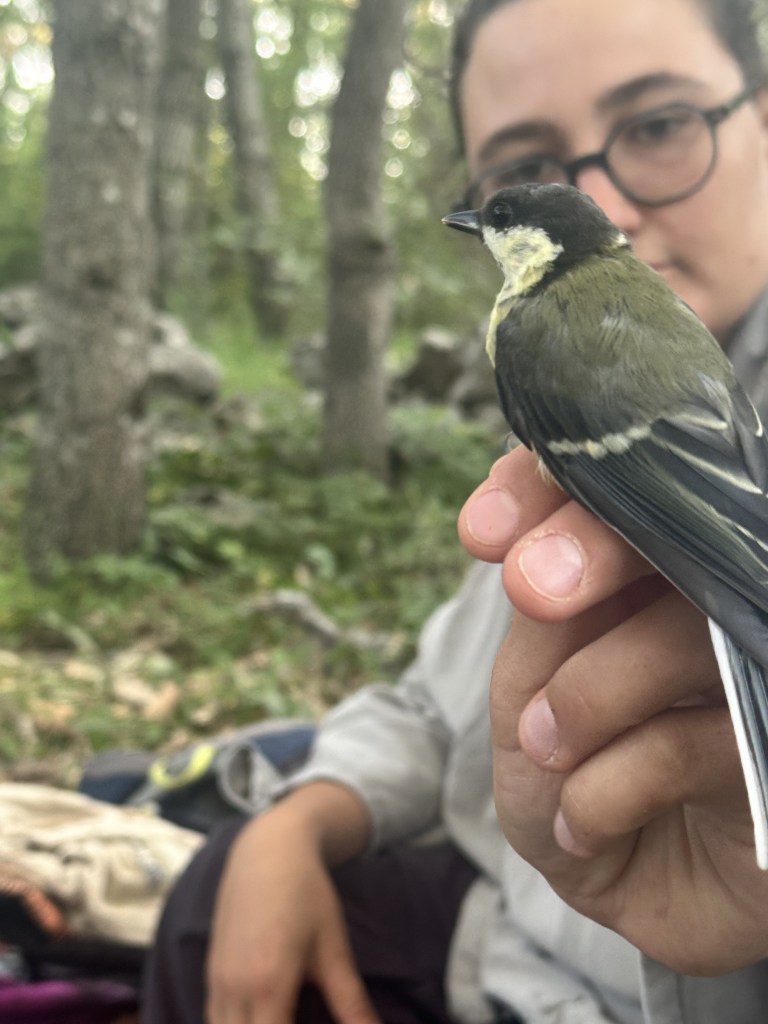
The bird mist-netting survey began at 4:00 am at transect 6, so we had a short drive before the survey. Nets were positioned carefully the night before, but closed so nothing could be caught in the night.
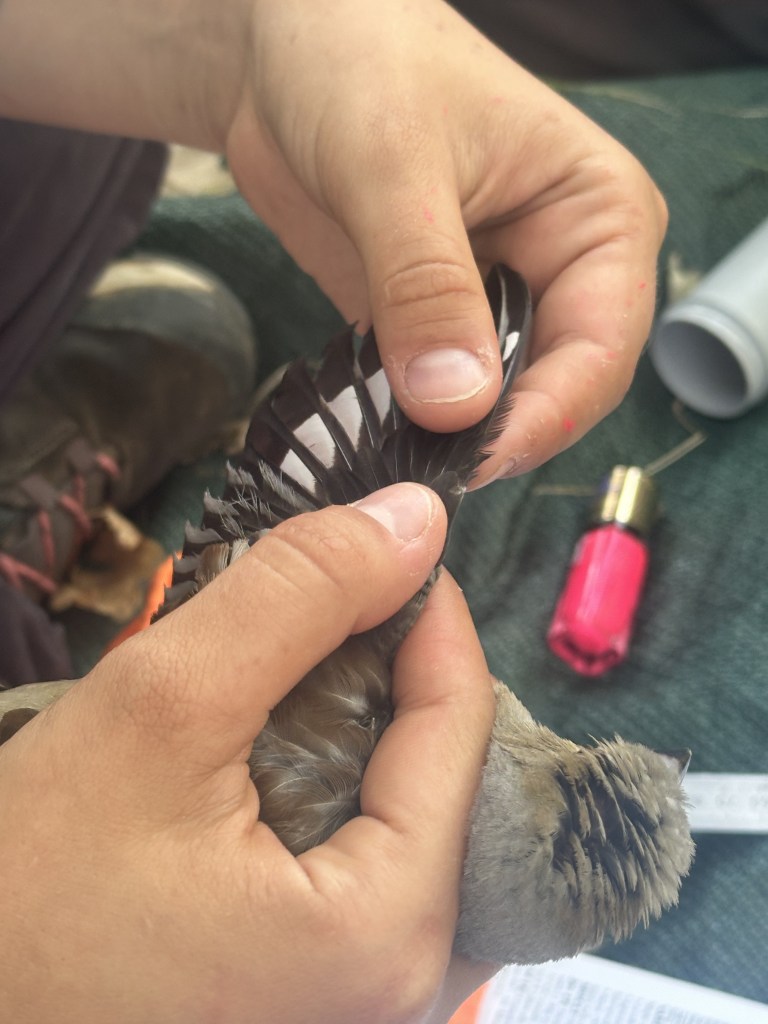
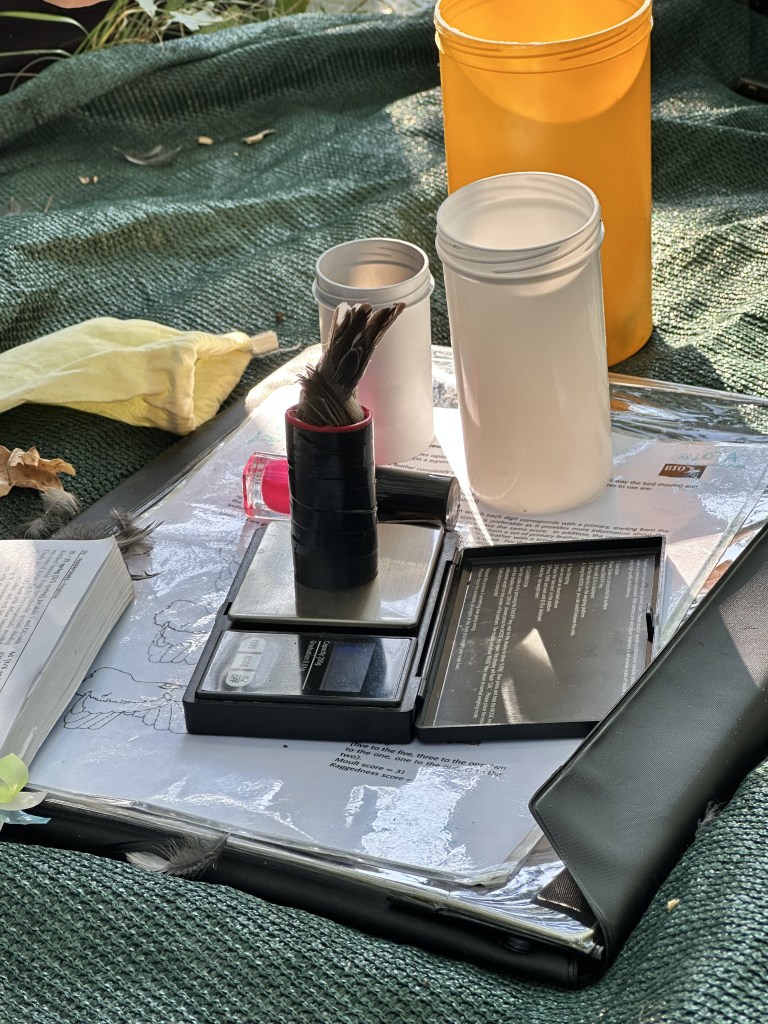
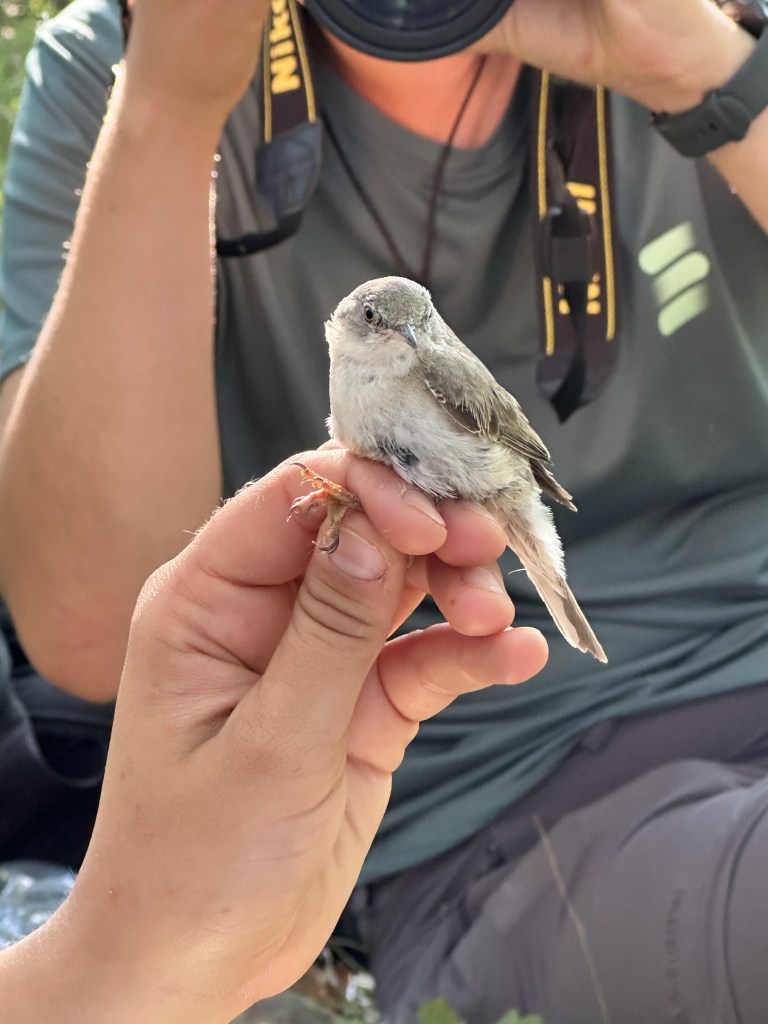
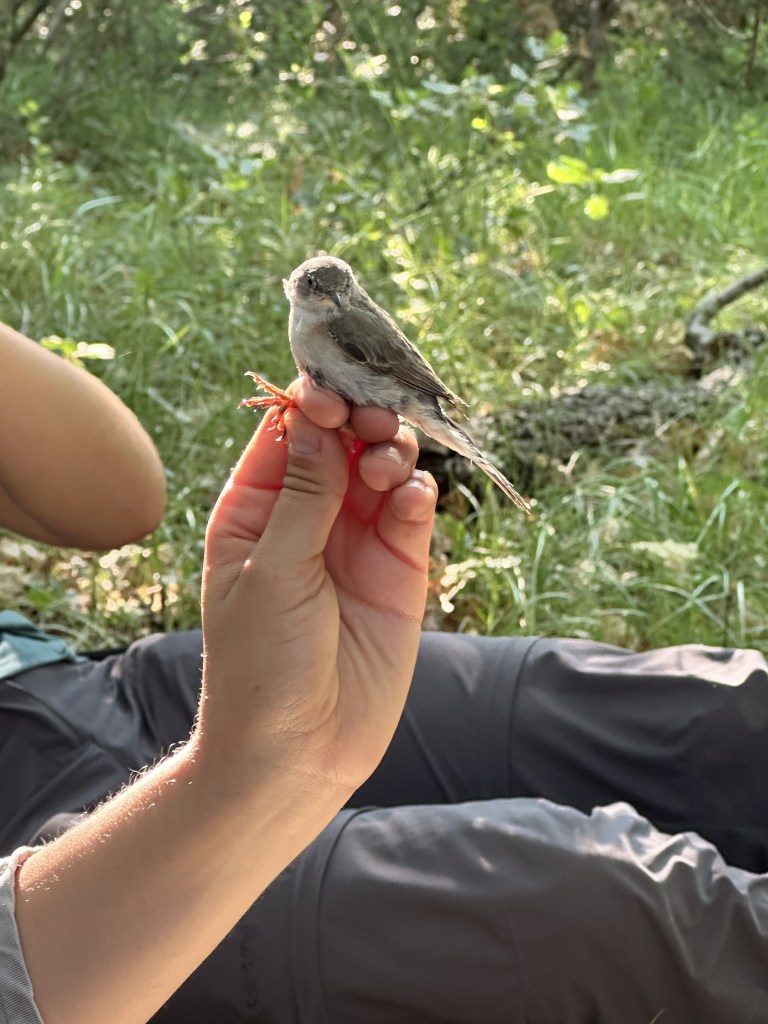
Birds caught in the nets were removed by experienced members of the team and placed individually into soft bird bags. During processing, I assisted with recording:
- Species
- Wing length
- Age
- Sex, where this could be determined
- Fat score
- Muscle condition
- Ring number, where applicable
Once all measurements had been completed, each bird was released safely. The session gave me further experience of the care, accuracy and efficiency required when handling wild birds.
Species Recorded
Species recorded during the bird mist-netting surveys included:
- Cirl Bunting (Emberiza cirlus)
- Common Blackbird (Turdus merula)
- Eurasian Blackcap (Sylvia atricapilla)
Herpetofauna Lecture
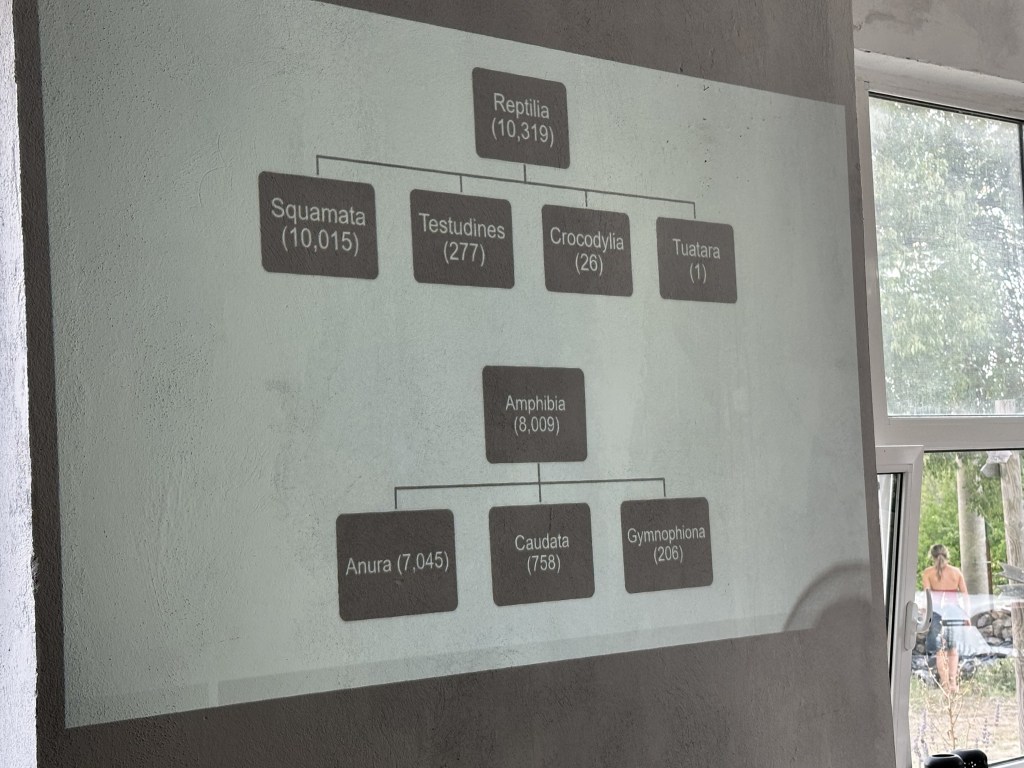
During the early afternoon, we attended a lecture introducing the reptiles and amphibians found within the region. The session supported our practical fieldwork by covering identification, ecology and the survey methods used to monitor different species.
It was particularly useful preparation for the evening, when we had the opportunity to observe the safe processing of an Eastern Montpellier Snake.
Habitat Survey
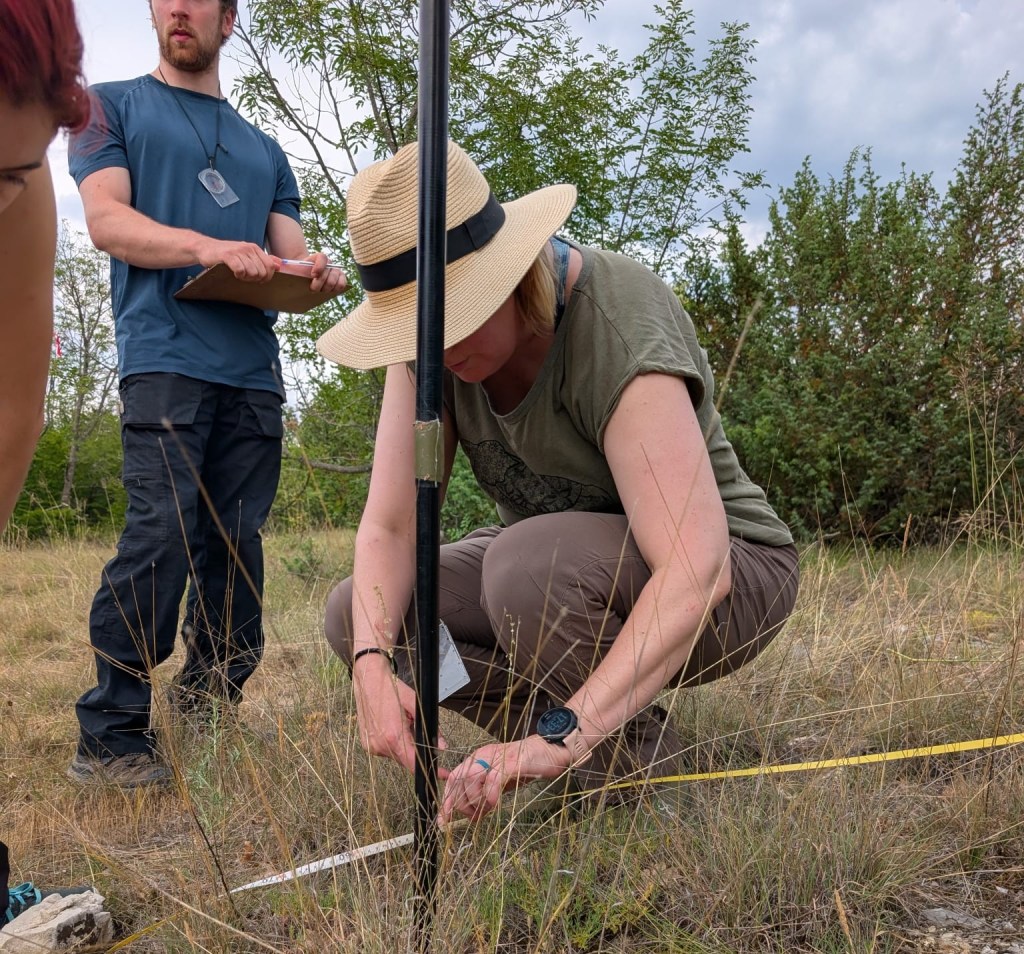
Before travelling to Croatia, I had completed UKHab training and participated in habitat surveys in the UK. However, the method used on Transects 2 and 3 was quite different. It concentrated on detailed measurements of vegetation structure and environmental condition, including evidence of fire damage to trees.
We spent approximately four hours working in small teams and systematically recording measurements across the survey area.
Method
A 20-metre baseline was measured, with data collected at 5-metre intervals. At each survey point, we:
- Identified and measured the tallest trees
- Counted the number of saplings
- Assessed canopy cover using a disc marked with dots
- Measured the slope using a clinometer
- Used a touch pole to record the plant species making contact with it
- Measured the tallest grass
- Recorded evidence of fire damage on trees
The same procedure was followed at each point so that the results could be compared consistently between survey areas.
The survey showed me how habitat-assessment methods are adapted to suit the landscape and the purpose of the research. Unlike my previous UKHab experience, this approach focused more heavily on vegetation structure, measurable habitat features and the effects of fire.
Eastern Montpellier Snake Processing
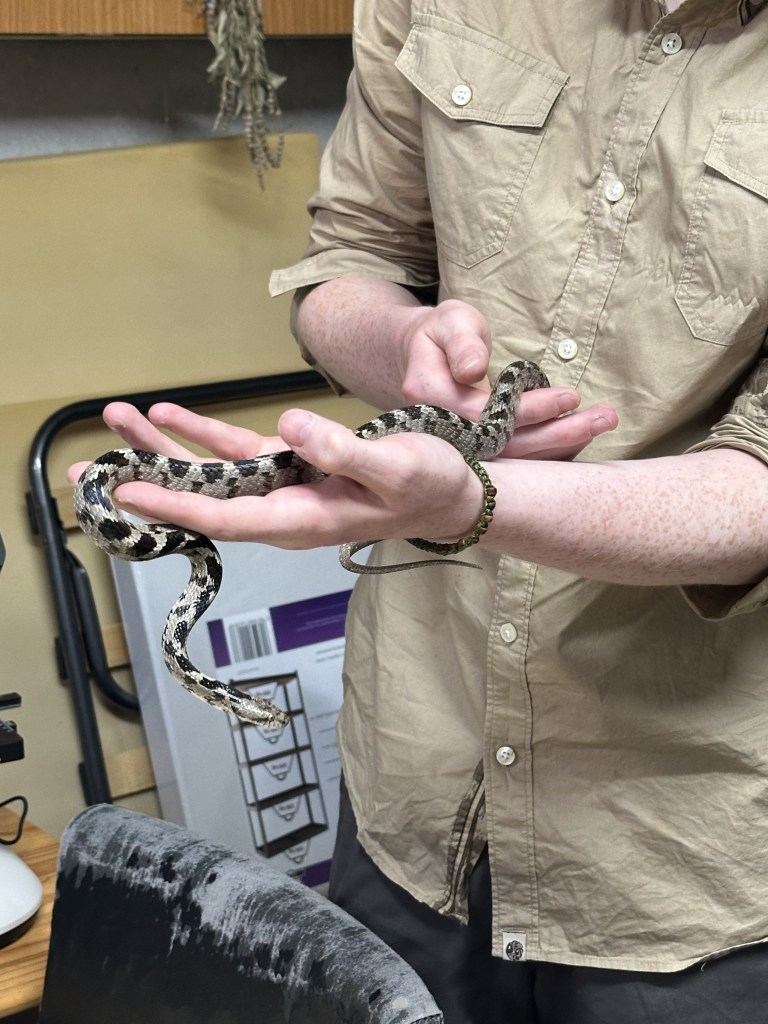
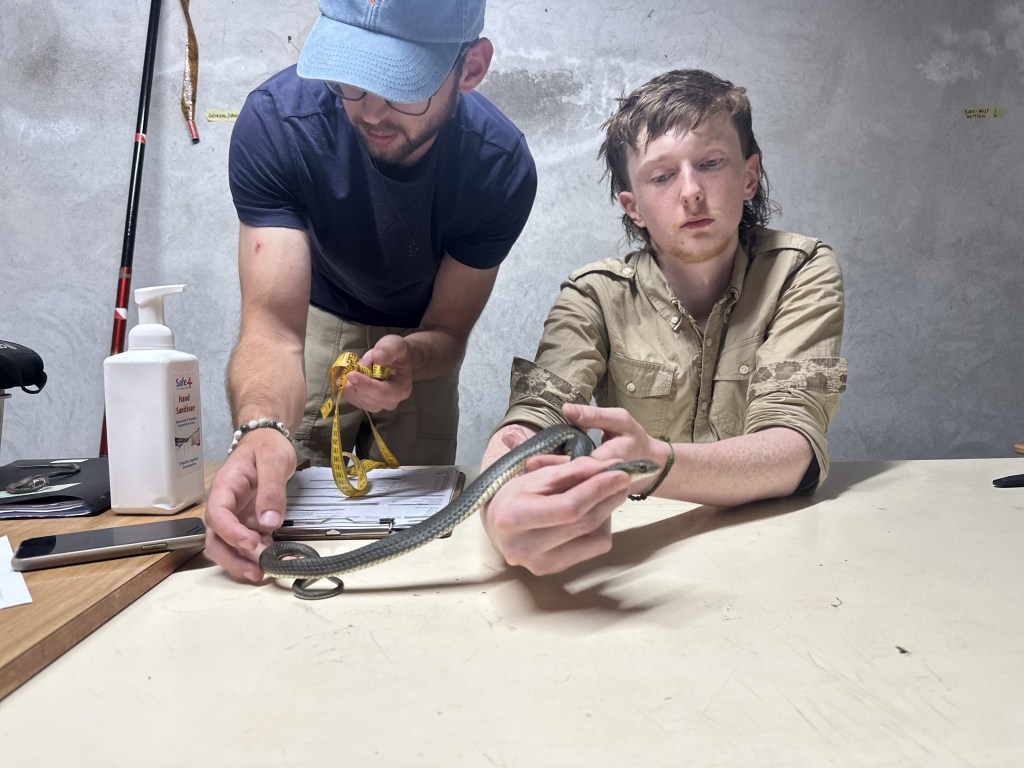
At approximately 7:00 pm, we observed the processing of an Eastern Montpellier Snake. This provided a valuable opportunity to see the species at close range and to learn how reptiles are handled safely during ecological research.
The experience reinforced the importance of calm, controlled handling and careful data collection. It also helped connect the information from the afternoon’s herpetofauna lecture with a real animal encountered during the expedition.
Sherman Trapping
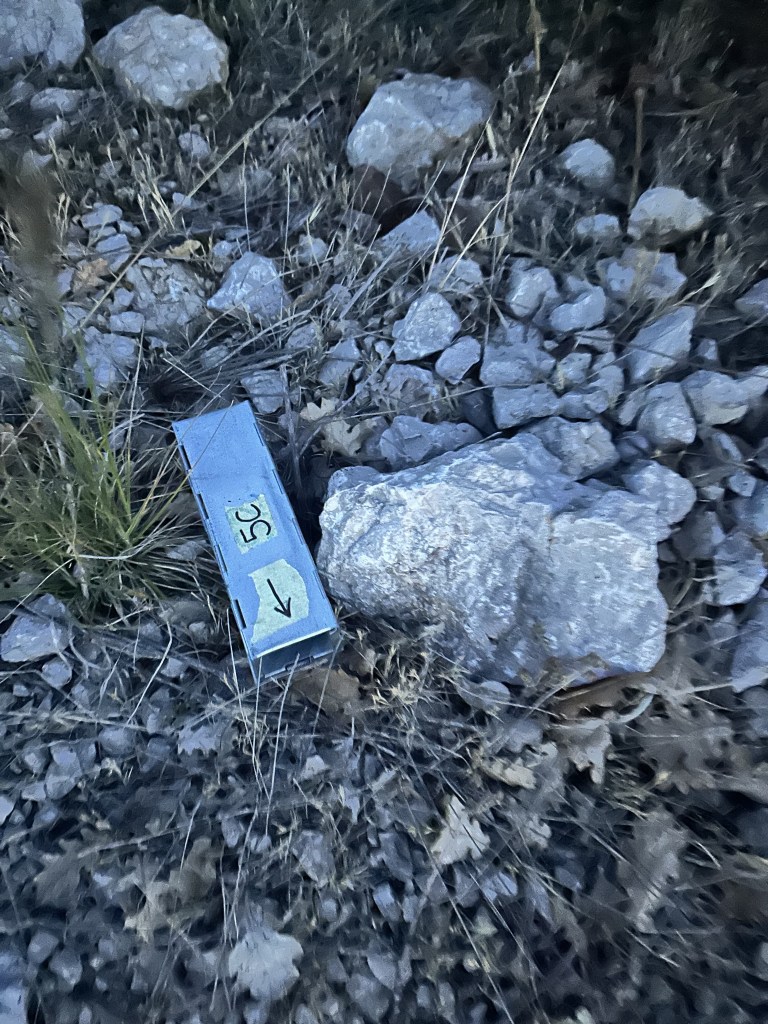
The final activity began at around 8:00 pm and involved Sherman traps used to survey small mammals such as shrews and mice. These humane live-capture traps allow researchers to investigate the small-mammal community while minimising disturbance to the animals.
The activity introduced me to another form of mammal monitoring and demonstrated how small, largely nocturnal species can be surveyed even when direct observation is difficult.
Skills Developed
- Bird mist-netting procedures
- Recording bird biometric measurements
- Bird identification
- Vegetation sampling
- Tree and sapling recording
- Measuring canopy cover
- Using a clinometer
- Recognising evidence of fire damage
- Measuring vegetation height
- Reptile-processing awareness
- Small-mammal survey techniques
- Accurate ecological data recording
- Working effectively within a field team
Reflection
This was one of the most varied days of the expedition. Beginning before sunrise and continuing into the evening required concentration, stamina and adaptability, particularly in the heat.
I enjoyed seeing how several different survey techniques could be applied within the same landscape. The bird survey focused on individual animals and biometric information, while the habitat survey examined the wider environmental structure supporting wildlife. The reptile processing and Sherman trapping then introduced further approaches to studying species that can otherwise be difficult to observe.
The day strengthened my confidence in collecting ecological data and showed me that effective field research depends on selecting methods that are appropriate for both the habitat and the species being investigated.
Photographs
 Badger Ecology