
Location: Krka National Park, Croatia
Activity: Informal invertebrate observation
Habitat: Camp vegetation, lavender and surrounding trees
Field Notes
The 25th of June gave me an opportunity to rest at camp after several physically demanding days of fieldwork. However, even during a quieter day, there was still plenty of wildlife to discover.
I spent time investigating the invertebrates living among the vegetation around camp. Without a formal survey schedule to follow, I could slow down and observe their behaviour more closely.
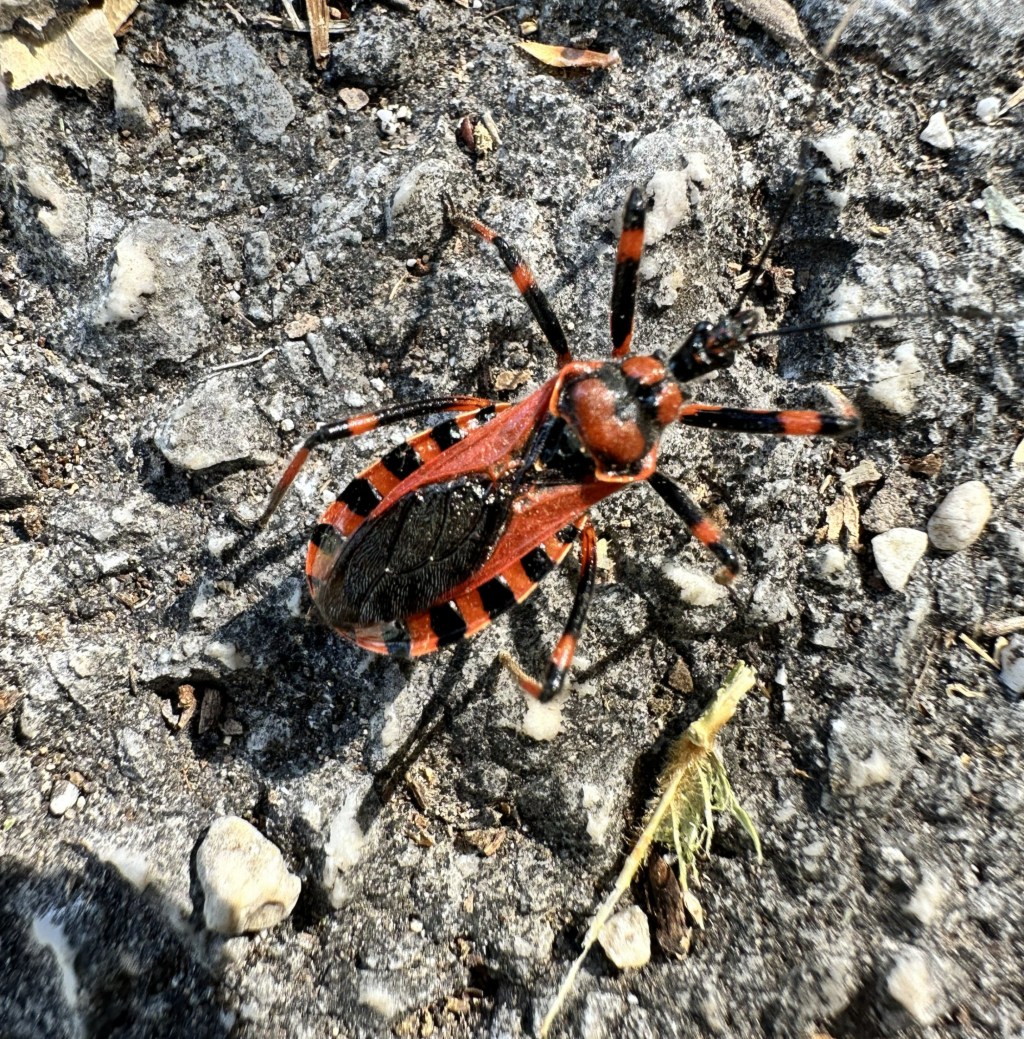
Assassin Bug
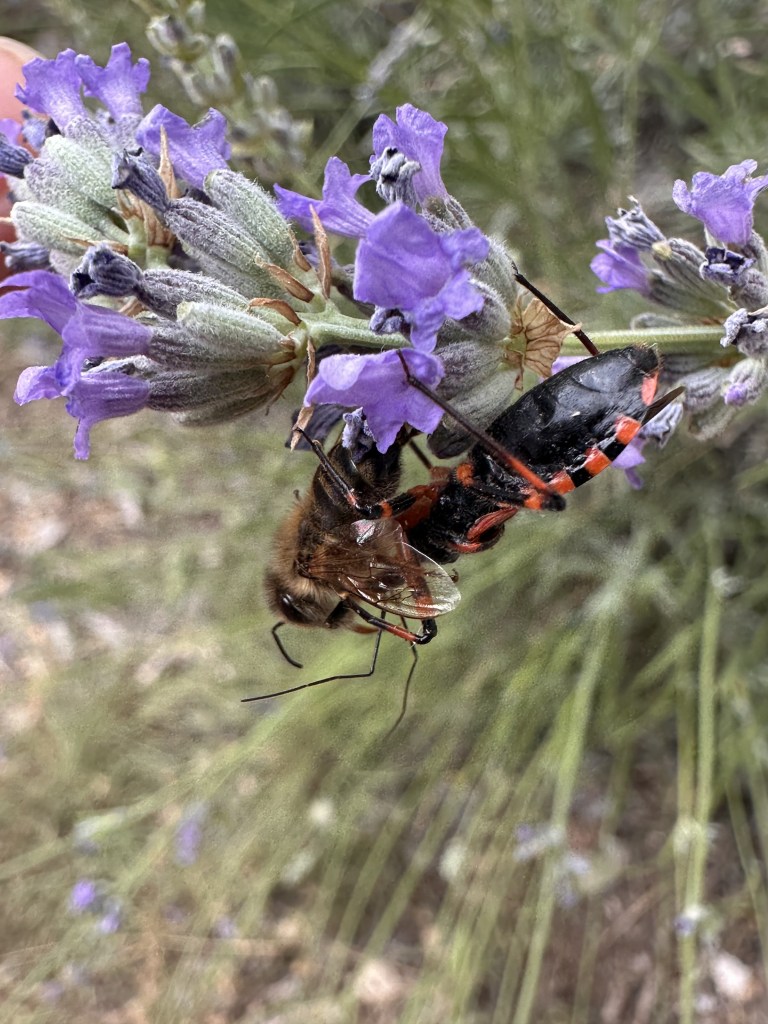
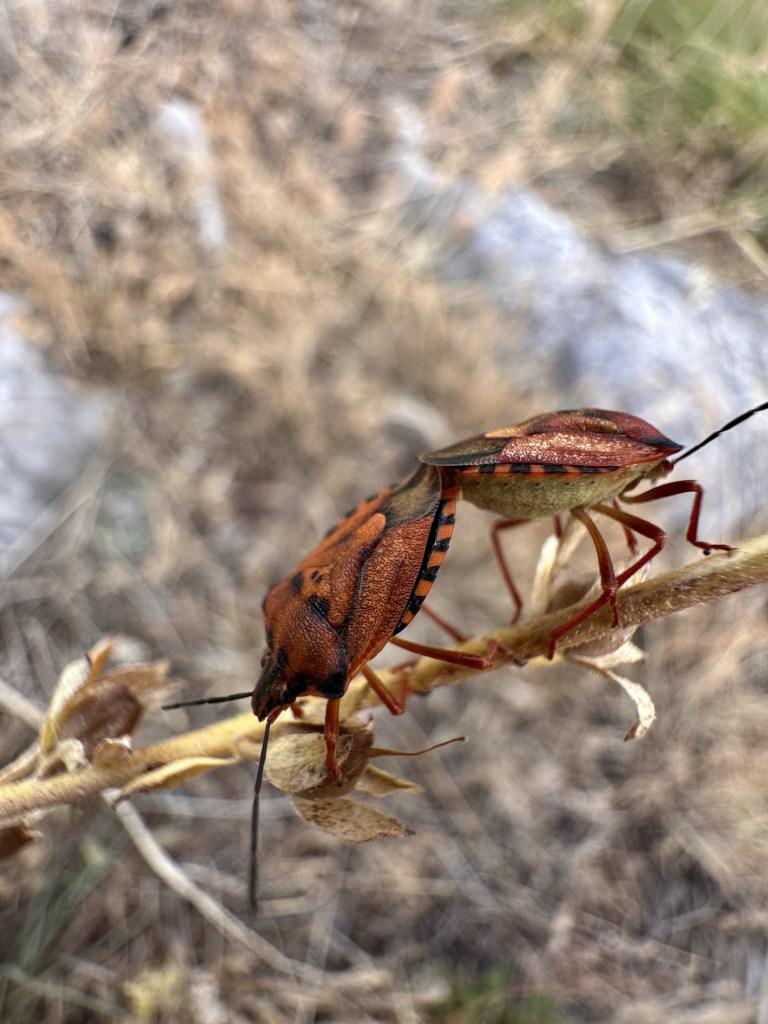
One of the most interesting discoveries was an assassin bug hunting among the lavender. I watched as it positioned itself at the tip of a flower spike and remained almost completely still, waiting for another insect to land nearby.
As soon as a potential prey insect arrived, the assassin bug attacked. It was fascinating to watch such an effective ambush predator at work. Assassin bugs use a sharp, piercing mouthpart to capture prey and feed on its internal fluids.
Observing this behaviour showed me how much can be learned by remaining in one place and watching carefully rather than simply recording a species and moving on.
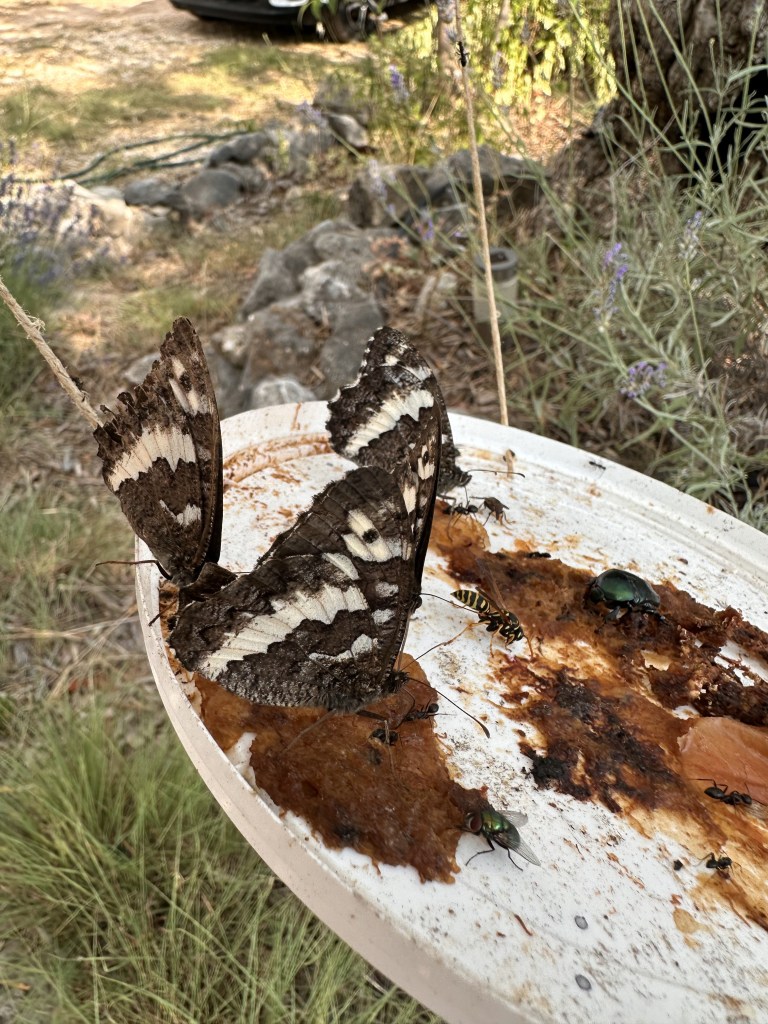
Grayling Butterfly and Rose Chafer
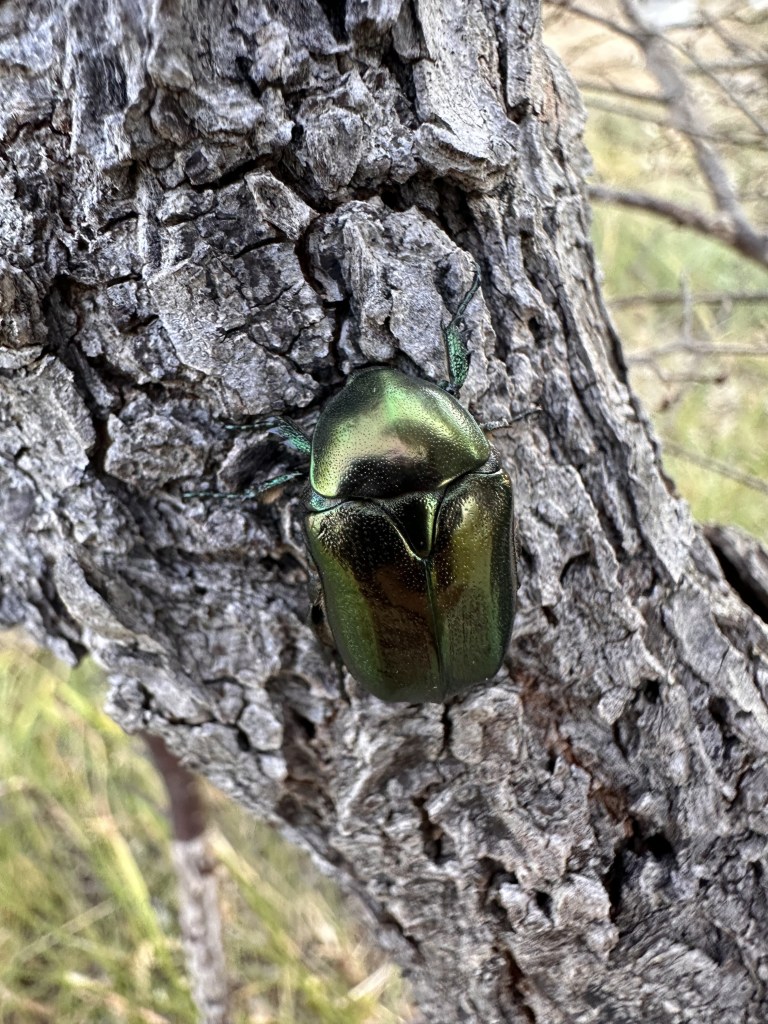
I also noticed an unusual interaction between a Grayling butterfly and a Rose Chafer. The Rose Chafer appeared to be feeding on sap from a tree when the Grayling began repeatedly approaching and disturbing it.
The butterfly seemed unusually persistent, and the interaction continued long enough for me to watch the different responses of both insects. Although I could not be certain what was driving the behaviour, they may have been competing for access to the same sap.
This was particularly interesting because it demonstrated that interactions between invertebrates are not limited to predation. Competition for food and other resources can also shape their behaviour.
What I Learned
This informal observation session reminded me that valuable ecological learning does not always require specialist equipment or a structured survey. By taking the time to watch individual animals, I was able to observe hunting behaviour and possible competition between species.
It also encouraged me to look beyond species identification and pay closer attention to what an animal is doing, where it is positioned and how it responds to other organisms.
Skills Developed
- Invertebrate observation
- Recognition of predatory behaviour
- Observing interactions between species
- Identifying possible competition for resources
- Patient and focused field observation
- Recording behavioural field notes
- Invertebrate identification
Reflection
Although this was intended to be a rest day, it became one of those unexpected opportunities to observe wildlife at a much slower pace. Watching the assassin bug wait patiently before striking was especially memorable and gave me a new appreciation for these small but highly effective predators.
The interaction between the Grayling and Rose Chafer was equally intriguing. It reminded me that even a single tree or patch of lavender can support complex behaviours and interactions if I take the time to stop and look carefully.
Photographs
 Badger Ecology