
Date: 7 July 2026
Location: Tice’s Meadow Nature Reserve
Duration: 2 Hours
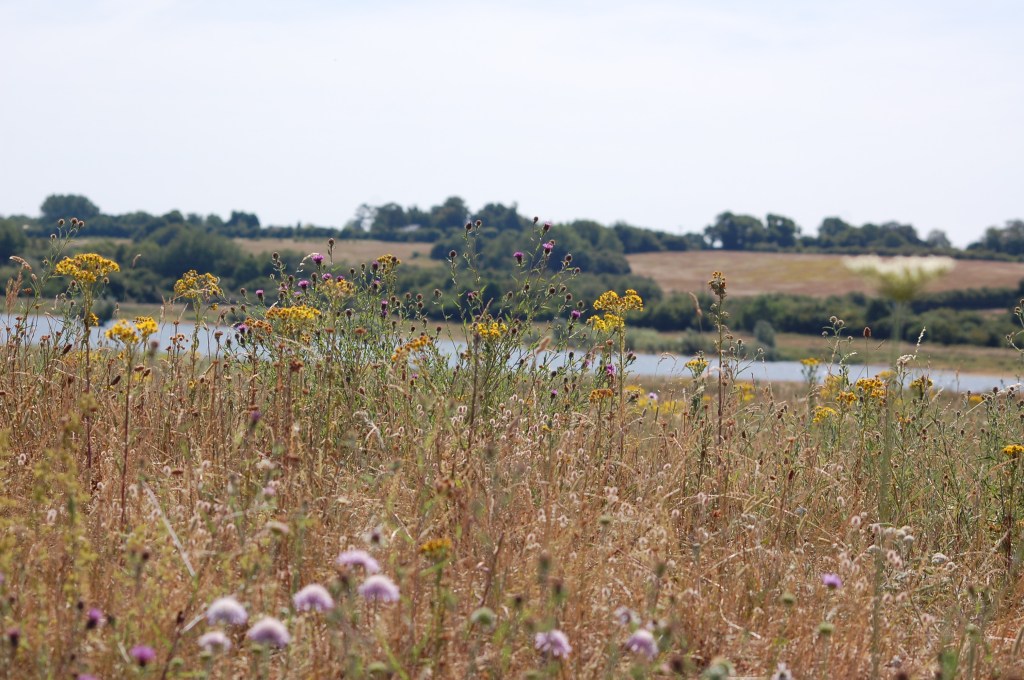
Habitat: Heathland and grassland
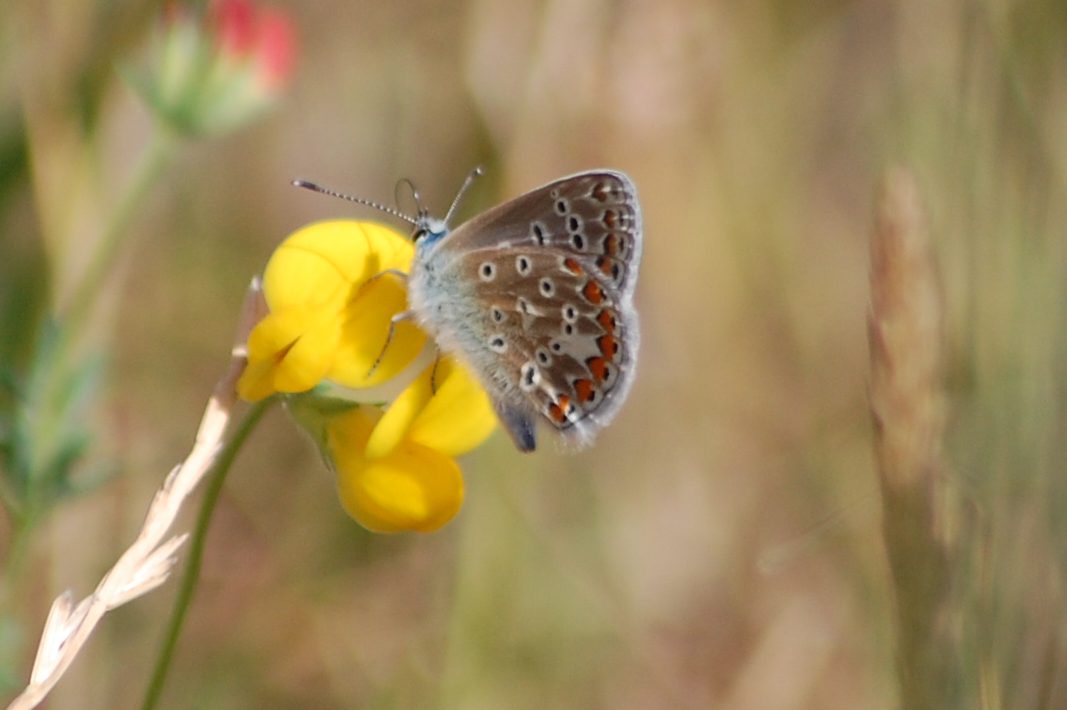
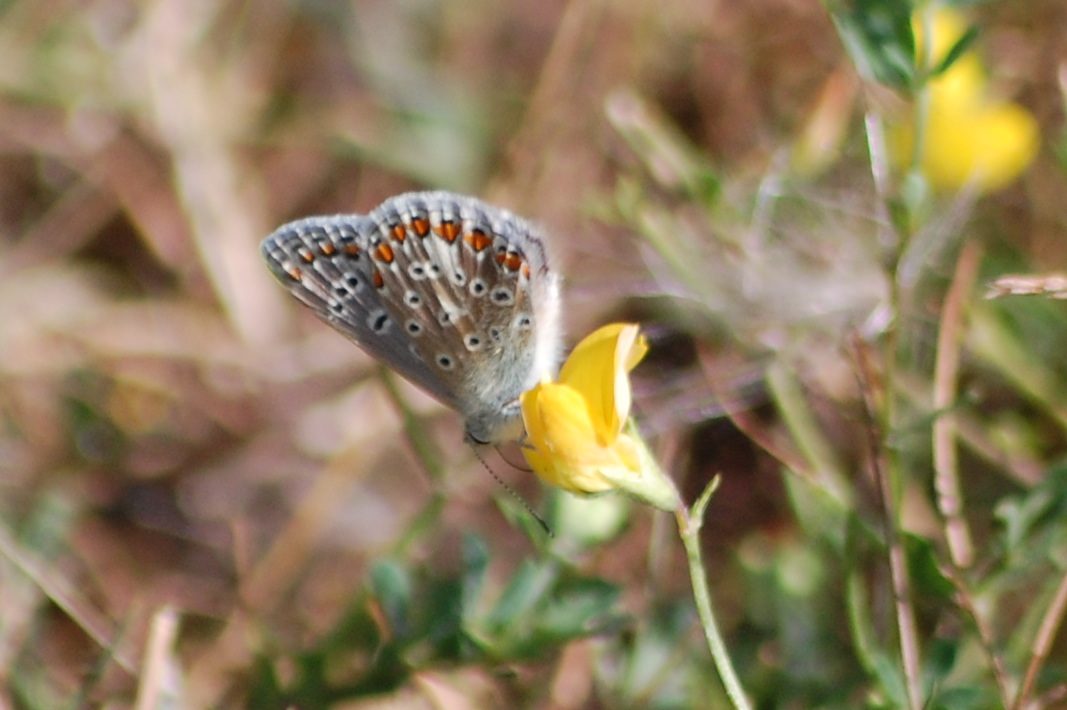
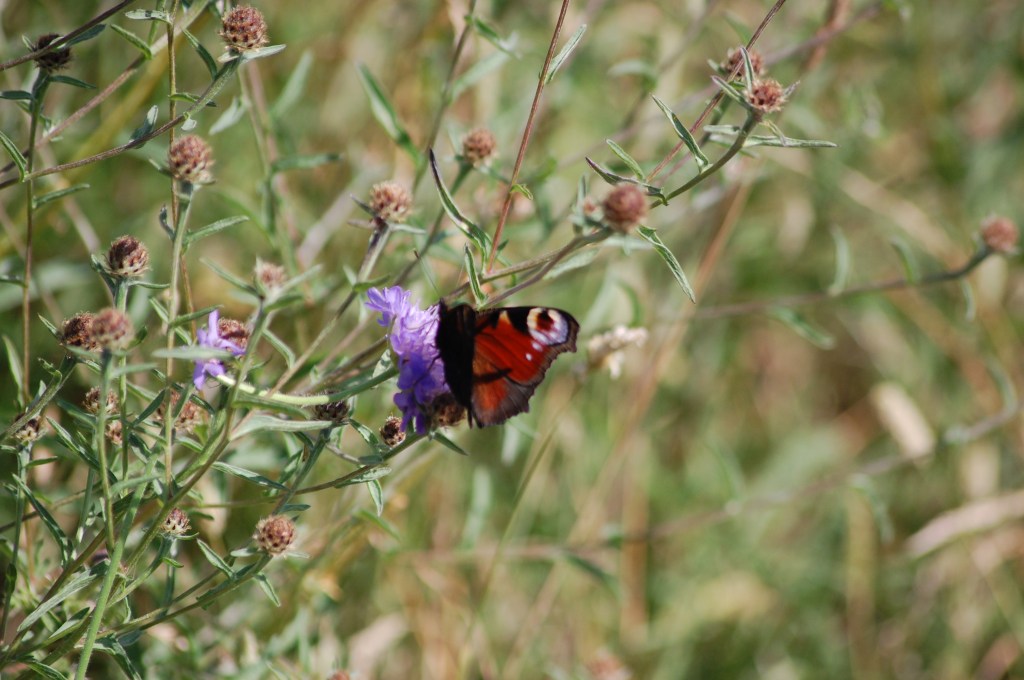
Species encountered: Silver-studded Blue (Plebejus argus), Common Blue (Polyommatus icarus), Brown Argus (Aricia agestis), Peacock (Aglais io)
Field Notes
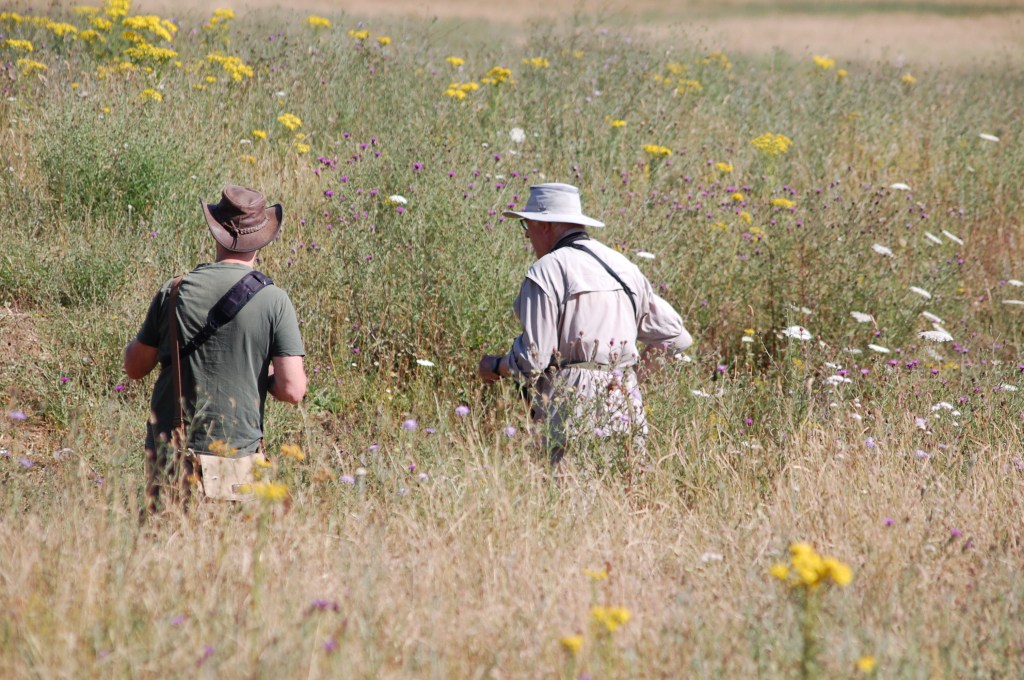
Today I assisted with a targeted survey for Silver-studded Blue (Plebejus argus) at Tice’s Meadow. This is a nationally scarce butterfly with quite specific habitat requirements, making focused monitoring particularly important for understanding its presence and distribution.
The Silver-studded Blue is especially interesting because of its close relationship with ants. The caterpillars produce a sugary secretion that attracts ants, which in turn provide them with protection. This association means that suitable habitat needs to support not only the butterfly’s larval foodplants but also the appropriate conditions for its ant partners.
We searched suitable areas slowly and systematically, looking for adult butterflies and examining the habitat features associated with the species. These include a varied structure of short vegetation, areas of warm exposed ground and suitable larval foodplants, together with active ant colonies. This combination of requirements helps explain why Silver-studded Blues can be very localised even where apparently suitable habitat is present.
The species is particularly significant locally because Tice’s Meadow and the surrounding heathland landscape form part of an important network of habitats for the Silver-studded Blue. Populations of this butterfly are often restricted to relatively small areas of suitable heathland, so maintaining and connecting these habitat patches is important for their long-term conservation.
Sightings during the survey were limited, but the session provided useful experience of how a targeted single-species survey differs from a broader butterfly transect. Rather than simply recording all butterflies encountered along a fixed route, the survey involved concentrating effort within suitable habitat and considering the ecological requirements of the target species.
The survey developed my understanding of how closely the distribution of a specialist species can be linked to habitat condition and management. It was a useful example of why ecological surveying involves not only identifying the target species, but also understanding the habitat features and ecological relationships that allow it to persist
Photographs
 Badger Ecology