
Date: 10 July 2026
Location: Tice’s Meadow Nature Reserve
Duration: 4.5 Hours
Habitat: Reedbed, wetland and stream margins
Species encountered: Blue Tit (Cyanistes caeruleus), Great Tit (Parus major), Reed Warbler (Acrocephalus scirpaceus), Sedge Warbler (Acrocephalus schoenobaenus), Cetti’s Warbler (Cettia cetti), Chiffchaff (Phylloscopus collybita), Blackcap (Sylvia atricapilla), Robin (Erithacus rubecula)
Field Notes
Today I joined a bird ringing session at Tice’s Meadow, arriving on site well before sunrise to assist with setting up the mist nets. Nets were positioned within the reedbeds and along the stream margins so that they were ready for the start of bird activity around dawn.
During the four-and-a-half-hour session, I gained further practical experience of the safe extraction of birds from mist nets under supervision. This involved working carefully through the extraction process, freeing the legs, wings and head while maintaining a strong focus on minimising handling time and ensuring bird welfare throughout.
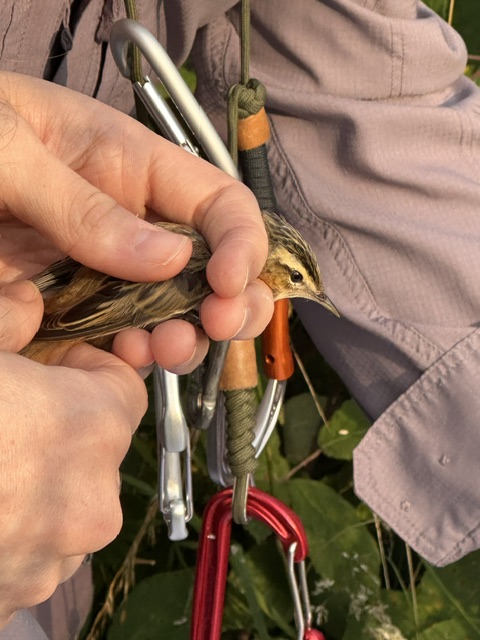
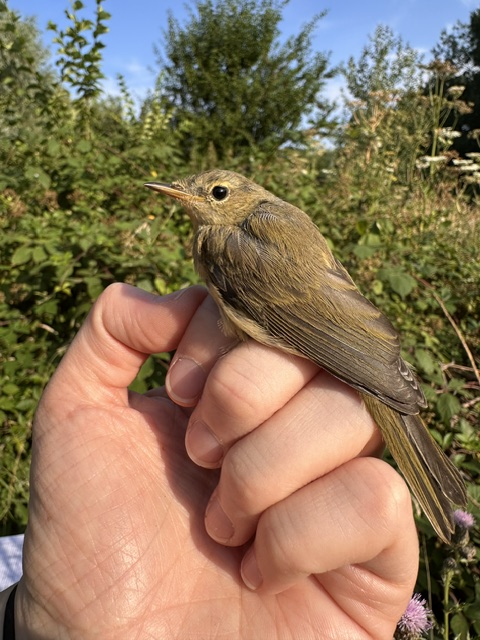
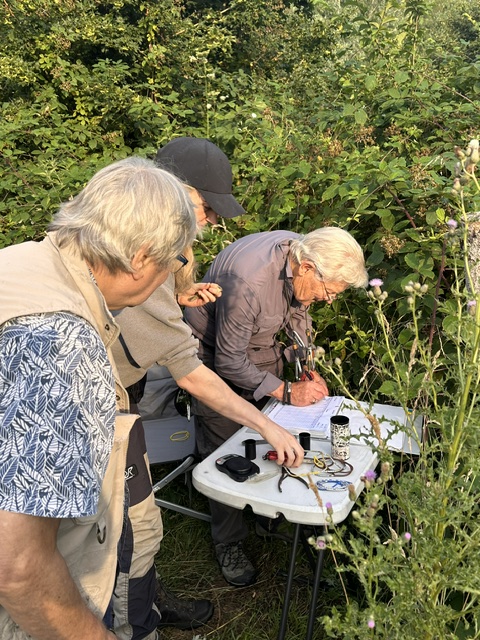
I also observed and assisted with the processing of captured birds. For each individual, standard biometric and identification information was recorded, including wing length, body mass, age, sex and ring number. Seeing the complete process from capture and extraction through to recording and release helped reinforce the importance of consistent methodology and accurate data collection within bird monitoring.
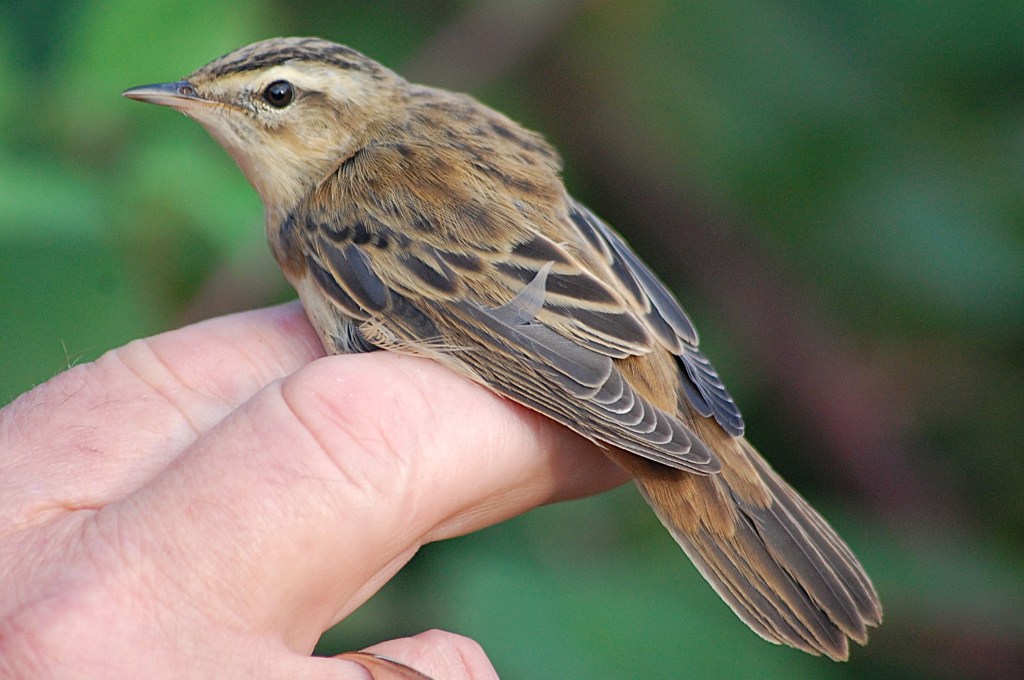
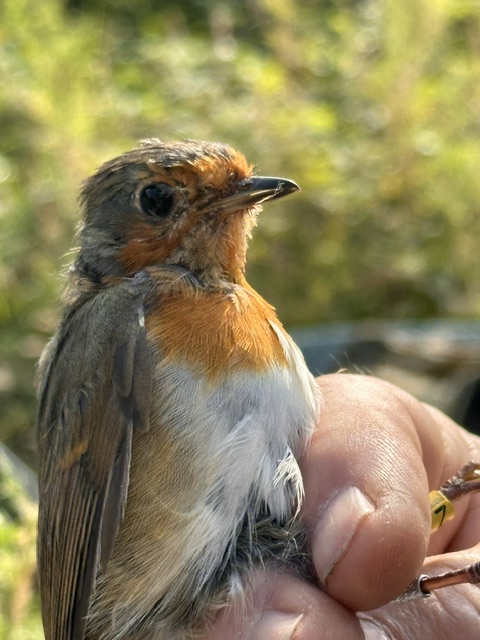
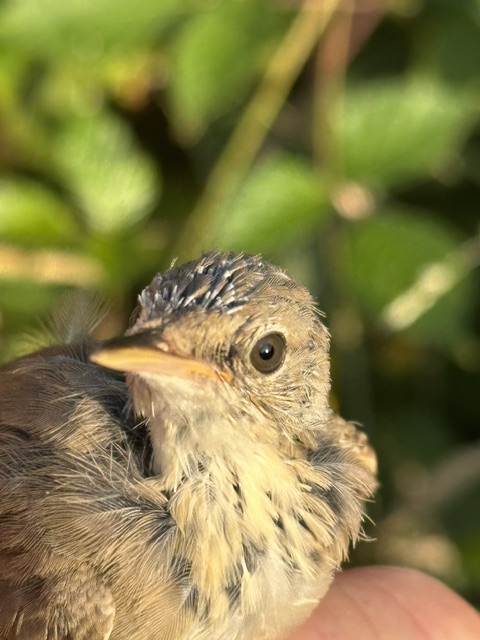
Species handled during the session included Blue Tit, Great Tit, Reed Warbler, Sedge Warbler, Cetti’s Warbler, Chiffchaff, Blackcap and Robin. Working with several species at close range also provided a valuable opportunity to examine identification features that can be much more difficult to observe in the field.
Having previously participated in bird ringing during my fieldwork in Croatia, it was useful to compare the approaches used at the two sites. While there were some differences in technique and field practice, the underlying principles remained consistent, particularly the emphasis on bird welfare, careful handling and the collection of reliable monitoring data.
Photographs
 Badger Ecology