
Date: 31 July 2026
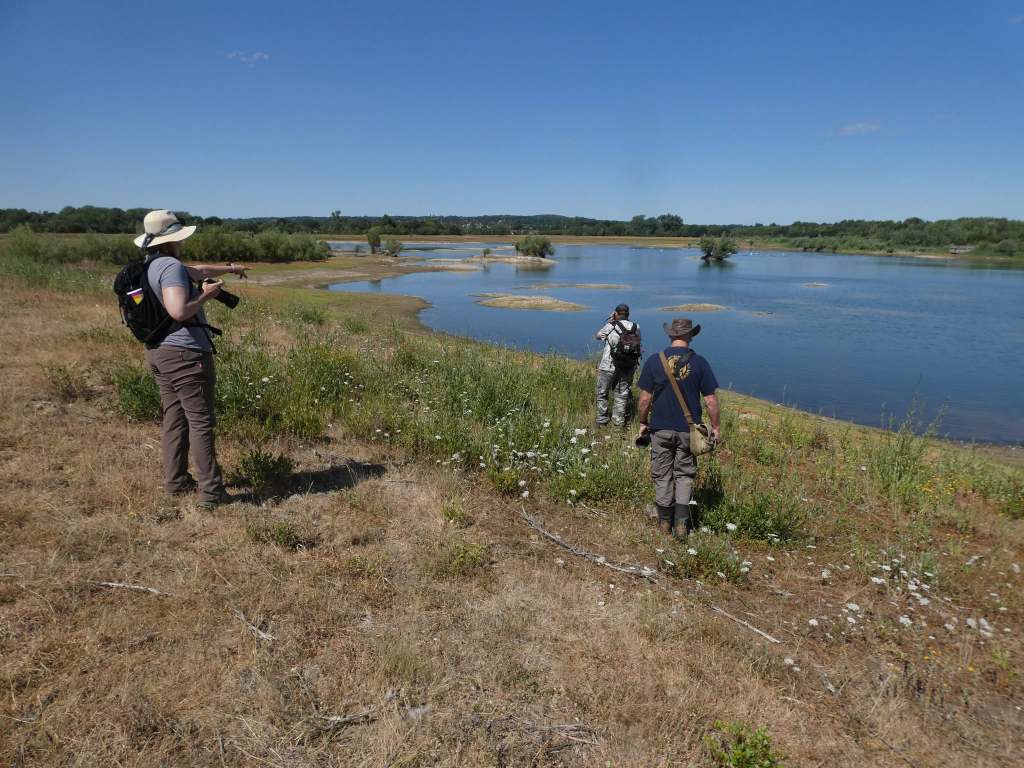
Location: Tice’s Meadow
Duration: 2 hours
Habitat: Meadow, grassland and wetland margins
Activity: Butterfly, bee and moth monitoring
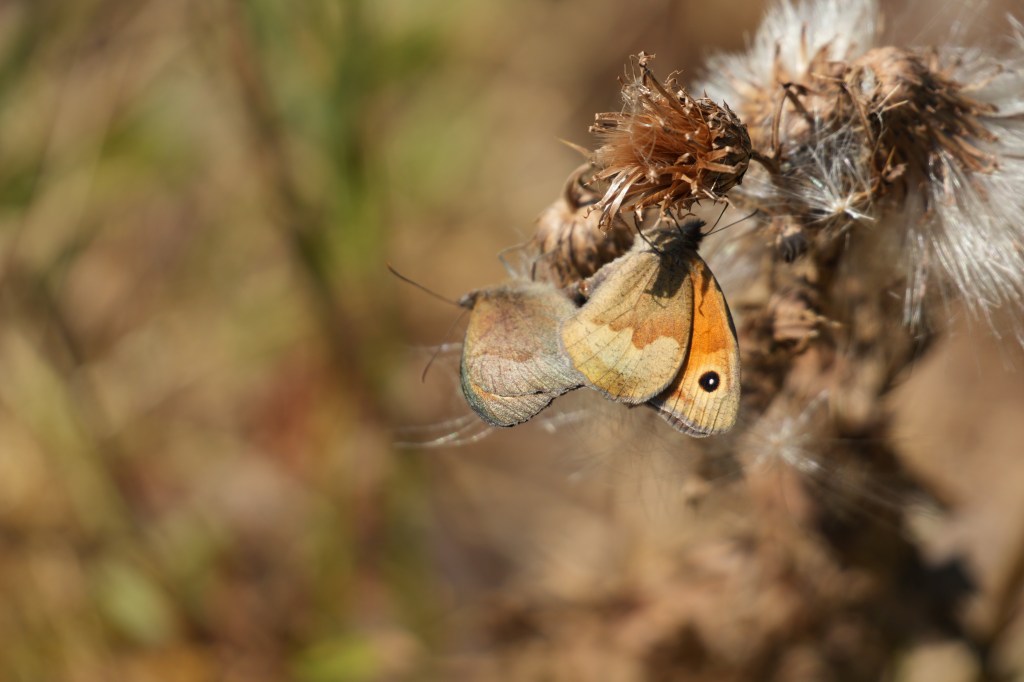
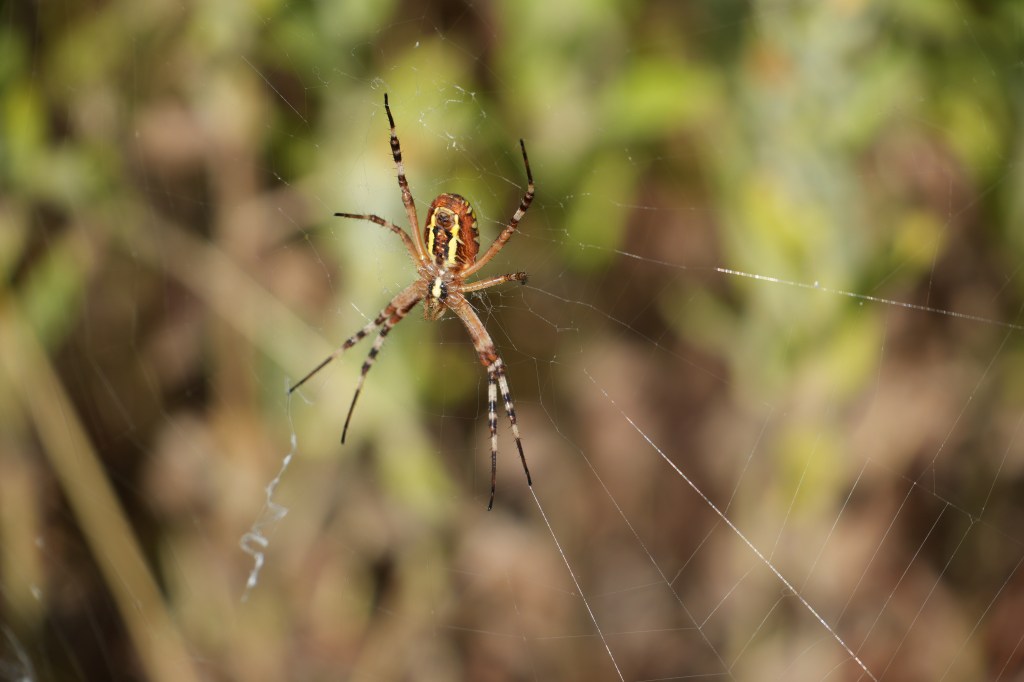
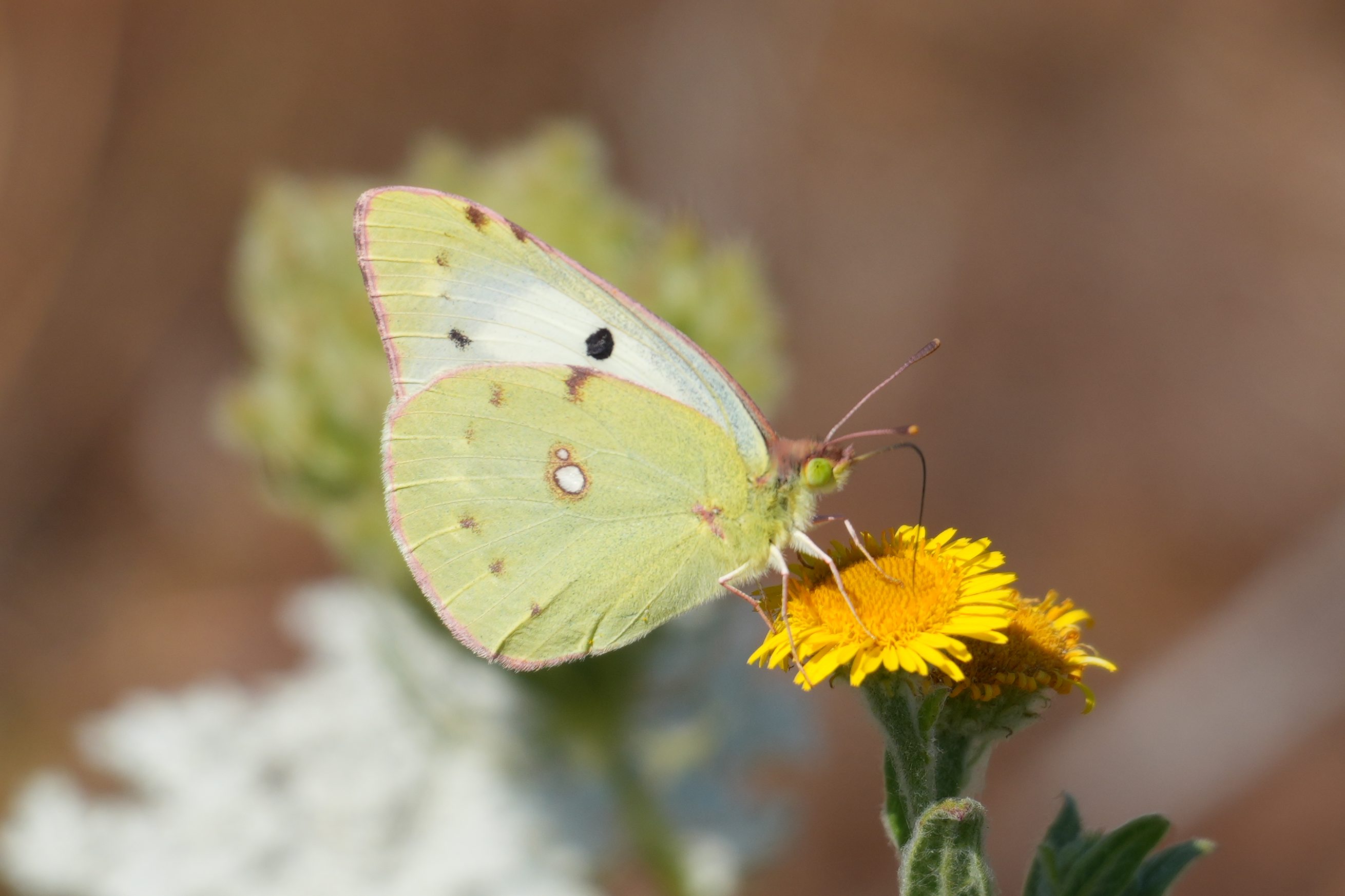
Key species: Clouded Yellow (Colias croceus), Clouded Yellow helice form, Gatekeeper (Pyronia tithonus), Meadow Brown (Maniola jurtina), Common Blue (Polyommatus icarus) and Red-veined Darter (Sympetrum fonscolombii), Wasp Spider (Argiope bruennichi) and Silver Y moth (Autographa gamma).
Field Notes
I spent around two hours walking the butterfly transect at Tice’s Meadow with Paul, who was carrying out a combined count of butterflies, bees and moths as part of the site’s ongoing monitoring.
Despite the continuing dry conditions, there was still an impressive amount of insect activity across the meadow. We recorded 291 butterflies along the transect, with Gatekeepers, Meadow Browns and Common Blues making up much of the count. Clouded Yellows were particularly noticeable, with an impressive 20 individuals recorded along the route.
The highlight for me was finding a helice form Clouded Yellow, the pale white female form that I had previously only read about. Seeing one for the first time in the field was a real thrill and gave me the opportunity to see just how different it looks from the more familiar yellow form.
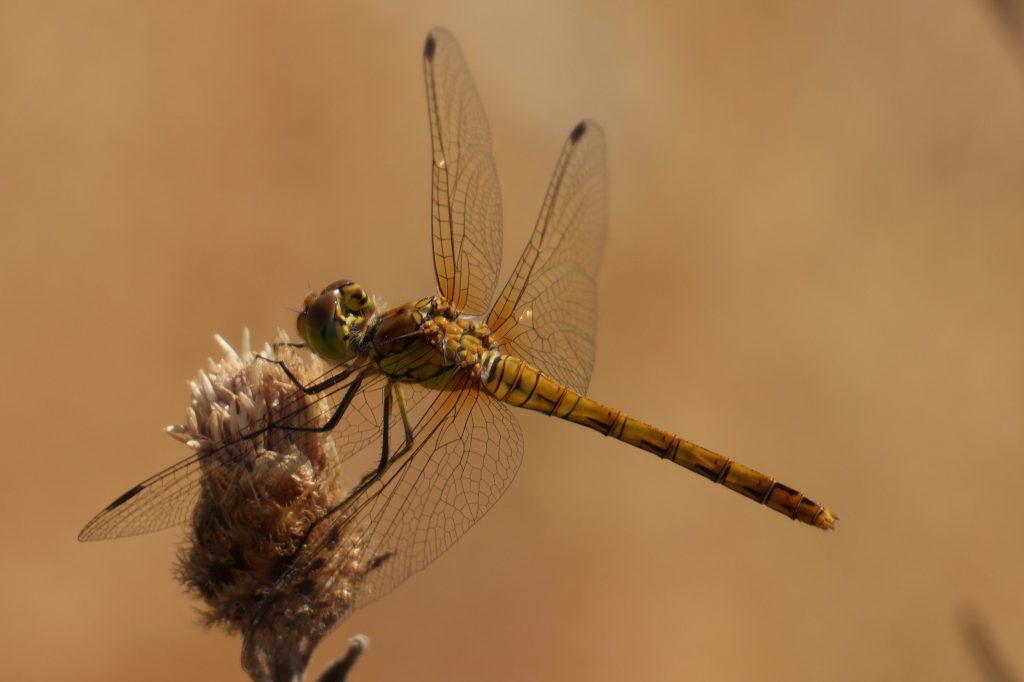
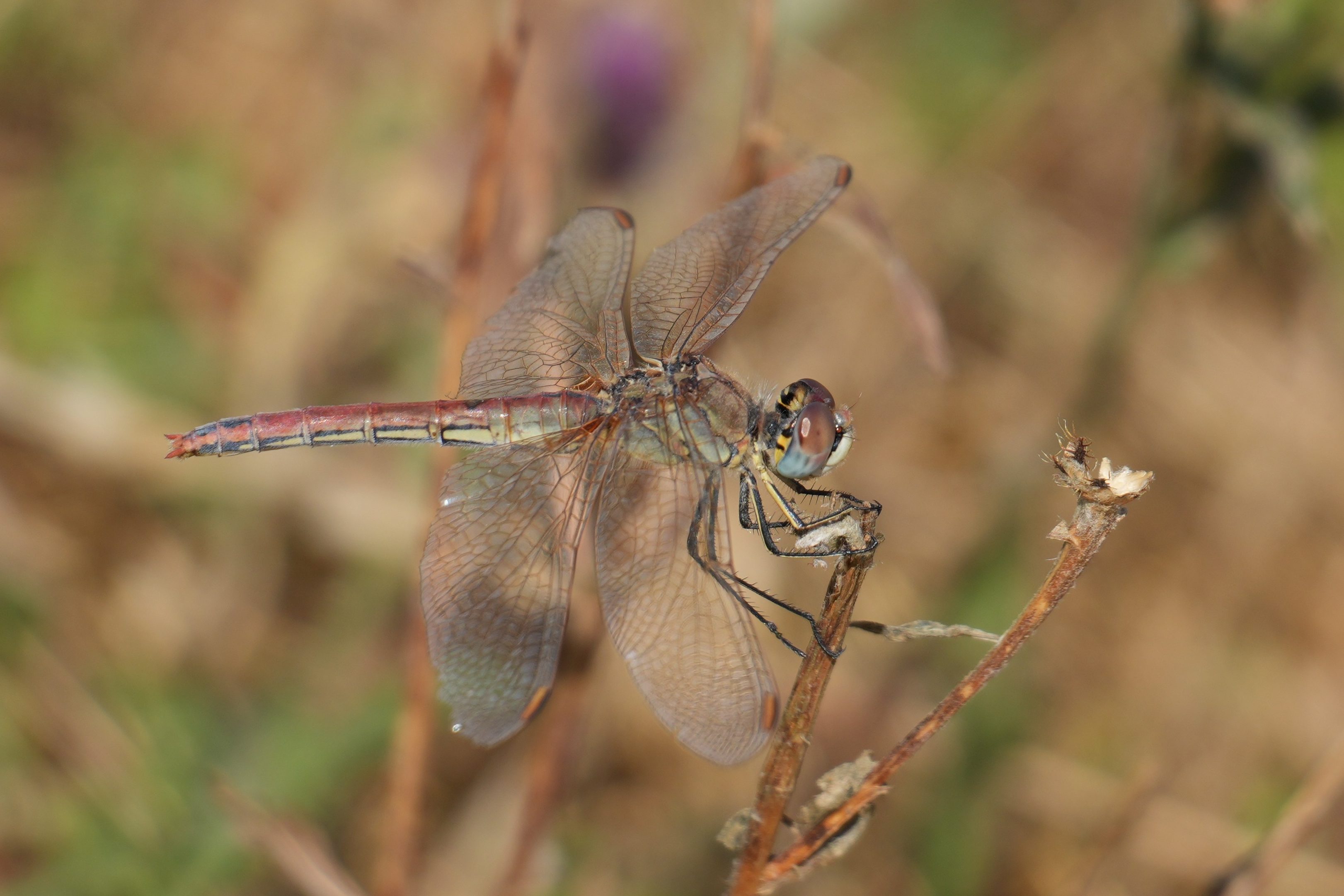
I also recorded a Red-veined Darter, another first for me at Tice’s Meadow. It was a striking dragonfly to watch and another good example of the unexpected species that can appear when you spend enough time looking carefully around a familiar site.
I took plenty of photographs with the Sony during the survey. I am still learning and there is plenty of room for improvement, particularly with fast-moving insects, but each session is helping me become more confident with the camera while also sharpening my eye for identification.
With nearly 300 butterfly records, an unusually high number of Clouded Yellows and two particularly memorable sightings, it was a very productive couple of hours. Regular monitoring at the same site is also allowing me to see how insect activity changes through the season and how much can be discovered simply by returning, observing carefully and recording what is there.
Photographs
 Badger Ecology