
Date: 2 August
Location: East Horsley Village Hall
Duration: 5.5 Hour
Field Notes
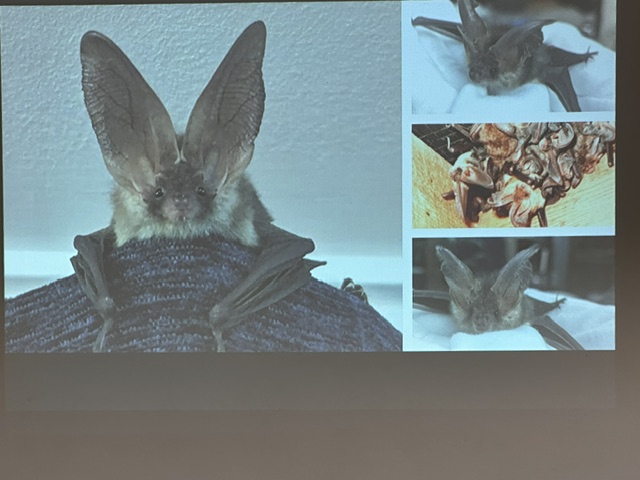
Training context. I attended a 5.5-hour introductory Bat Care Course at East Horsley Village Hall, covering the full rehabilitation pathway from first aid and safe transportation through to long-term care and pre-release flight testing. The course also outlined the structure of the volunteer sector, the principal roles within bat care, and the wider contribution of bat carers to UK conservation.
Legal and welfare framework. A central thread was the legal protection afforded to bats under UK wildlife legislation, alongside an emphasis on minimising handling-related stress for these protected mammals. Practical content covered safe handling techniques, injury assessment, hydration, feeding, thermal management, and the broader rehabilitation process.
Injury classification. A particularly instructive element was the typology of treatable versus generally untreatable injuries. Treatable injuries include holes or tears in the wing membrane, broken finger bones, radius or tail injuries, surface wounds, cat bites, burns, inflammation, and some shoulder injuries. Generally untreatable injuries comprise broken spines, exposed organs, severe crushing injuries, broken jaws, and most wrist fractures.
Recovery timelines. The course also clarified that rehabilitation periods are typically longer than anticipated, with healing rates slowing during winter. Wing holes typically heal within 1–3 months, wing tears require up to six months, and broken finger bones approximately six weeks. A notable clinical principle is that bats recovering from wing injuries should be encouraged to fly where appropriate, as stretching the scar tissue is integral to functional healing.
Pathway into practice. A structured pathway into bat care was outlined: registration with the Bat Conservation Trust and a local bat group; service as a bat ambulance driver; maintenance of rabies vaccinations where required; supervised handling experience under an experienced carer; and progression to recognition of healthy bat behaviour and appearance before assuming responsibility for pups or long-term rehabilitation cases.
Reflective note. The course has catalyzed a clear professional interest in bat care that I intend to pursue alongside ecological surveying. It built directly on prior bat survey participation and provided a substantive understanding of the post-rescue phase of bat welfare. I anticipate seeking practical placement with a local bat care group in due course.
 Badger Ecology