
Date: 3 August 2026
Location: Elstead Common
Duration: 2 hours
Habitat: Lowland heathland and ponds
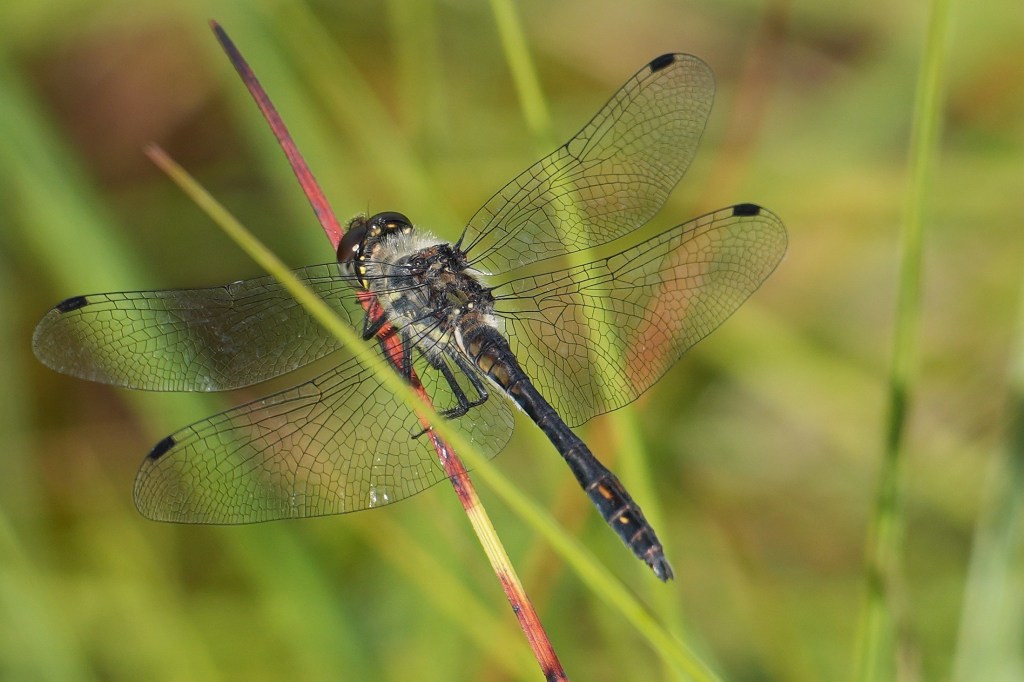
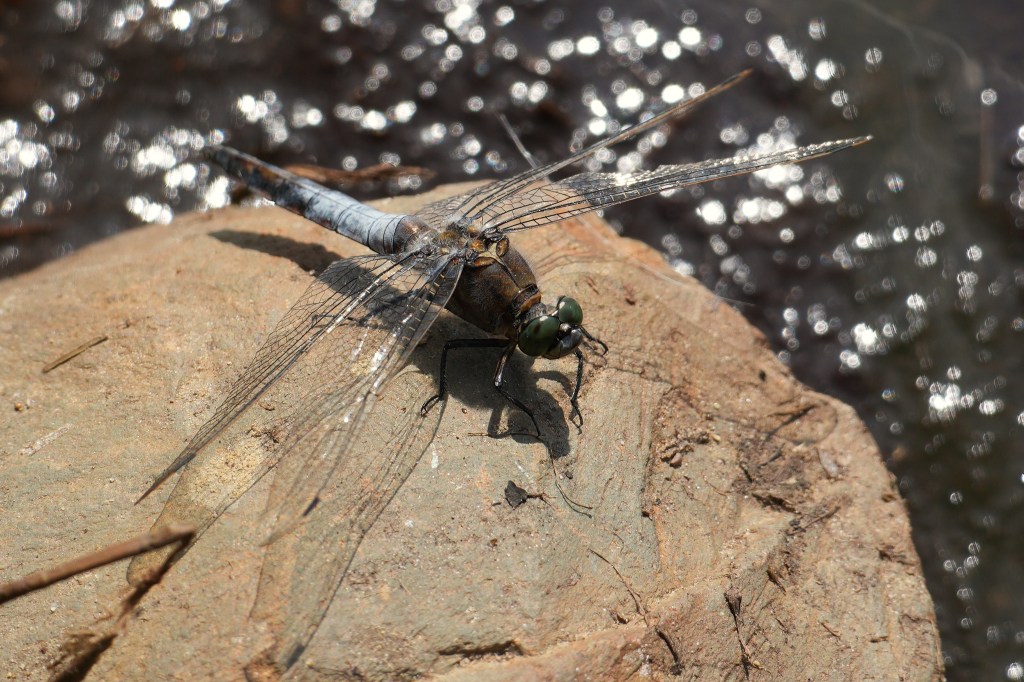
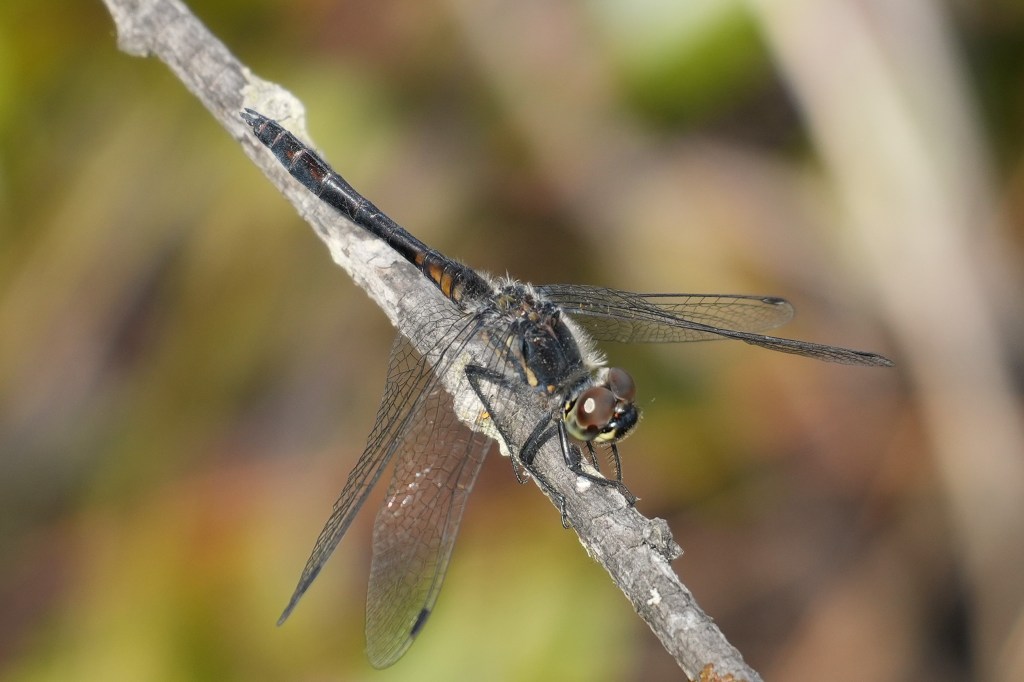
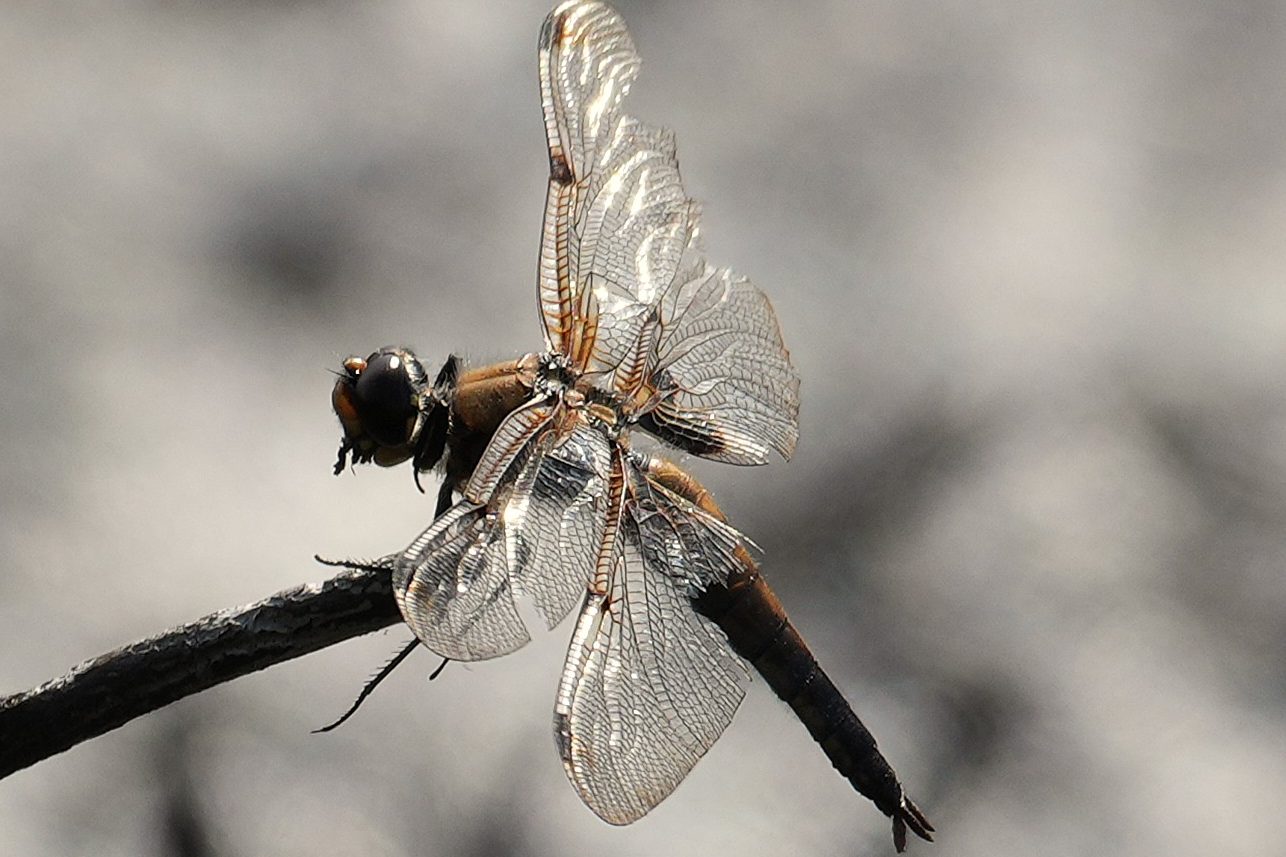
Species encountered: Emperor Dragonfly (Anax imperator), Black-tailed Skimmer (Orthetrum cancellatum), Common Darter (Sympetrum striolatum), Four-spotted Chaser (Libellula quadrimaculata), Black Darter (Sympetrum danae), European Stonechat (Saxicola rubicola), Reed Bunting (Emberiza schoeniclus), Mallard (Anas platyrhynchos) and Little Grebe (Tachybaptus ruficollis).
Field Notes
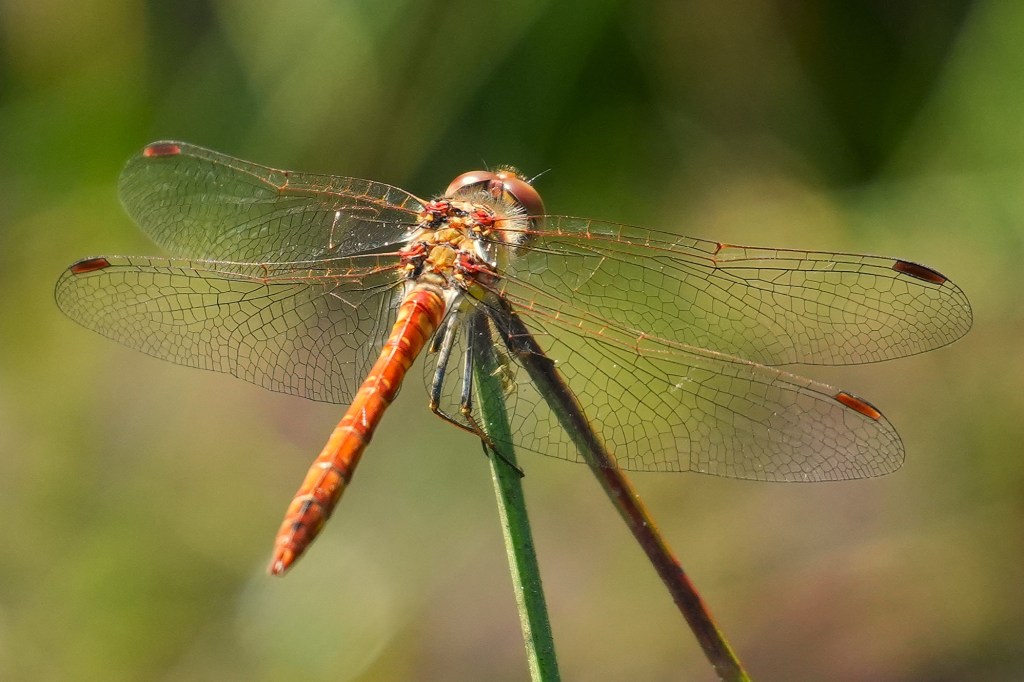
I spent two hours at Elstead Common focusing on photographing and identifying dragonflies around the heathland ponds. It was warm and there was plenty of insect activity, which gave me a good opportunity to spend time watching the dragonflies as well as trying to photograph them.
I recorded five species of dragonfly during the session: Emperor Dragonfly, Black-tailed Skimmer, Common Darter, Four-spotted Chaser and Black Darter.
Photographing dragonflies is still quite challenging, particularly when they are constantly on the move. However, spending time following them around the ponds helped me become more familiar with the differences in their behaviour. Some were much more likely to settle and return to the same perches, while others spent much longer patrolling over the water.
Photography is also becoming a useful part of my identification process. Taking several photographs from different angles gives me the opportunity to look more closely at features afterwards that can be difficult to see clearly in the field. I am gradually becoming more confident with my Sony a6700 and learning which autofocus and camera settings work best for fast-moving wildlife.
Although dragonflies were my main focus, I also recorded several birds around the ponds and surrounding heathland, including European Stonechat, Reed Bunting, Mallard and Little Grebe.
This was a useful session for combining photography with species identification. Dragonflies remain one of the more difficult subjects I photograph, particularly in flight, but I can see an improvement compared with earlier in the season. More importantly, spending longer watching them is helping me recognise not only their physical features, but also the different flight patterns, perching behaviour and use of the pond habitat that can help with identification in the field.
Photographs
 Badger Ecology