
Location: Tice’s Meadow Nature Reserve
Activity: Week 22 butterfly transect
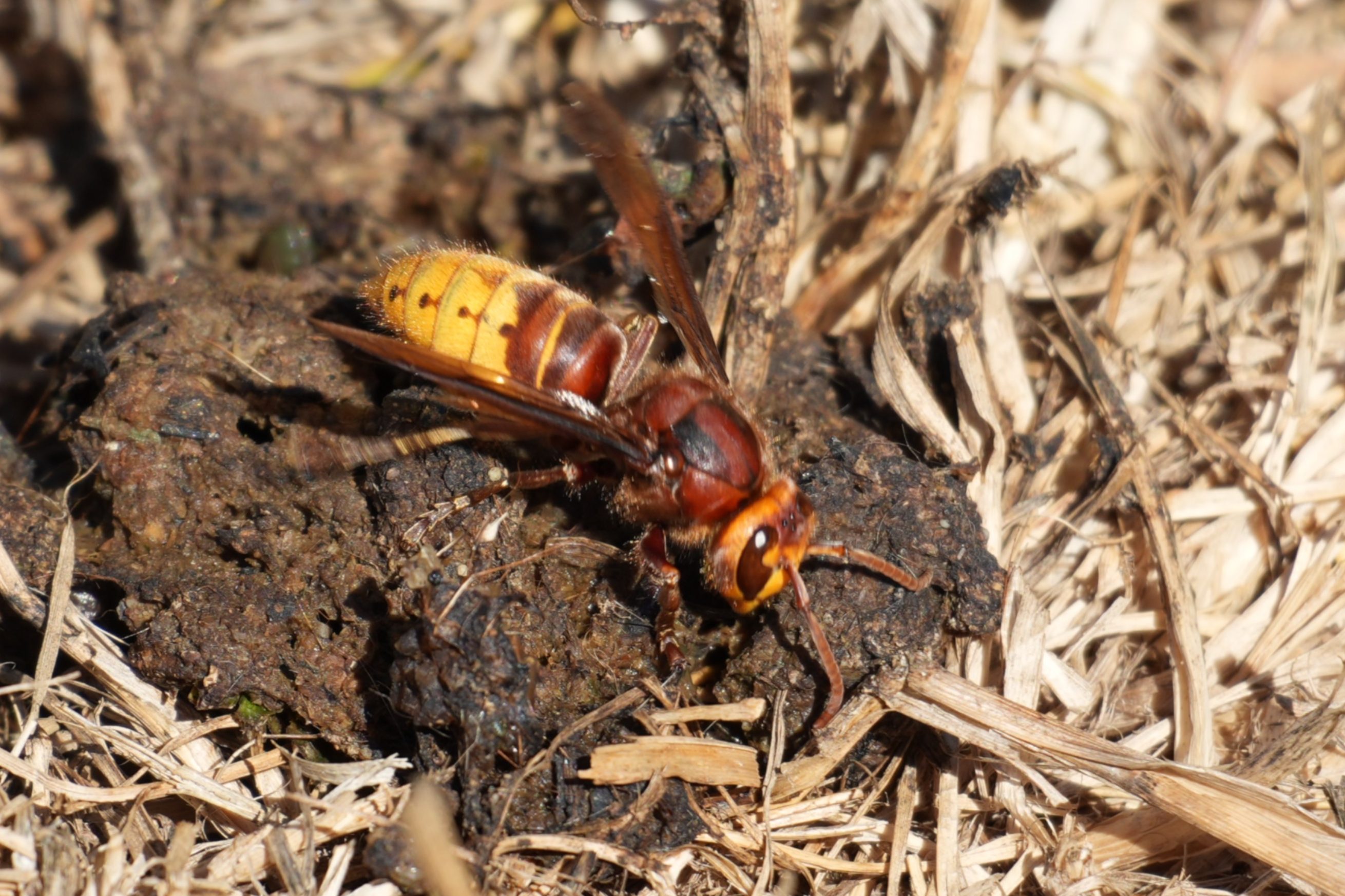
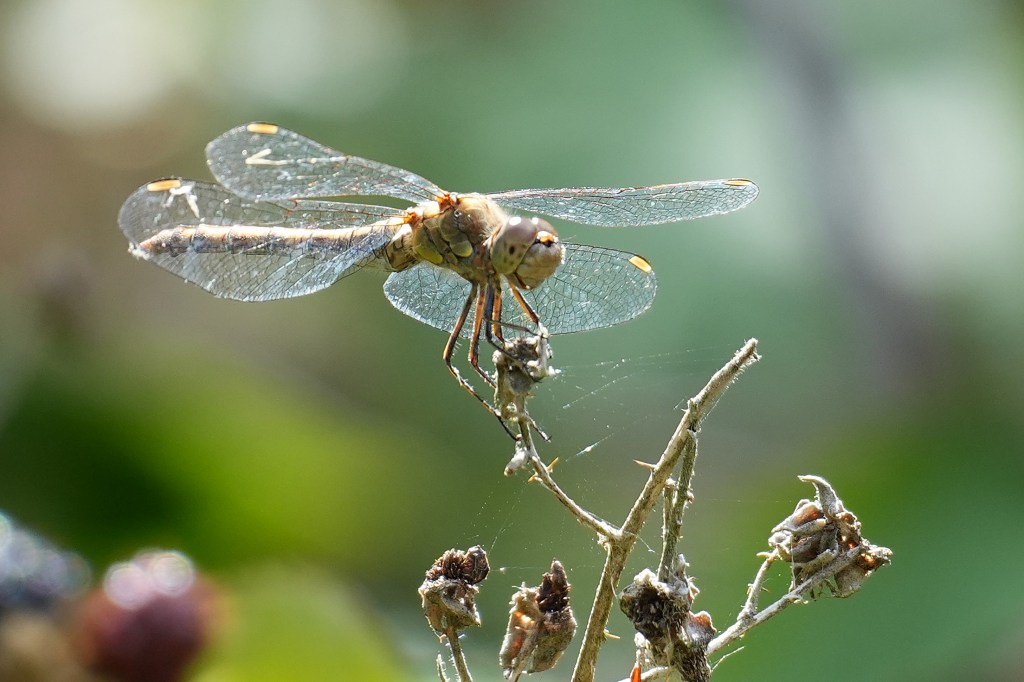
Species Encountered: European Hornet (Vespa crabro), Common Darter (Sympetrum striolatum), Eurasian Treecreeper (Certhia familiaris), Great Spotted Woodpecker (Dendrocopos major), Grey Squirrel (Sciurus carolinensis) and Migrant Hawker (Aeshna mixta)
Butterfly Count:
- Large White (Pieris brassicae) — 2
- Small White (Pieris rapae) — 9
- Green-veined White (Pieris napi) — 5
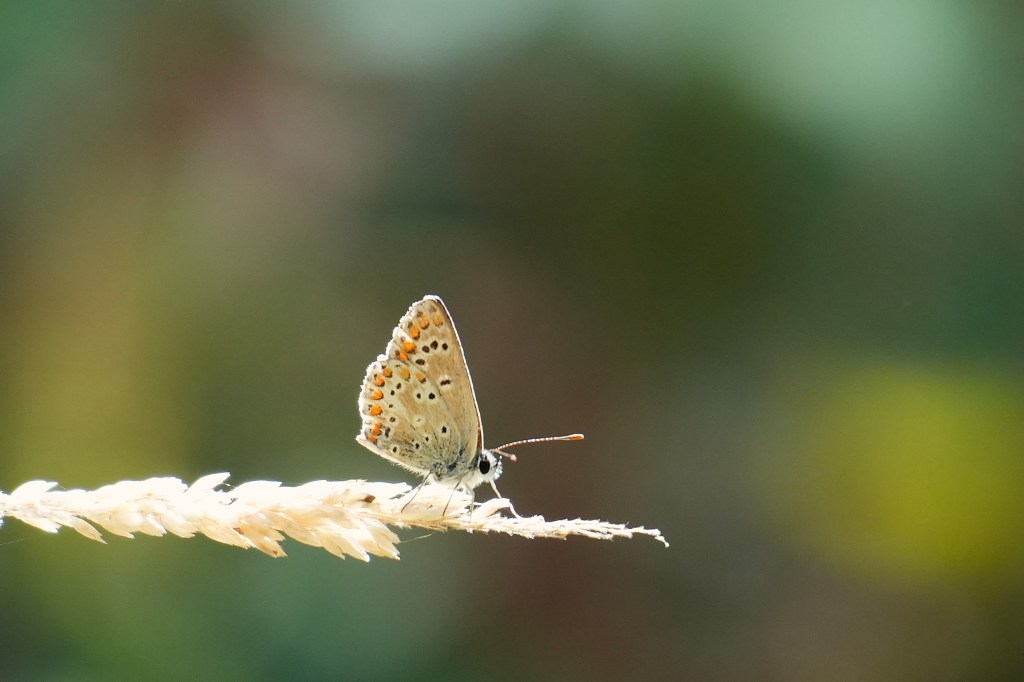
- Brown Argus (Aricia agestis) — 1
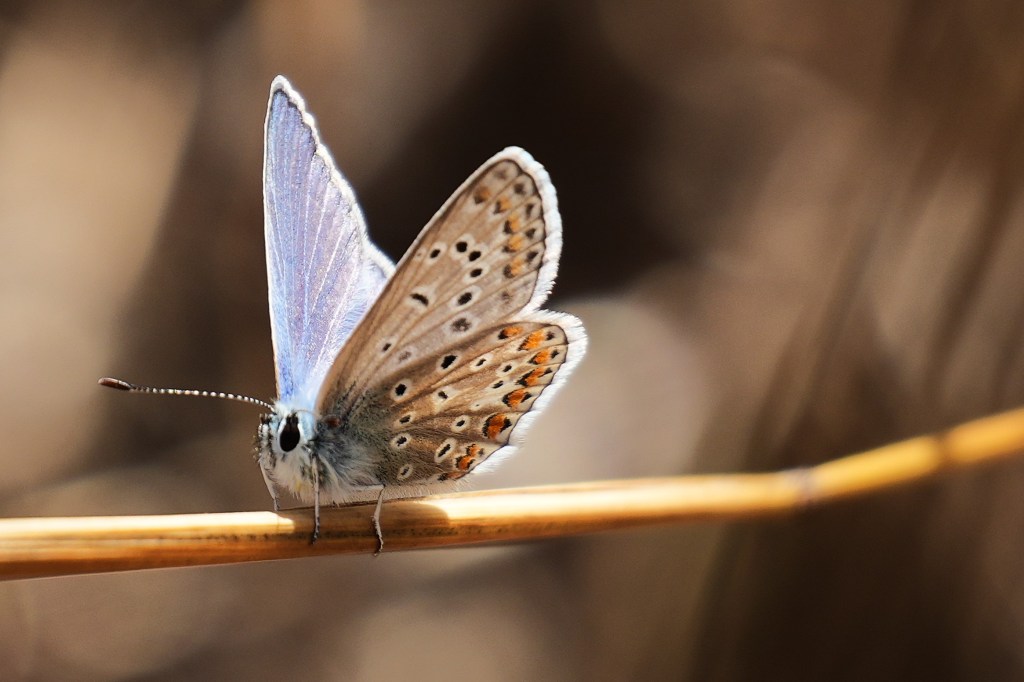
- Common Blue (Polyommatus icarus) — 2
- Speckled Wood (Pararge aegeria) — 3
- Meadow Brown (Maniola jurtina) — 4
Field Notes
Butterfly transect
Today’s Week 22 butterfly transect at Tice’s Meadow produced relatively low numbers, with 26 butterflies recorded across seven species. This was not unexpected, as butterfly activity and abundance naturally begin to decline at this point in the season.
Small Whites were the most frequently recorded species, with nine individuals observed, followed by five Green-veined Whites and four Meadow Browns. Three Speckled Woods were recorded, along with two Large Whites and two Common Blues. A single Brown Argus completed the count.
Water-quality testing
After completing the transect, we carried out a water-quality test following several complaints about possible blue-green algae. Blue-green algae are actually cyanobacteria, which can form visible blooms under favourable conditions.
The nitrogen and sulphur readings were good, and visibility through the water was clear. There was no obvious sign of a dense bloom during our visit. Blue-green algae are more likely to multiply in warm, nutrient-rich water with little movement, particularly after a prolonged period of high temperatures.
It is possible that the recent rainfall increased the water flow and helped disperse or carry some of the accumulated material downstream, although further monitoring would be needed to confirm this.
Reflection
Although butterfly numbers were low compared with surveys conducted during the height of summer, the transect still produced a varied selection of late-season species. Continuing the surveys as numbers decline helps document seasonal changes and shows which butterflies remain active towards the end of the monitoring period.
The additional water testing demonstrated how regular site monitoring can respond to concerns raised by visitors and provide an initial indication of changing environmental conditions.
Photographs
 Badger Ecology