As summer draws to a close, it feels like the right moment to reflect on an incredibly important few months in my journey towards becoming an ecologist.
This summer was not simply about enjoying the outdoors; it was about actively building practical experience.
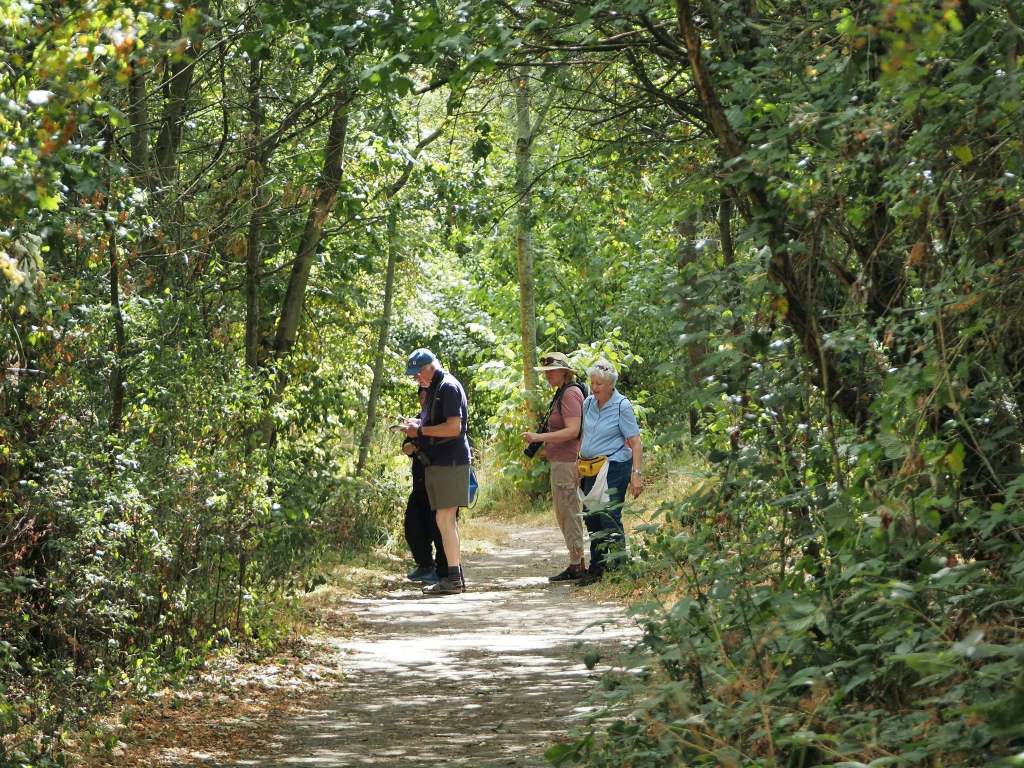
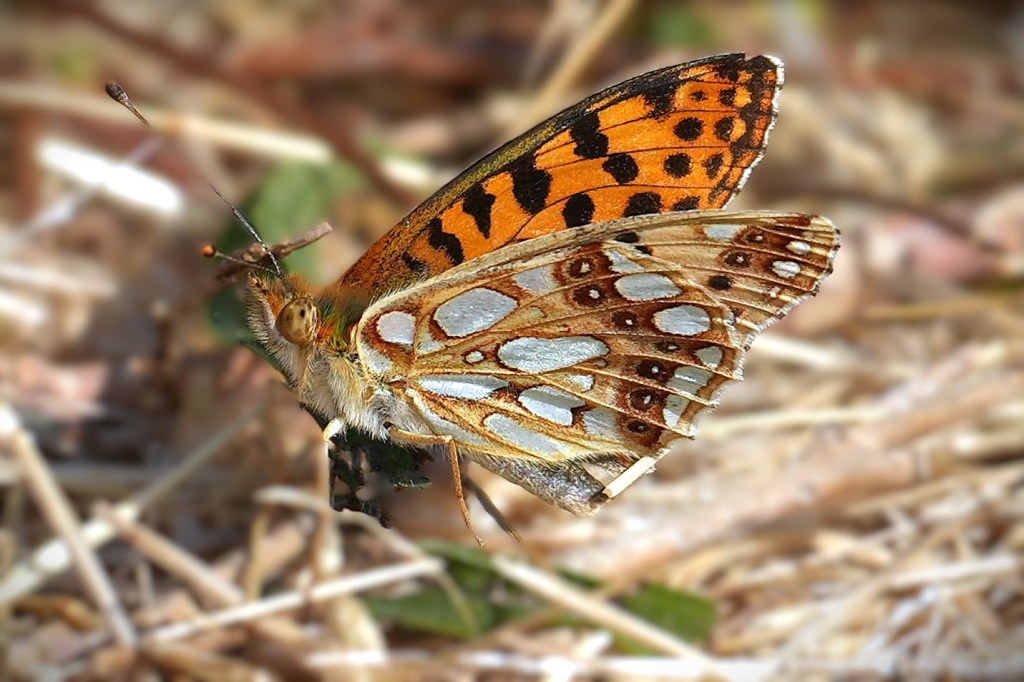
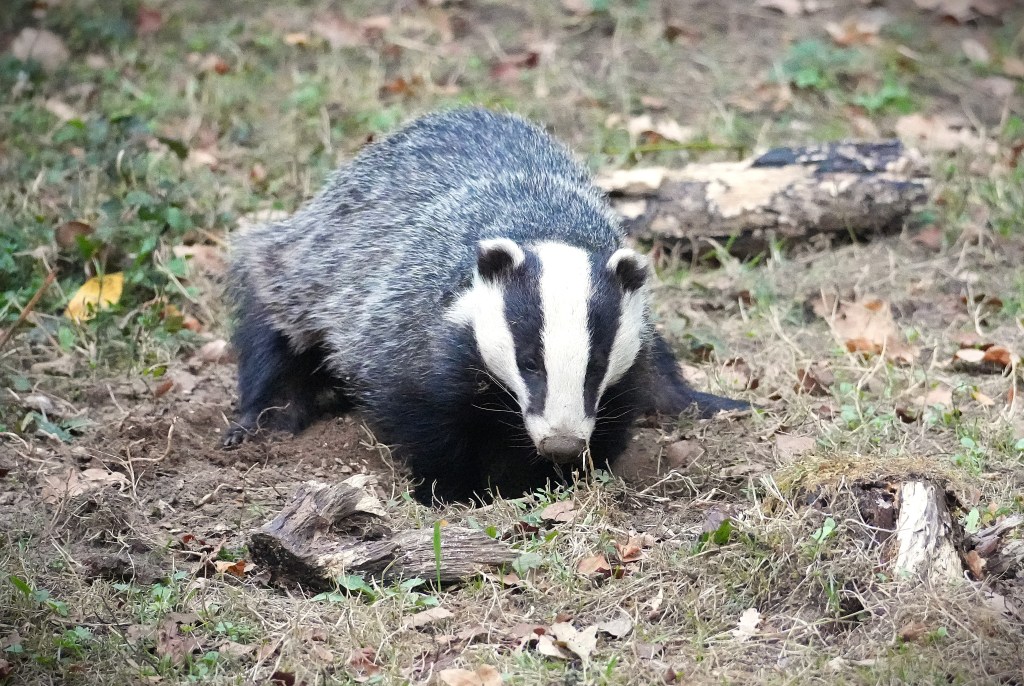
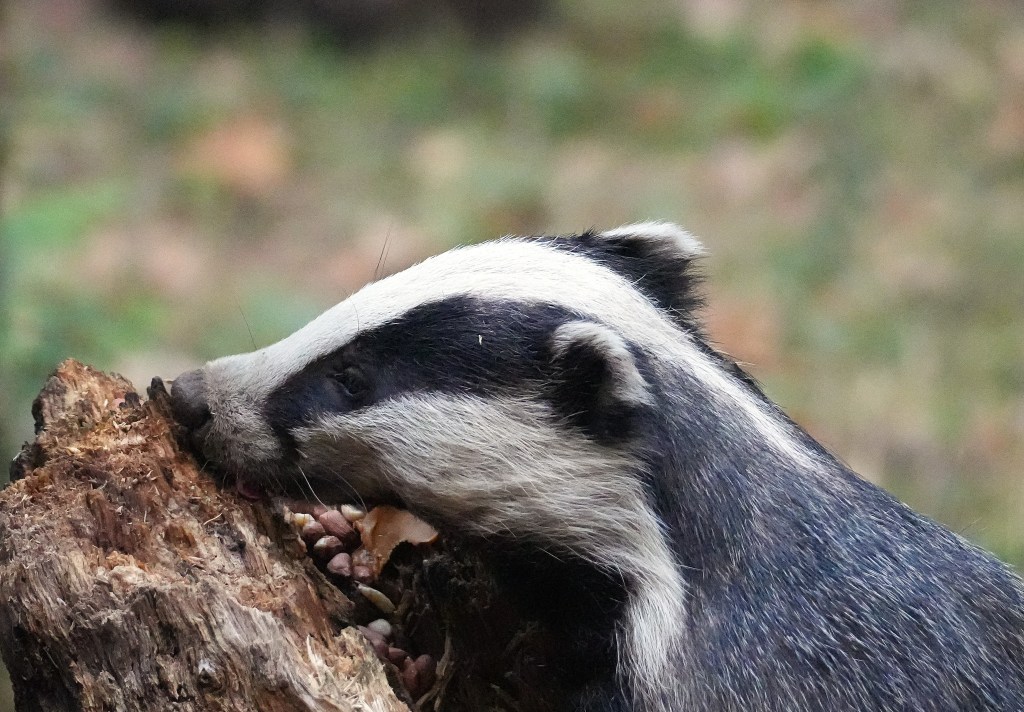
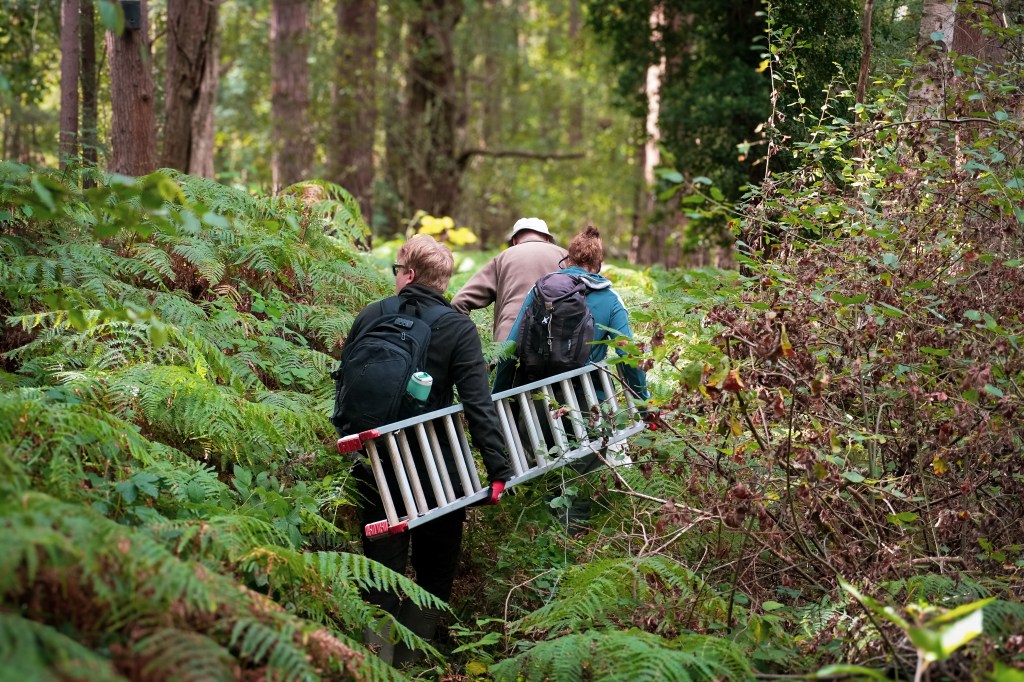
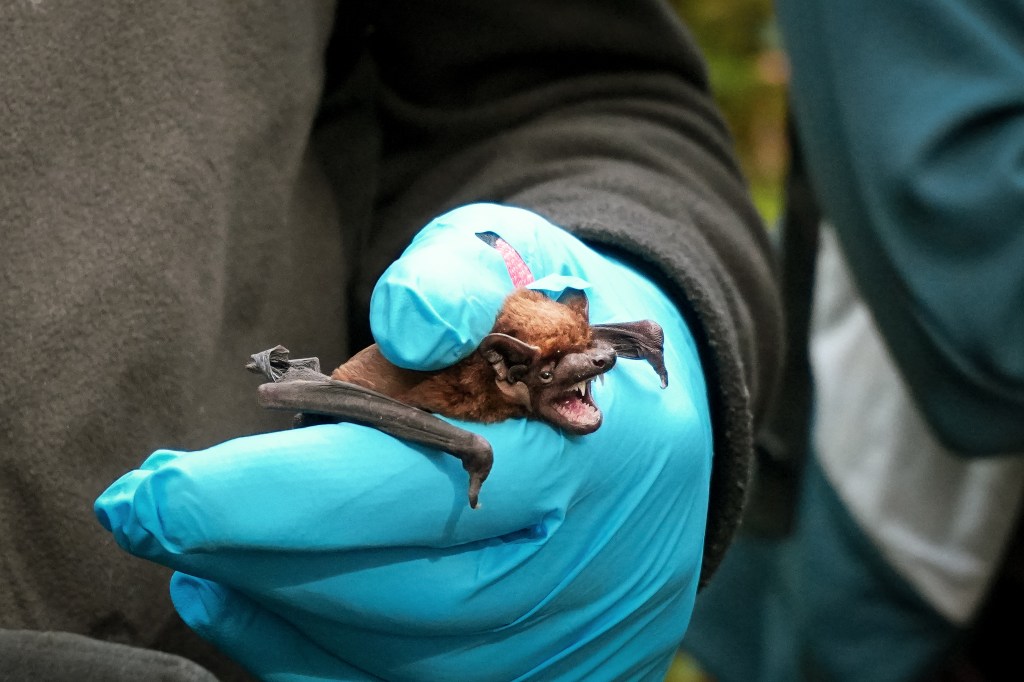
From bat surveys and bat box checks, to supporting the West Surrey Badger Group, to regularly helping with butterfly transects and Riverfly monitoring at Tice’s Meadow, every survey has offered another opportunity to learn about species, habitats, survey methods and, perhaps most importantly, how everything is connected.
At the same time, studying Environmental Science has begun to place those individual experiences in a much broader context.
Learning about biodiversity, climate change and the nine planetary boundaries has changed how I see the landscapes around us.
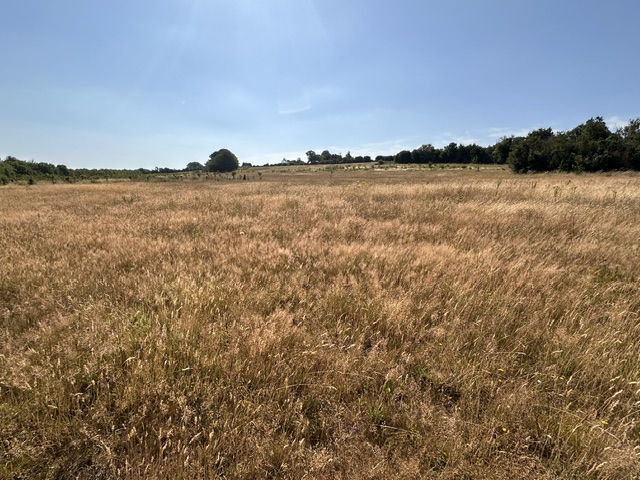
This summer has provided plenty to think about. Persistent high pressure repeatedly kept rainfall at bay, while high temperatures and strong sunshine accelerated the loss of moisture from soils and vegetation.
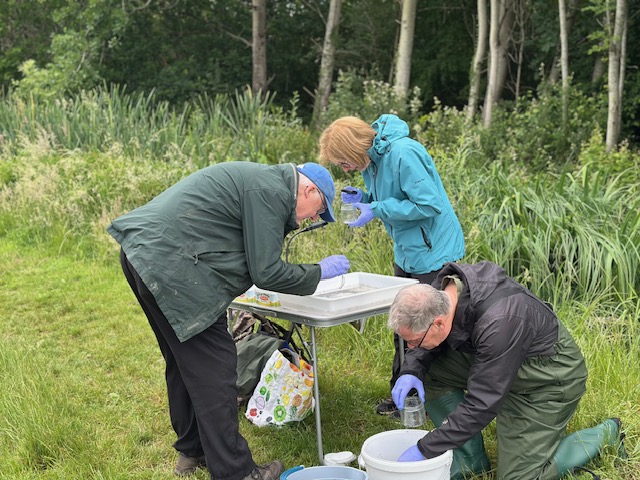
This year is the first year of regular Riverfly monitoring at Tice’s Meadow, where we sample freshwater invertebrates and test the water for phosphate and nitrogen levels.
Riverflies can act as important indicators of freshwater ecosystem health because different groups have varying tolerances to pollution, low oxygen and changing environmental conditions. Changes in which species are present and their abundance can provide an early warning that something within the freshwater system may be changing.
Once a month, we also test the water for nitrogen and phosphates. Studying environmental science has helped me understand how these local measurements connect to a much bigger global picture.
Nitrogen and phosphorus flows form one of the nine planetary boundaries. Both are essential for life, but excessive amounts entering freshwater can contribute to eutrophication, algal blooms and reduced oxygen levels, with consequences throughout the aquatic ecosystem.
After such a hot, dry summer, this monitoring feels particularly relevant. Prolonged dry periods can mean lower water levels, warmer water and additional pressure on already vulnerable freshwater habitats.
But perhaps the most interesting part is that we are only at the beginning.
One year of observations gives us a baseline. As we continue collecting the same information consistently, the dataset will become increasingly valuable. Over the next five years, we will be able to compare seasons and years, identify patterns and detect changes that a single survey could never reveal.
How are prolonged dry periods affecting freshwater habitats?
What happens to plants and to the invertebrates that depend on them?
How might this year’s changes affect the butterflies, bats and other wildlife recorded next spring and summer?
And what will repeated surveys reveal over time?
Perhaps that has been the biggest shift for me this summer.
A butterfly survey is no longer just about counting butterflies. A Riverfly survey is not simply about identifying what is in the water. And a bat survey is about more than detecting bats.
Each one is a small piece of a much bigger picture.
After nearly 20 years in IT, changing direction was a major decision. This summer has confirmed that ecology is the path I want to pursue.
For the next eight months, my Environmental Science degree will be my main focus, strengthening the science behind my field experience, while I continue volunteering with the wildlife trusts and local reserve.
Next spring, I will return to these places ready to see what has changed.
The more I learn, the more I notice.
Photographs